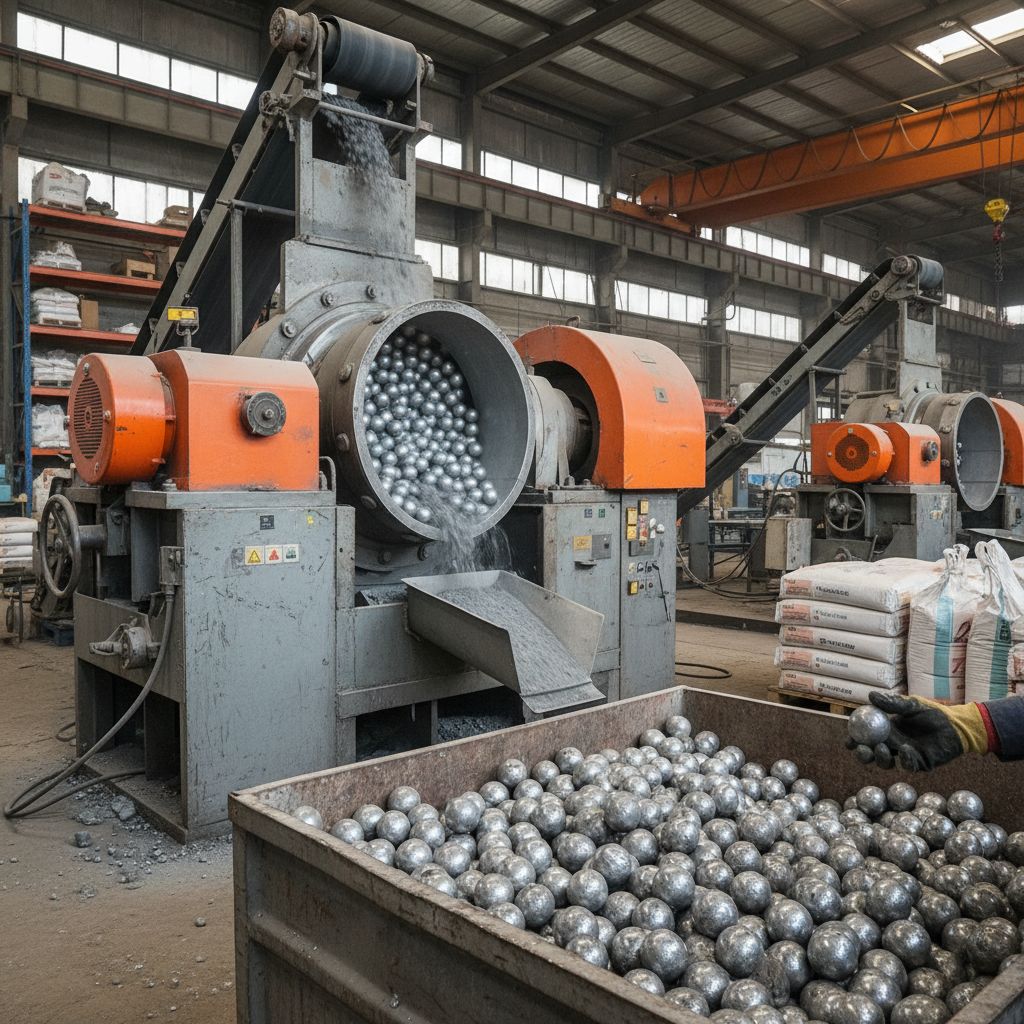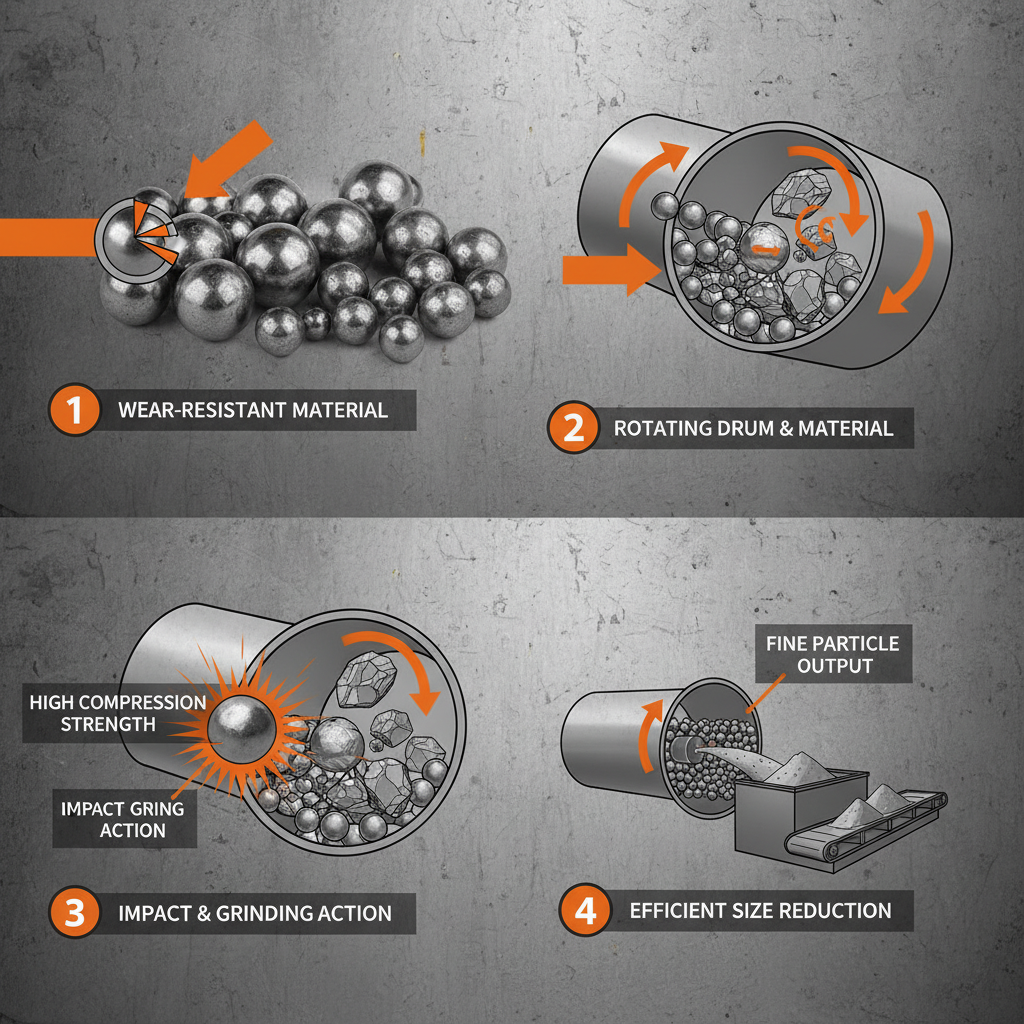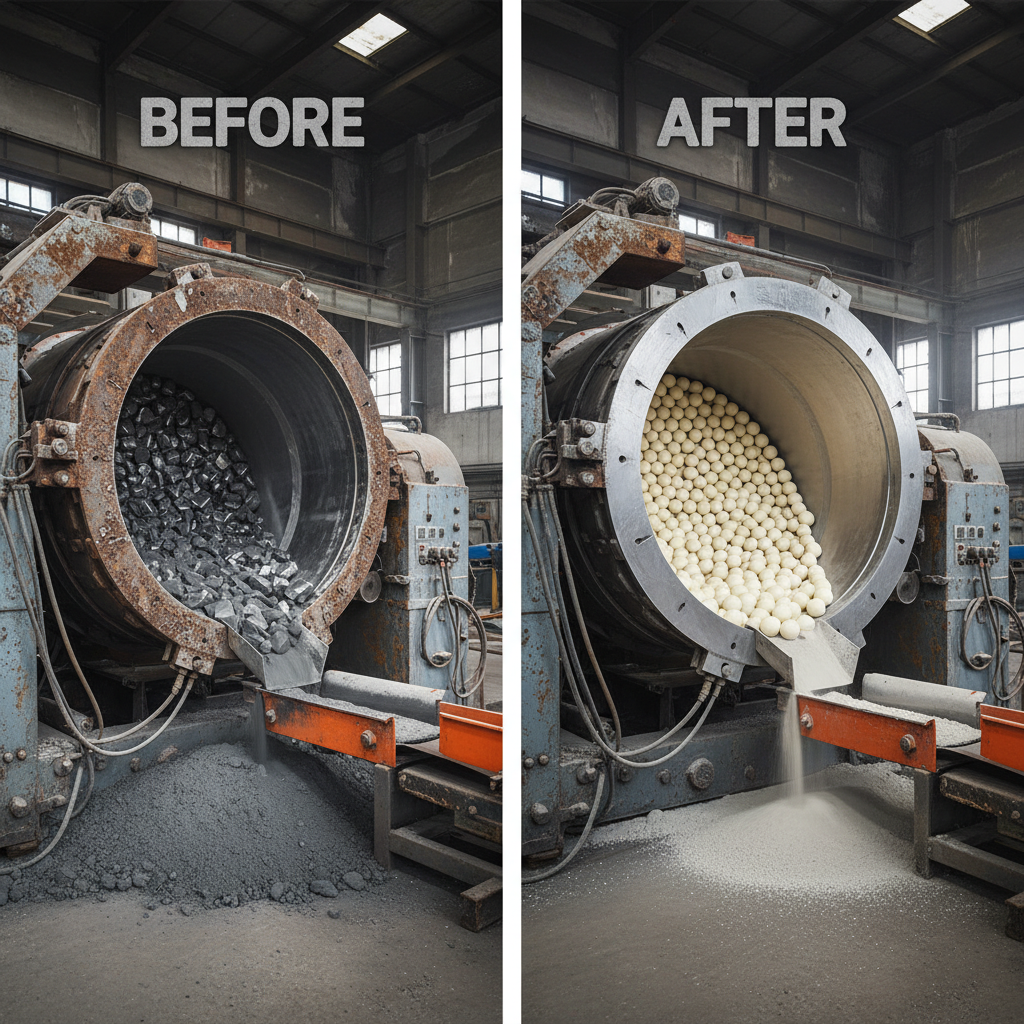
Understanding the high chrome grinding ball price requires a deep dive into the relationship between material composition, manufacturing precision, and operational longevity. These specialized grinding media are engineered from chromium white cast iron, utilizing high carbon and chromium levels to achieve extreme hardness, which directly influences their market valuation and cost-effectiveness in industrial milling.
In the demanding environments of cement production, mining, and quarrying, the primary challenge for operators is balancing the initial procurement cost with the actual wear rate. Lower-priced alternatives often lead to higher crushing rates and frequent mill shutdowns, while high-quality high chrome media reduce the total cost of ownership by extending the clearance cycle and increasing mill throughput.
This technical analysis explores the factors driving the price of high chrome grinding media, compares different alloy grades, and provides a procurement framework to help engineers select the optimal balance of hardness and toughness for their specific grinding applications.

1Foundations of High Chrome Grinding Media

High chrome grinding media are essentially a form of chromium white cast iron, designed specifically for high-stress abrasive environments. The manufacturing process involves melting high-quality scrap steel and chromium alloys, followed by micro-alloying treatment and precise sand casting. This process ensures a dense internal organization that is free from defects, which is critical for maintaining structural integrity under high-frequency impact.
The structural density of these balls is a key driver of their value. By eliminating internal voids and ensuring a uniform distribution of carbides, manufacturers can guarantee a lower broken rate (often below 0.5%), which prevents the contamination of the final ground product and reduces waste.
From a cost perspective, the price is heavily influenced by the raw material purity and the energy-intensive heat treatment processes required to achieve hardness levels typically ranging from 58 to 63 HRC.
2Material Composition and Hardness Dynamics
The performance of high chrome balls is rooted in their chemical composition, specifically the volume fraction of Cr7C3 carbides. In premium grades, the chromium content can reach up to 30%, with carbides occupying more than 50% of the metallographic structure. This creates a surface that is exceptionally resistant to abrasion while maintaining a core capable of absorbing energy.
Different grades, such as ZDCr26 or ZDCr12, offer different trade-offs. Higher chromium grades generally provide better corrosion resistance and wear life in fine grinding, whereas lower chromium variants may offer better toughness for initial crushing stages where impact forces are more severe.
The heat treatment process, often involving oil quenching, is essential to transform the microstructure into a combination of carbides and martensite (M+C), which prevents the balls from flattening or fracturing prematurely during operation.
3Industrial Application Scenarios
High chrome grinding balls are deployed across various heavy industries, with a primary focus on the first and second chambers of ball mills. In the first chamber, larger balls (60mm to 140mm) are used to crush feed material. These require a balanced combination of wear and impact resistance to handle the high potential energy of falling ore.
In the second chamber, smaller balls (15mm to 60mm) facilitate grinding by attrition. Here, the focus shifts toward maximum hardness and a high chrome range (10% to 30%) to ensure that the fine grinding process remains efficient and the output meets strict quality specifications.
Beyond mining and cement, these materials are critical in coal slurry thermal power plants and ultra-fine deep processing. The ability to maintain a consistent gradation over long periods reduces the number of times a mill must be opened for repair, significantly lowering labor costs.
4Performance Metrics and Efficiency Analysis
Evaluating the value of high chrome grinding media requires looking beyond the unit price and focusing on "cost per ton of material ground." High-performance balls reduce the consumption rate of the grinding body, meaning fewer kilograms of steel are required to process the same volume of ore.
Efficiency is also measured by the reduction in power consumption. When the grinding media maintains its spherical shape longer due to high wear resistance, the mill operates more efficiently, reducing the carbon footprint of the entire operation.
high chrome grinding ball price Performance Metrics
The chart illustrates that while the initial procurement cost for high-grade chrome balls is higher, the gains in wear resistance and life cycle significantly outweigh the investment, leading to a lower overall operational expenditure (OPEX).
5Procurement and Cost Optimization
When assessing high chrome grinding ball price, procurement teams should evaluate the total cost of ownership. This includes the cost of the media, the cost of mill downtime during refills, and the impact of media wear on the mill liners. High-quality media often protect the lining plates from premature wear, extending the life of the entire mill asset.
Customization is another critical factor. Media tailored to specific milling applications—considering the hardness of the feed material and the chemistry of the slurry—can provide substantial savings. For instance, adjusting the chrome content between 1% and 30% based on the corrosiveness of the environment prevents premature surface degradation.
Suppliers like Shijiazhuang Chengda provide these tailored solutions, ensuring that the grinding media matches the specific hardness requirements of the client's equipment, whether they require ZDCr26 for maximum wear or ZDCr8 for better impact resistance.
6Technological Trends in Wear Resistance
The industry is moving toward "ultra-high chrome" alloys and advanced heat treatment cycles. The goal is to create a structure where the carbide distribution is even more refined, reducing the risk of micro-cracks during high-impact loading. This innovation allows for a reduction in the broken rate to almost negligible levels.
Another trend is the optimization of the grinding body shape. While spherical balls are standard, the use of specialized cylinders and capsule-type forgings is increasing in specific applications to improve the contact area and enhance the grinding effect.
These technological leaps allow operators to do "more with less," increasing the output of the mill while reducing the consumption of the grinding body and lowering the total energy expenditure per ton produced.
7Comparative Selection Guide
Choosing the right grinding media depends on the specific requirements of the milling chamber. The following table compares common alloy designations based on their typical properties and best-use cases to help in the decision-making process.
It is important to note that higher chromium does not always mean "better"; it means "more wear-resistant." In high-impact environments, a slightly lower chrome grade with higher toughness is often the more economical choice to avoid ball breakage.
| Alloy Grade | Chrome Range (%) | Hardness (HRC) | Primary Use Case |
|---|---|---|---|
| ZDCr26 | 24.0-30.0 | ≥62 | Fine Grinding / High Wear |
| ZDCr20 | 18.0-22.0 | ≥62 | General Mining Application |
| ZDCr12 | 10.0-14.0 | ≥62 | Moderate Impact/Wear Balance |
| ZDCr8 | 7.0-10.0 | 50-55 | First Chamber / High Impact |
| ZDCr5 | 4.0-6.0 | 50-55 | Heavy Crushing / Toughness |
| ZDCADI | 0.2-0.5 | 55-60 | Specialized Alloy Casting |
By aligning the alloy grade with the operational requirements of the mill, companies can significantly optimize their high chrome grinding ball price investment and maximize equipment availability.
Frequently Asked Questions
Conclusion
Optimizing the high chrome grinding ball price is not about finding the cheapest unit, but about maximizing the efficiency of the grinding process. By selecting the correct alloy grade—matching the chromium content and hardness to the specific demands of the mill's chambers—operators can significantly reduce the total cost of ownership through lower wear rates and improved mill productivity.
For procurement teams and engineers seeking a balance of durability and cost, reviewing technical specifications and partnering with an experienced supplier is key. Detailed product information and custom alloy options can be explored at www.cdchengda.com to ensure the grinding media perfectly matches your operational requirements.