



Regional Analysis
The Grinding Media Market in Germany
Analyzing the demand for high-performance wear materials in Europe's industrial heartland.
Germany represents one of the most sophisticated industrial landscapes in Europe, with a heavy emphasis on precision engineering and sustainable mining. The local market for ball milling balls is driven by the high standards of the cement and mineral processing industries. Operators in regions like North Rhine-Westphalia and Saxony prioritize materials that can withstand rigorous duty cycles while maintaining strict environmental compliance, focusing on reducing the total volume of waste media generated.
Current market trends show a decisive shift toward high-chromium cast iron over traditional forged steel. This transition is fueled by the need for lower specific wear rates and improved energy efficiency. As German facilities integrate more automated mill monitoring systems, there is a growing demand for media with highly consistent hardness and sphericity. The industry is moving away from "one-size-fits-all" products toward tailored alloy solutions that match the specific hardness of the feed material to optimize the grinding curve.
The outlook for the German market is shaped by the "Green Deal" and carbon reduction goals. Grinding media that can reduce the energy required per ton of finished product are seeing increased adoption. While high labor costs in Germany make manual mill maintenance expensive, the opportunity lies in providing long-life media that extends the interval between shutdowns. The primary constraint remains the strict adherence to ISO standards and the requirement for verifiable material certificates to ensure operational safety.
Technology Roadmap
Evolution of Cast Grinding Media
From basic iron casting to advanced high-chromium metallurgy.
Early Phase
Basic Casting
Industry relied on standard cast iron with low alloy content. These balls had poor wear resistance and high breakage rates in primary chambers.
Development Phase
Alloy Optimization
Introduction of chromium additions to improve hardness. The transition to high-chrome alloys reduced wear rates and improved chemical stability.
Current Phase
Precision Engineering
Focus on tailored hardness ranges and ultra-high chrome technology to maximize mill productivity and reduce the carbon footprint.
Shift to High-Chrome Metallurgy
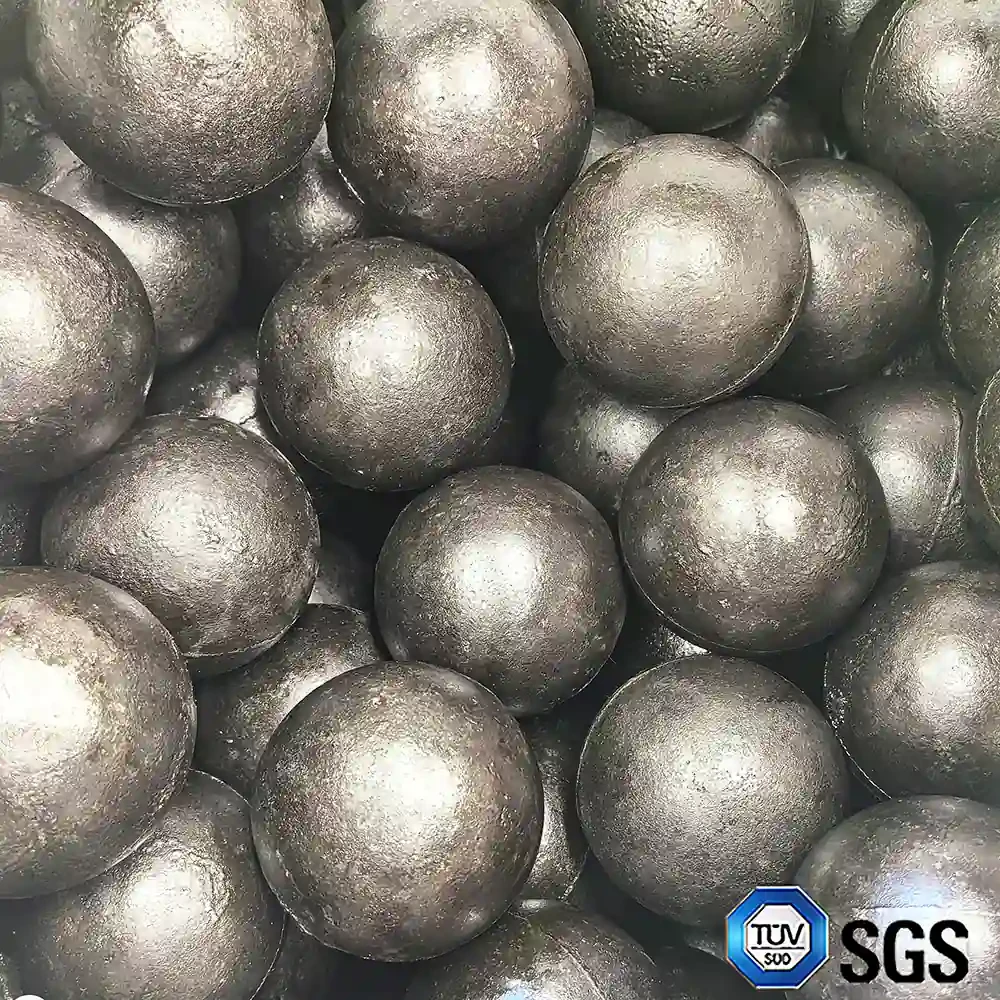
The adoption of chromium-rich alloys has transformed the lifespan of milling media. By creating a micro-structure of hard carbides in a tough matrix, these balls maintain their shape longer, ensuring the mill remains balanced and efficient over thousands of hours of operation.
Precision Size Distribution
Modern milling focuses on the "charging" strategy. By precisely mixing different diameters of ball mill grinding media, operators can optimize the contact points between balls and material, significantly increasing the throughput of the mill.
Sustainability in Wear Materials
There is a strong movement toward reducing the total mass of media consumed per ton of product. High-wear-resistant materials allow for a reduction in the frequency of media additions, directly lowering the environmental impact and logistical costs of transportation.
Future Outlook
Key Trends Shaping the Grinding Industry
Technological advancements that are redefining industrial milling efficiency.
Carbon Footprint Reduction
Energy efficiency is now a top priority. Optimized grinding media reduces the electricity required for rotation by improving the grinding kinetics and reducing the overall mill load.
Data-Driven Media Selection
The use of mill sensors and AI to monitor wear in real-time is enabling operators to switch media types dynamically based on the ore hardness variations detected.
Custom Alloy Formulations
Moving away from generic grades to application-specific alloys that optimize the trade-off between impact toughness and abrasive wear resistance for specific minerals.
Integrated Lifecycle Management
Focusing on the entire lifecycle of the grinding body, from optimized casting and shipping to the recovery and recycling of worn-out metal scrap.
The integration of advanced metallurgy with digital monitoring is creating a new paradigm in grinding efficiency. By precisely controlling the chromium content and heat treatment processes, manufacturers can now provide media that not only lasts longer but also maintains a constant surface hardness. This ensures that the mill productivity does not drop as the balls wear down, maintaining a steady output of the desired particle size throughout the cycle.
Furthermore, the German market's emphasis on environmental sustainability is pushing the industry toward "doing more with less." This means optimizing the ball charge to reduce the total mass of metal in the mill without sacrificing grinding capacity. Through technical analysis and customized alloying, it is now possible to achieve higher metal recoveries in the flotation process by ensuring a more precise grind, which directly impacts the profitability of mining operations.
Application Contexts
Typical Deployment Scenarios in Europe
How different industrial applications utilize specialized grinding media for optimal results.
01
Cement Plant Primary Grinding in Germany
In large-scale cement production, the first chamber of the mill is subjected to extreme impact forces. By deploying large ball mill balls (100mm-140mm) with a chrome range of 10%-28% and hardness of 57-66 HRc, plants can effectively crush raw feed materials. This setup prevents premature ball breakage and reduces the frequency of mill shutdowns for media replacement.
02
Fine Grinding in Mineral Processing
For secondary chambers requiring high attrition, small diameter balls (15mm-60mm) are used. By utilizing a higher chrome content (up to 30%) and peak hardness of 60-69 HRc, operators ensure a high surface area for grinding. This results in a more consistent fine powder, which is critical for high-efficiency flotation and metal recovery processes.
03
Aggressive Quarrying Operations
Quarrying materials can vary significantly in abrasiveness. By performing a technical analysis of the local stone hardness, Chengda provides a tailored alloy selection. Using media that matches the material's hardness prevents "over-grinding" or excessive media wear, optimizing the energy cost per ton of processed stone.
04
Corrosive Mining Slurry Environments
In mines where the slurry is chemically aggressive, standard forged balls suffer from rapid oxidative wear. The deployment of high chromium cast media creates a protective oxide layer. This reduces the wear rate caused by corrosion, ensuring the mill's productivity remains stable even in harsh chemical conditions.
05
Energy-Optimized Milling Cycles
For plants focusing on reducing their carbon footprint, the use of perfectly spherical, high-density media is essential. By reducing the internal friction and improving the impact kinetics, the mill can achieve the same grind quality with a lower rotational speed, directly reducing the kWh per ton of output.
Operational Perspectives
Representative Use Cases
Illustrative outcomes based on typical industrial applications of high-chrome media.
Typical implementations in primary crushing chambers show that using high-chrome balls with optimal hardness (57-66 HRc) significantly reduces the rate of ball breakage compared to standard cast iron, leading to fewer unplanned maintenance stops.
In fine grinding applications, switching to media with 25%-30% chromium content often results in a more uniform particle size distribution, which is essential for improving the efficiency of downstream flotation processes.
Operators utilizing tailored alloy selections based on raw material hardness typically report a reduction in overall media consumption, contributing to lower operational costs and a smaller environmental footprint.
Our Legacy
About Shijiazhuang Chengda
Over two decades of excellence in wear-resistant material engineering.
2007
Company Incorporation
Shijiazhuang Chengda Wear-resistant Materials Co.,LTD. was established by Mr. Zhao Wenliang, focusing on high-quality wear-resistant materials for the grinding industry.
2010
Operational Expansion
The business expanded its production capabilities by moving to the Huangbizhuang Town Industrial area to better serve growing market demand.
2013
Technological Breakthroughs
The company obtained critical patents for "Ultra High Chromium Grinding Ball and Processing Technology" and "High wear resistance for mining High chromium alloy cast iron grinding balls."
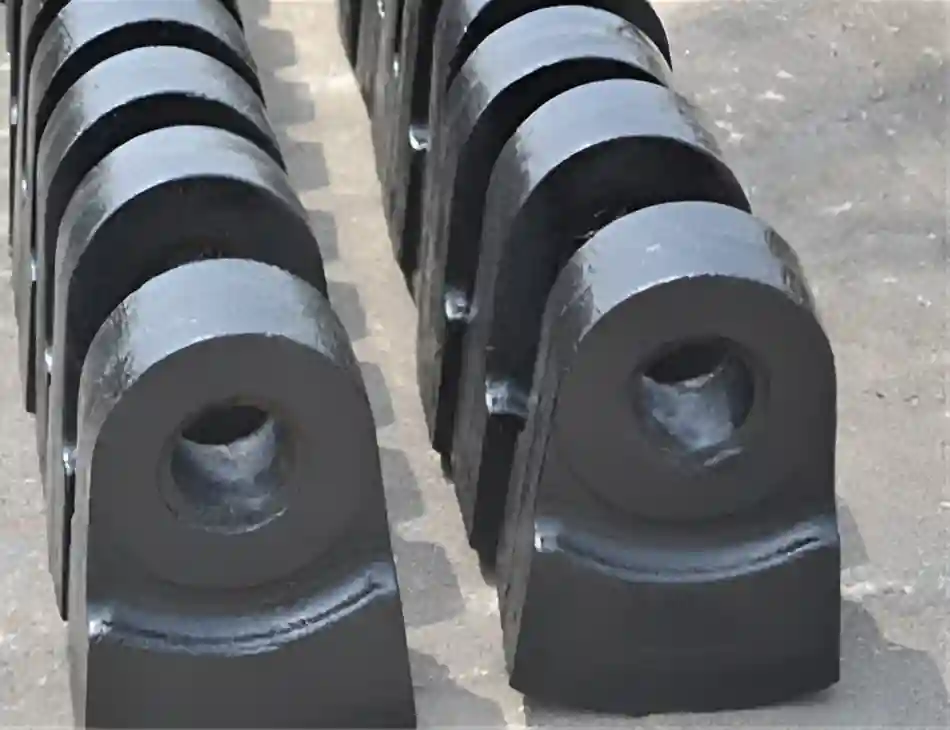
High Chrome Hammer Head
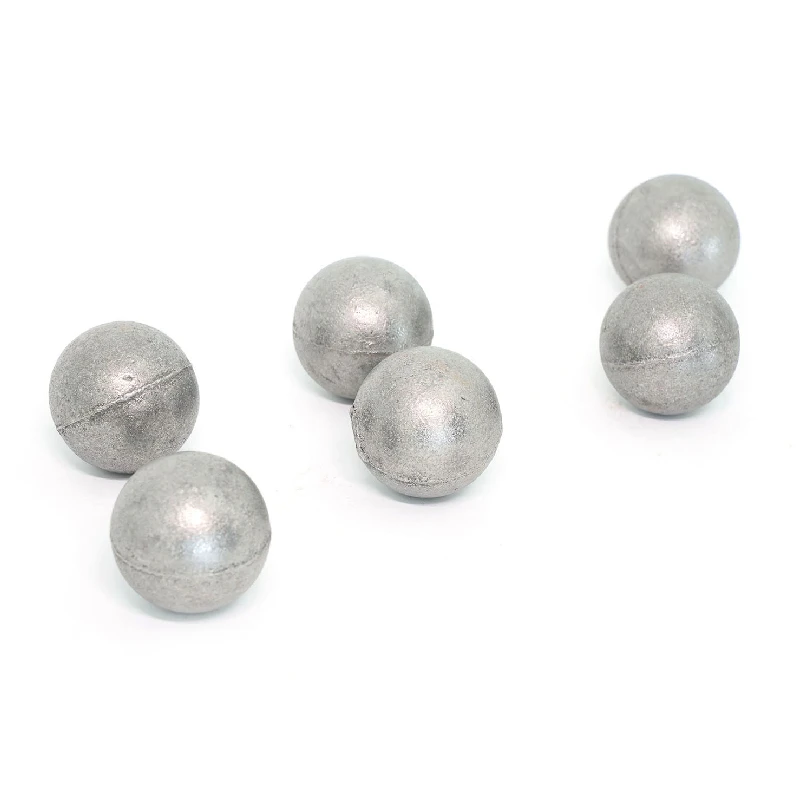
Low Chromium Grinding Balls
Company qualification certification
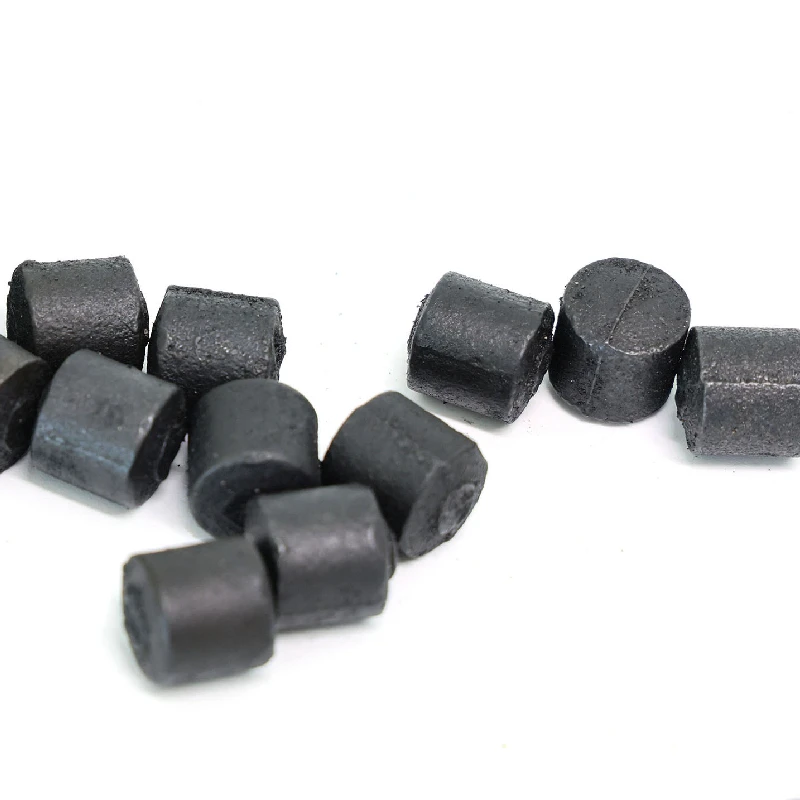
High chromium grinding steel forging
Technical Q&A
Frequently Asked Questions
Expert answers to common technical and commercial inquiries regarding grinding media.
What is the primary advantage of high chromium cast grinding balls over forged steel?
High chromium cast balls offer significantly higher hardness and superior resistance to both abrasive wear and chemical corrosion. Unlike forged steel, the high chromium alloy forms a network of hard carbides that maintain the ball's shape longer, reducing the frequency of media replenishment and improving the overall grinding efficiency of the mill.
How do I determine the correct chromium content and hardness for my specific application?
The selection depends on the hardness and abrasiveness of your feed material. For heavy crushing in primary chambers, a chrome range of 10%-28% with a hardness of 57-66 HRc is typically optimal. For fine grinding in second chambers, higher chrome (up to 30%) and hardness (60-69 HRc) are recommended. We provide technical analysis to tailor the alloy to your specific ore or mineral characteristics.
Can these grinding media be used in corrosive mining environments in Germany?
Yes, our high chromium media is specifically designed for such environments. The chromium creates a passive oxide layer on the ball surface, which protects the metal from corrosion by the slurry. This prevents the rapid volume loss typically seen in carbon steel balls, ensuring stable mill performance and reducing the cost of media consumption in aggressive chemical conditions.
What impact does ball sphericity and precision have on energy costs?
Precision sphericity ensures that the impact energy is distributed evenly across the feed material. Inconsistent shapes cause erratic movements and wasted energy. By using precision-cast media, mills can reduce their specific energy consumption (kWh/ton), which is a critical factor for German operators looking to lower their operational costs and carbon footprint.
How does the use of tailored grinding media affect the final product quality?
Tailored media ensures a consistent particle size distribution. By maintaining a stable gradation of balls in the mill, you avoid the creation of "oversize" particles or excessive "slimes." This precision is particularly vital in mining for optimizing the flotation process, where specific particle sizes are required to maximize metal recovery rates.
What are the next steps to transition my facility to high-chrome grinding media?
The first step is a technical review of your current milling parameters, including feed material hardness and current media wear rates. We then recommend a specific chromium percentage and hardness range. Following this, a trial phase with a tailored batch of media can be implemented to measure the actual reduction in wear cost and energy consumption before a full-scale rollout.
Ready to Optimize
Enhance Your Mill Productivity with Precision Grinding Media
Industrial operators in Germany seeking to reduce wear costs and energy consumption should evaluate their current media performance. Whether you are in cement production or mineral mining, our technical team can help you select the optimal high-chrome alloy to maximize your throughput. Contact us today to discuss your requirements and receive a customized technical proposal.
Discuss Your Requirements


