
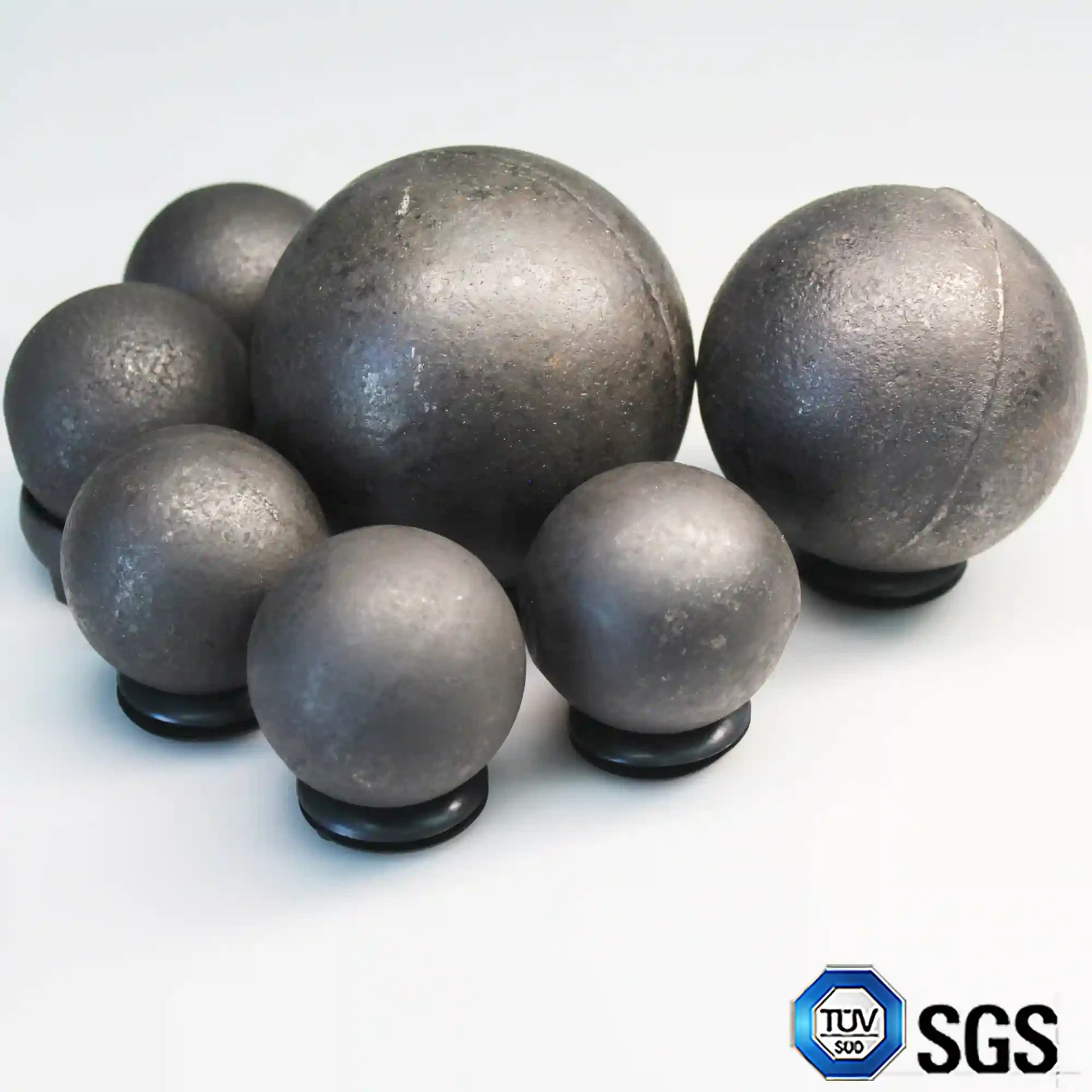
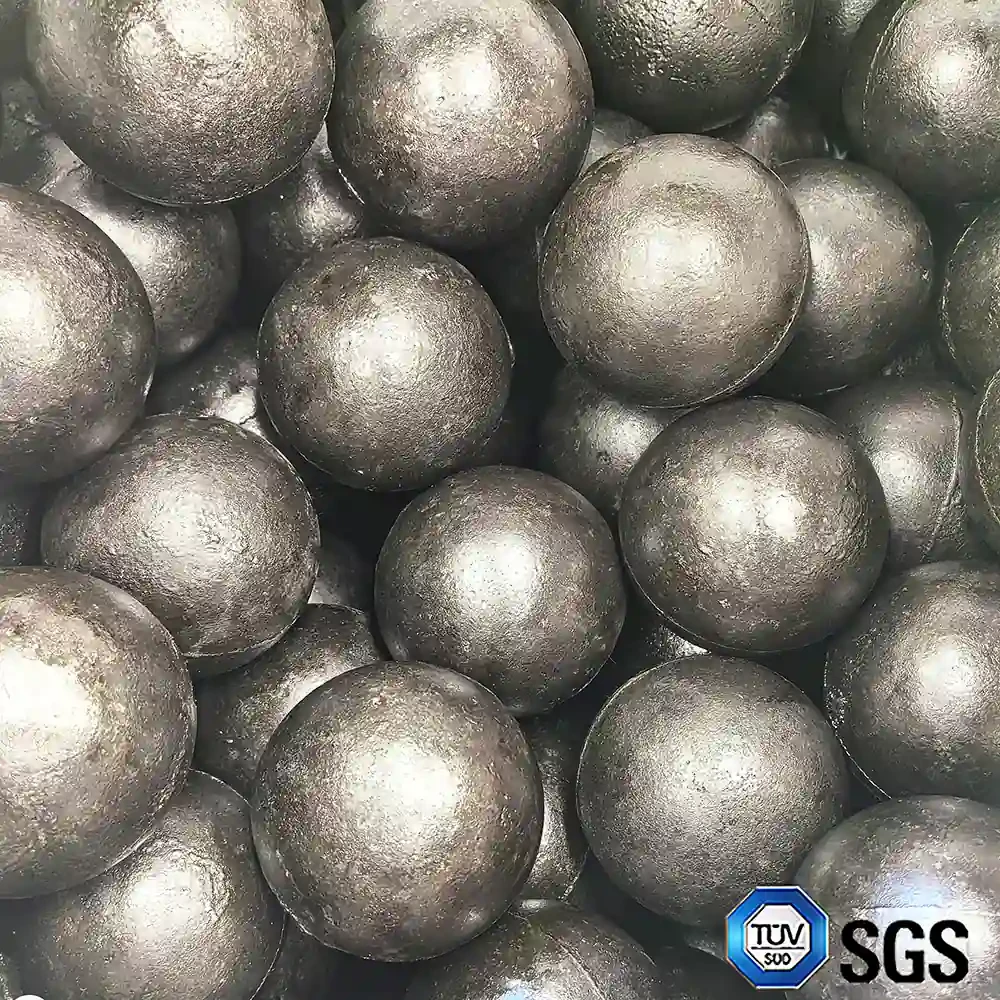
High-Performance Ball Mill Grinding Media for Industrial Operations in Romania

Optimizing mineral processing and cement production in Romania with wear-resistant high chromium cast grinding balls tailored for maximum mill efficiency.

Advanced Grinding Solutions for Wear Resistance

Addressing the challenge of high abrasive wear in Romanian milling plants by providing ball mill balls designed for extreme impact and corrosion resistance.

The Romanian Mining and Cement Casting Landscape

Analyzing the demand for durable grinding media in Eastern Europe's industrial hubs.

Romania possesses a significant industrial base in mining and cement production, particularly in the Carpathian regions and southern plains. The demand for high-quality ball mill grinding media is driven by the need to process hard ores and raw materials efficiently, where traditional low-chrome media often fail prematurely.

The regional commercial environment favors suppliers who can provide technical analysis to match alloying elements with specific material hardness. Logistics via the Port of Constanta and integrated rail networks allow for the steady supply of heavy cast materials, but local operators prioritize media that reduces the frequency of mill shutdowns.

A primary pain point for Romanian plant managers is the balance between energy consumption and grinding speed. Many facilities struggle with inconsistent ball wear, which leads to uneven gradation of the final product and increased carbon footprints due to inefficient power usage during the milling cycle.
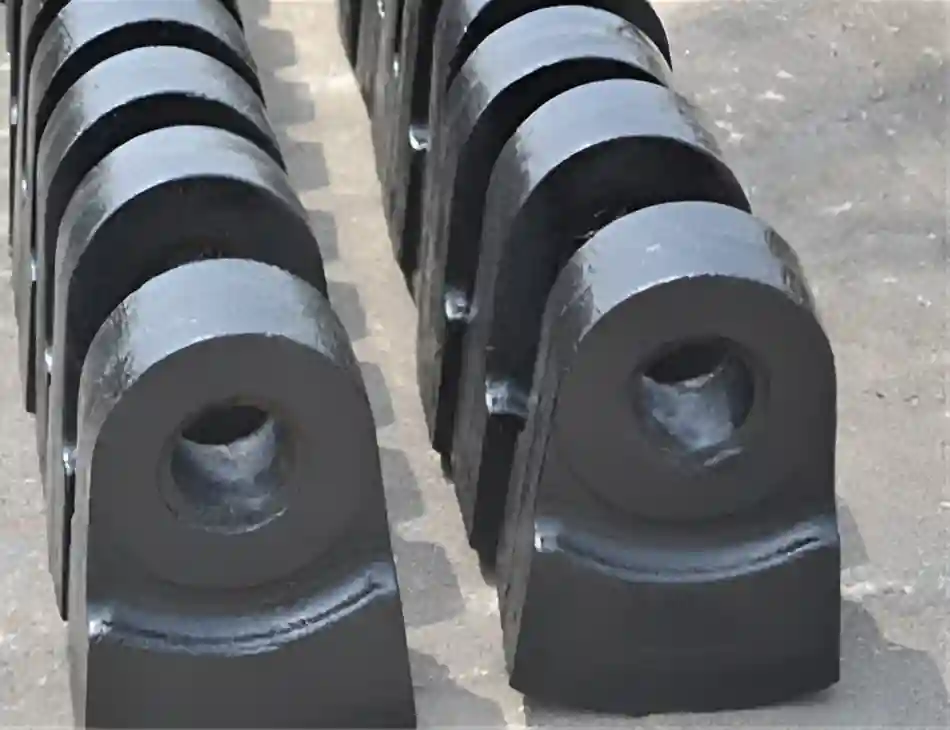
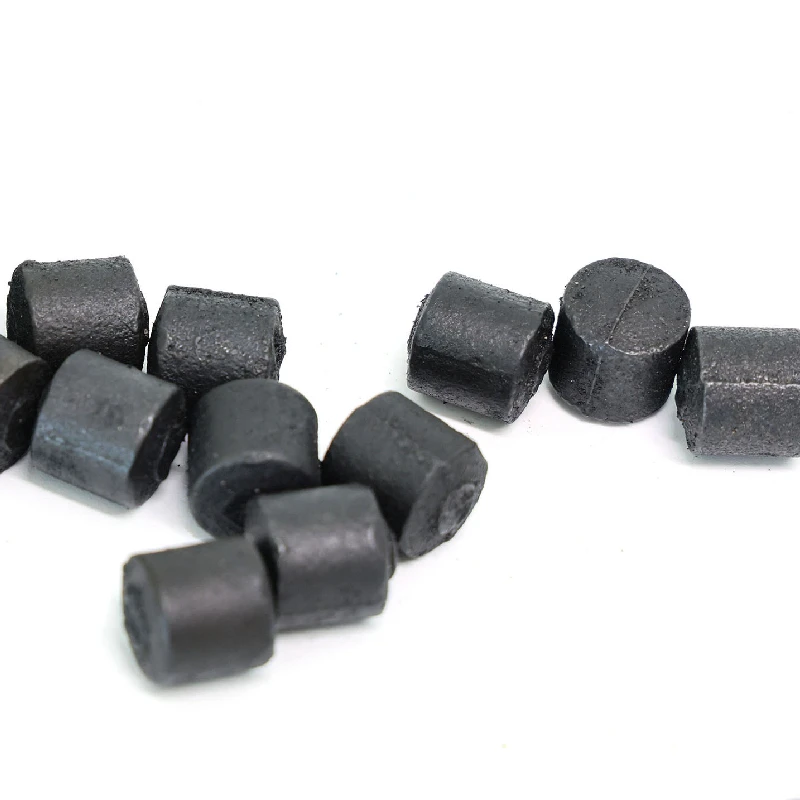
Evolution of Grinding Media Technology

From basic forged steel to precision-engineered high chromium alloys.

Industry Development Milestones

Early Material Adoption
The industry relied heavily on forged steel balls, which provided basic crushing power but suffered from rapid wear and high consumption rates in abrasive environments.

Introduction of Alloyed Cast Iron
The shift toward high chromium cast iron allowed for significantly higher hardness. This era introduced the ability to customize chrome content to balance toughness and wear resistance.

Precision Engineering Phase
Current operations now utilize tailor-made cast grinding balls with precise heat treatment, focusing on reducing the carbon footprint through enhanced energy efficiency.

Emerging Technical Trends

1. Custom Alloy Optimization

Moving beyond standard grades to specific chrome ranges (1% to 30%) based on the specific Mohs hardness of the feed material to maximize lifespan.

2. Wear-Rate Digital Monitoring

Integration of sensor-based tracking to predict when grinding media needs replenishment, reducing unplanned downtime in large-scale mills.

3. Sustainability in Casting

Developing casting processes that minimize waste and improve the purity of high chromium materials to ensure consistent performance across batches.

How global industrial trends are reshaping the Romanian milling sector.

Operational Efficiency
Increasing the use of high-hardness media to improve mill productivity and reduce the number of required charging cycles.
Smart Material Selection
Utilizing technical analysis to choose the exact HRc hardness required for first and second chamber grinding.
Optimized Procurement
A shift toward direct sourcing from certified ISO 9001 manufacturers to ensure consistent metallurgy and quality control.
Green Milling
Focusing on reducing the energy cost and carbon footprint by optimizing the ball charge and grinding efficiency.

Future Industry Outlook

Over the next 3-5 years, the Romanian industrial sector is expected to prioritize the modernization of old milling equipment. This will lead to a higher demand for specialized ball mill media that can operate under higher pressures and faster rotations without excessive breakage.

The integration of more stringent environmental regulations in the EU will push Romanian plants to adopt media that maximizes metal recovery in flotation processes, emphasizing the value of precision-cast alloys over generic alternatives.

Tailored Grinding Applications in Romania

Practical implementations of wear-resistant media across diverse industrial environments.

Primary Crushing in Mining

Mining operators in the Carpathians use large balls (60mm to 140mm) with 10%-28% chrome in first chambers to handle heavy feed material, prioritizing impact resistance to prevent ball breakage.

Fine Grinding for Cement Plants

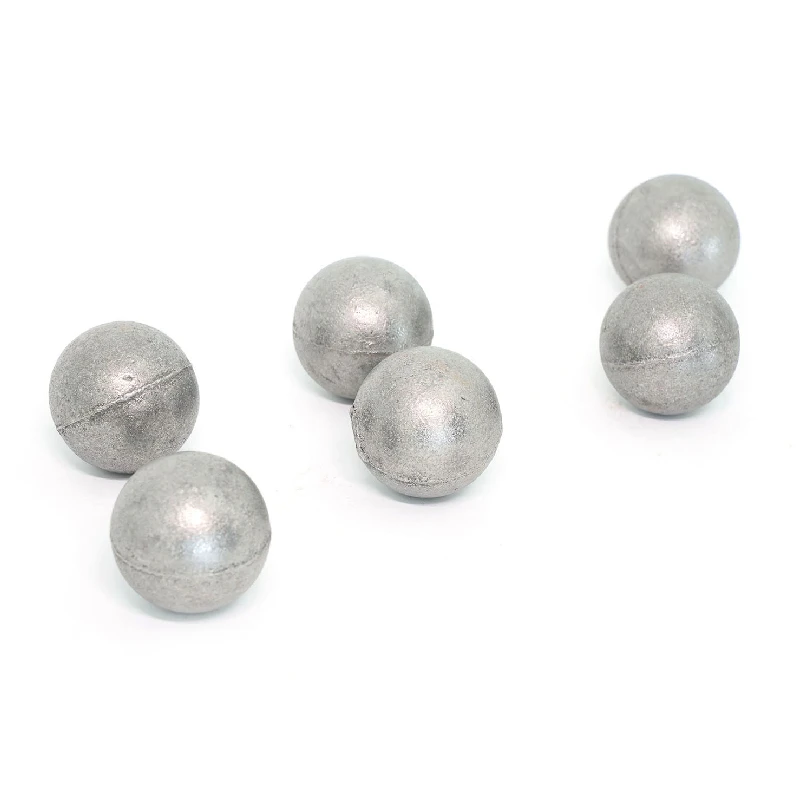
Cement manufacturers utilize small ball milling balls (15mm to 60mm) in second chambers to ensure a fine, consistent powder, focusing on attrition and high hardness (60-69 HRc).

Corrosive Ore Processing

Plants dealing with chemically active ores apply high-chromium cast media to prevent corrosion-accelerated wear, extending the replacement cycle and reducing maintenance costs.

High-Capacity Quarrying

Quarry operators require media that maintains a consistent gradation over long periods, ensuring that the mill output remains stable without frequent adjustments to the ball charge.

Flotation Process Optimization

Processing plants optimize their flotation recovery by using high-precision media that provides a better surface area for grinding, directly improving the metal recovery rate.

The Legacy of Shijiazhuang Chengda

Over two decades of innovation in high chromium wear-resistant materials for global industry.

2007

Company Foundation

Shijiazhuang Chengda Wear-resistant Materials Co., Ltd. was officially incorporated by Mr. Zhao Wenliang.

2010

Infrastructure Expansion

The company extended its business operations and moved to the Huangbizhuang Town Industrial area to increase production capacity.

2013

Technical Breakthroughs

Obtained key intellectual property for "Ultra High Chromium Grinding Ball and Processing Technology" and specialized mining high chromium alloy cast iron grinding balls.

Comprehensive Grinding Media Portfolio

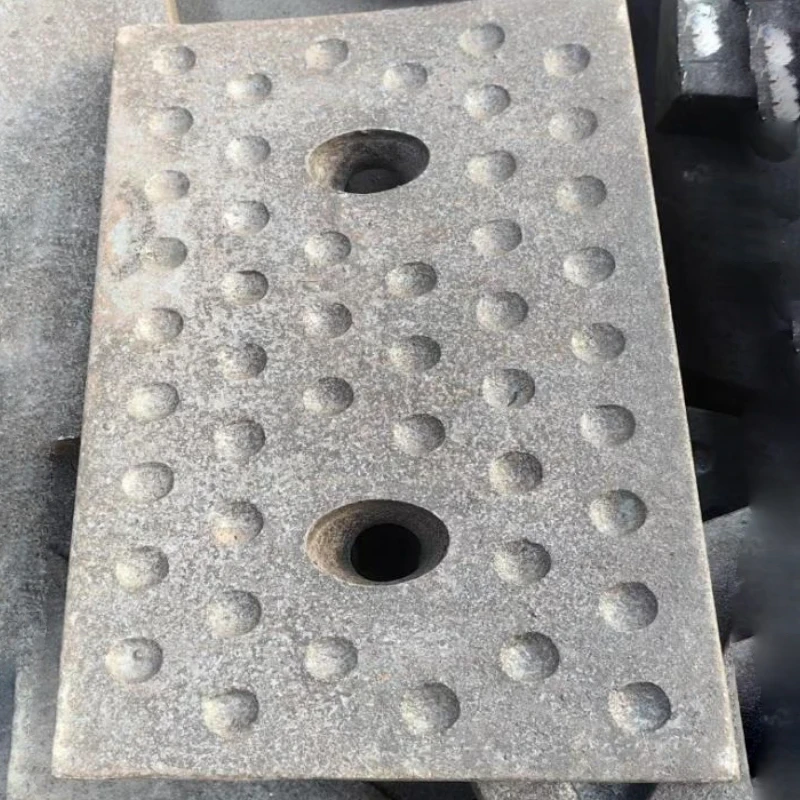
A full range of high-chromium cast solutions designed to meet the diverse needs of the Romanian manufacturing and mining sectors.

Common Inquiries on Grinding Media in Romania

Technical guidance and procurement answers for industrial milling operators.

What are the benefits of high chromium cast grinding balls over forged steel?

High chromium cast media provides significantly higher hardness and superior wear and corrosion resistance. This results in lower consumption rates, fewer mill shutdowns, and higher overall productivity compared to forged steel.

How do I choose the correct chrome content for my specific application?

The choice depends on the material hardness and corrosion levels. We offer a range from 1% to 30% chrome; typically, higher chrome is used for maximum wear resistance, while lower chrome may be balanced for toughness.

Why is the hardness range critical for the first and second chambers?

First chambers require a combination of impact and wear resistance (57-66 HRc) for crushing feed material. Second chambers focus on attrition, requiring higher hardness (60-69 HRc) to ensure efficient fine grinding.

How does optimizing ball media reduce the carbon footprint in Romania?

By using high-efficiency ball mill media, plants reduce energy consumption per ton of material processed and decrease the frequency of material transport and replacement.

Can these grinding balls be customized for specific Romanian ore types?

Yes, our grinding media is tailor-made for each application. We determine the optimal alloying options after conducting technical analysis and test work on the specific raw materials being processed.

What certifications ensure the quality of the cast grinding media?

We are a certified ISO 9001 company, ensuring that every batch of high chromium wear-resistant materials meets strict quality control standards for hardness, toughness, and spherical precision.

Ready to Optimize Your Milling?

Contact our technical team to find the perfect grinding media solution for your industrial operations in Romania.

Request a Technical Analysis