


Market Analysis
Grinding Media Landscape in Sri Lanka
Analyzing the intersection of geological requirements and industrial processing capabilities in the region.
Sri Lanka's industrial sector, particularly in cement production and mineral quarrying, relies heavily on efficient comminution processes. The geological composition of local ores and limestone varies, requiring grinding media that can handle different levels of abrasiveness. Currently, the market is transitioning from basic forged steel balls to more advanced ball milling balls that offer higher wear resistance and longer operational life. The demand is driven by the need to reduce the carbon footprint and operational costs in energy-intensive milling circuits.
Recent market trends show an increasing preference for high-chromium cast alloys over carbon steel. Operators are prioritizing "doing more with less," which manifests as a shift toward media that maintain their spherical shape for longer periods. This trend is fueled by the adoption of more precise flotation processes and the need for tighter control over the final product gradation. There is also a growing emphasis on reducing the frequency of mill shutdowns for media replenishment, as labor and equipment availability become critical constraints.
The outlook for the Sri Lankan market suggests a consolidation toward specialized solution providers who can offer technical analysis alongside product supply. Constraints such as fluctuating energy costs and strict environmental regulations are pushing companies to optimize their mill productivity. The opportunity lies in the implementation of tailor-made grinding media that can specifically address the hardness of local feed materials, thereby improving metal recovery rates and reducing the overall cost per ton of processed material.
Industry Evolution
The Journey of Grinding Technology
From basic crushing to precision metallurgical engineering for maximum wear resistance.
Early Phase
Standard Forging
Industry relied on basic forged steel balls. While strong, they suffered from rapid wear and inconsistent hardness, leading to high replacement rates and unstable mill performance.
Growth Phase
Alloy Integration
Introduction of chromium alloys began to solve the corrosion problem. The industry moved toward cast media, providing a better balance between hardness and surface stability.
Current Phase
Precision Tailoring
Focus has shifted to tailor-made ball mill media with specific chrome content and hardness profiles to match unique ore characteristics.
The Shift to High-Chrome Matrices
The move toward chrome content up to 30% is not just about hardness, but about creating a microstructure that resists chemical erosion. This allows the balls to maintain their volume and shape, which is essential for consistent grinding kinetics over time.
Optimizing Primary vs. Secondary Chambers
Modern mills now use a differentiated media strategy. High-impact, medium-hardness balls are used for the initial break, while ultra-hard, smaller spheres handle the final attrition, maximizing the energy efficiency of the entire circuit.
Environmental Impact Reduction
Reducing the wear rate of grinding media directly translates to lower steel consumption and fewer shipments, reducing the overall carbon footprint of the mining operation—a key priority for sustainable industrial growth.
Future Outlook
Trends Shaping the Grinding Industry
How technology and economics are driving the next generation of wear-resistant materials.
Predictive Wear Analysis
Integration of sensors and data to predict exactly when media replenishment is needed, moving from scheduled to condition-based maintenance.
Ultra-High Chromium Alloys
Development of alloys exceeding 30% chrome to handle the most abrasive minerals, further reducing the cost-per-ton of grinding.
Energy-Efficient Milling
Designing media shapes and densities that maximize the kinetic energy transfer, directly lowering the electricity consumption per mill rotation.
Customized Metallurgical Profiles
Moving away from "one size fits all" to specific hardness gradients within a single ball to optimize both impact and attrition.
The integration of advanced metallurgical analysis is transforming how operators view grinding media. Instead of seeing them as consumables, they are now viewed as critical performance components. By adjusting the chrome content and hardness (HRc) based on the specific abrasive nature of the feed, plants can achieve a significant reduction in the total cost of ownership. This approach involves rigorous test work and technical analysis to ensure the media's wear profile matches the mill's operational dynamics.
Furthermore, the push for sustainability in the Asia-Pacific region is driving innovation in casting technologies. Reducing casting defects and improving the homogeneity of the high-chromium matrix not only prevents premature ball breakage but also ensures that the energy used in the milling process is utilized effectively. The goal is to maximize metal recoveries through optimization of the grinding stage, ensuring the downstream flotation processes receive a perfectly graded feed.
Application Contexts
Real-World Applications in Sri Lanka
How our high-chromium media performs across diverse industrial settings.
01
Primary Crushing in Limestone Quarries
In the first chamber of large-scale limestone mills, the focus is on crushing large feed materials. Using 100mm-140mm balls with 10-28% chrome and 57-66 HRc provides the necessary potential energy for crushing while maintaining high impact resistance to prevent breakage under heavy load.
02
Fine Grinding for Cement Production
Cement plants require a very fine and consistent powder. In the second chamber, small 15mm-60mm balls with high chrome (up to 30%) and hardness (60-69 HRc) are employed. This maximizes the attrition surface area, ensuring the final cement quality meets strict industrial standards.
03
Corrosive Mineral Processing
When processing minerals that create an acidic slurry, standard steel balls corrode quickly. Our high-chromium cast grinding media form a passive oxide layer that prevents chemical degradation, maintaining the ball's mass and efficiency throughout the grinding cycle.
04
Hard Rock Mining Applications
For exceptionally hard ores, the priority is abrasive wear resistance. By optimizing the carbide distribution in our high-chrome alloy, we ensure the surface hardness remains constant, preventing the "flattening" of the balls and maintaining high grinding rates.
05
Energy-Constrained Mill Operations
For operators looking to reduce electricity costs, we provide a customized media charge. By optimizing the ratio of large to small balls, we reduce the energy required to achieve the target fineness, effectively lowering the carbon footprint of the plant.
Operator Perspectives
Representative Use Cases
Illustrative scenarios showing the operational impact of upgrading to high-chromium media.
In high-capacity cement milling, switching to tailor-made high-chrome balls significantly reduced the frequency of media replenishment. The consistency in hardness ensured that the mill throughput remained stable, reducing energy spikes and improving overall plant availability.
For mineral processing with corrosive slurries, the transition to high-chromium cast media stopped the rapid degradation seen with forged steel. This led to a more consistent final product gradation and a noticeable reduction in the volume of media required per month.
Implementing a dual-chamber media strategy with differentiated sizes and hardness levels improved the crushing efficiency in the first stage. This optimization allowed for a reduction in total mill run-time, directly lowering electricity costs per ton of material.
Our Heritage
About Shijiazhuang Chengda
A legacy of innovation in wear-resistant materials for the global grinding industry.
2007
Company Incorporation
Shijiazhuang Chengda Wear-resistant Materials Co., LTD. was founded by Mr. Zhao Wenliang, establishing a foundation for specializing in high-chromium wear-resistant materials for the mining and cement industries.
2010
Operational Expansion
The company extended its business operations and moved to the Huangbizhuang Town Industrial area to scale production capacity and improve manufacturing logistics.
2013
Technical Breakthroughs
Chengda obtained critical processing technologies for "Ultra High Chromium Grinding Balls" and specialized high-wear resistance cast iron grinding balls for the mining sector, setting new benchmarks in quality.
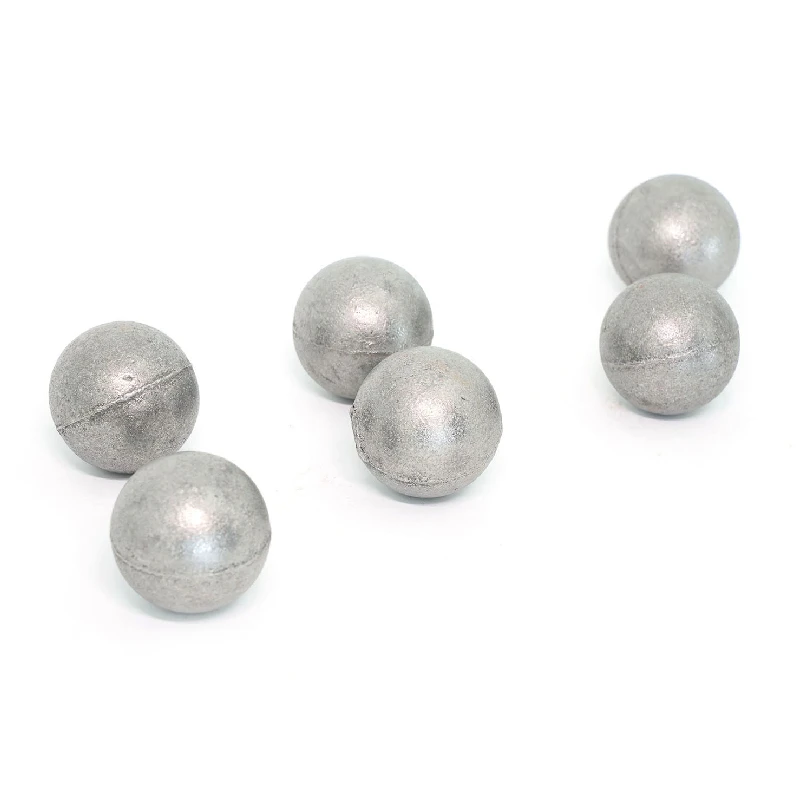
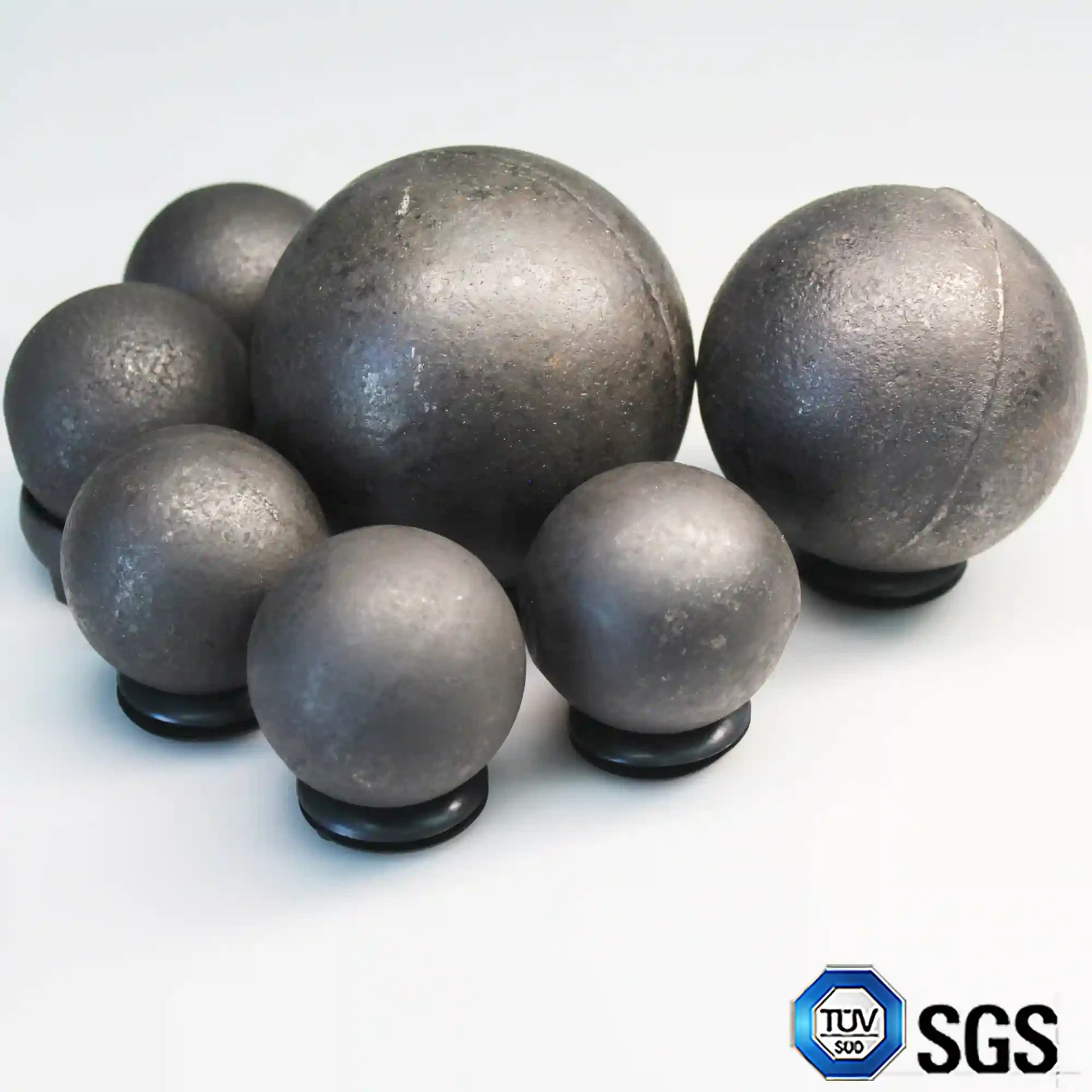
Low Chromium Grinding Balls
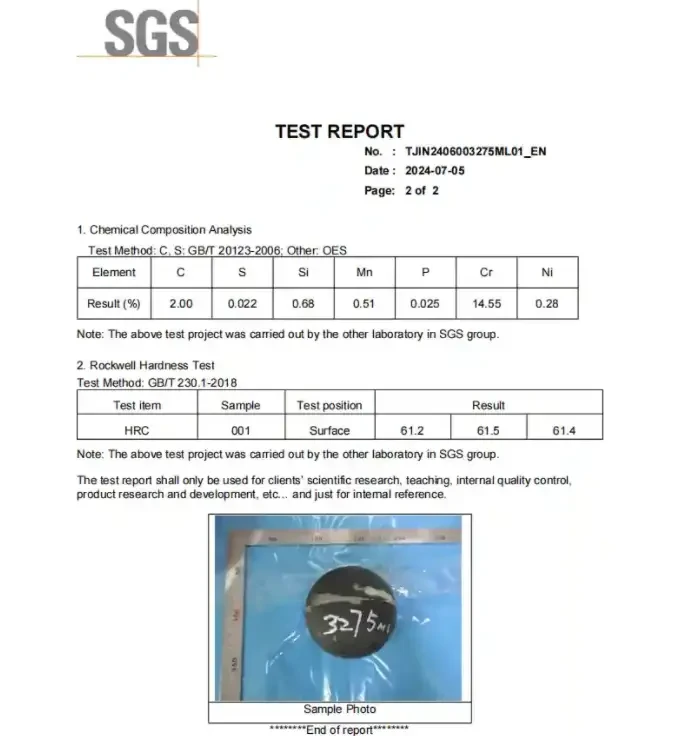
Company qualification certification
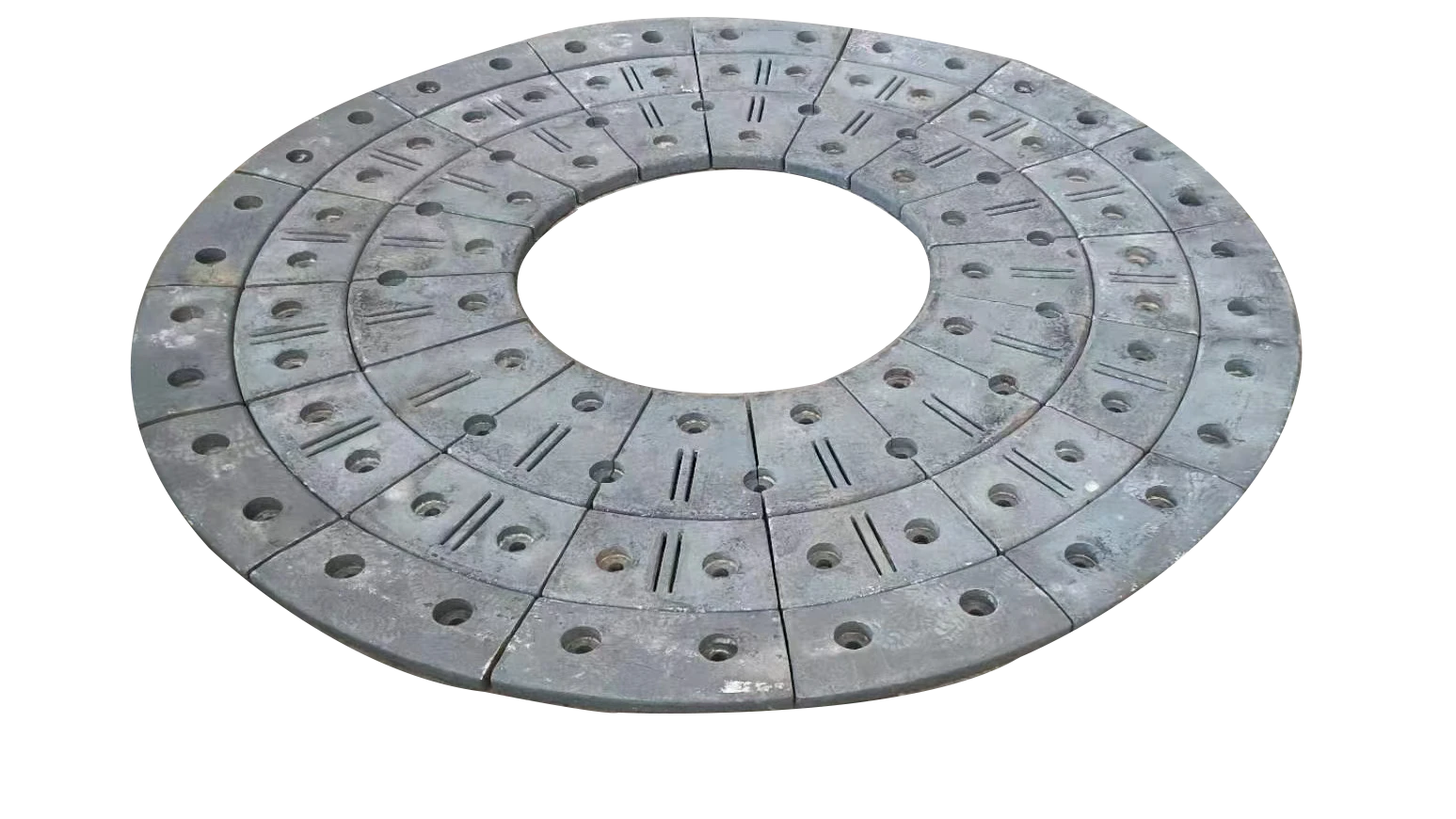
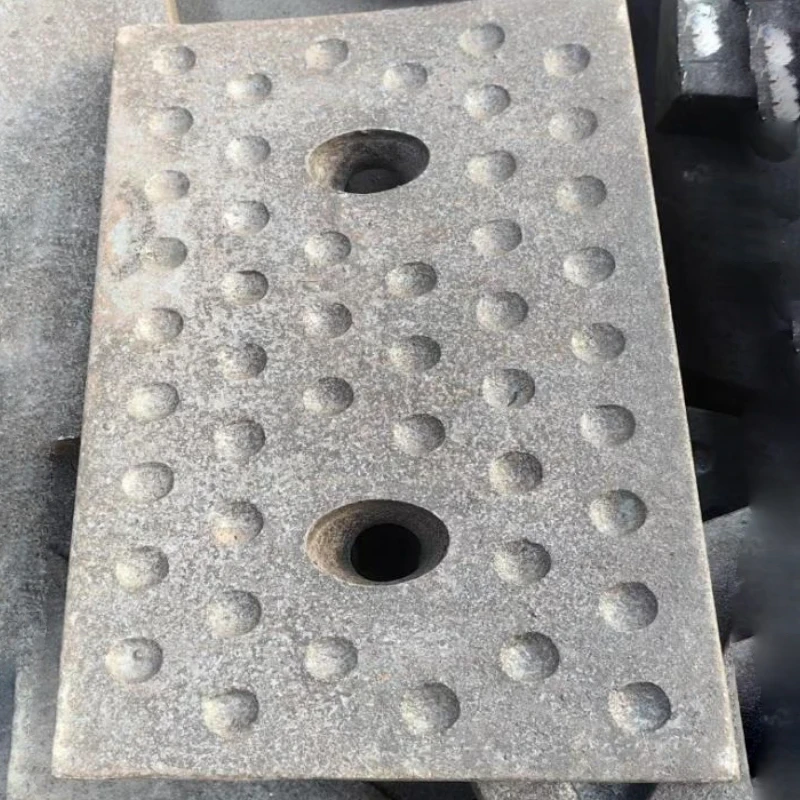
High chromium alloy liner
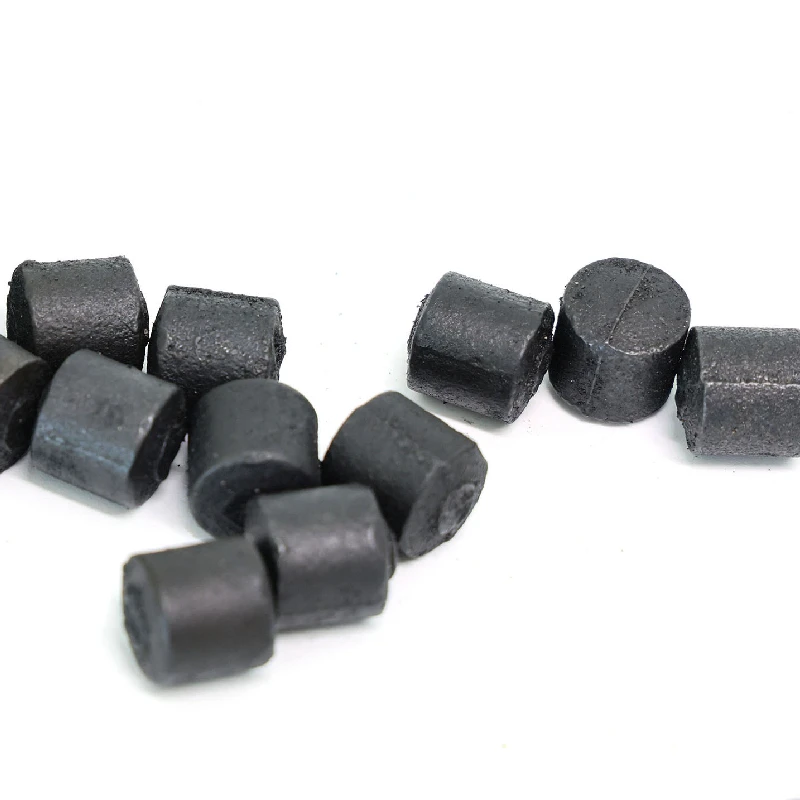
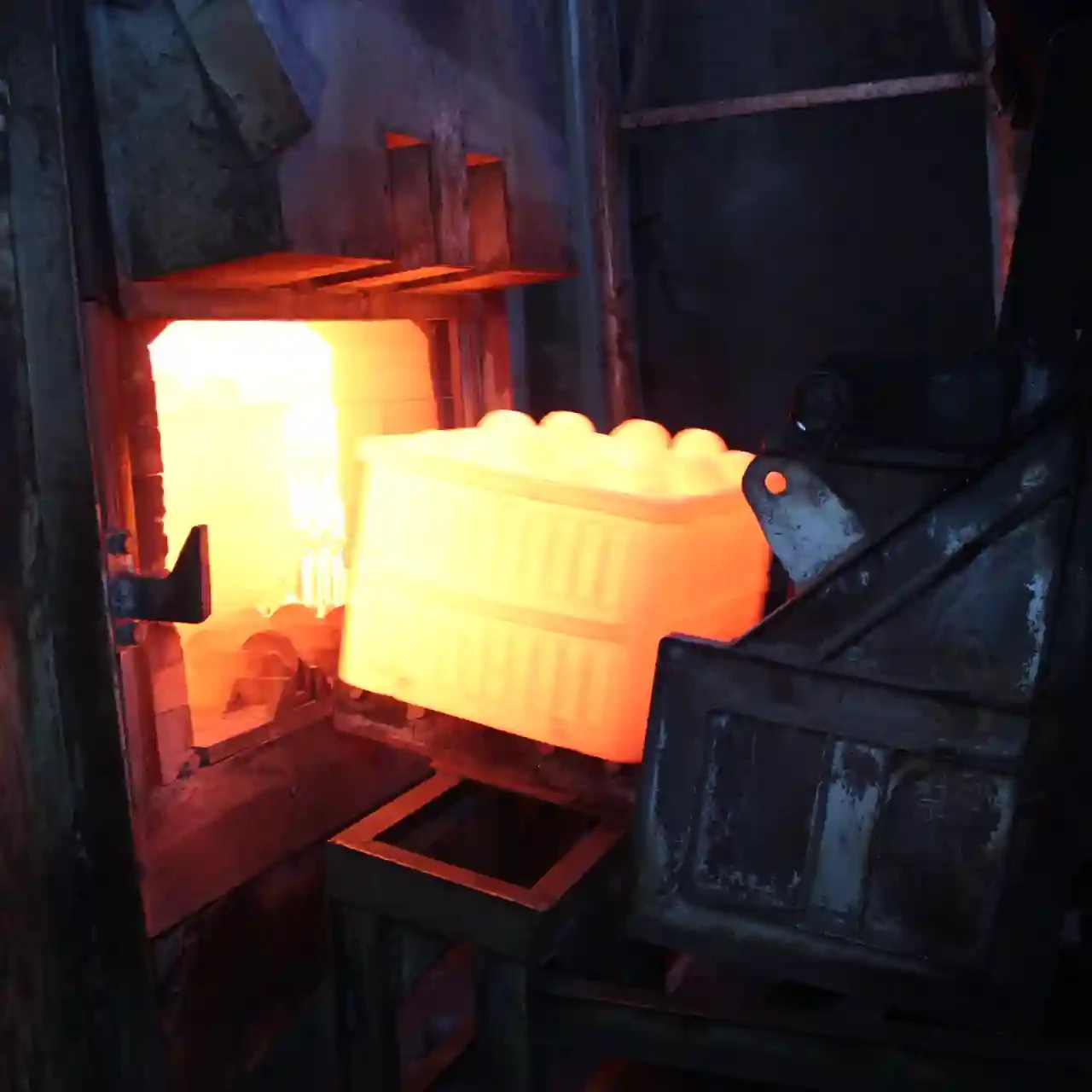
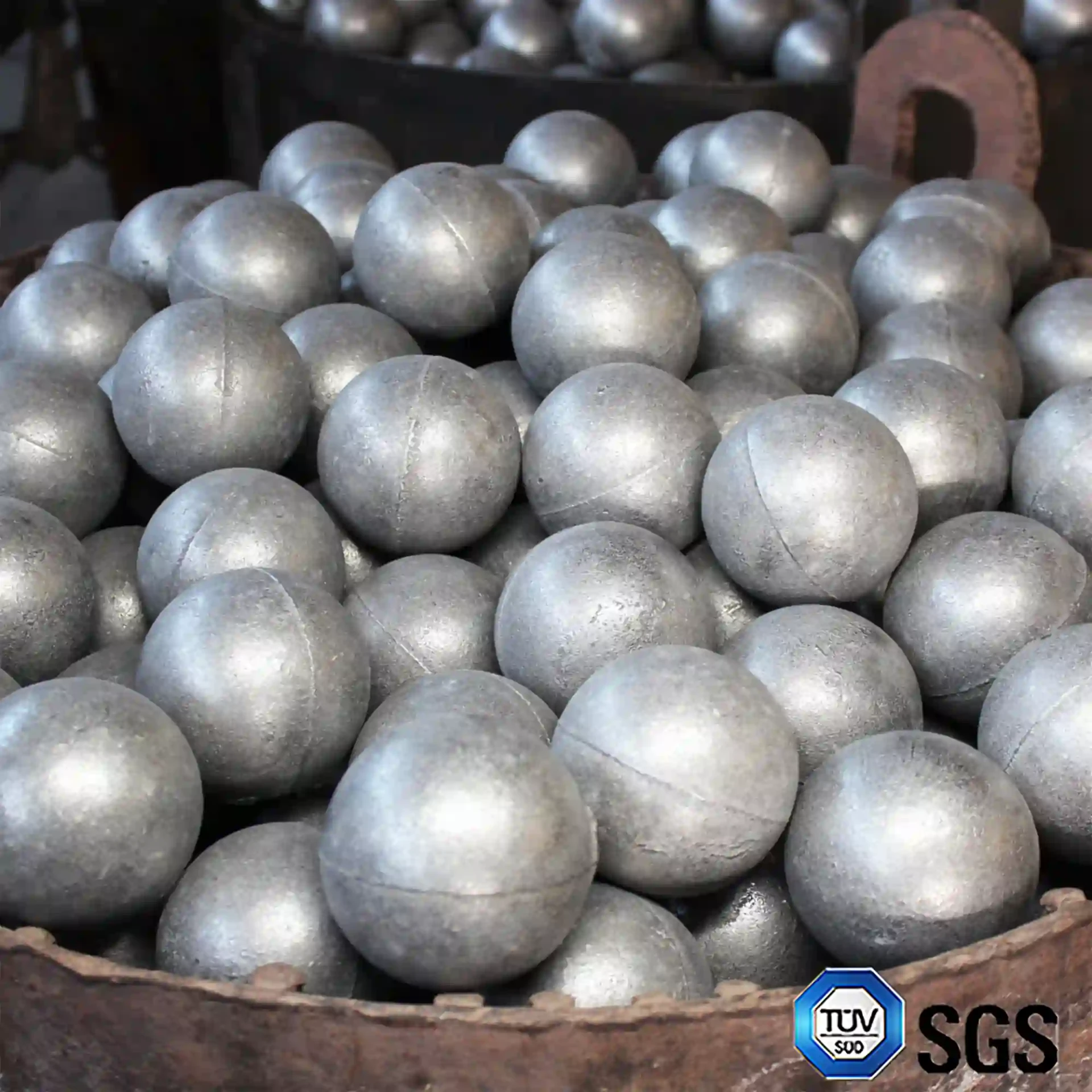
High chromium grinding steel forging
Technical Support
Frequently Asked Questions
Expert answers to common queries regarding grinding media selection and performance.
What is the primary advantage of high chromium grinding balls over forged steel?
The primary advantage is the significantly higher resistance to both abrasive and corrosive wear. High chromium balls form a hard carbide matrix that prevents the media from wearing down quickly. In practical terms, this means longer intervals between refills and a more consistent spherical shape, which maintains grinding efficiency and reduces the overall cost per ton of processed material compared to carbon steel alternatives.
How do I choose the correct chrome content for my specific milling application?
Selection depends on the balance between impact and abrasion. For primary crushing where impact is high, a lower chrome range (e.g., 10-20%) is often used to ensure toughness. For fine grinding where abrasion and corrosion dominate, higher chrome content (up to 30%) is preferred. We recommend conducting a technical analysis of your feed material's hardness and the slurry's chemistry to determine the optimal alloy composition.
Can high chromium balls be used in both the first and second chambers of a mill?
Yes, but they should have different specifications. The first chamber requires larger balls (up to 140mm) with a focus on impact resistance (57-66 HRc). The second chamber requires smaller balls (down to 15mm) with maximum hardness (60-69 HRc) to facilitate attrition grinding. Using the same specification for both can lead to either excessive breakage in the first chamber or poor grinding efficiency in the second.
What impact does grinding media hardness (HRc) have on energy consumption?
Hardness directly affects the energy transfer during impact. If the media is too soft, they deform, absorbing energy without crushing the material. If they are too hard without sufficient toughness, they may shatter. Correctly matched hardness ensures the maximum amount of kinetic energy is transferred to the feed material, which reduces the total mill run-time and lowers electricity costs.
How does the use of cast grinding balls affect the lifespan of mill liners?
High-quality cast balls with controlled toughness reduce the risk of ball breakage. When balls shatter, the resulting jagged fragments can cause localized high-stress points on the mill liners, accelerating liner wear. By using media with optimized toughness and hardness, you maintain a more uniform wear pattern on the liners, thereby extending the overall maintenance cycle of the mill.
What are the next steps to implement a tailor-made grinding media solution?
The process begins with a technical audit of your current milling circuit, including an analysis of feed material hardness, current media wear rates, and target final gradation. Once this data is collected, we perform test work to determine the ideal chrome content and hardness profile. Finally, we provide a tailored size distribution plan to optimize the grinding efficiency of your specific mill setup.
Optimize Your Production
Ready to Reduce Your Wear Costs in Sri Lanka?
Whether you are operating a cement plant or a mineral quarry in Sri Lanka, the right grinding media can significantly lower your energy expenses and increase output. Our technical team is ready to help you analyze your milling circuit and design a high-chromium solution that maximizes efficiency and minimizes downtime. Contact us today to discuss your specific requirements and request a technical consultation.
Discuss Your Requirements


