

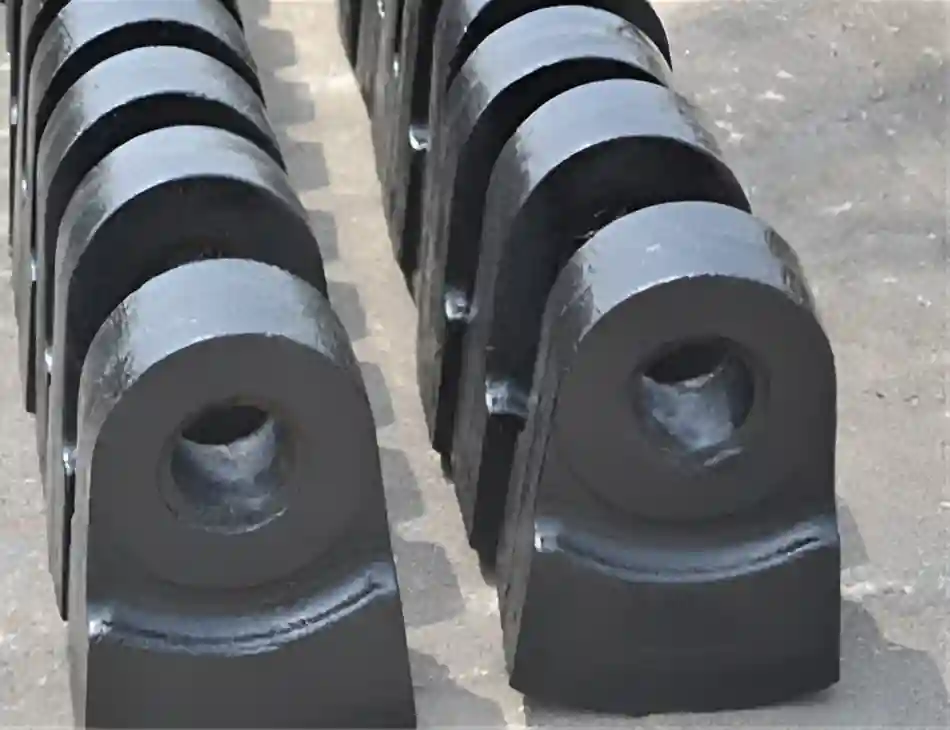

Industrial Grinding Solutions for Ball Mills
Explore our range of ball mill balls designed for maximum impact and wear durability.
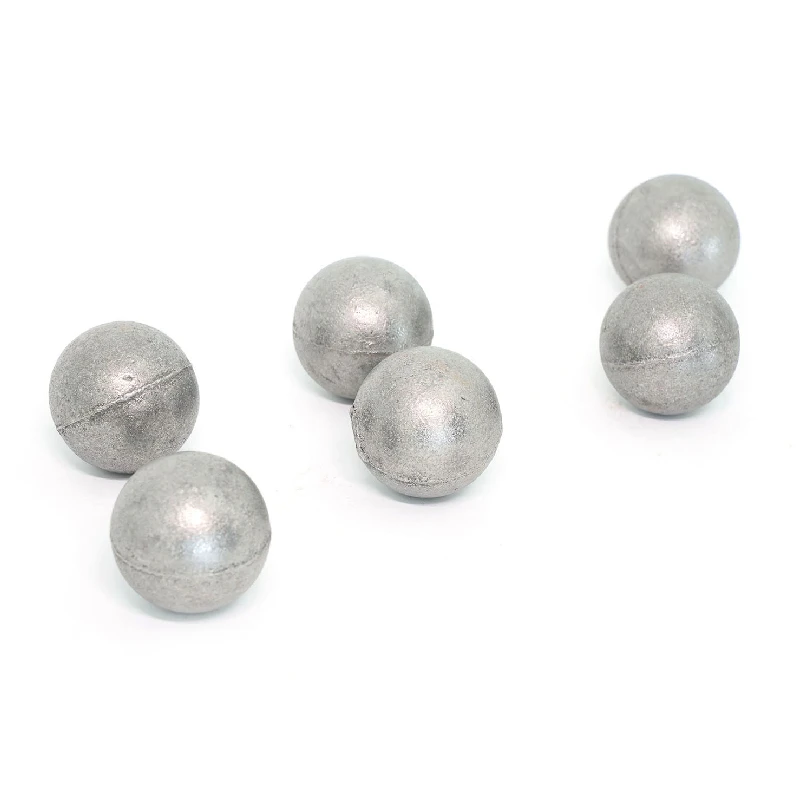
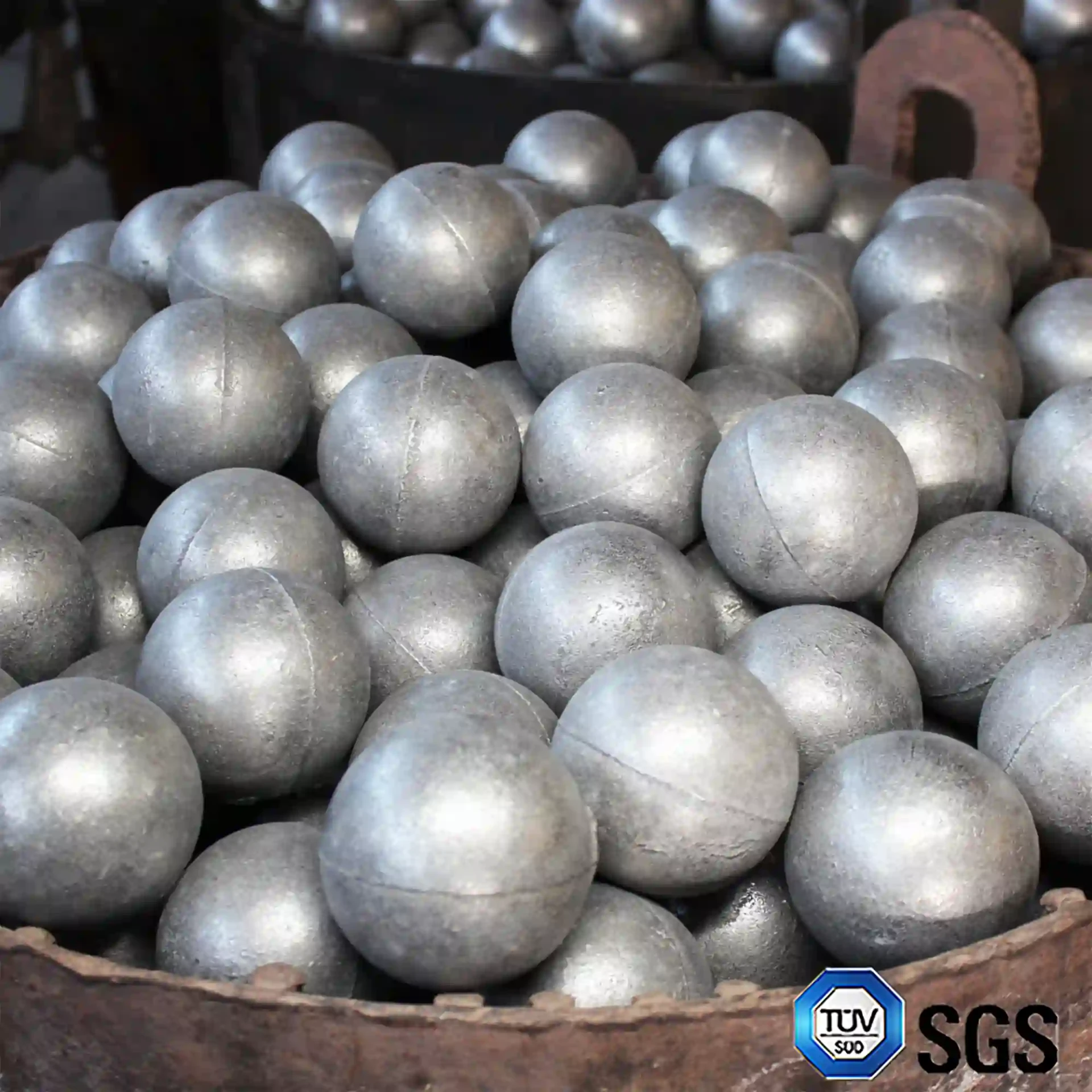
Mine Special High Chromium Alloy Cast Iron Grinding Ball
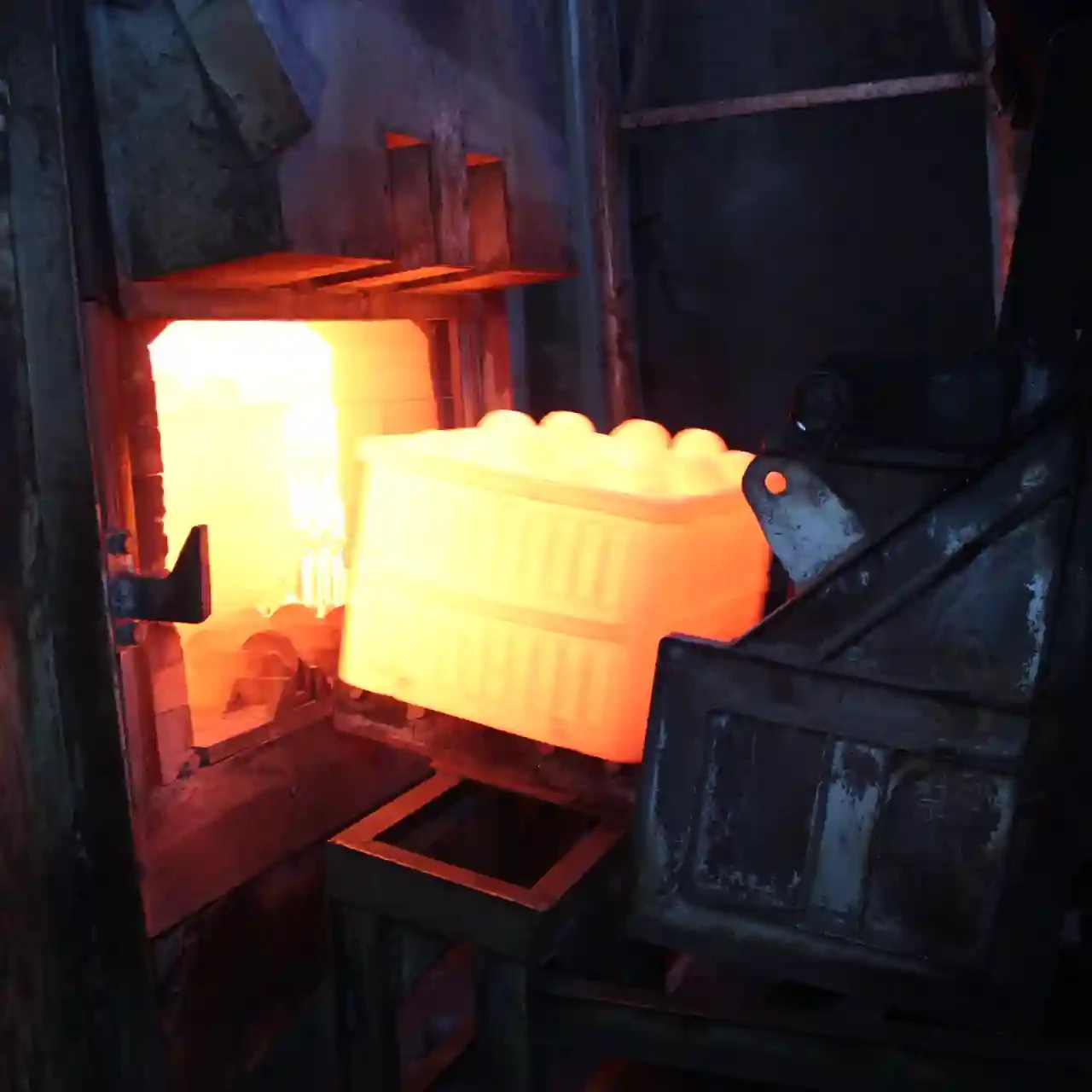
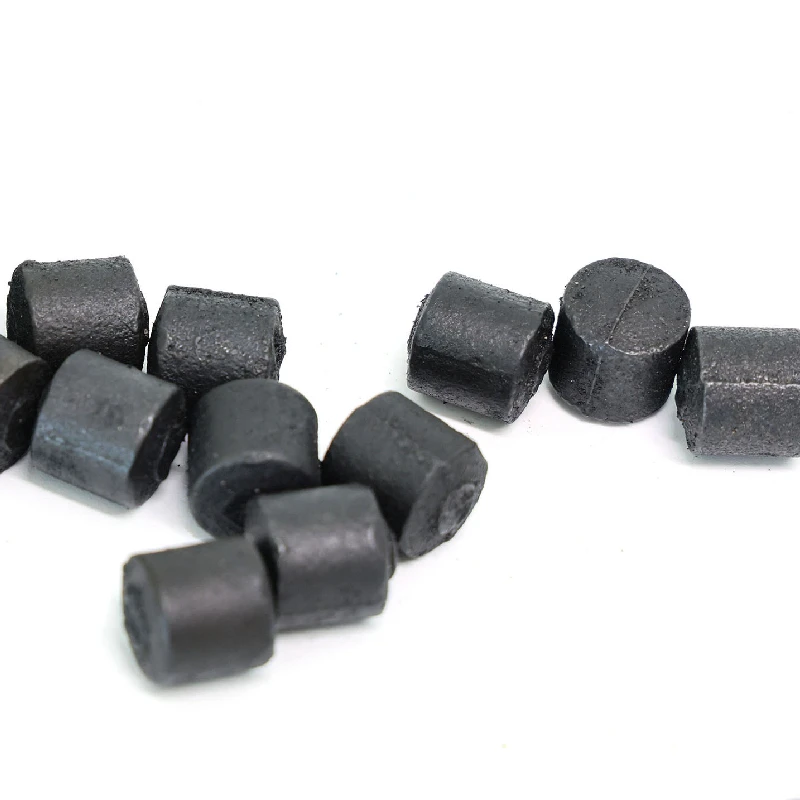
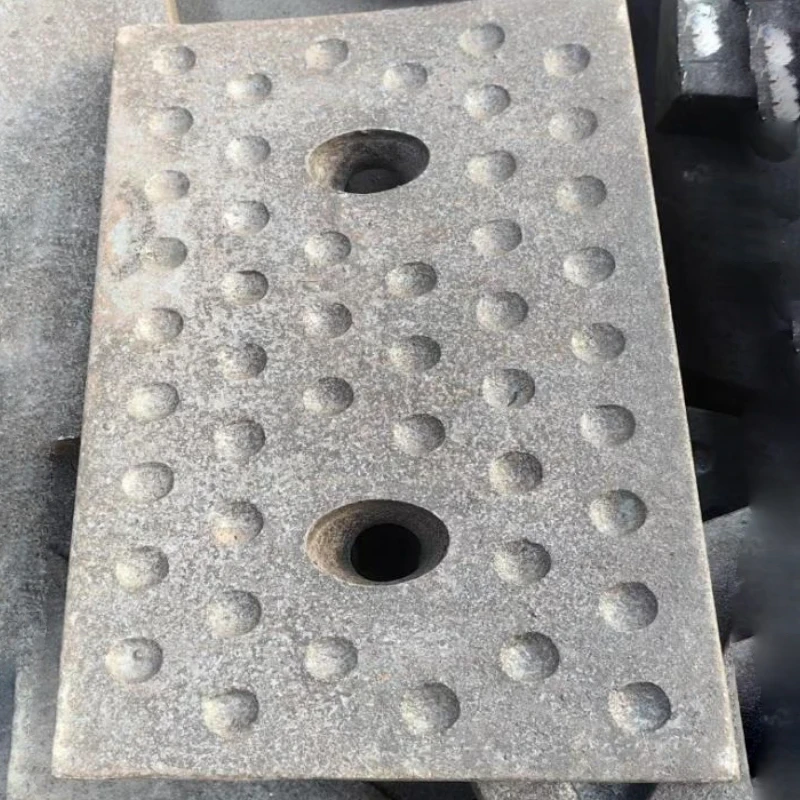
Low Chrome Grinding Forging
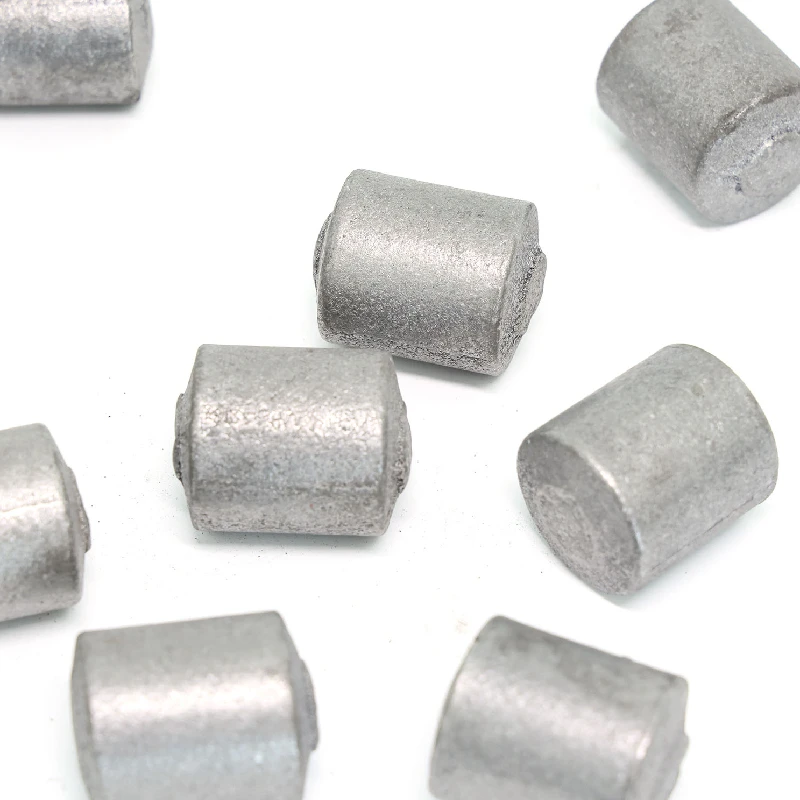
Low Chromium Grinding Balls
Optimizing Grinding Efficiency in Morocco
Analyzing the operational requirements of the Moroccan mineral processing and cement industries.
Morocco's diverse geological landscape, particularly in phosphate and metallic mineral extraction, demands ball mill grinding media that can withstand highly abrasive environments. The regional focus on increasing mineral recovery rates requires media with precise hardness and wear characteristics to maintain optimal gradation.
Local operators often face the challenge of balancing energy consumption with mill throughput. By implementing high chromium cast grinding balls, facilities can reduce the frequency of mill shutdowns for media replenishment, thereby improving overall equipment availability and lowering the carbon footprint per ton of processed material.
Procurement in the Moroccan industrial sector is shifting toward "total cost of ownership" rather than initial purchase price. This transition emphasizes the value of high-alloy materials that offer lower wear rates, reducing the overall consumption of ball mill media and decreasing the operational intensity for maintenance crews.
Evolution of Grinding Technology
From traditional cast iron to advanced high-chromium alloy engineering.
Market Development History
-
Early Adoption Stage
Utilization of standard forged steel and basic cast iron media, focusing primarily on material hardness without significant corrosion resistance. -
Standardization Stage
Introduction of consistent alloy compositions and ISO-certified manufacturing processes to ensure predictable wear rates across different mill chambers. -
Performance Optimization Stage
Shift toward tailor-made high chromium alloys (1% to 30% Cr) designed specifically for the chemical and physical properties of the feed material.
Future Development Trends
- Energy Efficiency — Developing media with optimized density and shape to reduce the power consumption of the mill motor.
- Customization — Utilizing technical analysis to adjust chrome content based on the specific corrosivity of the ore.
- Sustainability — Reducing the metal consumption rate to minimize the environmental impact of media production and disposal.
Strategic Trends in Grinding Media
Key drivers shaping the next generation of milling operations.
Material Science
Increasing use of high-chromium alloys to balance hardness (up to 69 HRc) with toughness to prevent ball breakage.
Operational Cost
Focus on reducing "wear cost per ton" by increasing the service life of the ball milling balls.
Procurement Logic
Transition toward strategic partnerships with manufacturers who provide technical analysis and tailor-made alloys.
Carbon Footprint
Reducing energy waste by optimizing the grinding kinetics and media gradation in the mill chambers.
Industry Outlook for Mineral Processing
The future of the grinding industry lies in the synergy between metallurgy and operational data. As Morocco continues to expand its mining capacity, the demand for specialized ball mill media will shift from general-purpose products to application-specific solutions that maximize metal recovery during flotation.
We anticipate a stronger emphasis on "precision grinding," where the chrome content and hardness are calibrated to the specific mineral hardness of the feed, resulting in higher mill productivity and significantly reduced downtime for ball repair.
Localized Application Scenarios
Practical implementations of high-chromium grinding media in industrial settings.
1
Primary Crushing Chamber
In the first chamber, large balls (60mm to 140mm) with 10%-28% Chrome and 57-66 HRc hardness are used to impart high potential energy for crushing coarse feed material.
2
Secondary Attrition Grinding
Small balls (15mm to 60mm) with higher chrome (10%-30%) and hardness (60-69 HRc) are deployed in the second chamber to ensure a fine and consistent final product gradation.
3
Phosphate Processing Plants
Application of corrosion-resistant high chromium media to handle the chemical nature of phosphate ores, preventing premature media degradation and maintaining throughput.
4
Cement Clinker Milling
Utilizing high-wear-resistant cast balls to grind abrasive clinker, reducing the frequency of mill openings and lowering labor intensity for maintenance.
5
Metallic Ore Flotation Preparation
Implementing optimized grinding media to achieve the precise particle size required for the flotation process, directly improving the recovery rate of precious metals.
The Legacy of Shijiazhuang Chengda
Over two decades of innovation in wear-resistant materials.
07
2007
Company Incorporation
Shijiazhuang Chengda Wear resistant materials Co.,LTD. was formally incorporated by Mr. Zhao Wenliang, establishing a foundation for specialized wear material production.
10
2010
Industrial Expansion
Business operations were expanded and relocated to Huangbizhuang Town Industrial zone to increase production capacity and improve logistics.
13
2013
Technical Breakthroughs
Obtained key patents and processing technologies for "Ultra High Chromium Grinding Balls," setting new benchmarks for mining-grade wear resistance.
Custom Grinding Media Solutions for Morocco
Tailor-made alloy options from 1% to 30% Chrome to match your specific milling application.
Grinding Media Technical FAQ
Expert answers on selection, application, and maintenance of grinding balls.
How do I choose the right chrome content for my ball mill balls?
The chrome content (ranging from 1% to 30%) should be selected based on the abrasiveness and corrosivity of your material. Higher chrome generally increases hardness and corrosion resistance, which is ideal for the second chamber of the mill where attrition grinding occurs.
What is the advantage of using cast grinding balls over forged steel?
High chromium cast grinding balls offer superior wear and corrosion resistance. Their metallurgical structure allows for higher surface hardness, which reduces the consumption rate and maintains a more consistent gradation of the media over time.
Can these grinding media be used in Moroccan phosphate mining?
Yes. Our high chromium alloys are specifically designed to be impact and corrosion resistant, making them suitable for the challenging chemical environments found in phosphate and other mineral processing plants in Morocco.
How does ball hardness affect mill productivity?
Optimal hardness (57-69 HRc) ensures that the balls do not deform or wear down too quickly. When the media maintains its size and shape, the grinding efficiency is maximized, reducing energy consumption and increasing the hourly output of the mill.
What sizes of grinding media are available for different mill chambers?
We manufacture sizes ranging from 15mm to 140mm. Generally, balls from 60mm to 140mm are used in the first chamber for primary crushing, while 15mm to 60mm balls are used in the second chamber for fine grinding.
Why is ISO 9001 certification important for grinding media?
ISO 9001 certification ensures that the manufacturing process is standardized. For grinding media, this means consistent alloy composition and hardness across every batch, which is critical for predictable mill performance and quality control.
Consult Our Technical Experts for Your Project
Looking to optimize your milling operations in Morocco? Contact us to discuss your specific alloy requirements and material analysis for improved productivity.
Contact Us Now


