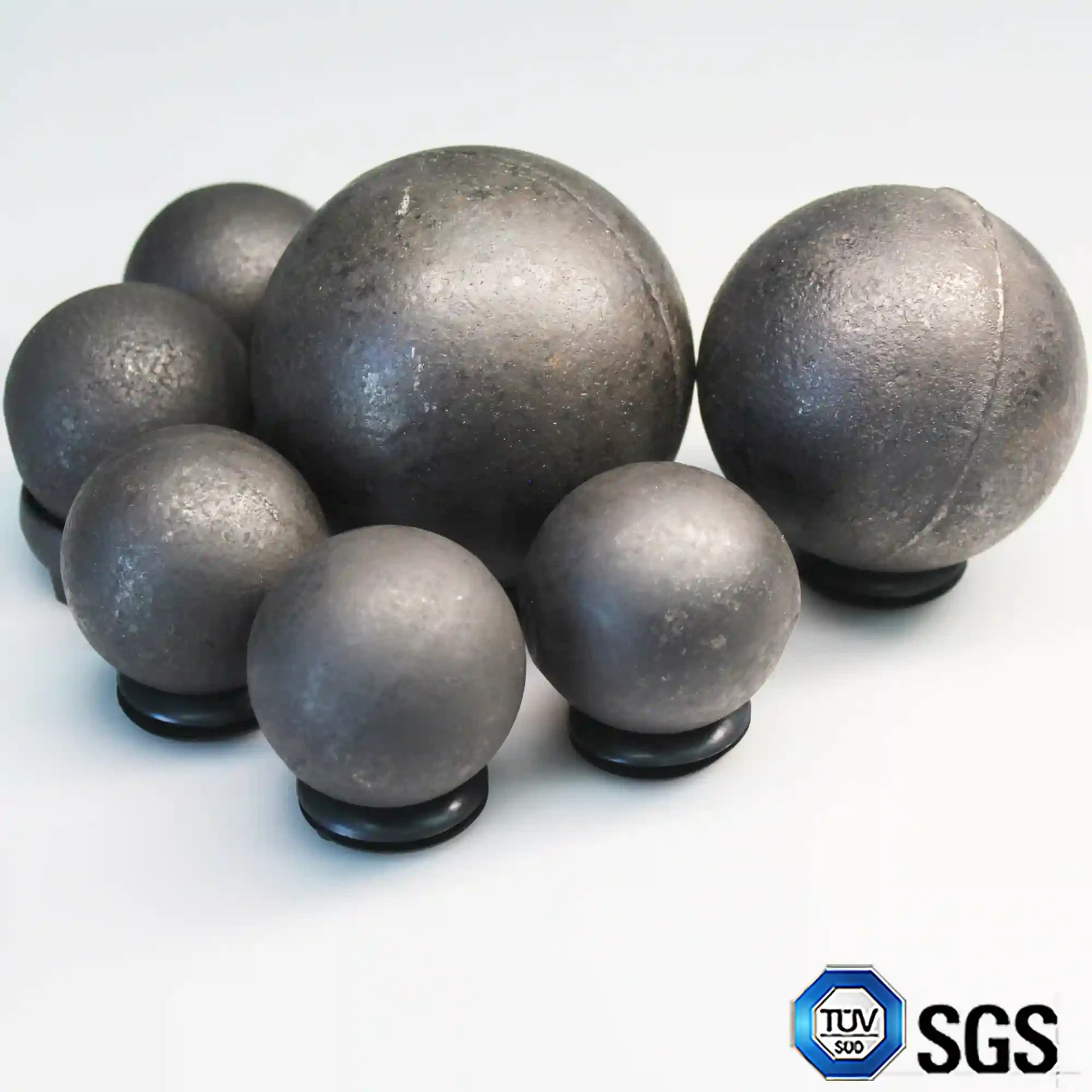
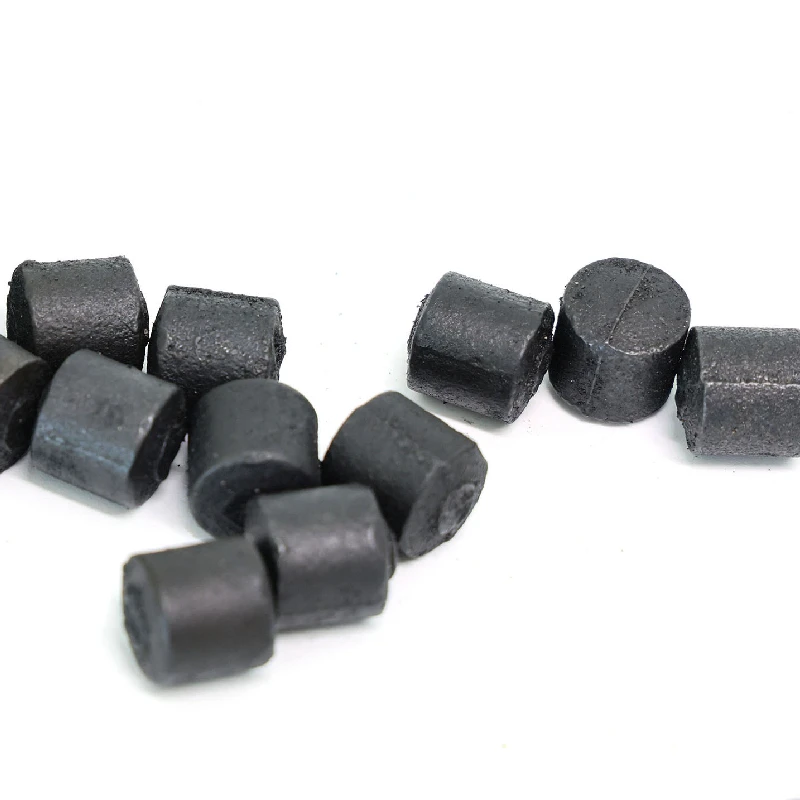
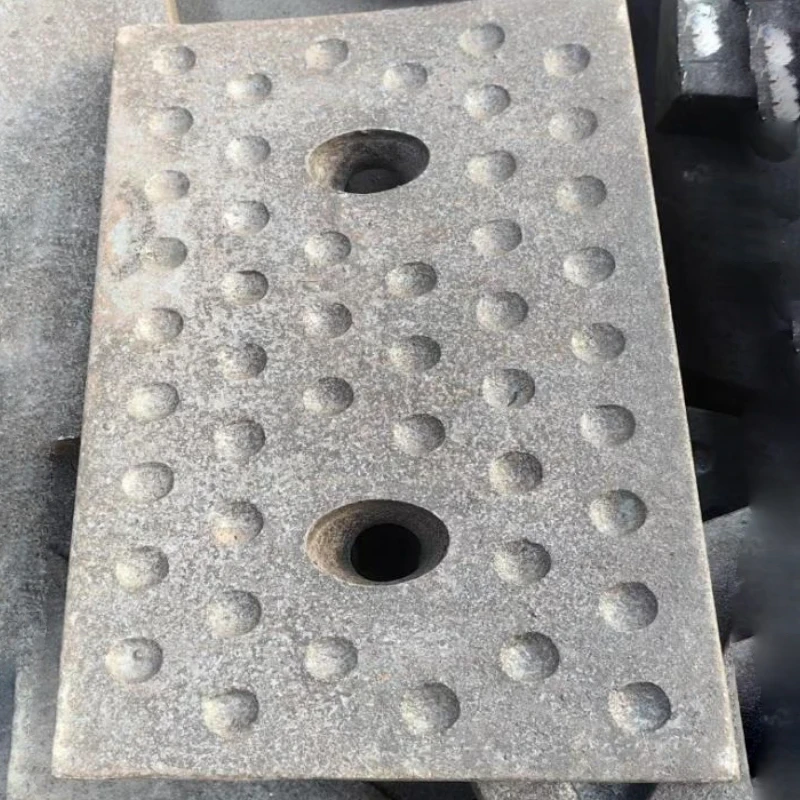
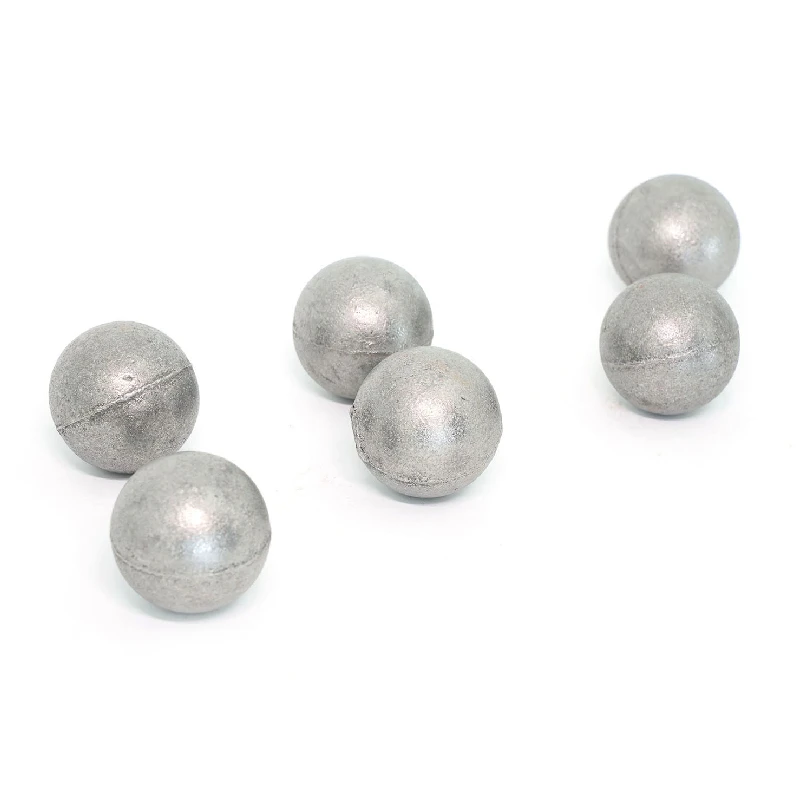
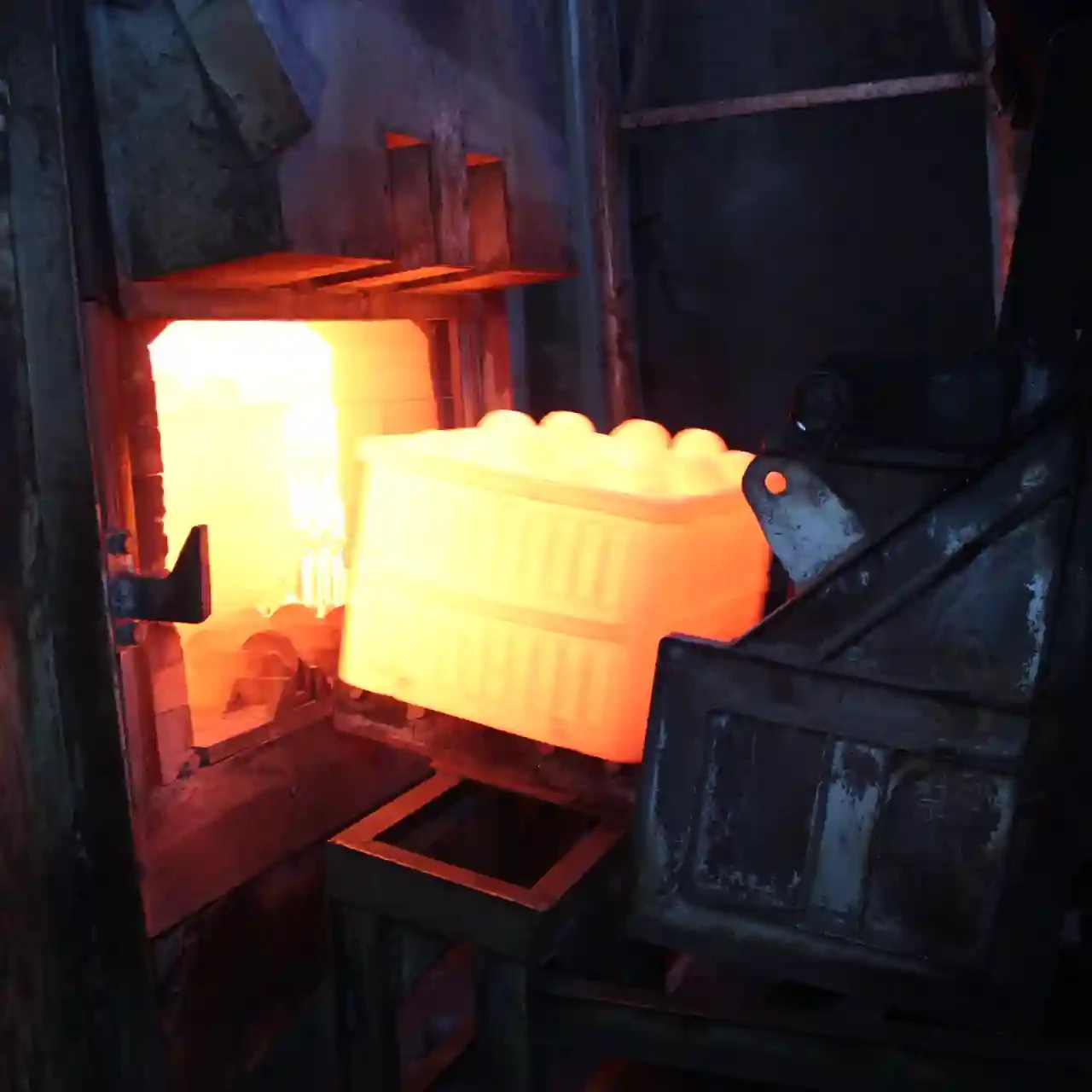
High-Performance Ball Mill Grinding Media for New Zealand Industry

Optimizing mineral processing and cement production across Oceania with precision-engineered cast grinding balls for maximum wear resistance.

Tailored Grinding Solutions for Heavy-Duty Milling

Providing New Zealand's mining and quarry sectors with high-chromium wear-resistant materials designed to reduce energy consumption and enhance mill productivity.

Analyzing Grinding Media Demand in New Zealand

Understanding the unique requirements of the Oceania mineral processing landscape.

The industrial landscape in New Zealand focuses heavily on high-efficiency resource extraction and construction material production. Local operations in the mining and cement sectors require ball mill grinding media that can withstand varied ore hardness while maintaining a consistent size distribution to ensure product quality.

Procurement patterns in the region emphasize long-term operational reliability and the reduction of downtime. Businesses are increasingly shifting away from generic consumables toward tailor-made alloy options that match the specific chemical composition of their feed material, aiming to lower the overall carbon footprint by reducing energy waste.

A primary challenge for local operators is the balance between impact toughness and abrasive wear resistance. Many facilities struggle with premature media breakage in the first chamber or inefficient attrition in the second, creating a significant opportunity for high-chromium cast solutions that offer optimized hardness ranges.
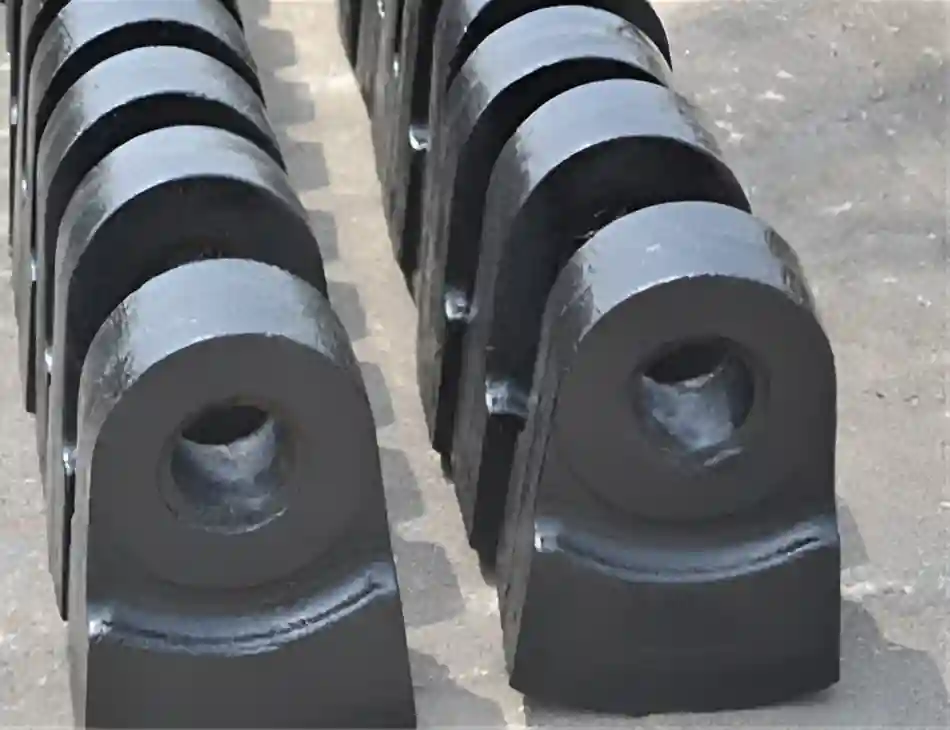
Evolution of Casting Technology and Application

From basic cast iron to advanced ultra-high chromium alloys.

Milestones in Wear-Resistant Engineering

2007 — ENTERPRISE FOUNDATION
Shijiazhuang Chengda Wear Resistant Materials Co., Ltd. was established, focusing on the fundamental design of wear-resistant materials for industrial grinding.

2010 — CAPACITY EXPANSION
The business expanded its operations to the Huangbizhuang Town Industrial area to enhance production scale and servicing capabilities.

2013 — TECHNOLOGICAL BREAKTHROUGH
The company achieved critical intellectual property milestones in Ultra High Chromium Grinding Ball and Processing Technology, specifically for high-wear mining applications.

Future Directions for Grinding Efficiency

1. Carbon Footprint Reduction

Optimization of ball mill balls to reduce power consumption per ton of material, directly supporting New Zealand's environmental sustainability goals.

2. Precision Alloying

Moving toward dynamic chrome content adjustments (1% to 30%) based on real-time technical analysis of ore abrasion rates in regional quarries.

3. Lifecycle Extension

Developing media with enhanced surface hardness that improves during use, extending the clearance cycle and reducing worker labor intensity.

Global Trends in Metal Casting and Grinding

The shift toward intelligent material selection and high-durability alloys.

⚡
High-Chrome Casting
Utilizing 10%–30% chrome content to ensure a balance of impact resistance and hardness.
🤖
Application-Specific Design
Tailoring ball mill media size (15mm-140mm) to specific chamber requirements.
💳
OPEX Optimization
Reducing wear costs and increasing equipment availability through superior material longevity.
🌱
Resource Efficiency
Improving metal recoveries in the flotation process by optimizing grinding gradation.

Industry Outlook for Oceania

Over the next few years, New Zealand's grinding industry will likely see a move toward "Doing More With Less." This means a transition toward high-density cast grinding balls that provide higher potential energy for crushing while resisting corrosion in moist environments.

While supply chain fluctuations remain a risk, the adoption of ISO 9001 certified manufacturing standards ensures that the quality of abrasive bodies remains consistent, reducing the number of unplanned shutdowns and improving the overall output of local mills.

Real-World Application of Grinding Media

Practical deployment across various industrial environments in New Zealand.

01

Primary Crushing in Gold Mining

In the first chamber of mining mills, large ball milling balls (60mm to 140mm) with 10%–28% chrome are used to impart the necessary potential energy to crush hard feed material, balancing impact resistance with wear life.

02

Cement Clinker Production

Cement plants utilizing attrition grinding in second chambers employ smaller balls (15mm to 60mm) with hardness up to 69HRc. This ensures a fine, consistent powder, which is critical for the structural integrity of the final cement product.

03

Aggregate and Quarry Processing

For regional quarrying operations, high-chromium cast media is deployed to handle abrasive limestone or basalt. This prevents rapid ball degradation and maintains the gradation required for high-quality roading aggregates.

04

Industrial Mineral Refinement

In specialized mineral processing, tailored alloying options are used to prevent corrosion during wet grinding, improving the efficiency of the flotation process and increasing the recovery rate of precious metals.

05

Remote Site Milling Operations

For facilities in remote New Zealand regions, the focus is on extending the clearance cycle. Using ultra-high chromium media reduces the frequency of ball repair shutdowns, minimizing the need for specialized labor transport.

Our Commitment to Wear-Resistant Innovation

A legacy of quality and a vision to be a world-class grinding supplier.

2007 — Foundation

Shijiazhuang Chengda Wear Resistant Materials Co., Ltd. was incorporated, establishing a focus on high-chromium alloys.

2010 — Industrial Expansion

Moved operations to Huangbizhuang Town Industrial to scale the production of cast grinding media.

2013 — IP Acquisition

Obtained official processing technology certifications for Ultra High Chromium Grinding Balls.

ISO Certification

Achieved ISO 9001 certification, ensuring international standards in every batch of wear-resistant materials.

20+ Year Legacy

Established a global reputation as a solution provider, helping customers "do more with less" across the mining and cement industries.

Comprehensive Grinding Media Catalog

From 15mm to 140mm, designed for the diverse geological conditions of Oceania.

New Zealand Grinding Media FAQ

Technical answers for procurement and operational managers.

How do I calculate the cost-effectiveness of high-chrome balls?

Evaluate the total cost of ownership by comparing the wear rate (kg per ton of material) rather than the initial purchase price. High-chromium media typically reduces wear costs over time by extending the intervals between mill reloads.

What is the best way to deploy media in a two-chamber mill?

Use larger balls (60-140mm) with 10-28% chrome in the first chamber for crushing, and smaller balls (15-60mm) with higher hardness (60-69HRc) in the second chamber for attrition grinding.

How often should the grinding media be checked for wear in New Zealand quarries?

Maintenance cycles vary by material, but monitoring the gradation of the balls is essential. Our high-chrome products are designed to maintain their gradation longer, reducing the frequency of shutdowns.

Which chrome content is best for corrosive mining environments?

For corrosive environments, higher chrome content (up to 30%) is recommended as it enhances both wear and corrosion resistance, which is critical for maintaining efficiency in wet milling processes.

Can you customize the hardness of the cast grinding balls?

Yes, we provide optimized hardness ranging from 57 to 69 HRc. The specific hardness is decided after technical analysis of your application to ensure the balls do not crush under impact.

Are these grinding media compliant with international quality standards?

Yes, all our products are manufactured by an ISO 9001 certified company, ensuring rigorous quality control and consistent performance for the Oceania market.

Optimize Your Mill Performance Today

Contact our technical team for an application assessment and customized quotation for your operations in Oceania - New Zealand.

Request Technical Consultation