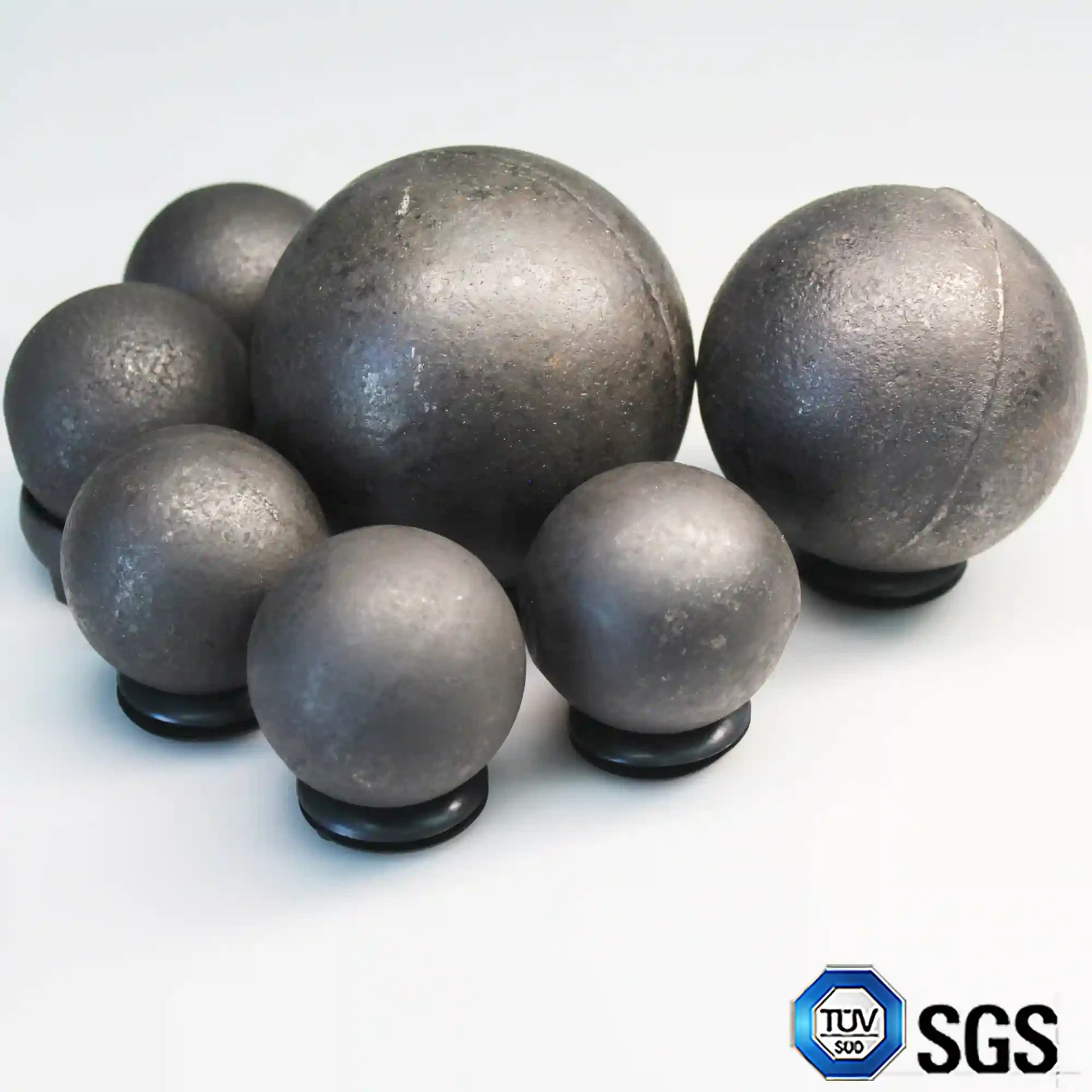
High-Performance Ball Mill Grinding Media Solutions for Yemen Industries

Optimize your milling efficiency in Yemen with wear-resistant high chromium cast grinding balls designed for rigorous mining and cement applications.

Precision-Engineered Milling Media for Enhanced Productivity

Addressing the challenges of abrasive materials in Yemen's industrial sector through specialized high-chrome alloy solutions that reduce wear costs and energy consumption.

Mining and Mineral Processing Landscape in Yemen

Analyzing the operational demands of the Yemeni extractive and construction materials industry.

The industrial sector in Yemen, particularly in cement production and mineral extraction, operates under challenging conditions. There is a consistent demand for ball mill balls that can withstand extreme abrasion. Many local operations struggle with high media consumption rates due to the varying hardness of raw feed materials, leading to frequent mill shutdowns.

Geographically, the distribution of mining sites across Yemen necessitates a reliable supply chain for heavy consumables. The harsh arid climate and specific geological compositions of local ores require grinding media with high toughness and corrosion resistance to maintain optimal throughput and prevent premature liner wear.

A significant pain point for Yemeni operators is the balance between initial procurement costs and the total cost of ownership. The reliance on imported ball mill grinding media often introduces logistics risks, making the selection of a supplier with proven durability and technical support critical for operational stability.
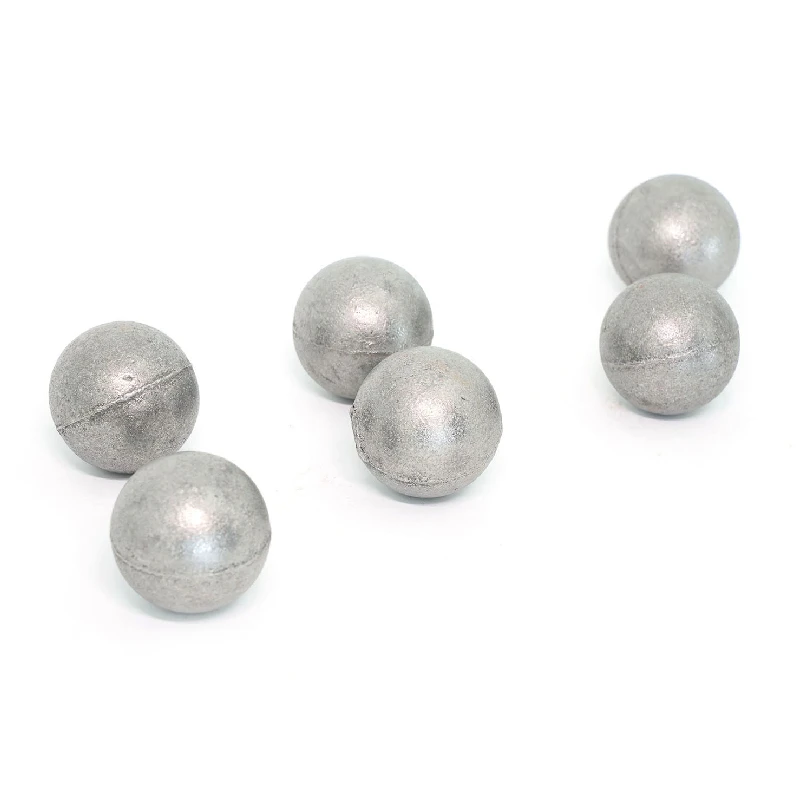
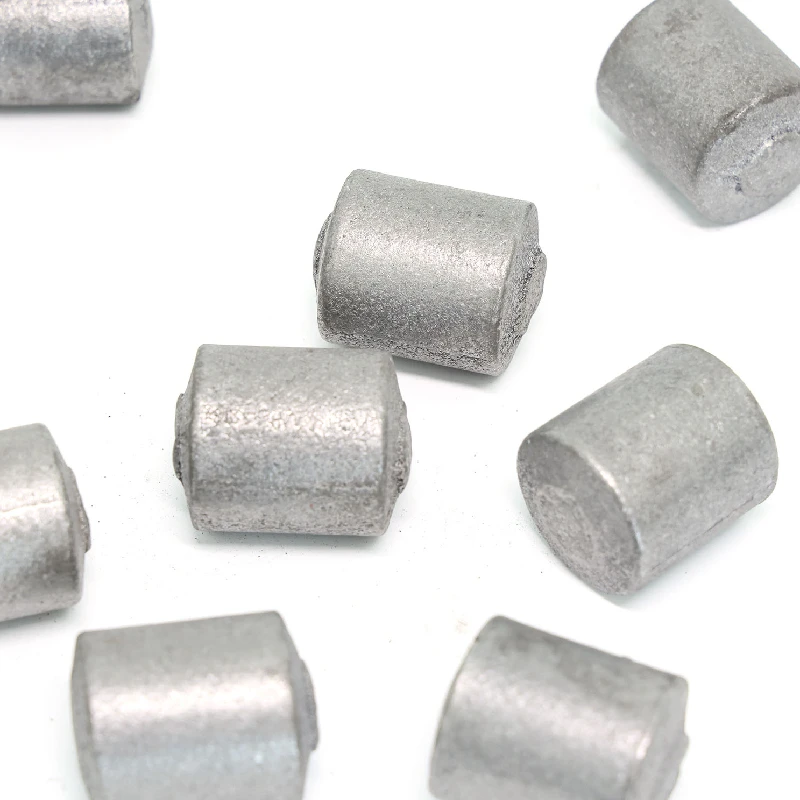
Evolution of Grinding Media Technology

From basic forged steel to advanced high-chromium alloy castings.

The Shift in Material Science

Early Industrial Phase
Initial milling operations relied heavily on carbon steel and forged balls. While available, these materials suffered from rapid wear and lacked the hardness necessary for high-efficiency grinding of hard ores.

The Chrome Alloy Transition
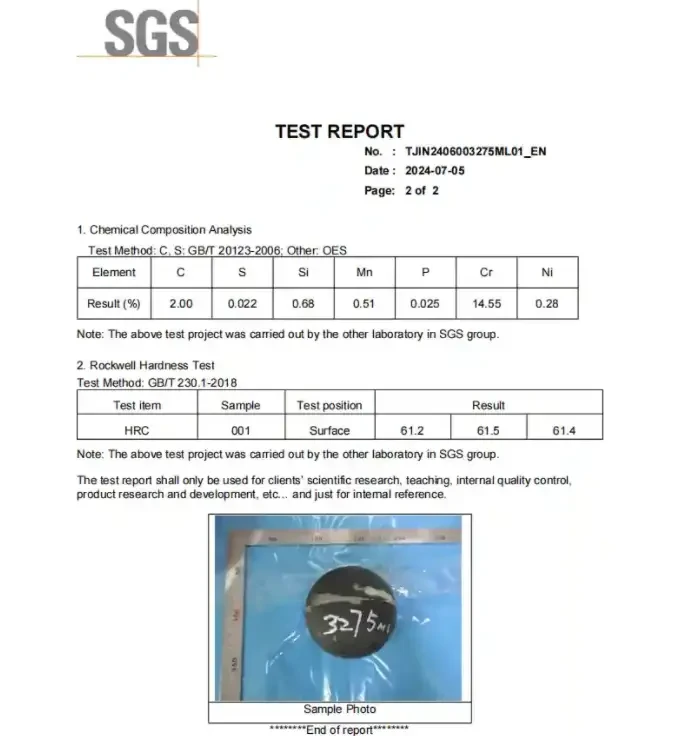
The introduction of high-chromium cast iron marked a turning point. By adjusting chrome content, manufacturers could create cast grinding balls with superior hardness (HRC 60+) and better corrosion resistance, significantly extending the lifespan of the media.

Modern Precision Engineering
Current technology focuses on microstructure optimization. Today, grinding media is tailor-made with specific chrome ranges (1% to 30%) and sizes (15mm to 140mm) to match the specific energy requirements of the primary and secondary milling chambers.

Future Industrial Trends

1. Energy Footprint Reduction

Focusing on optimizing the ball charge to reduce the carbon footprint by lowering the specific energy consumption per ton of ground material.

2. Wear-Rate Predictive Analytics

Integrating data-driven monitoring to predict the exact moment of media replenishment, reducing unplanned downtime in industrial mills.

3. Advanced Alloying for Corrosion

Developing specialized alloys that resist chemical corrosion in wet grinding environments, typical in advanced flotation processes.

How global technological trends are reshaping grinding practices in Yemen.

Operational Efficiency
Moving toward optimized ball grading to maximize mill throughput and minimize the energy used for crushing.
Intelligent Selection
Using technical analysis of ore hardness to select the precise chrome percentage for ball mill media.
Supply Chain Stability
Shifting toward long-term partnerships with certified ISO 9001 manufacturers to ensure consistent material quality.
Eco-Conscious Grinding
Reducing metal waste through the use of high-toughness balls that resist fragmentation and spalling.

Yemen Industrial Outlook

Over the next few years, Yemen's industrial capacity is expected to prioritize the modernization of existing mills. The adoption of high-chromium alloys will be key to reducing the frequency of maintenance shutdowns, allowing for a more stable production cycle in the cement and mining sectors.

The integration of better-graded ball milling balls will likely lead to improved metal recovery rates in flotation processes, directly impacting the economic viability of local mineral projects.

Practical Applications in Yemeni Industry

Real-world scenarios where specialized grinding media drives operational value.

Primary Crushing in Cement Mills

Large diameter balls (60mm-140mm) with 10%-28% chrome are used in the first chamber to crush coarse feed, leveraging high impact resistance to handle heavy loads.

Fine Grinding for Mineral Processing

Small balls (15mm-60mm) with up to 30% chrome are deployed in secondary chambers to achieve precise gradation through attrition, improving final product quality.

Abrasive Ore Milling in Remote Sites

Mining operators in rugged terrains use ultra-high hardness media to reduce the frequency of ball replenishment, minimizing the logistics burden of transporting heavy media.

Wet Grinding for Flotation Plants

Corrosion-resistant chrome alloy balls are utilized to prevent oxidative wear in wet environments, ensuring stable grinding efficiency and better metal recovery.

High-Capacity Quarrying Operations

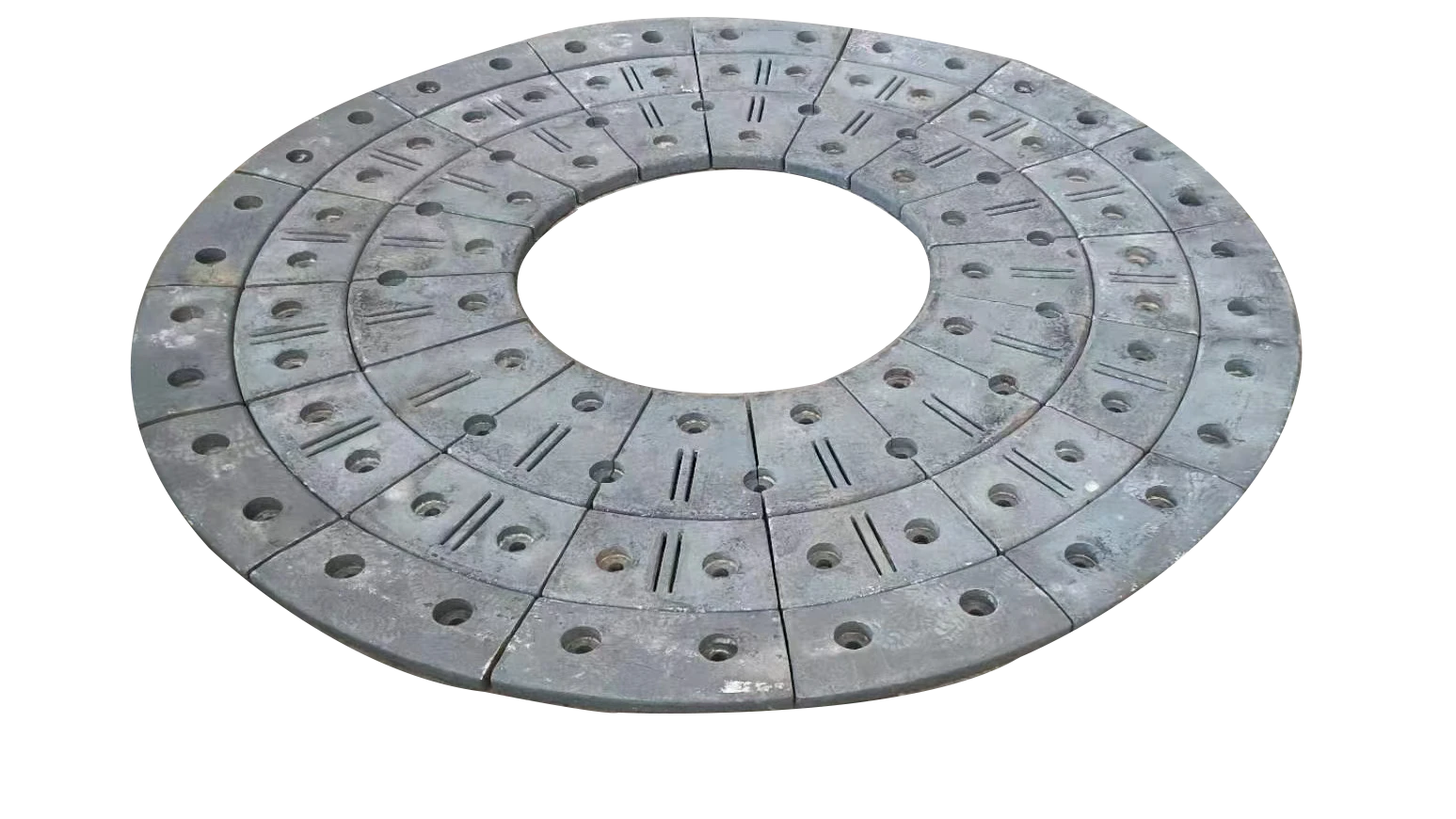
Industrial quarries use a combination of impact and wear-resistant media to maintain high hourly output while protecting the mill liner from excessive damage.

The Heritage of Chengda Wear-Resistant Materials

Two decades of innovation in high chromium alloy casting for the global grinding industry.

2007

Company Foundation

Shijiazhuang Chengda Wear-resistant Materials Co., Ltd. was officially incorporated by Mr. Zhao Wenliang.

2010

Facility Expansion

Strategic expansion of business operations and movement to the Huangbizhuang Town Industrial area to increase production capacity.

2013

Technological Breakthroughs

Obtained key intellectual property and processing technologies for ultra-high chromium grinding balls and high-wear resistance alloy cast iron.

Comprehensive Grinding Media Portfolio

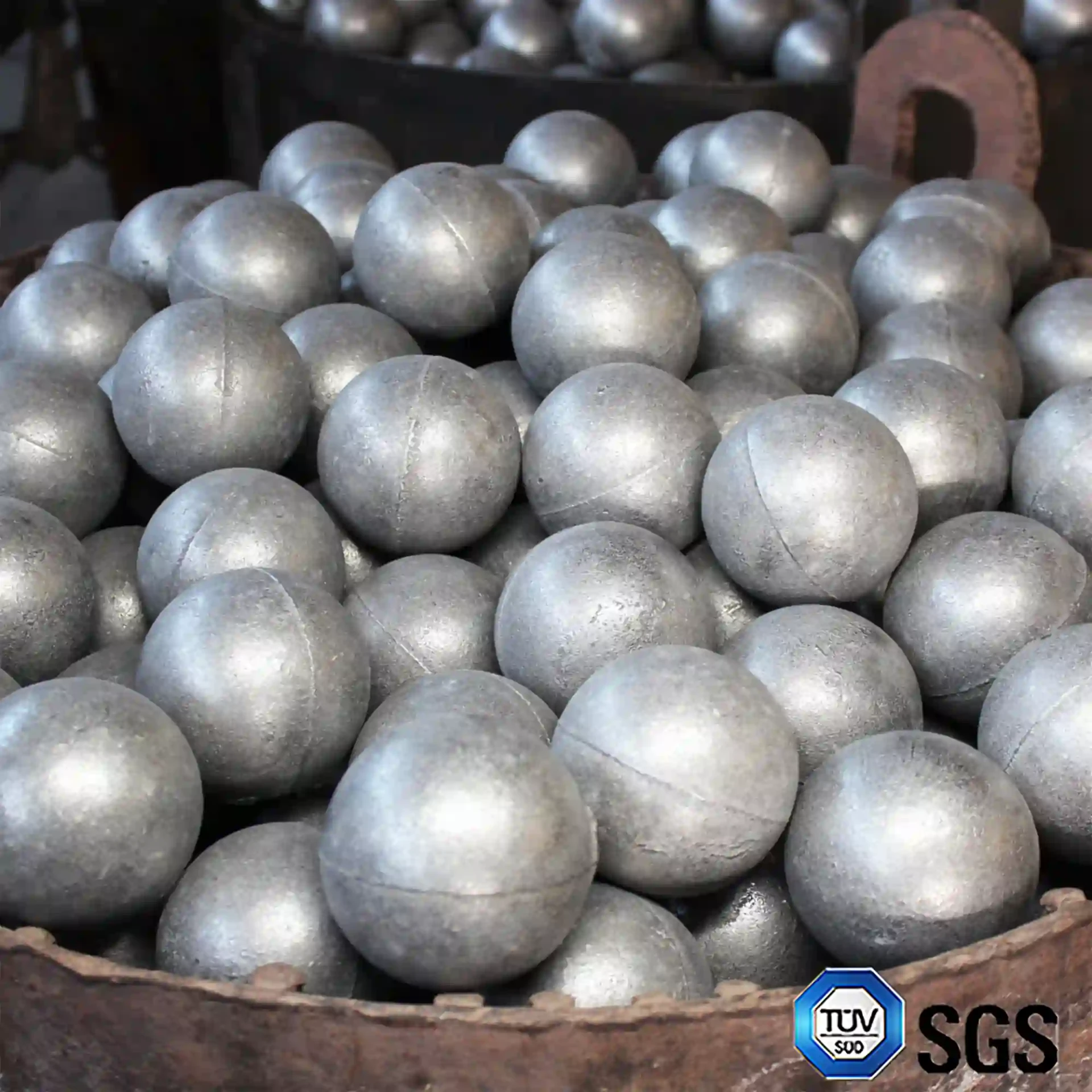
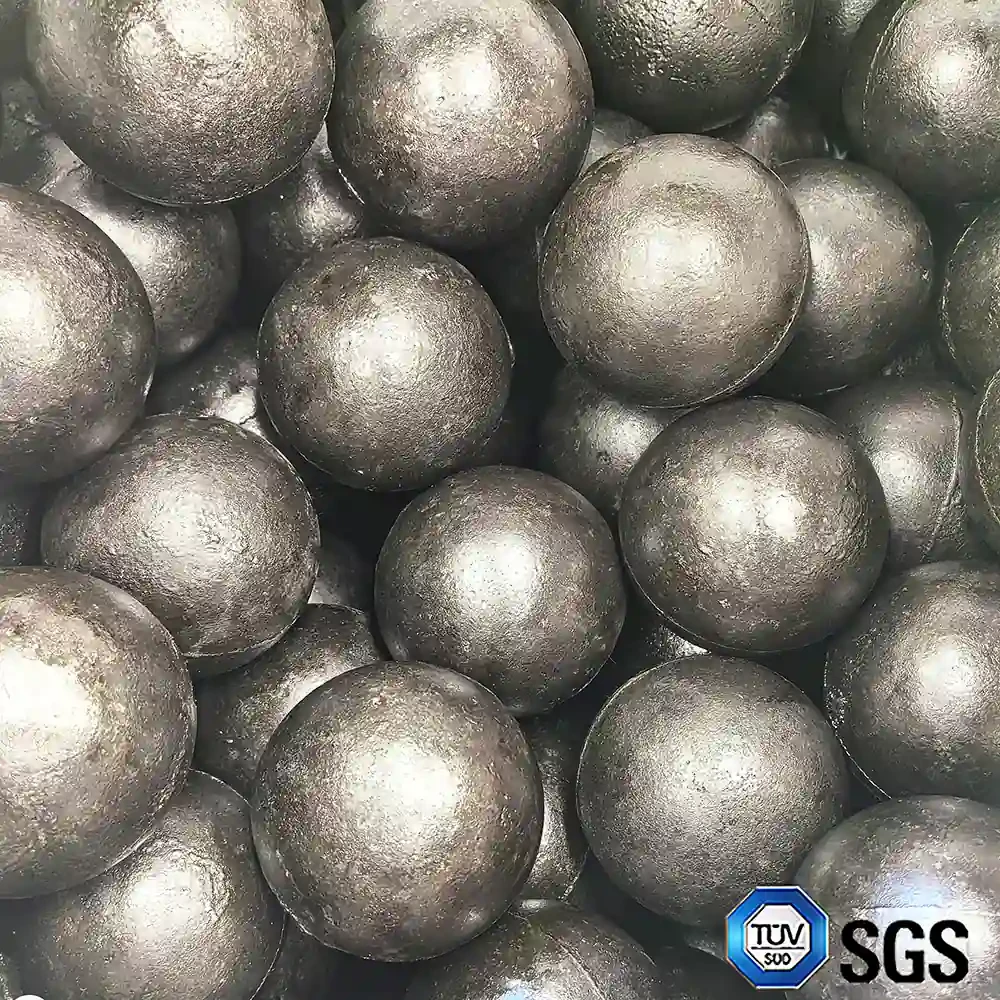
A complete range of high chromium alloy balls tailored for the diverse industrial needs of the Yemen market.

Frequently Asked Questions for Yemen Operators

Expert guidance on selecting and maintaining grinding media in abrasive environments.

What is the best chrome content for grinding balls in cement plants in Yemen?

The ideal chrome content depends on the feed hardness. Generally, 10% to 28% is used for primary crushing to balance impact and wear resistance, while up to 30% is used for fine grinding to maximize hardness.

How can high chromium grinding media reduce operational costs in mining?

High chromium alloy balls offer lower wear rates compared to carbon steel. This results in fewer replenishment cycles, reduced mill downtime, and lower energy consumption per ton of processed material.

Why is the HRC hardness critical for grinding media in abrasive environments?

Higher hardness (typically 57-69 HRc) ensures the media maintains its shape and size longer, preventing the "over-filling" of the mill with worn-out small balls and keeping the grinding efficiency stable.

What factors should be considered when procuring grinding media for Yemen?

Consider the ISO 9001 certification of the manufacturer, the ability to customize alloy composition based on ore analysis, and the logistics capability to deliver heavy media to remote site locations.

Can cast grinding balls be customized for specific mill chamber configurations?

Yes, media can be tailor-made in sizes ranging from 15mm to 140mm. Primary chambers typically require larger balls for crushing, while secondary chambers use smaller balls for attrition grinding.

How does the use of high-chrome media affect the mill's energy efficiency?

By maintaining a more consistent size distribution and higher impact efficiency, high-chrome media reduces the time required to achieve the target fineness, thereby lowering total power consumption.

Request Technical Consultation for Yemen

Contact our engineering team to optimize your grinding media selection and reduce operational wear costs in Yemen.

Consult Our Experts