

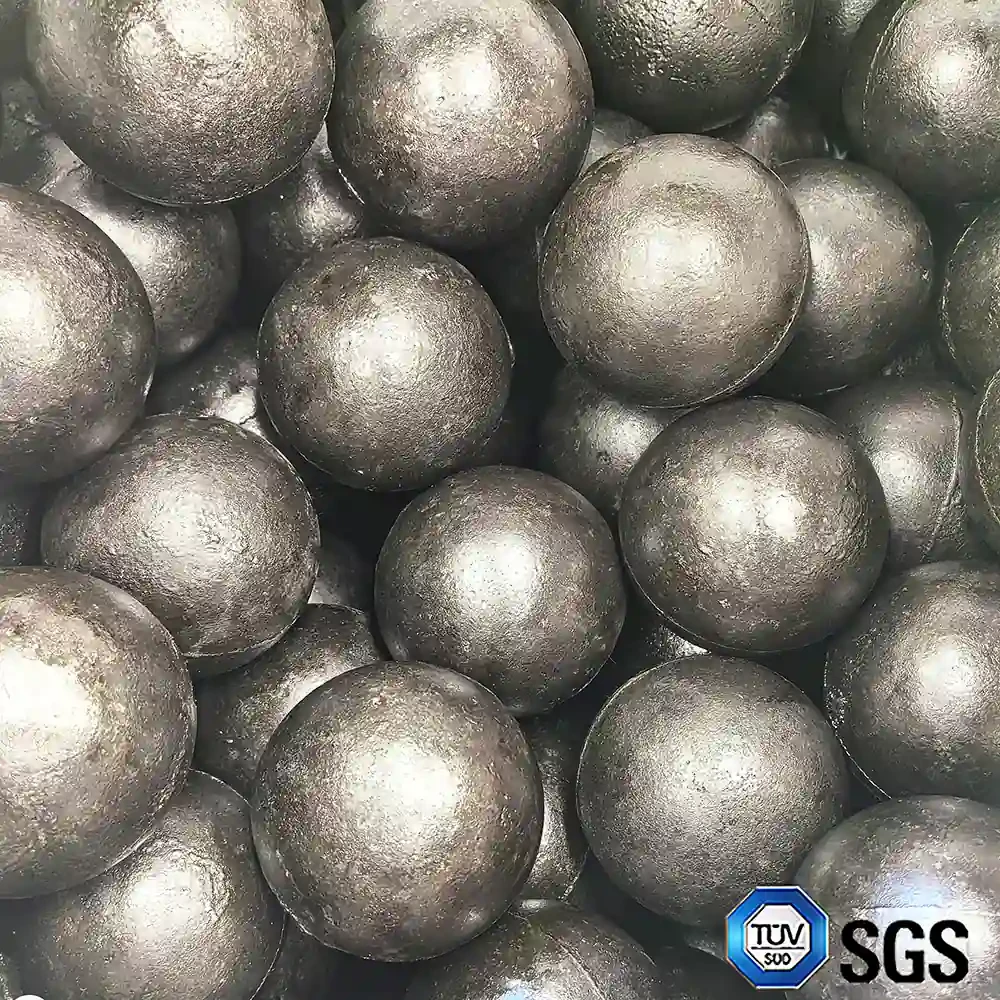

Precision Ball Mill Balls Series
Custom-alloyed high-chromium media tailored for different milling chambers and material hardness.

Company qualification certification
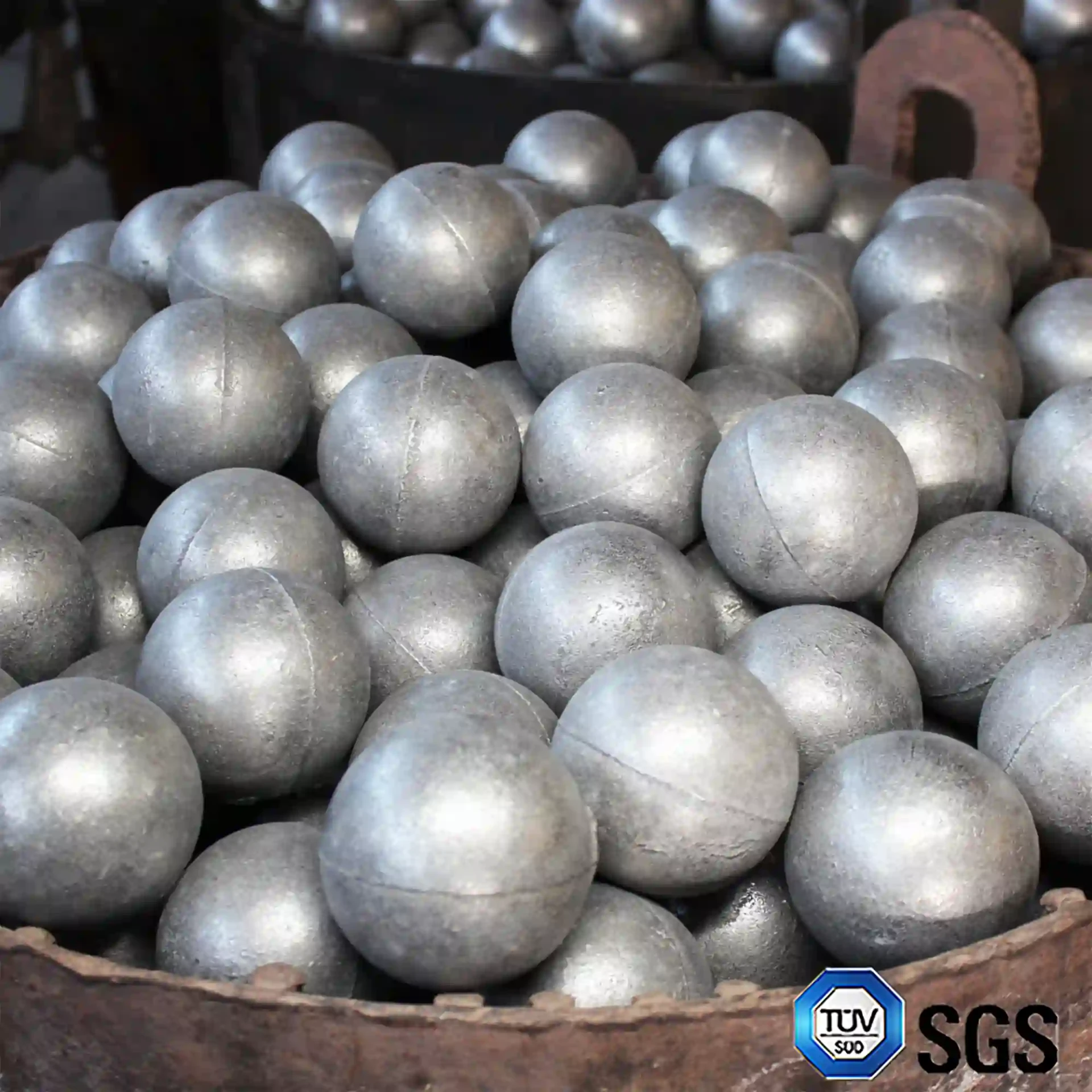
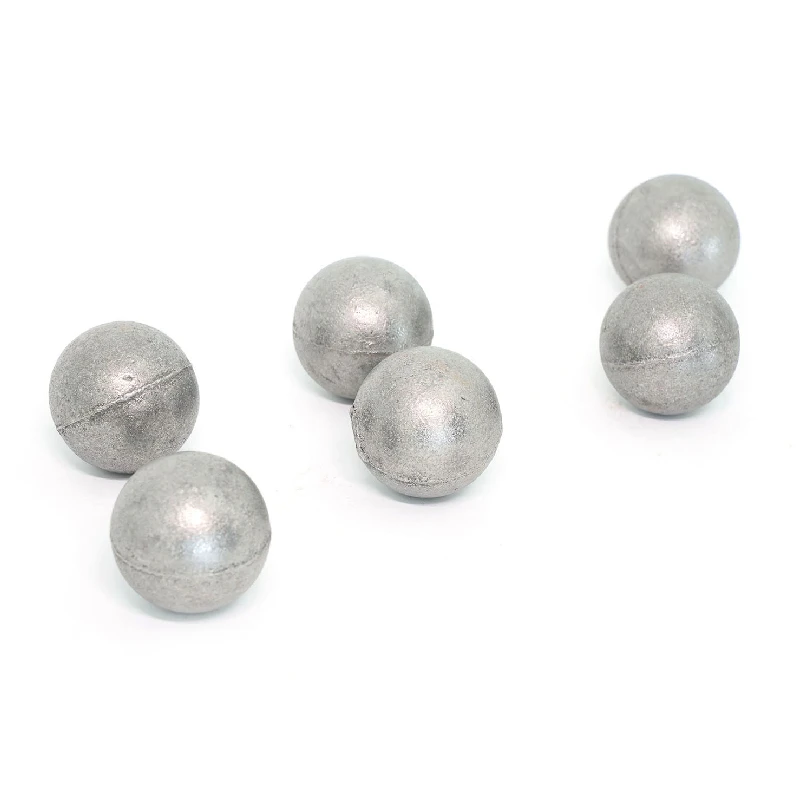
High Chrome Grinding Ball
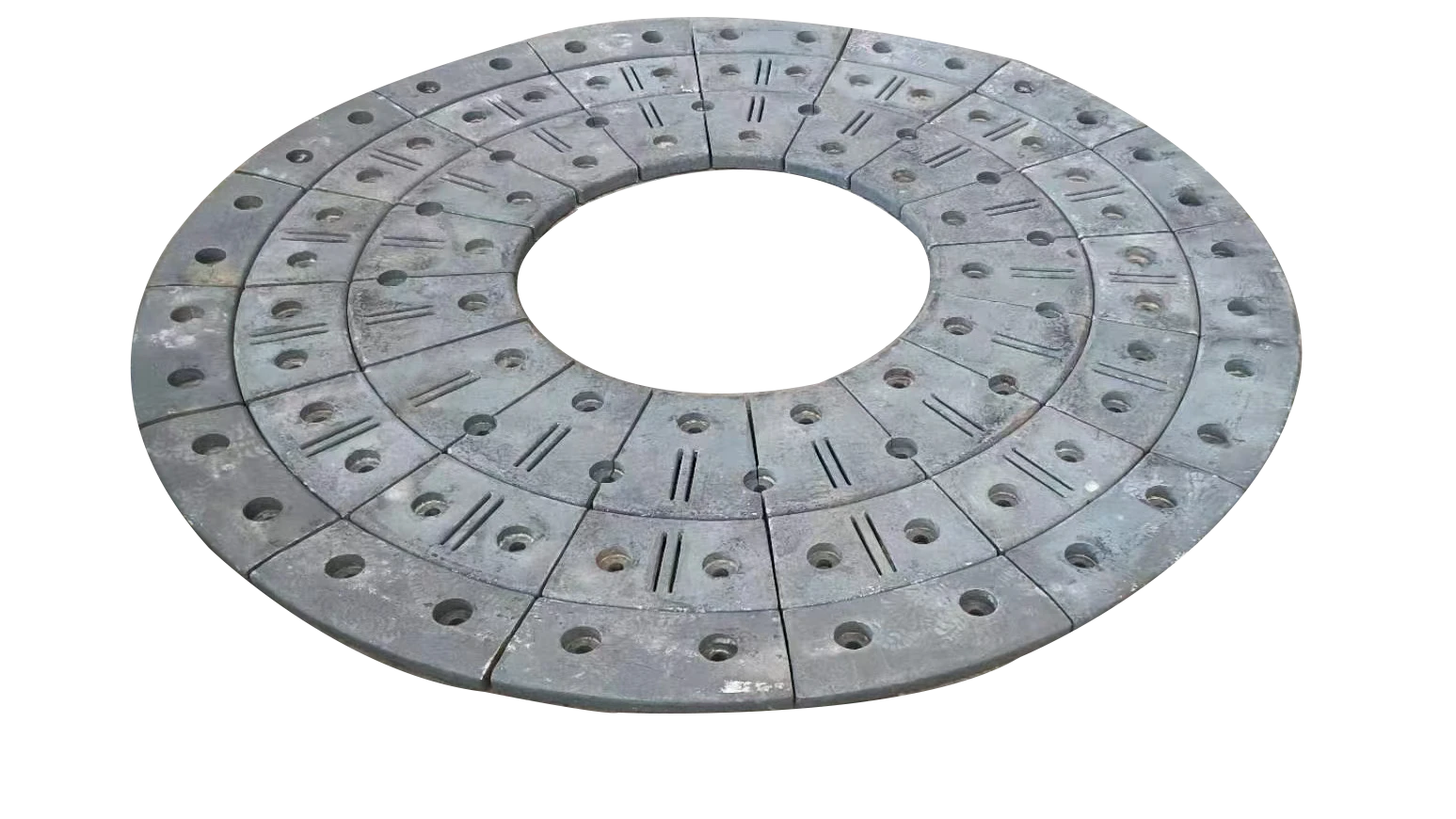
High chromium alloy liner
Market Analysis
Grinding Efficiency Demands in Europe - Switzerland
Balancing high energy costs with the need for maximum metal recovery in Alpine industrial hubs.
1% - 30%
Chrome Content Range
15 - 140mm
Available Media Sizes
69 HRc
Maximum Hardness
ISO 9001
Quality Certification
In the Swiss industrial landscape, where operational precision and environmental regulations are paramount, the selection of ball mill grinding media directly impacts the carbon footprint. High energy costs in Europe - Switzerland drive the demand for media that reduces power consumption per ton of material processed.
Operators focus on reducing the frequency of mill shutdowns. By utilizing high-chromium cast balls that maintain a consistent gradation, Swiss plants can extend clearance cycles and reduce the labor intensity associated with liner and media repair.
The regional focus is shifting toward "doing more with less." This means optimizing the flotation process through superior metal recovery, which is only possible when the grinding media provides a precise particle size distribution.
Technical analysis for Swiss projects typically emphasizes the balance between impact resistance for first-chamber crushing and attrition efficiency for second-chamber fine grinding.
Evolution
The Trajectory of Cast Grinding Technology
From basic forged steel to advanced high-chromium alloy casting.
Early Stage
Forged Steel Era
Standard carbon steel media with limited wear resistance and high consumption rates.
Growth Stage
Chrome Introduction
Introduction of chromium alloying to improve hardness and corrosion resistance.
Technical Peak
High-Chrome Casting
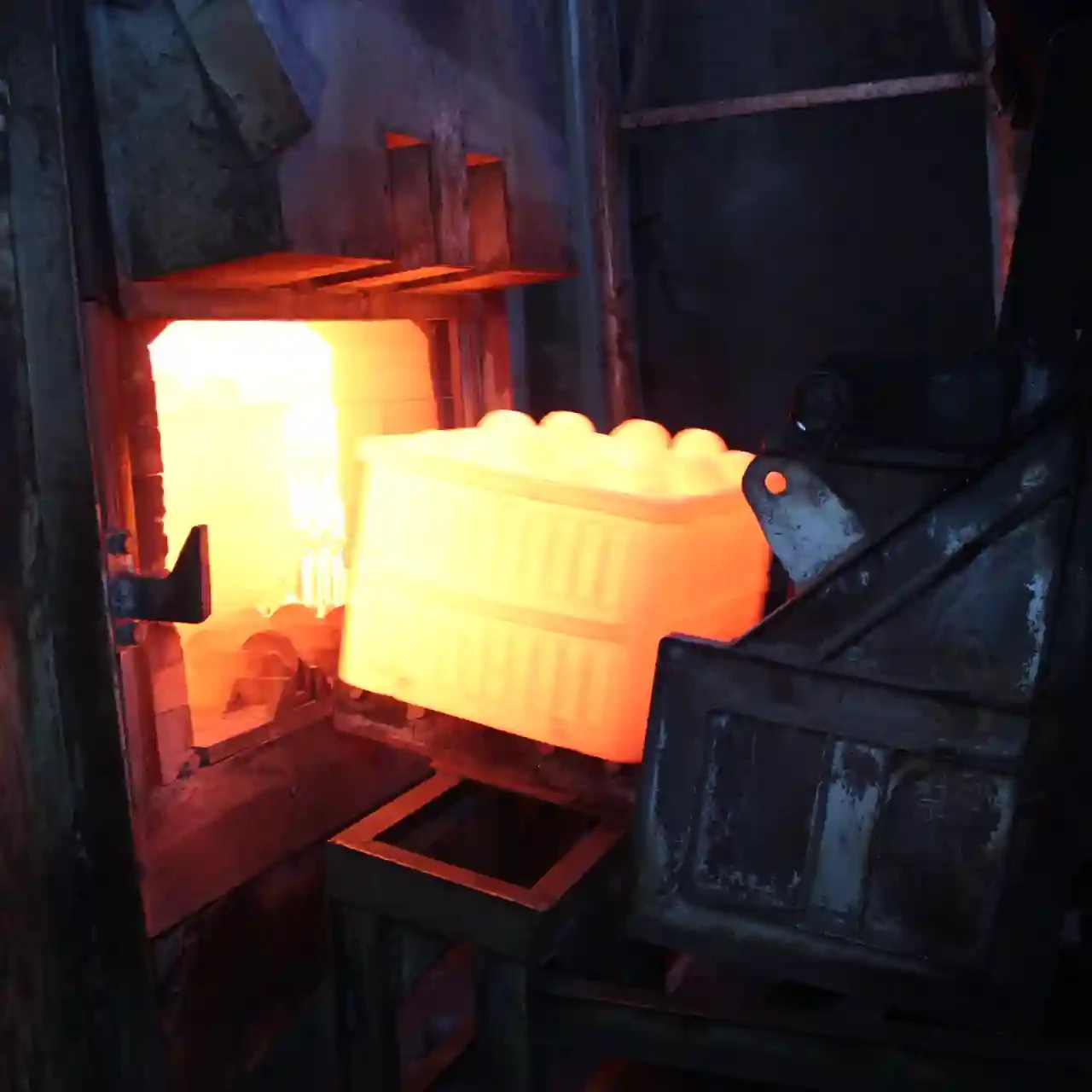
Development of specialized casting processes for optimized microstructure and toughness.
Current Phase
Tailor-Made Media
Application-specific alloying based on material hardness and mill configuration.
Next Phase
Eco-Efficient Grinding
Focus on extreme low-wear media to minimize industrial waste and energy usage.
Future Industry Outlook
01
Metallurgical Precision
Increased use of 20%-30% chrome content to handle highly abrasive ores in European mining.
02
Sustainability Focus
Reducing the carbon footprint of grinding by optimizing the energy-to-wear ratio.
03
Predictive Maintenance
Integration of wear-tracking data to optimize the timing of ball milling balls replenishment.
Technical Focus
Strategic Advantages of High-Chrome Media
Why material science is the key to mill productivity.
Wear Resistance
High surface hardness reduces consumption rates and extends the interval between ball charges.
Impact Toughness
Optimized chrome ratios prevent ball breakage in the primary crushing chamber.
Gradation Stability
Uniform wear ensures a consistent size distribution, maintaining optimal grinding efficiency.
Corrosion Control
Chrome-rich surfaces resist chemical attack in wet grinding environments.
The synergy between hardness and toughness is critical. For the first chamber (140mm to 60mm balls), a hardness of 57-66 HRc is typically utilized to provide the potential energy needed for crushing feed material without excessive fracturing.
In the second chamber, attrition is key. Smaller balls (15mm to 60mm) with a higher hardness of 60-69 HRc are deployed to significantly improve the final quality control of the abrasive body and the processed mineral.
Applications
Industrial Implementations in Europe - Switzerland
Tailored media solutions for diverse grinding requirements.
01
Cement Clinker Production
Using cast grinding balls in Swiss cement plants to maintain high throughput while reducing liner wear.
02
Alpine Quarrying Operations
Implementing high-impact resistant media for crushing hard limestone and granite in mountain quarries.
03
Mineral Processing Plants
Optimizing metal recovery in flotation processes through precise media size control in Swiss mineral refineries.
04
Chemical Material Milling
Deploying high-chrome ball mill media for corrosion-resistant grinding of chemical compounds.
05
Specialty Powder Manufacturing
Utilizing ultra-fine ball milling balls for Swiss precision powder manufacturing, ensuring consistent gradation and purity.
Our Legacy
Chengda: Engineering Wear Resistance
Over two decades of specialization in high-chromium grinding materials.
2007
Foundation of Shijiazhuang Chengda
Incorporated by Mr. Zhao Wenliang, focusing on the development of wear-resistant materials.
Infrastructure Expansion
Business operations moved to the Huangbizhuang Town Industrial area to scale production capacity.
2010
2013
Technological Breakthroughs
Obtained advanced processing technology for Ultra High Chromium Grinding Balls and specialized mining cast iron media.
Complete Ball Mill Media Catalog
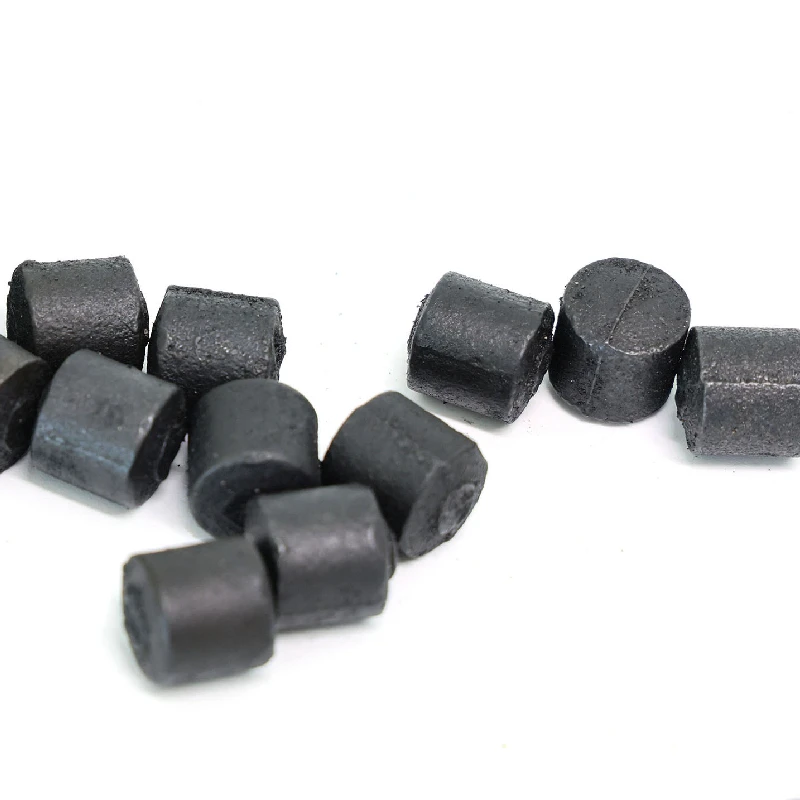
Explore our full range of high-chromium alloy casting balls, from 15mm to 140mm.
Knowledge Base
Technical FAQs on Grinding Media
Expert answers to common procurement and operational questions.
They are specialized cast grinding balls made from chromium alloy iron. These are designed for high hardness, low wear, and excellent toughness, making them ideal for grinding equipment in the cement and mining industries.
In Europe - Switzerland, the emphasis on energy efficiency and low carbon footprints makes high-chrome media essential. Because it lasts longer and grinds more efficiently, it reduces the energy cost per ton and minimizes the frequency of mill shutdowns.
Selection depends on the chamber. Use larger balls (60mm-140mm) in the first chamber for crushing feed materials, and smaller balls (15mm-60mm) in the second chamber for fine grinding and attrition.
For highly abrasive materials in the second chamber, an optimum hardness ranging from 60 to 69 HRc is recommended to maintain gradation and efficiency. For impact-heavy primary grinding, 57-66 HRc provides a better balance of toughness.
Chengda specializes in tailor-made media. We provide technical analysis and various alloying options (1% to 30% chrome) to help customers reduce wear costs, improve equipment availability, and enhance overall mill productivity.
Consultation is recommended during mill upgrades, when switching to more abrasive feed materials, or if you observe excessive ball wear and frequent shutdowns that impact your production output.
Optimize Your Grinding Performance in Europe - Switzerland
Discover how our high-chromium cast media can reduce your wear costs and enhance mill productivity in the manufacturing - metal products sector.
Contact Our Technical Experts


