

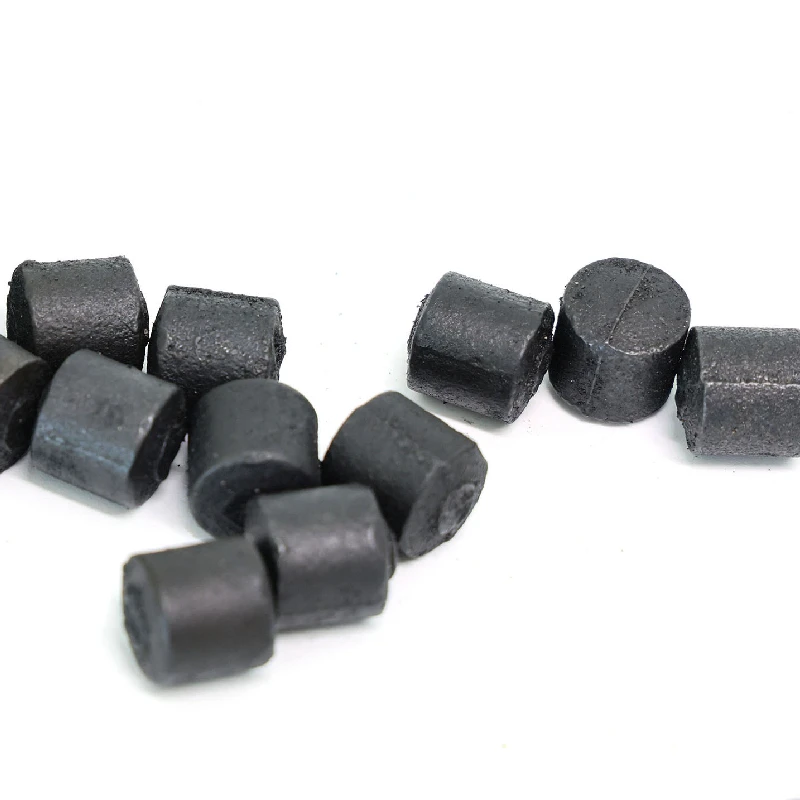

Precision-Engineered Ball Mill Grinding Media
Tailor-made wear resistant solutions designed for cement, quarry, and mining operations.
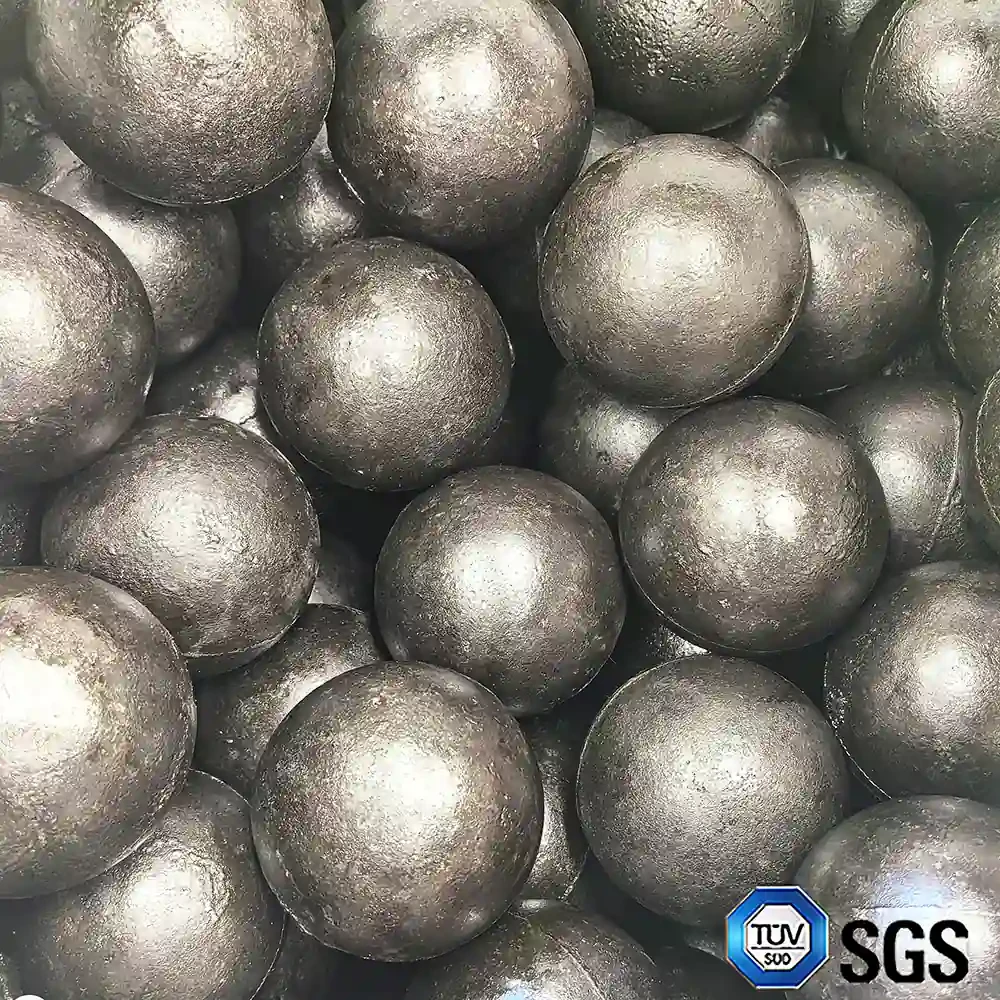
Super High Chromium Grinding Ball
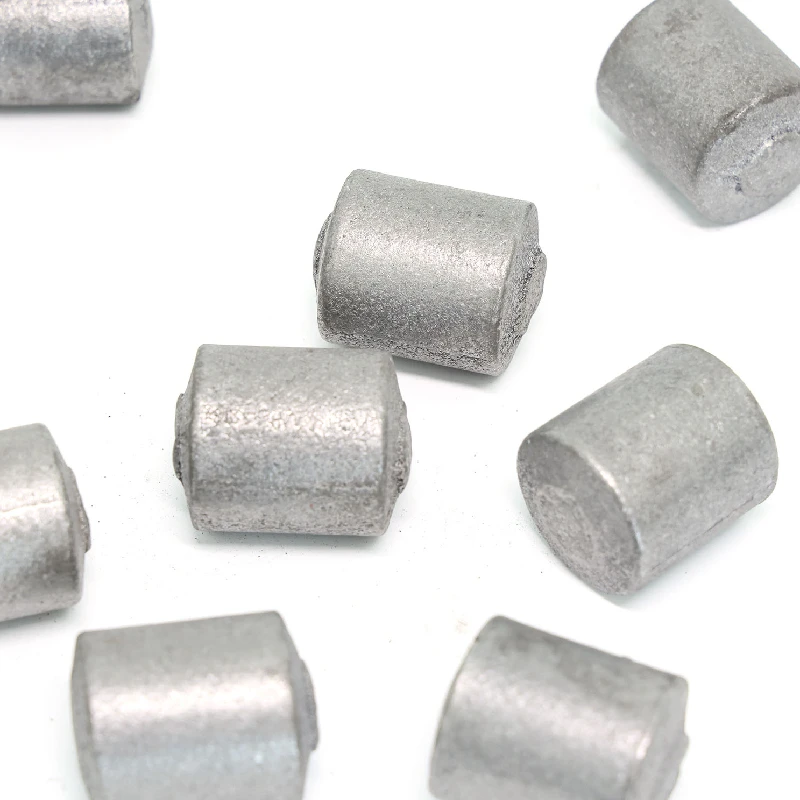
Low Chrome Grinding Forging
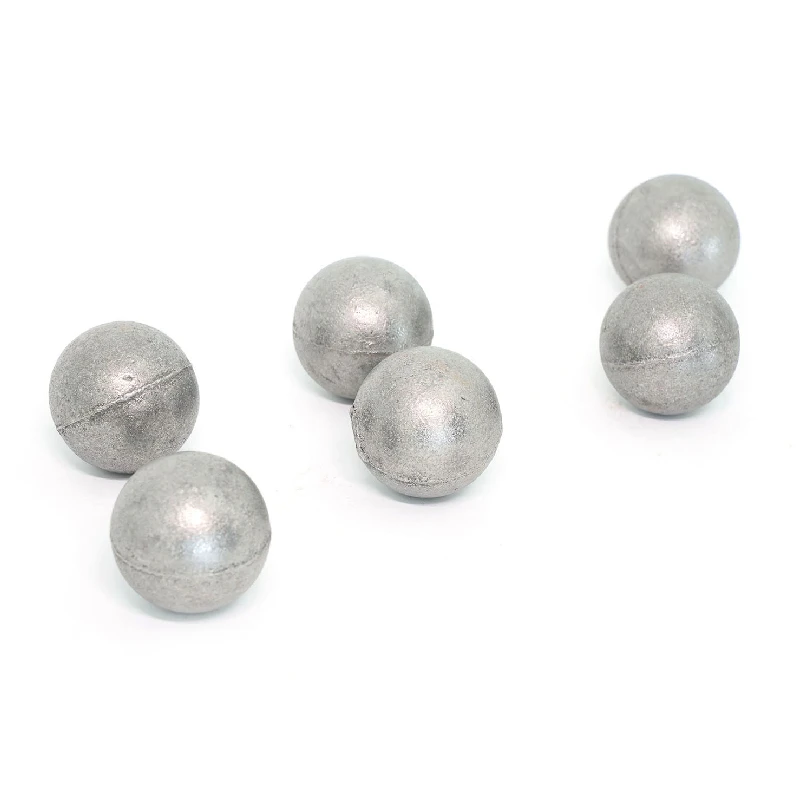
Low Chromium Grinding Balls
Analyzing Grinding Media Requirements in Poland
Aligning high-chromium materials with regional industrial demands for efficiency and sustainability.
Poland's industrial landscape, particularly in its mining and cement sectors, requires materials that can withstand extreme abrasive environments. The regional demand focuses on ball mill media that minimizes downtime and reduces energy consumption, aligning with European carbon footprint reduction goals.
Local operators frequently face the challenge of balancing impact resistance in the first chamber with attrition efficiency in the second. This necessitates a strategic selection of chrome content and hardness levels to ensure the grinding media does not fracture under high-load crushing tasks.
Procurement in the Polish market is increasingly driven by the Total Cost of Ownership (TCO). Buyers prioritize grinding balls that offer a lower wear rate per ton of material processed, as reducing the frequency of ball replenishment directly enhances mill productivity and operational availability.
Evolution of Grinding Technology
Tracing the transition from basic cast iron to advanced high-chromium alloy systems.
Development Stages
-
Early Material Adoption
Initial reliance on standard carbon steel and basic cast iron, which offered limited wear resistance and higher consumption rates in abrasive mining applications. -
Alloy Standardization
Integration of chromium alloys to create cast grinding balls with improved hardness and corrosion resistance, extending the life cycle of the media. -
Precision Optimization
Current focus on tailor-made alloying (1% to 30% chrome) and precise heat treatment to match specific ore hardness and mill configurations.
Future Trends
- Energy Efficiency — Developing media that optimizes the grinding kinetics to reduce the specific energy consumption (kWh/t) of the mill.
- Sustainability — Shifting toward materials that reduce metal consumption and decrease the environmental impact of the grinding process.
- Customization — Using technical analysis and test work to design media with specific hardness gradients for targeted wear patterns.
Industrial Outlook for Grinding Media
Key drivers shaping the next generation of wear-resistant materials.
Metallurgical Precision
Advanced control of chrome content (up to 30%) to balance toughness and hardness, preventing premature ball breakage.
Operational Cost Reduction
Focusing on reducing the "wear cost" per ton through high-density casting and optimized microstructure.
Carbon Footprint Optimization
Improving mill productivity to lower the energy required for the same output of ground material.
Process Integration
Aligning ball milling balls specifications with downstream flotation and recovery processes.
Strategic Engineering Analysis
The future of the grinding industry lies in the synergy between material science and operational data. By utilizing a range of sizes (15mm to 140mm) and varying hardness (57-69 HRc), mills can achieve a more consistent gradation of the final product.
For the Polish market, this means moving away from "one-size-fits-all" media toward tailor-made solutions that consider the specific chemical composition of the feed material, thereby extending the clearance cycle and reducing worker intensity.
Industrial Application Scenarios
Practical implementation of high-chromium grinding media across diverse sectors.
1
Primary Crushing in Cement Plants
Utilizing large diameter balls (60mm to 140mm) with 10%-28% chrome in the first chamber to impart high potential energy for crushing raw feed material.
2
Fine Grinding in Mining Operations
Implementing smaller balls (15mm to 60mm) with high hardness (60-69 HRc) in the second chamber to achieve final product fineness through attrition.
3
Hard Rock Quarrying
Using impact-resistant high-chromium media to handle highly abrasive ores, ensuring the balls maintain their shape and gradation over longer periods.
4
Corrosive Environment Processing
Applying specific alloying options to resist chemical corrosion in mills processing materials with high acidity or alkalinity.
5
Flotation Optimization
Optimizing the grinding media to improve metal recovery rates by ensuring the precise liberation of minerals during the milling process.
Shijiazhuang Chengda Wear resistant materials Co.,LTD.
Over two decades of excellence in wear-resistant material engineering.
07
2007
Company Incorporation
Shijiazhuang Chengda Wear resistant materials Co.,LTD. was officially incorporated by Mr. Zhaowenliang, focusing on high-performance wear materials.
10
2010
Strategic Business Expansion
The company extended its business and relocated to the Huangbizhuang Town Industrial area to increase production capacity.
13
2013
Technological Breakthroughs
Obtained critical intellectual property for "Ultra High Chromium Grinding Ball and Processing Technology" and "High wear resistance mining high chromium alloy cast iron grinding balls."
Custom Grinding Solutions for Polish Industrial Standards
Explore our range of high-chromium cast media tailored for maximum productivity.
Technical FAQ for Grinding Media Selection
Expert answers to common engineering and procurement questions regarding ball mill media.
How do I choose between different chrome contents for my grinding balls?
Selection depends on the balance between wear and impact. For primary crushing in the first chamber, 10%-28% chrome is typically used for a mix of toughness and hardness. For fine grinding in the second chamber, higher chrome content (up to 30%) is used to maximize surface hardness and abrasion resistance.
What is the advantage of using high-chromium cast balls over forged steel balls?
High-chromium cast balls offer superior hardness and corrosion resistance. They maintain their gradation for longer periods and exhibit lower wear rates, which reduces the frequency of mill shutdowns for ball replenishment and lowers overall operational costs.
Can your grinding media be customized for specific Polish ore types?
Yes, our media is tailor-made. We determine the optimal alloy composition and hardness (from 57 to 69 HRc) after conducting technical analysis and test work on the specific feed material to ensure maximum efficiency.
How does the hardness of the ball affect the mill's power consumption?
Correct hardness ensures efficient energy transfer. If balls are too soft, they deform and lose grinding efficiency; if too hard, they may shatter. Optimized hardness maintains a consistent ball charge, reducing energy waste and lowering the carbon footprint.
What sizes of grinding media are available for industrial applications?
We manufacture a wide range of sizes from 15 mm to 140 mm. Big balls (60-140mm) are primarily for the first chamber's crushing stage, while smaller balls (15-60mm) are used for fine attrition grinding in the second chamber.
Is Shijiazhuang Chengda's production certified for international quality standards?
Yes, we are a certified ISO 9001 company. Our commitment to quality is reflected in our rigorous production processes and our legacy of over 20 years as a solution provider for the cement and mining industries.
Consult Our Grinding Media Experts
Discuss your technical requirements and optimize your mill's productivity in Poland with our tailor-made wear resistant solutions.
Contact Us Now


