Mar . 11, 2026 02:15 Back to list
Comprehensive Guide to 14 Manganese Steel Properties and Industrial Applications
Understanding 14 Manganese Steel: Properties, Applications, and More
14 manganese steel, a medium-carbon alloy, is renowned for its exceptional toughness, wear resistance, and hardenability. This makes it a crucial material in various industries, from railway components to rock crushing equipment. This article will delve into the characteristics, applications, and benefits of 14 manganese steel, providing a comprehensive overview for engineers, purchasers, and anyone interested in this robust material. You can find high-quality steel products from our website. Choosing the right steel grade is paramount for project success and longevity.
Chemical Composition and Key Properties of 14 Manganese Steel
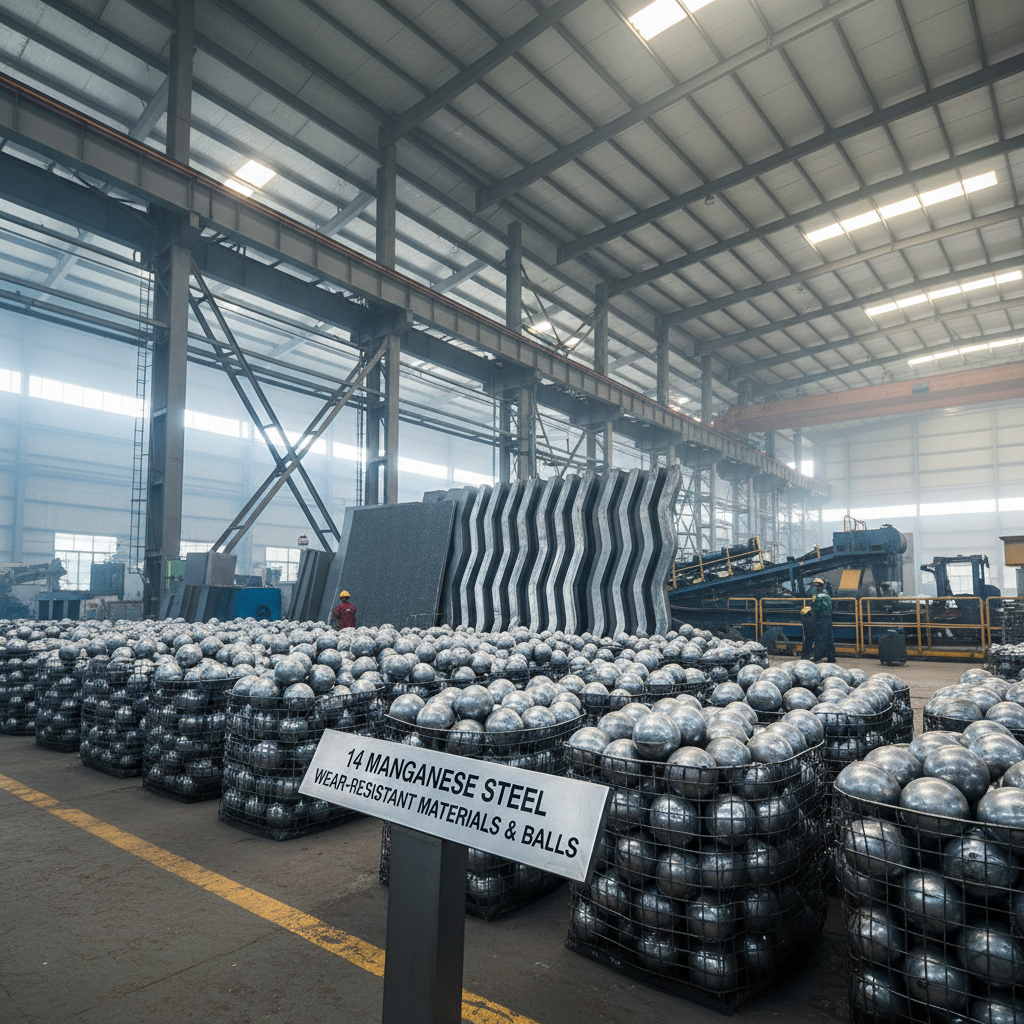
The core of 14 manganese steel's performance lies in its specific chemical composition. It typically contains approximately 1.4% carbon, 12-14% manganese, along with smaller amounts of silicon, phosphorus, and sulfur. The high manganese content is critical, enabling the austenitic structure and remarkable impact toughness. This structure also makes the steel remarkably work-hardening. The resulting material exhibits a unique combination of properties, including exceptional wear resistance, impact strength, and the ability to withstand significant stress and deformation without fracturing. These qualities render it ideal for applications where durability and resistance to abrasion are paramount.
Key Highlights: The high manganese content enables the austenitic structure and remarkable impact toughness. It is ideal for applications where durability and resistance to abrasion are paramount.
Applications of 14 Manganese Steel Across Industries
The versatility of 14 manganese steel makes it indispensable across numerous industries. A major application is in the production of railway frogs and crossings, where its ability to withstand constant impact and wear from train wheels is crucial. It is also extensively used in the manufacturing of rock crushers, quarry equipment, and mining machinery. These environments demand materials that can resist extreme abrasion and maintain their structural integrity. Additionally, 14 manganese steel finds application in the production of bucket teeth for excavators, dredging equipment, and other earthmoving machinery. Its inherent strength and wear resistance contribute to prolonged service life and reduced downtime.
Application Benefits:
• Exceptional wear resistance in abrasive environments
• High impact toughness to withstand heavy loads
• Prolonged service life reducing maintenance costs
• Reliable performance in demanding applications
14 Manganese Steel vs. Other Wear-Resistant Steels: A Comparison
While several steels offer wear resistance, 14 manganese steel distinguishes itself through its unique combination of properties. Compared to high-carbon steels, it exhibits superior toughness, reducing the risk of brittle fracture. It also surpasses many alloy steels in its ability to absorb impact energy. Compared to some more expensive alloys like chromium-molybdenum steels, 14 manganese steel often provides a cost-effective solution without sacrificing critical performance characteristics. This makes it a practical choice for applications where maximizing value is important. Explore our wide range of steel grades to find the best fit for your needs.
Heat Treatment and Fabrication Considerations for 14 Manganese Steel
14 manganese steel is readily weldable using common welding processes, but preheating is often recommended to minimize the risk of cracking. Post-weld heat treatment may also be necessary to restore the material's toughness. Machining can be challenging due to the steel's high work-hardening tendency. Using slow cutting speeds, sharp tools, and adequate cooling is essential. The steel responds well to hardening and tempering, although the goal isn’t typically to achieve extreme hardness but rather to optimize the balance between wear resistance and toughness. Contact Chengda Steel for expert advice on heat treatment and fabrication techniques.
Product Specifications & Available Forms
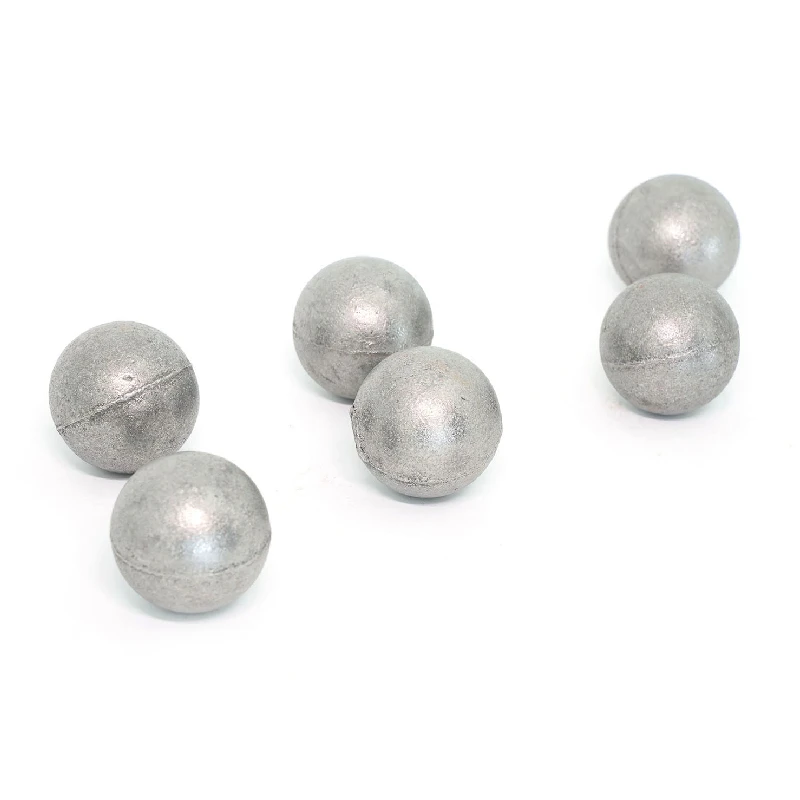
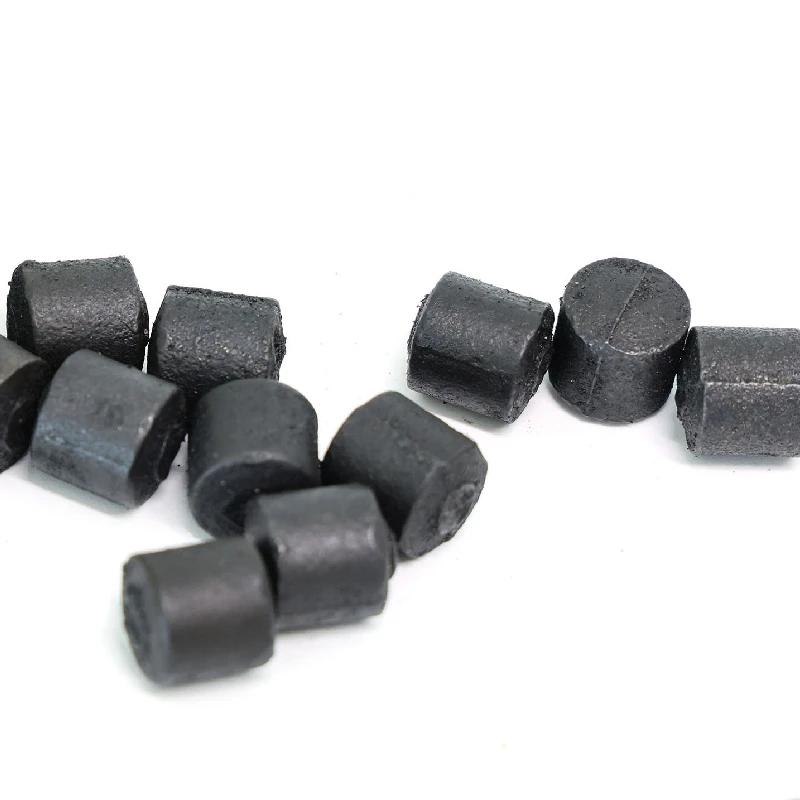
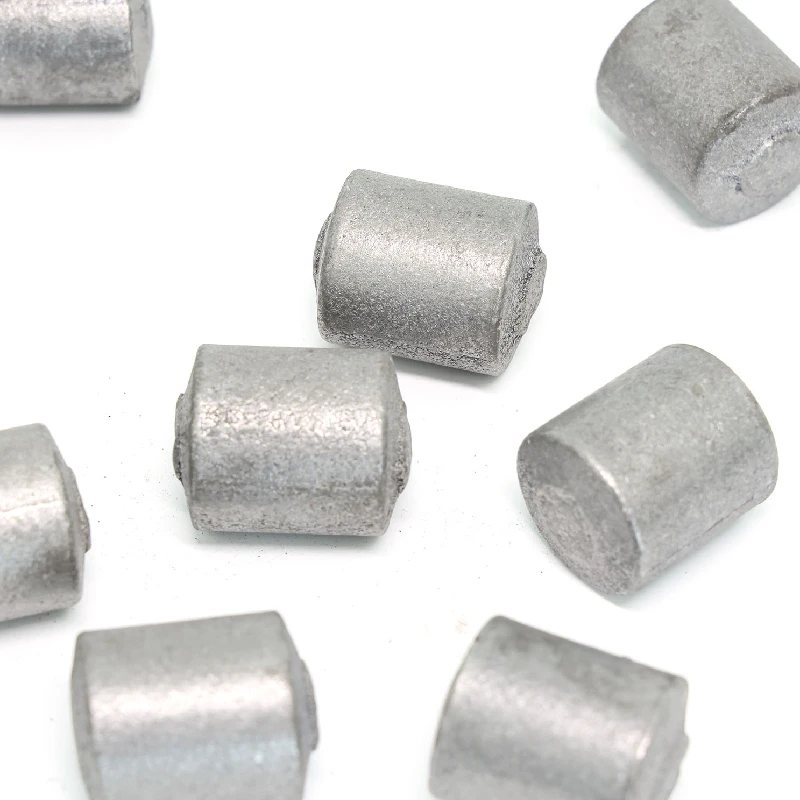
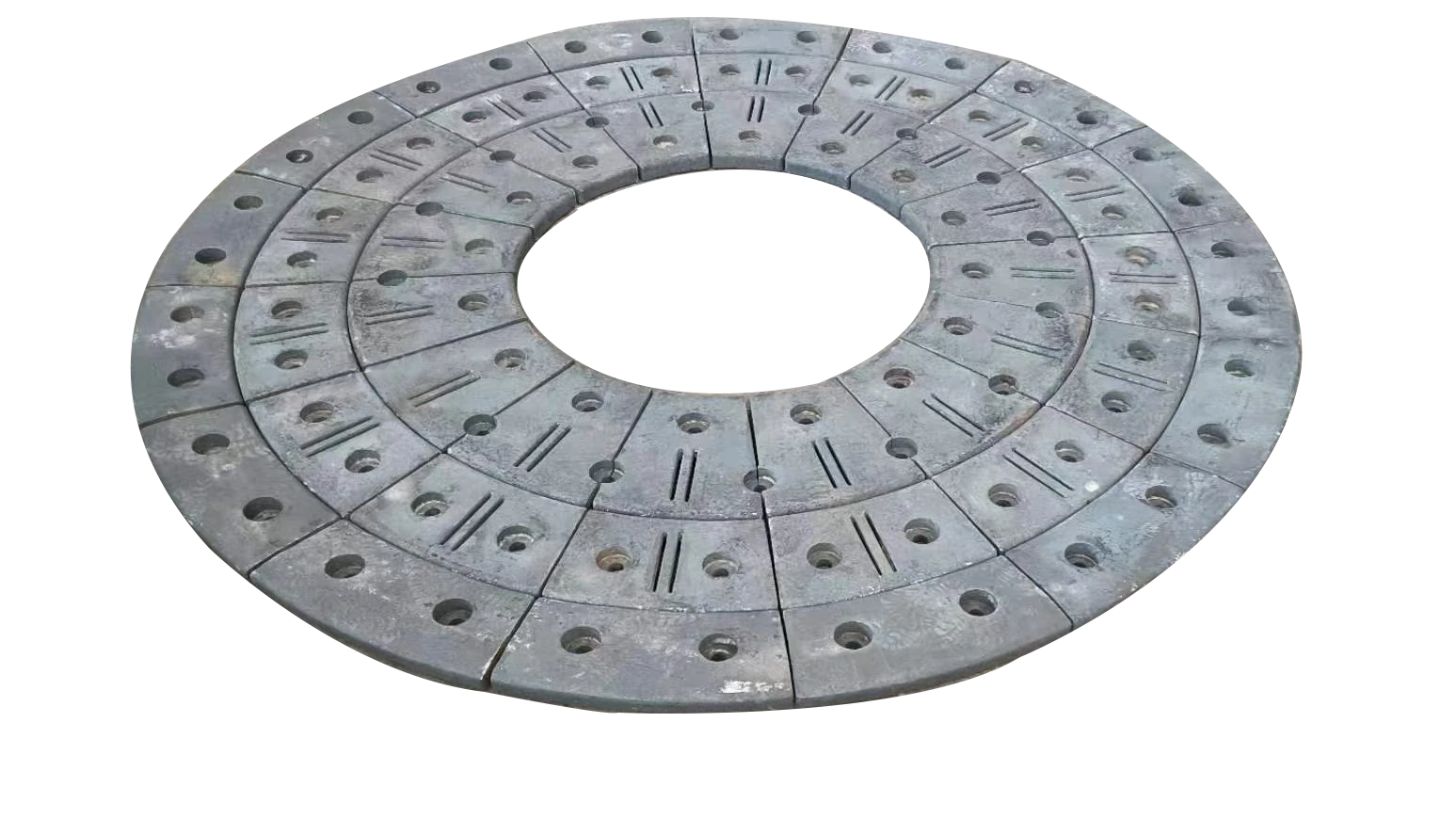
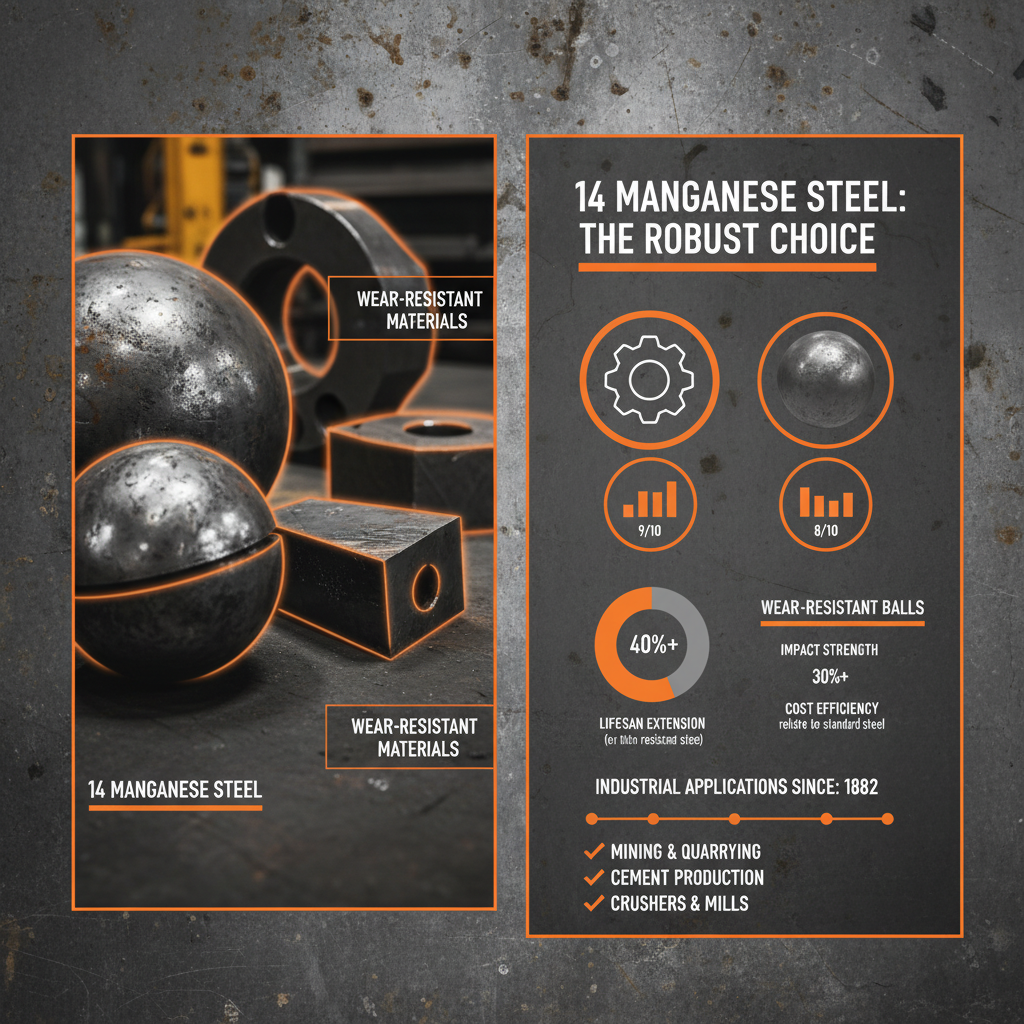
We offer 14 manganese steel in various forms to meet your specific project needs, including:
Conclusion: A Reliable Solution for Demanding Applications
14 manganese steel provides a powerful combination of strength, toughness, and wear resistance. Its wide range of applications and cost-effectiveness make it an excellent choice for a variety of industries. For high-quality 14 manganese steel products and expert technical support, contact Chengda Steel today.
Frequently Asked Questions (FAQs)
What makes 14 manganese steel so wear-resistant?
The wear resistance of 14 manganese steel stems from its unique austenitic structure and the presence of manganese carbides. As the steel is subjected to impact and abrasion, the manganese carbides work-harden the surface, increasing its resistance to further wear. This work-hardening effect is particularly pronounced under dynamic loading, making it ideal for applications involving repeated impact or sliding contact. Essentially, the steel gets harder with use.
Is 14 manganese steel suitable for high-temperature applications?
While 14 manganese steel exhibits good toughness at room temperature, its properties begin to degrade at elevated temperatures. It is generally not recommended for continuous use at temperatures exceeding 250°C (482°F). At higher temperatures, the steel may lose its strength and toughness, and its wear resistance can also be reduced. For high-temperature applications, alternative alloy steels with greater heat resistance are typically preferred.
What are the typical applications of 14 manganese steel in the mining industry?
In the mining industry, 14 manganese steel is extensively used in the manufacture of rock crusher jaws, liners, and other wear parts. Its exceptional impact toughness and wear resistance allow it to withstand the harsh conditions encountered in crushing and grinding operations. It is also used in the production of bucket teeth for excavators and loaders, as well as in the construction of railroad frogs and crossings used to transport ore.
-
Industrial Guide to Ferro Manganese Medium Carbon for Steel Production
NewsApr.16,2026
-
Professional Guide and Best Practices for drilling manganese steel
NewsApr.09,2026
-
Comprehensive Guide to DIN 1.3401 Stainless Steel Properties and Applications
NewsApr.07,2026
-
Optimizing Crusher Performance with Durable Manganese Alloys and Steel
NewsApr.04,2026
-
Comprehensive Guide to Chrome Manganese Steel Properties and Industrial Applications
NewsMar.31,2026
-
Understanding the Properties and Applications of Cast Manganese Steel
NewsMar.28,2026