Mar . 09, 2026 02:15 Back to list
Comprehensive Guide to Manganese Wear Plates for Enhanced Equipment Durability
Understanding Manganese Wear Plates: A Comprehensive Guide
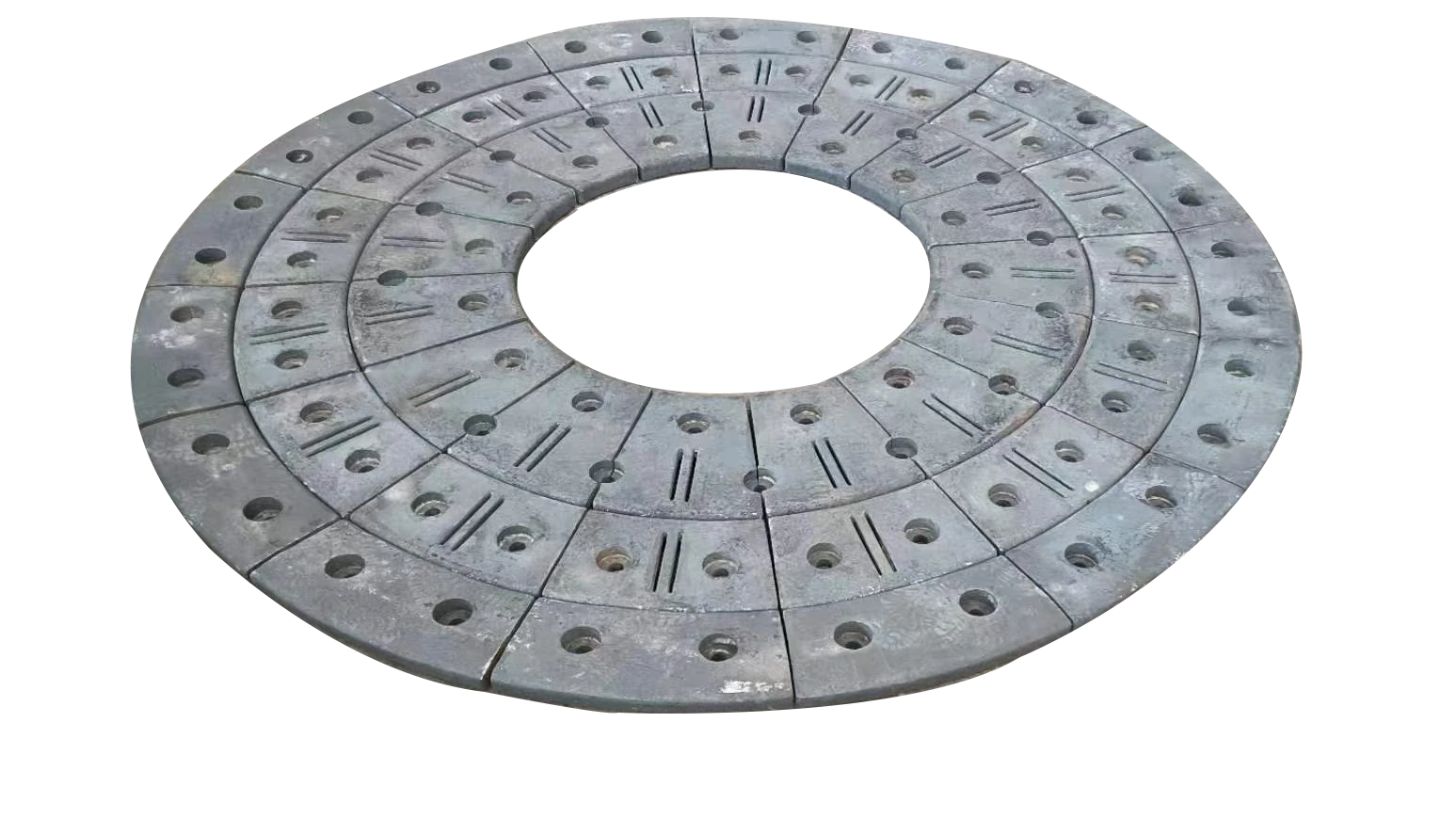
Manganese wear plates are a critical component in industries dealing with high-impact and abrasive materials. These plates, renowned for their exceptional durability, offer a cost-effective solution for extending the lifespan of equipment and reducing maintenance costs. This article will explore the properties, applications, benefits, and selection criteria for manganese wear plates, providing a comprehensive understanding for engineers, procurement professionals, and industry stakeholders. Choosing the right wear plate significantly impacts operational efficiency and long-term cost savings.
What are Manganese Wear Plates?
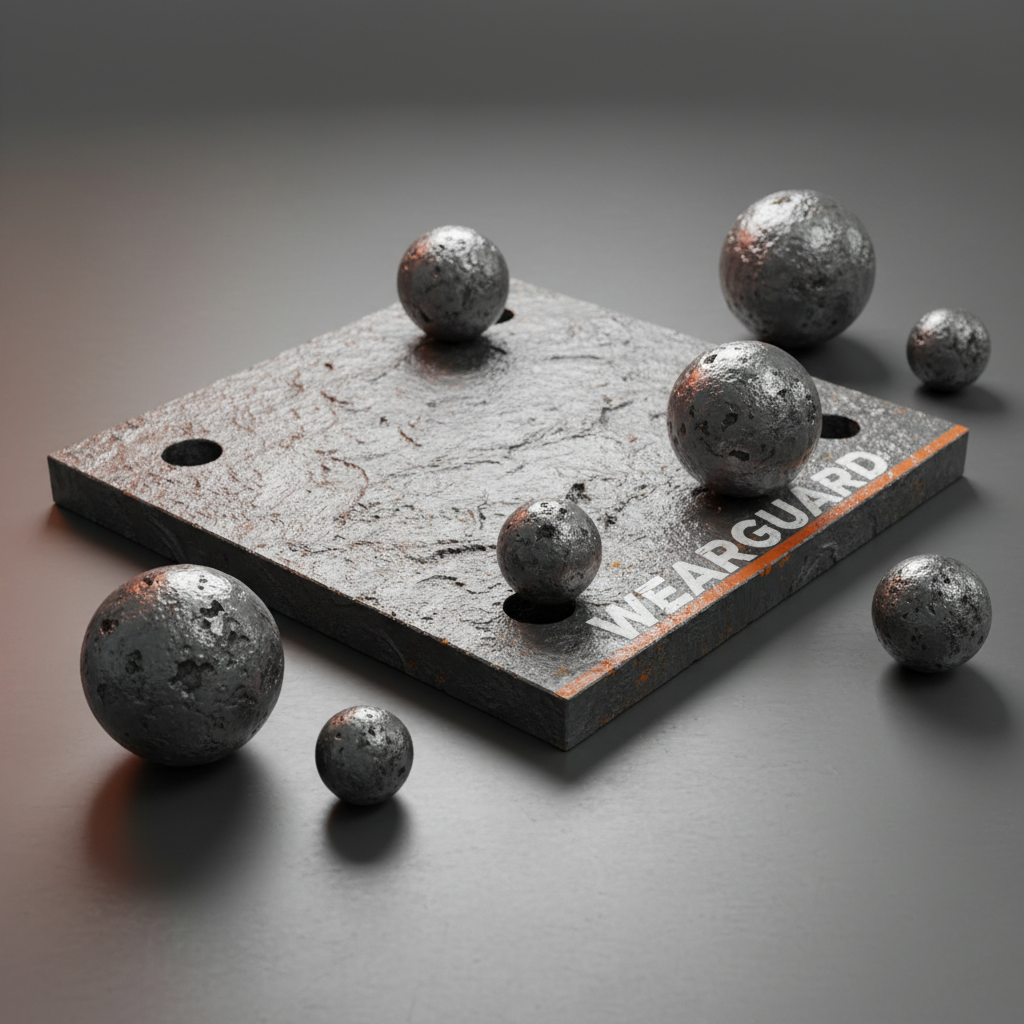
Manganese wear plates are typically manufactured from Hadfield steel (approximately 12-14% manganese, 1.0-1.2% carbon), which exhibits a unique work-hardening property. This means that as the plate is subjected to impact and abrasion, the surface layer becomes significantly harder and more resistant to wear. Unlike many other materials that lose strength with deformation, Hadfield steel actually increases in strength. This makes manganese wear plates ideal for applications involving crushing, grinding, and high-stress impact. The material’s composition allows for a level of ductility that prevents brittle fracture, contributing to extended service life.
Key Highlights: Exhibits a unique work-hardening property, becoming harder and more wear-resistant with impact. Possesses high ductility to prevent brittle fracture.
Applications of Manganese Wear Plates
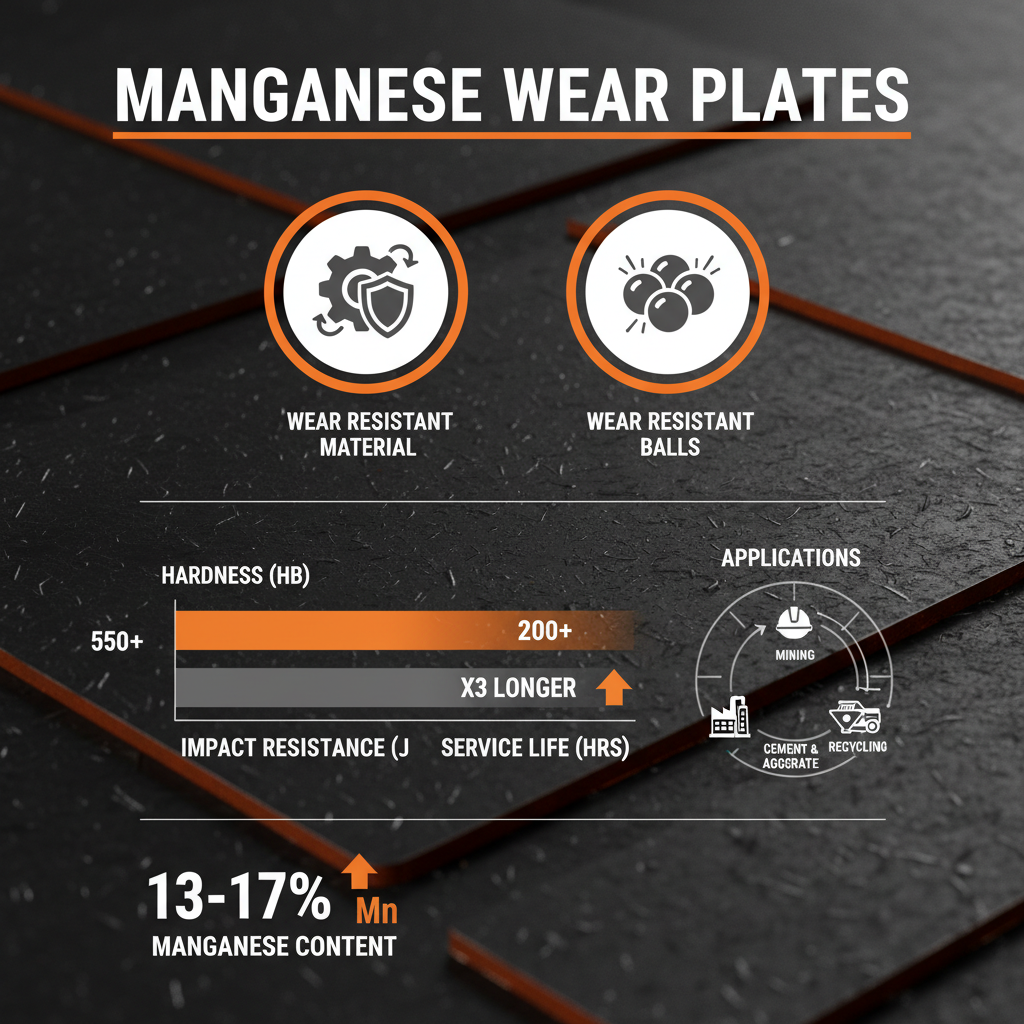
The robust properties of manganese wear plates make them suitable for a diverse range of applications across numerous industries. Common uses include: liners for chutes, hoppers, and bins in material handling systems; wear parts for crushing and screening equipment in mining and aggregate processing; protection plates for buckets and blades in earthmoving machinery; and impact zones in cement and steel production. They are also frequently used in recycling facilities and railway industries. The ability of manganese wear plates to withstand severe abrasion is vital in these demanding environments.
Application Benefits:
• Extends the lifespan of equipment.
• Reduces downtime and maintenance costs.
• Improves operational efficiency.
• Provides a cost-effective solution for wear protection.
Manganese Wear Plate Performance: Comparison with Other Materials
When selecting wear-resistant materials, it’s crucial to compare manganese wear plates with alternatives. While materials like AR400 and AR500 offer high hardness, they can be prone to cracking under high impact. Ceramic inserts are extremely hard but can be brittle and expensive. Manganese steel uniquely combines hardness (through work-hardening) with high toughness and ductility, making it superior in applications where both abrasion and impact are significant factors. The following table illustrates a performance comparison:
Selecting the Right Manganese Wear Plate
Choosing the appropriate manganese wear plate depends on several factors, including the specific application, the type and size of abrasive materials, the impact forces involved, and the operating temperature. Key considerations include plate thickness, dimensions, and manufacturing process. Chengda offers a wide range of manganese wear plate options to suit diverse needs. Proper installation techniques, such as welding or bolting, are also crucial for maximizing performance and lifespan.
The Benefits of Choosing Chengda for Your Wear Plate Needs
Chengda is a leading manufacturer of high-quality manganese wear plates, dedicated to providing durable and reliable solutions for demanding applications. We offer customized fabrication, expert technical support, and competitive pricing. Our commitment to quality and customer satisfaction ensures that you receive the optimal wear plate solution for your specific requirements. Partner with Chengda to minimize downtime, reduce maintenance costs, and maximize the lifespan of your equipment.
Conclusion: Investing in Durable Wear Protection
Investing in high-quality manganese wear plates from a trusted manufacturer like Chengda is a strategic decision that delivers long-term cost savings and improved operational efficiency. By understanding the unique properties and applications of these plates, you can make informed choices that protect your valuable assets and maximize productivity.
Frequently Asked Questions (FAQs)
What is the typical lifespan of a manganese wear plate?
The lifespan of a manganese wear plate varies considerably depending on the severity of the application, the type of abrasive material, and the plate's thickness. In moderate abrasion scenarios, plates can last several years. However, in extremely harsh environments, they may require replacement within months. Regular inspections are crucial to assess wear patterns and proactively replace plates before catastrophic failure. Factors such as proper installation and maintenance also play a significant role in determining longevity.
How is manganese wear plate typically installed?
Manganese wear plates can be installed using various methods, including welding, bolting, and using specialized adhesives. Welding is common for creating a permanent bond, but it requires skilled welders to avoid altering the material’s properties. Bolting allows for easier replacement but may require more frequent maintenance to tighten fasteners. The choice of installation method depends on the application, the size of the plates, and the desired level of security. Always consult with a qualified engineer to determine the most appropriate installation technique.
Can manganese wear plates be cut and formed to specific shapes?
Yes, manganese wear plates can be cut and formed using various methods, including plasma cutting, oxy-fuel cutting, and abrasive waterjet cutting. However, cutting can affect the work-hardening properties of the steel in the heat-affected zone. It's important to use appropriate cutting techniques and to minimize the heat input to maintain the material’s strength and wear resistance. Bending and forming are also possible, but require careful consideration to avoid cracking or deformation. Chengda offers custom fabrication services to provide plates in the exact dimensions and shapes you need.
-
Industrial Guide to Ferro Manganese Medium Carbon for Steel Production
NewsApr.16,2026
-
Professional Guide and Best Practices for drilling manganese steel
NewsApr.09,2026
-
Comprehensive Guide to DIN 1.3401 Stainless Steel Properties and Applications
NewsApr.07,2026
-
Optimizing Crusher Performance with Durable Manganese Alloys and Steel
NewsApr.04,2026
-
Comprehensive Guide to Chrome Manganese Steel Properties and Industrial Applications
NewsMar.31,2026
-
Understanding the Properties and Applications of Cast Manganese Steel
NewsMar.28,2026