Mar . 14, 2026 02:25 Back to list
Exploring the Properties and Applications of High Performance 3T Manganese Steel
Understanding 3T Manganese Steel: Properties, Applications & Sourcing
3T manganese steel, also known as Hadfield steel, is a highly specialized alloy renowned for its exceptional toughness, wear resistance, and ability to work-harden. It’s a crucial material in industries facing high-impact and abrasion challenges. This article will delve into the characteristics of 3T manganese steel, its diverse applications, key manufacturing processes, and how Chengda Steel provides high-quality solutions for your specific needs. We’ll explore why selecting the right supplier is paramount when working with this critical material.
What is 3T Manganese Steel?
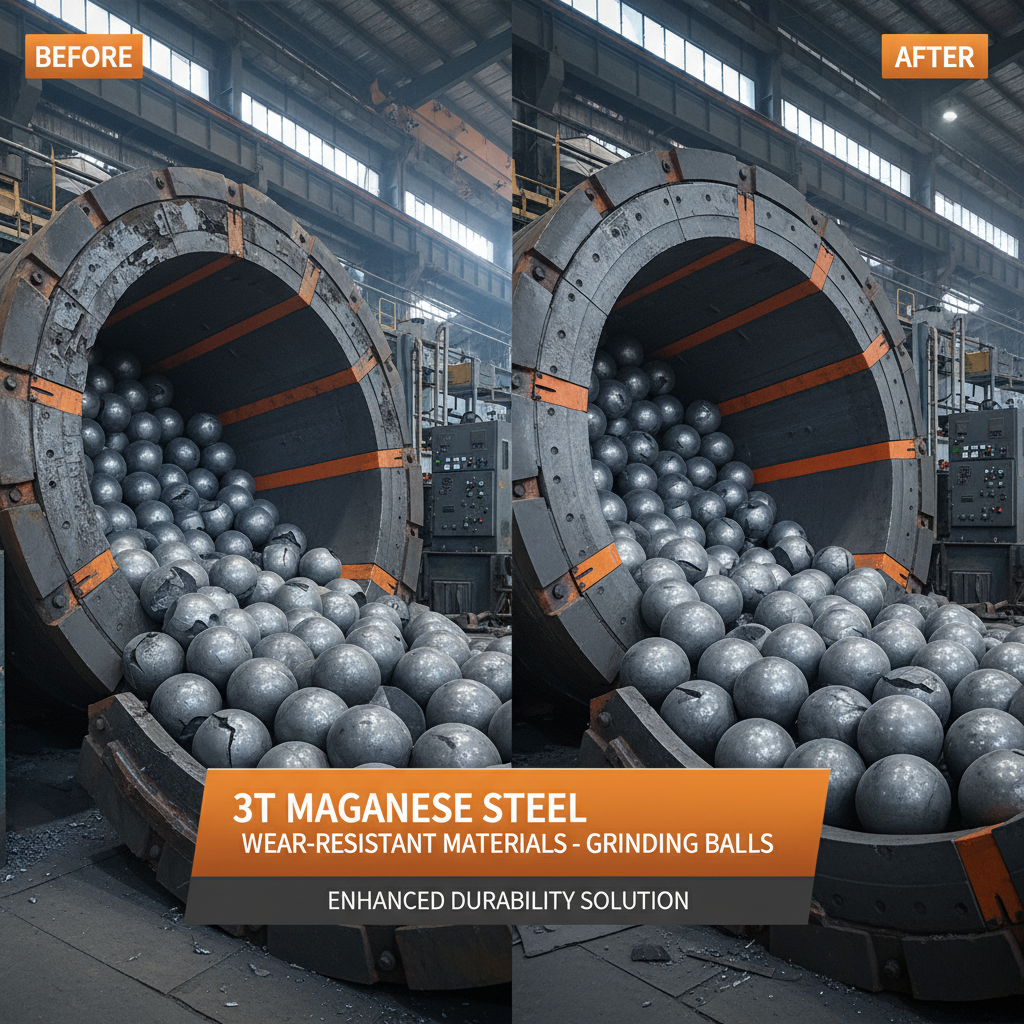
3T manganese steel is an iron-manganese alloy containing approximately 12-14% manganese, along with small amounts of carbon and silicon. Its unique properties stem from the formation of a hard, austenitic microstructure. Unlike many steels that become brittle when hardened, 3T manganese steel increases in strength and toughness with impact. This phenomenon, known as work hardening, makes it ideal for applications involving crushing, grinding, or high-stress impact. The “3T” designation is commonly used within the industry to identify this specific grade. Chengda Steel specializes in producing 3T manganese steel meeting rigorous industry standards.
Key Highlights: Exceptional toughness, work hardening capability, high wear resistance, and suitability for high-impact applications.
Key Properties of 3T Manganese Steel
The properties of 3T manganese steel set it apart from conventional steels. Here’s a breakdown of its key characteristics:
- High Toughness: Resists fracture even under severe impact.
- Work Hardening: Strength and hardness increase with deformation.
- Excellent Wear Resistance: Withstands abrasive forces exceptionally well.
- Good Weldability: Can be welded using specialized techniques.
- Non-Magnetic: Ideal for applications where magnetic interference is a concern.
3T Manganese Steel Applications
The unique characteristics of 3T manganese steel make it a preferred material for numerous demanding applications across diverse industries. Common uses include:
- Mining & Quarrying: Crusher jaws, screens, and liners.
- Railroad Industry: Rail crossings, switch points, and brake shoes.
- Construction: Bucket teeth, excavator liners, and rock breakers.
- Agricultural Machinery: Cultivator parts, plowshares, and wear plates.
- Defense Industry: Armor plating and specialized components.
3T Manganese Steel vs. Other Wear-Resistant Materials
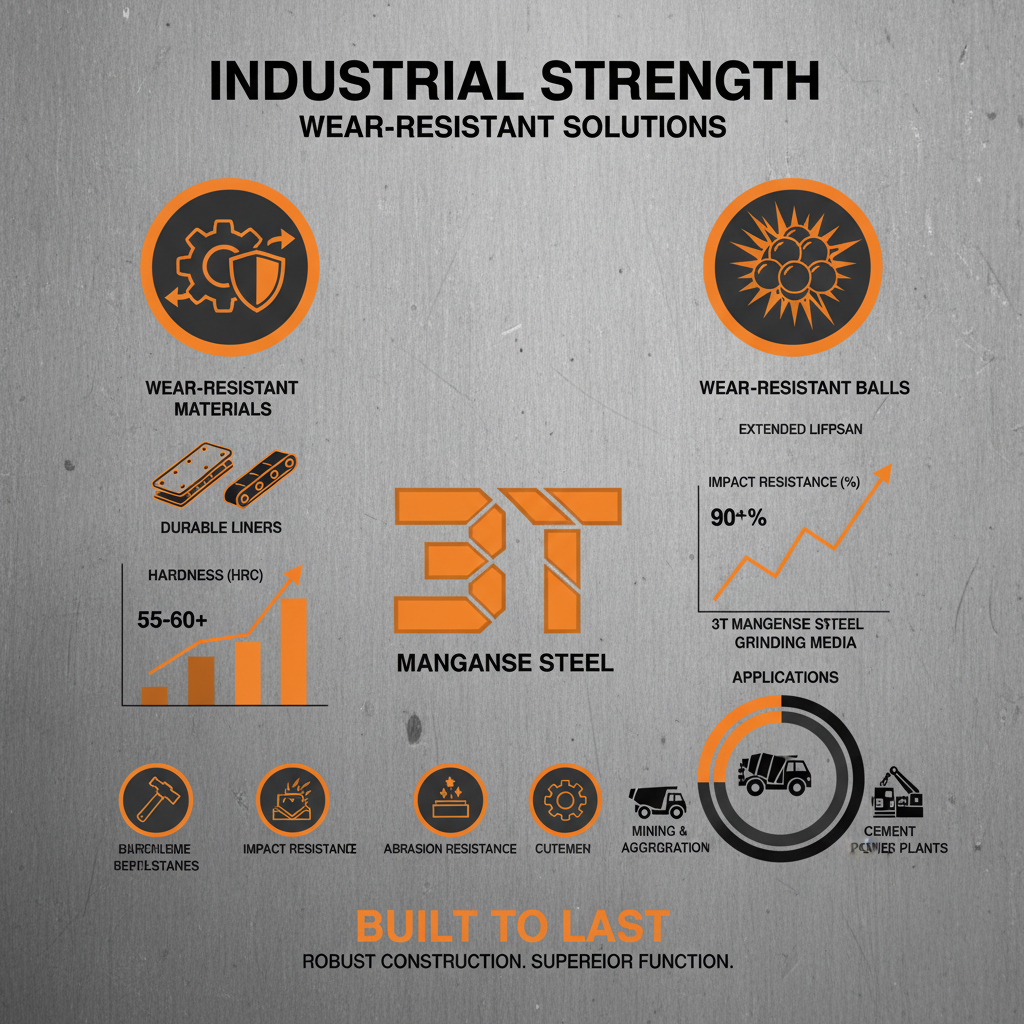
While several materials offer wear resistance, 3T manganese steel often proves superior in specific applications. Here’s a comparative look:
Sourcing 3T Manganese Steel from Chengda Steel
Choosing the right supplier is crucial for obtaining 3T manganese steel that meets your specific application requirements. Chengda Steel is a leading manufacturer and exporter of high-quality manganese steel, offering a comprehensive range of products and services. We are committed to providing consistent quality, competitive pricing, and reliable delivery. Our expertise and dedication to customer satisfaction make us a trusted partner for businesses worldwide. We offer customized solutions, including various sizes, shapes, and grades, tailored to your precise needs.
Conclusion: Partner with Chengda for Superior 3T Manganese Steel
3T manganese steel is an invaluable material for industries facing demanding wear and impact challenges. By choosing Chengda Steel as your supplier, you gain access to high-quality products, expert technical support, and a commitment to your success. Contact us today to discuss your specific requirements and experience the Chengda Steel difference.
Frequently Asked Questions (FAQs)
What are the typical applications of 3T Manganese Steel in the mining industry?
3T Manganese Steel is extensively used in mining operations due to its exceptional wear resistance and toughness. Common applications include crusher jaws, hammer blow bars, screen panels, hopper liners, and bucket teeth. These components are subjected to constant impact and abrasion from ore, rock, and other materials, making 3T Manganese Steel an ideal choice for minimizing downtime and maintenance costs. Its work-hardening property further enhances its performance over time, as the surface layer becomes increasingly resistant to wear with continued use. Chengda Steel offers a wide range of 3T Manganese Steel products specifically designed for mining applications.
How does work hardening contribute to the longevity of 3T Manganese Steel components?
Work hardening, also known as strain hardening, is a unique property of 3T Manganese Steel where the material becomes stronger and harder as it undergoes plastic deformation. In applications involving impact and abrasion, the surface layer of the steel is continuously subjected to stress, leading to increased hardness and wear resistance. This means that as the component is used, it actually becomes more durable over time. This self-strengthening mechanism significantly extends the lifespan of the component, reducing the need for frequent replacements and lowering overall operating costs.
What welding techniques are suitable for 3T Manganese Steel?
While 3T Manganese Steel can be welded, it requires specific techniques to avoid issues like cracking and loss of toughness. Shielded Metal Arc Welding (SMAW) with special low-hydrogen electrodes is commonly used. Submerged Arc Welding (SAW) is also a suitable option for thicker sections. It's crucial to avoid preheating or post-weld heat treatment, as these can alter the material's properties. Slow cooling rates are recommended to minimize the risk of cracking. Chengda Steel provides detailed welding guidelines and support to ensure successful fabrication.
-
Industrial Guide to Ferro Manganese Medium Carbon for Steel Production
NewsApr.16,2026
-
Professional Guide and Best Practices for drilling manganese steel
NewsApr.09,2026
-
Comprehensive Guide to DIN 1.3401 Stainless Steel Properties and Applications
NewsApr.07,2026
-
Optimizing Crusher Performance with Durable Manganese Alloys and Steel
NewsApr.04,2026
-
Comprehensive Guide to Chrome Manganese Steel Properties and Industrial Applications
NewsMar.31,2026
-
Understanding the Properties and Applications of Cast Manganese Steel
NewsMar.28,2026