Jan . 25, 2026 01:45 Back to list
Facing Plates Manufacturers - A Detailed Guide
Facing Plates Manufacturers: A Deep Dive
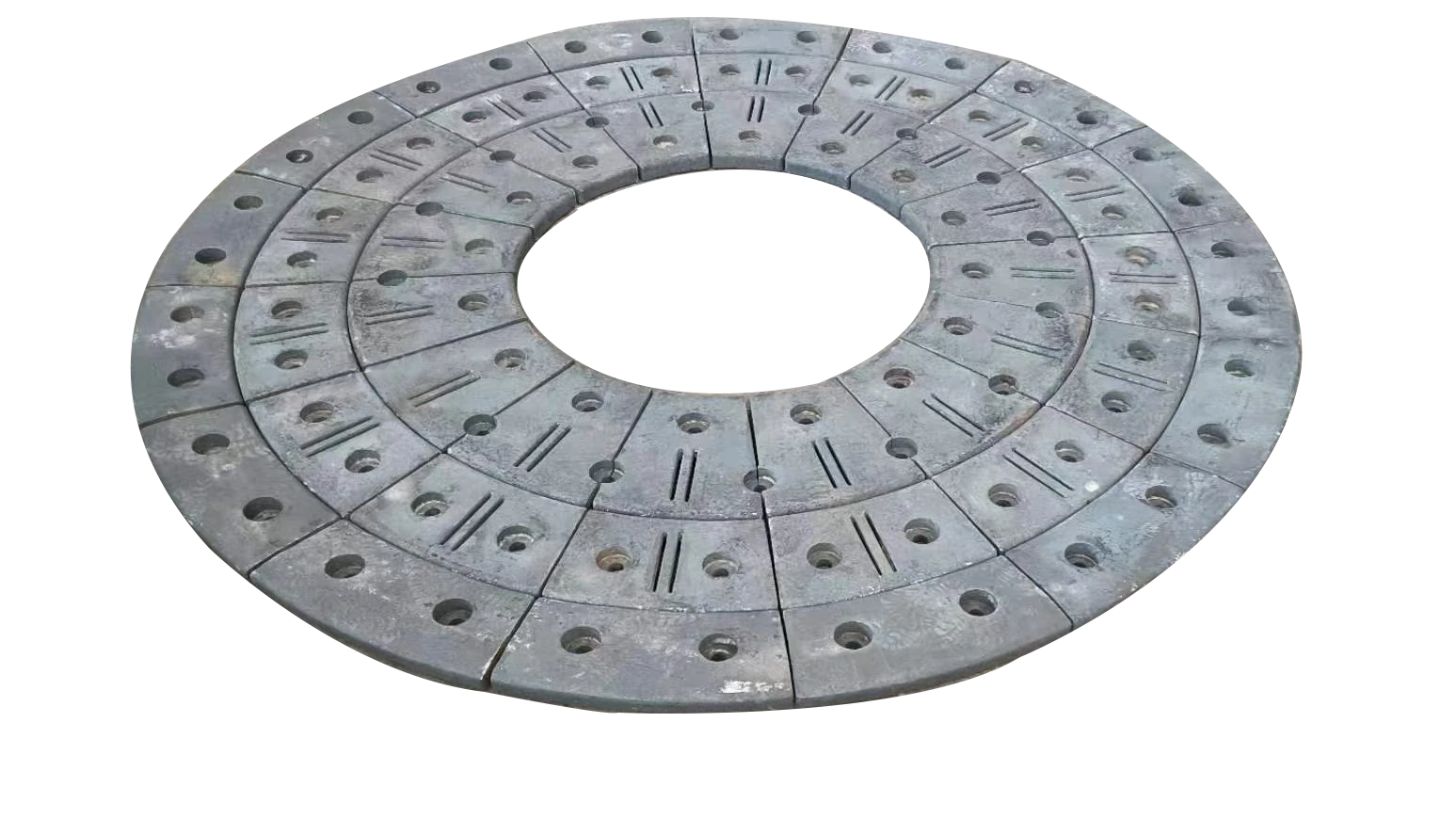
You know, I've spent a good chunk of my career walking around factories, and one thing always stands out: the lining. It's not glamorous, but it's critical. The facing plates—those protective layers inside chutes, hoppers, silos, anything handling abrasive materials—they take a beating. Frankly, a good lining can save a company a fortune in downtime and repairs, but finding the right manufacturer… that’s a whole other story. It’s evolved a lot in the last decade. We’ve moved beyond just steel, with ceramics and polymers becoming increasingly common, driven by the need for longer service life and specific material compatibility. It's an interesting field, full of practical engineering challenges.Product Specifications and Material Choices
A lot of it comes down to understanding the material you're dealing with, of course. Coal is different than iron ore, which is different from glass cullet... Each needs a different approach. But, generally speaking, here’s a breakdown of what you'd typically see in a high-quality facing plate. I suppose people always ask about hardness, but it’s a bit more complex than just a Rockwell number. Abrasion resistance, impact strength, and the plate’s ability to resist build-up are all key. I've noticed a real push for modular designs lately, making replacement much faster and cheaper.| Parameter | Value | Description |
|---|---|---|
| Material | AR400, Ceramic, UHMWPE | Depending on application |
| Thickness | 6mm - 25mm | Adjustable based on impact |
| Maximum Plate Size | 3000mm x 1500mm | Typical standard size |
| Installation | Bolting, Welding, Adhesive | Based on structure |
Vendor Landscape: Who's Doing It Right?
There are a lot of players in this market, frankly. Some are regional, some are global. And the quality can vary wildly. Many engineers say that consistency is the biggest issue. You need plates that perform the same way every time, without hidden flaws. I suppose it's about more than just the initial price; it’s about the total cost of ownership. We've worked with a few different vendors over the years, and I've put together a quick comparison of some of the bigger names. Oddly enough, a lot of them are based in China these days. I’ve included Chengda because they've been particularly responsive to custom requests, which is becoming more and more important.| Vendor | Material Range | Customization | Lead Time |
|---|---|---|---|
| Chengda | AR400, Ceramics, Polymers | Excellent | 4-6 weeks |
| Hayden Industries | Steel Alloys | Limited | 6-8 weeks |
| Elite Lining Solutions | UHMWPE, Rubber | Moderate | 5-7 weeks |
Looking Ahead: The Future of Facing Plates
I think we'll continue to see more sophisticated materials and designs. We had a client a while back, a cement plant, that was constantly battling build-up in their silos. They switched to a ceramic lining with a self-cleaning surface, and their downtime dropped by almost 30%. It kind of blew everyone away. The key is to really understand the application and work with a vendor who can offer tailored solutions… it's not a one-size-fits-all world. It's about finding the sweet spot between performance, cost, and longevity.Pervious:
Latest news
-
Industrial Guide to Ferro Manganese Medium Carbon for Steel Production
NewsApr.16,2026
-
Professional Guide and Best Practices for drilling manganese steel
NewsApr.09,2026
-
Comprehensive Guide to DIN 1.3401 Stainless Steel Properties and Applications
NewsApr.07,2026
-
Optimizing Crusher Performance with Durable Manganese Alloys and Steel
NewsApr.04,2026
-
Comprehensive Guide to Chrome Manganese Steel Properties and Industrial Applications
NewsMar.31,2026
-
Understanding the Properties and Applications of Cast Manganese Steel
NewsMar.28,2026