Oct . 05, 2025 22:25 Back to list
Grinding Cylpebs That Boost Mill Output—Why Choose Us?
What’s Really Happening in Grinding Cylpebs: Specs, Trends, and Hard-Won Lessons
If you’ve worked in a cement plant or a mining concentrator for more than a month, you’ve heard the debates about milling media. Balls, cylpebs, ceramic blends—the works. Lately, I’ve been touring mills from Hebei to the Andes, and the name that kept popping up around finish grinding lines was grinding cylpebs. To be honest, I was skeptical at first. But the field data—and the maintenance logs—make a solid case when the metallurgy is right.
Product snapshot (industry-grade, not brochure fluff)
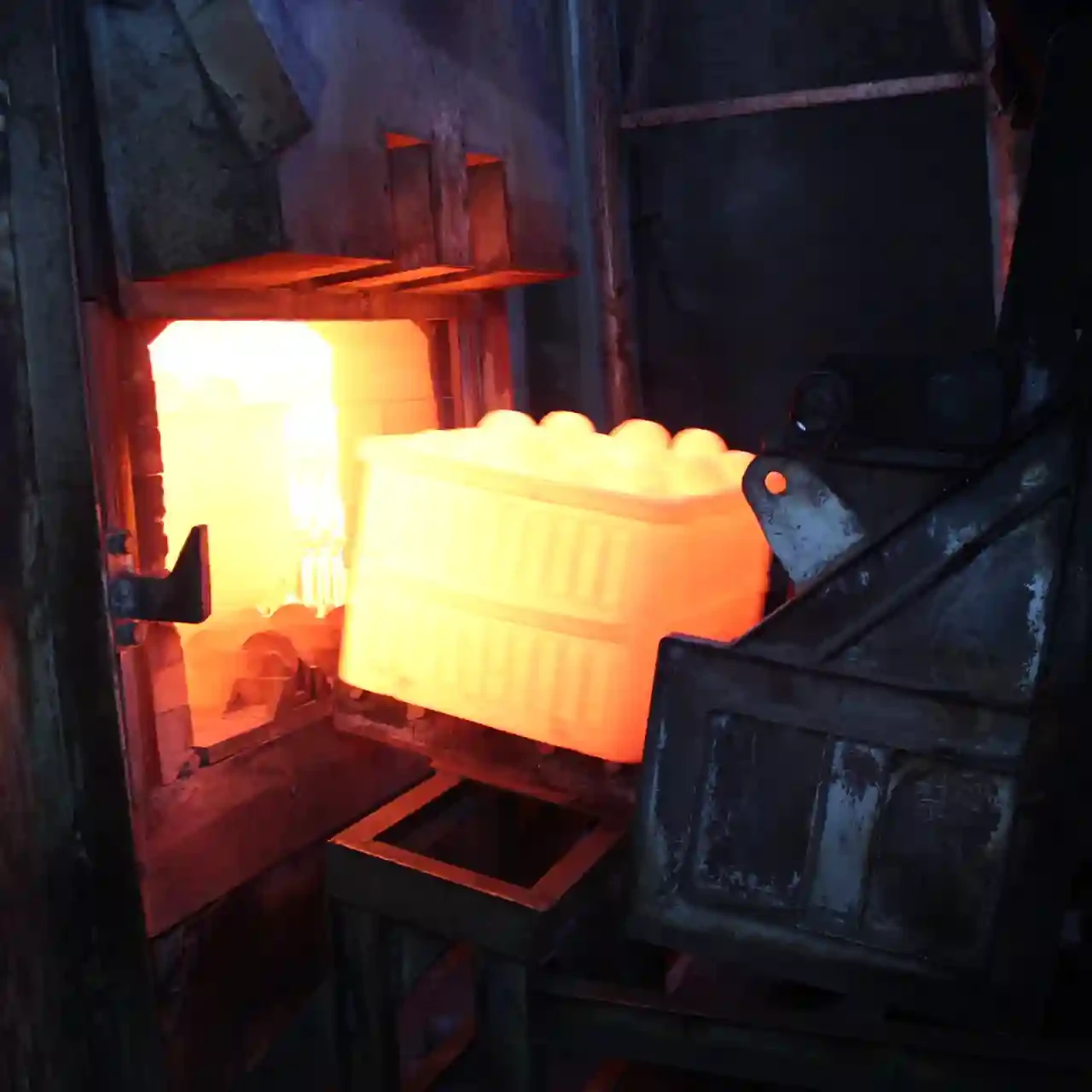
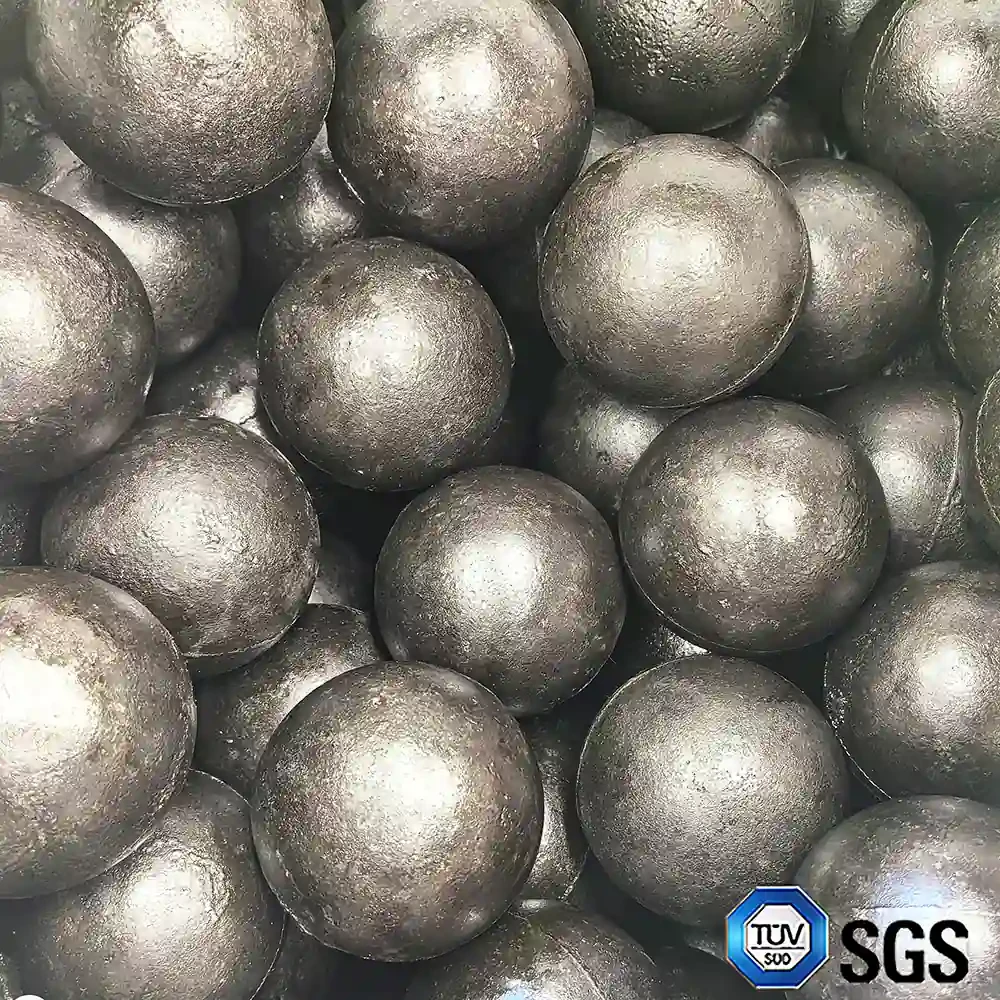
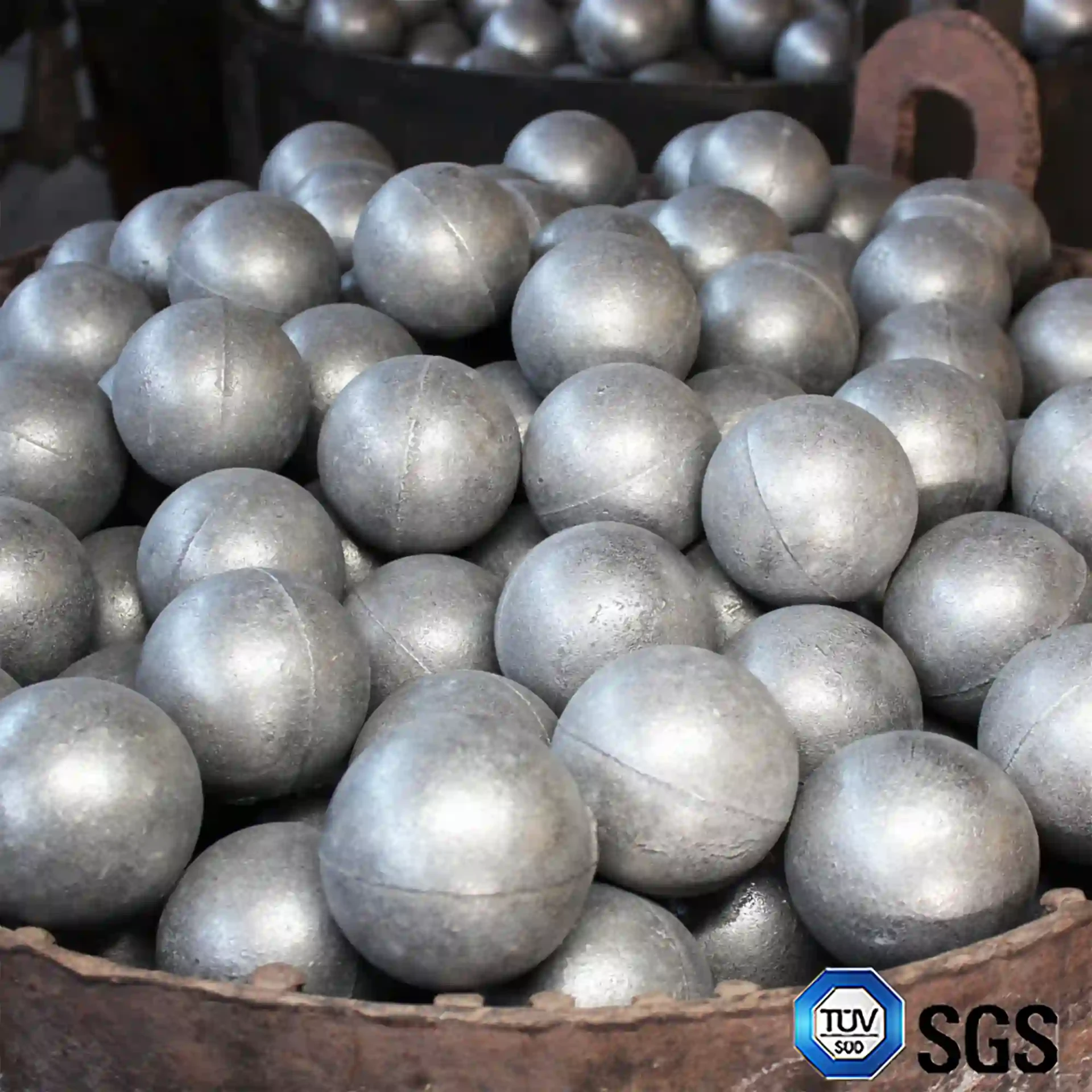
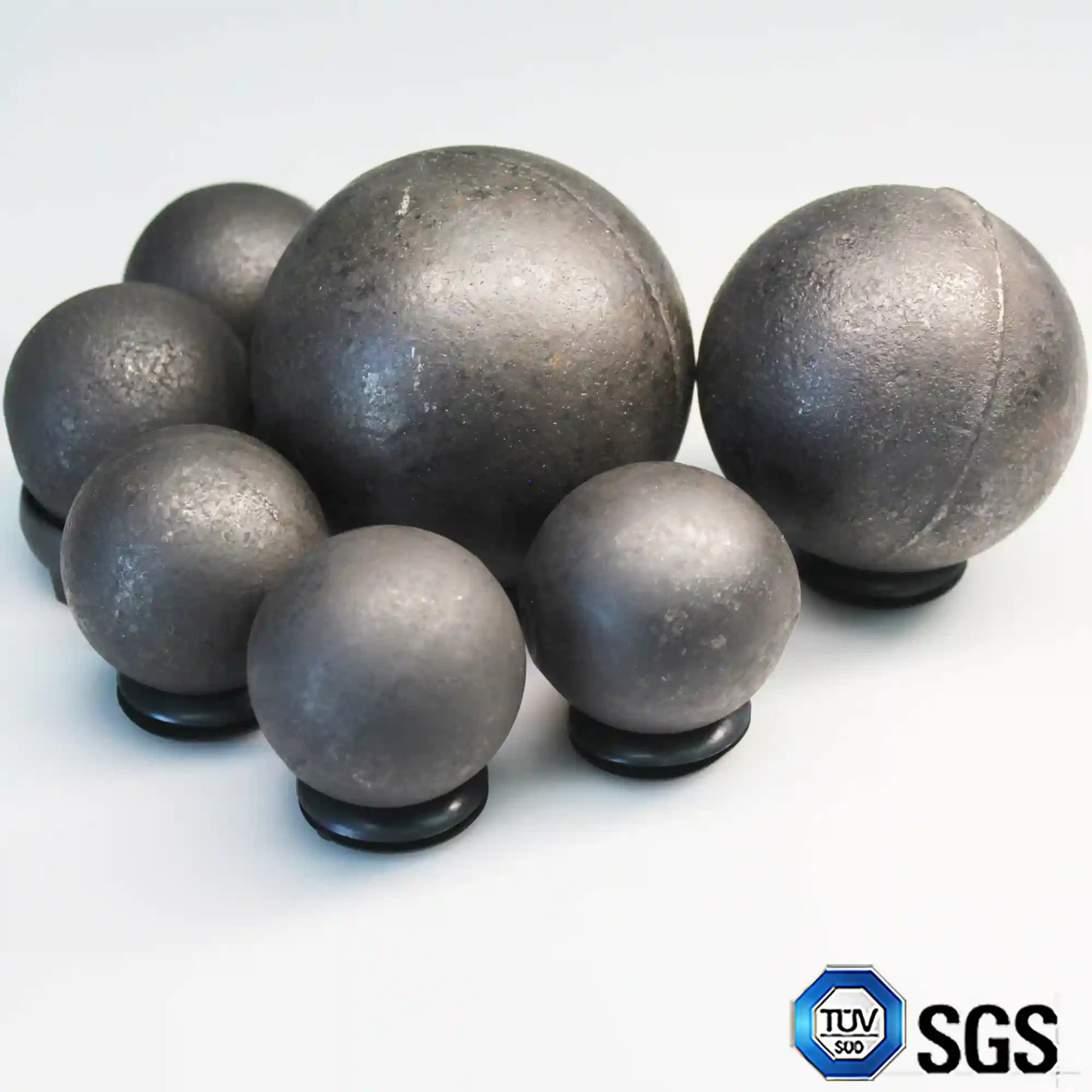
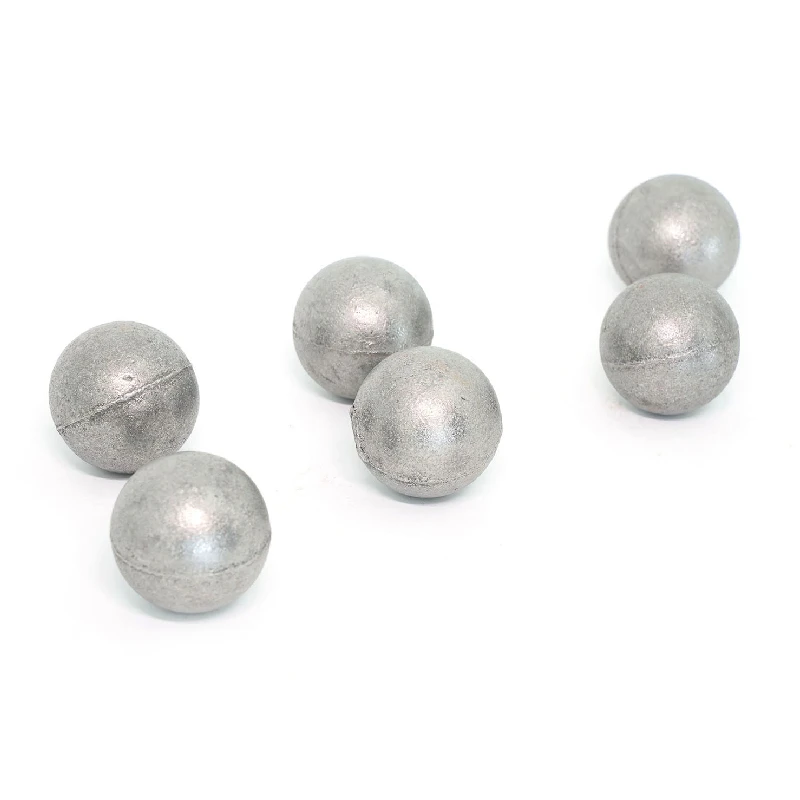
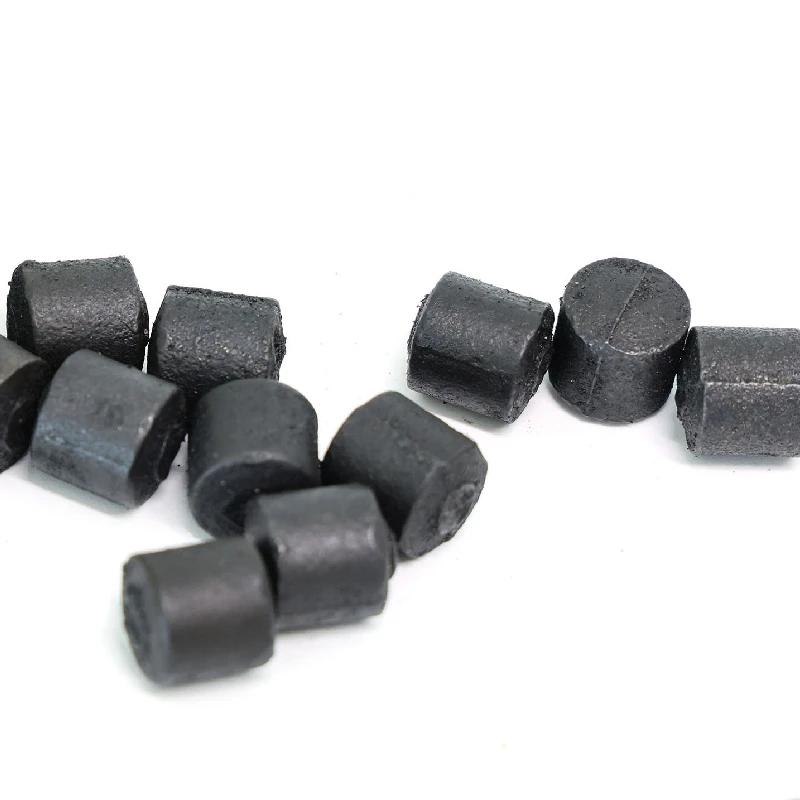
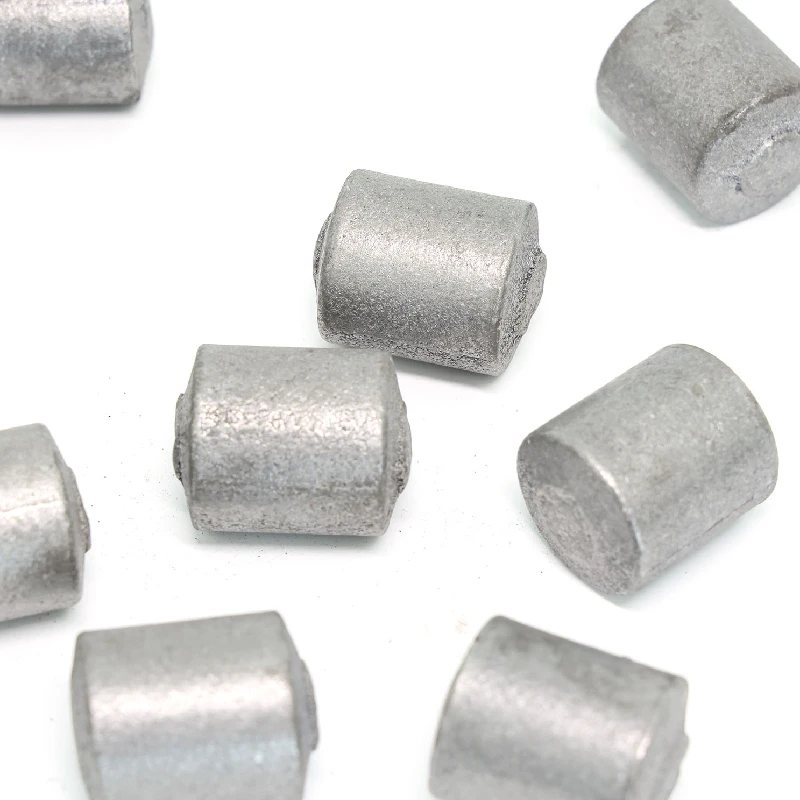
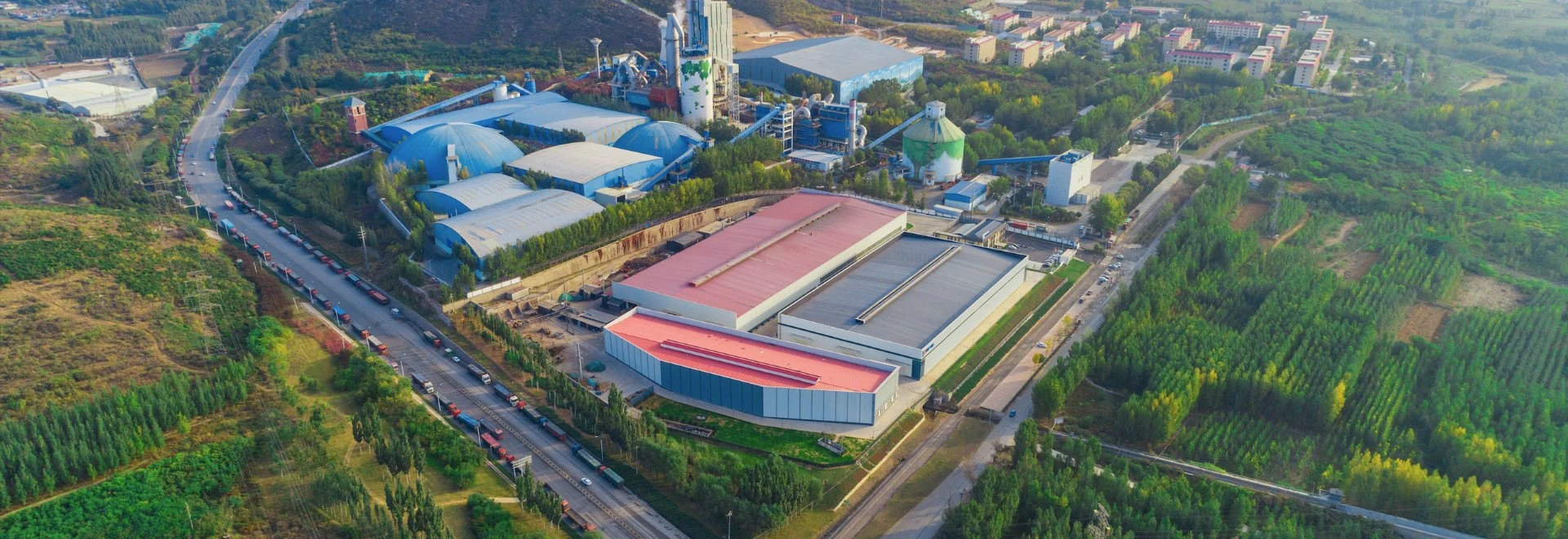
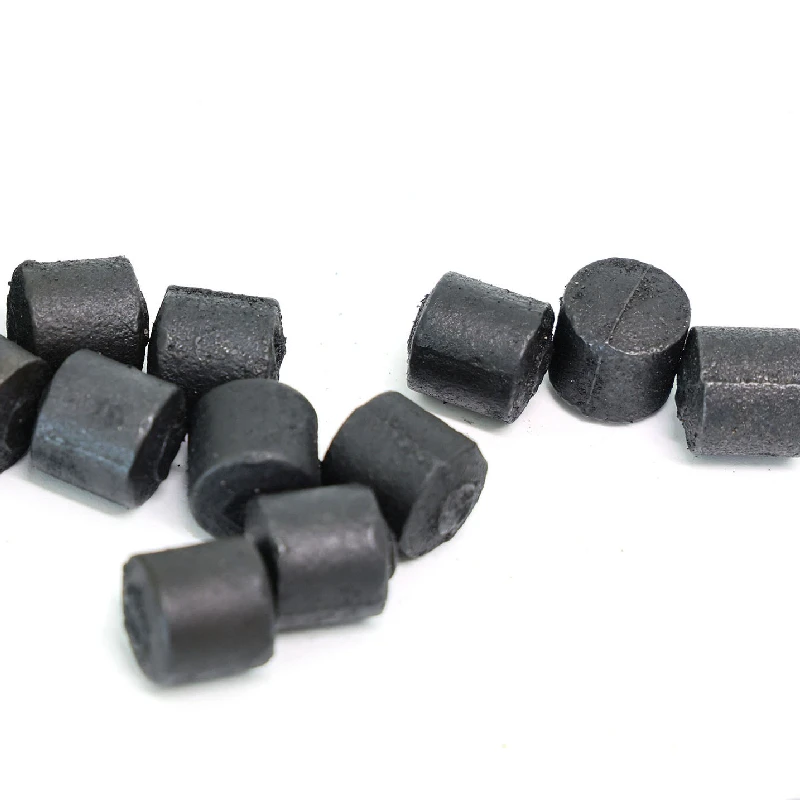
Chengda’s “High chromium grinding steel forging” is produced in KIZUN Industry Zone, Luquan, Sihijiazhuang city, Hebei, China. Material chemistry sits in the Chrome 10%–28% band, with casting and controlled heat treatment applied, sized roughly from 8×10 up to 40×45 mm. Black as-delivered, as you’d expect from martensitic high-chrome iron. It’s designed for cement, mining mills, chemicals, petroleum, refractories, and general machinery.
Why cylpebs, and where they shine
In fine grinding stages, grinding cylpebs often deliver tighter size distribution and slightly higher surface area generation—especially in cement finish mills and secondary ball mills. Many customers say they see steadier mill power draw and reduced over-grinding, which, surprisingly, shows up as a smoother Blaine curve week over week. That said, in coarse SAG duty? Not their home turf.
Process flow (shop-floor reality)
- Materials: High-chromium white iron (Cr ≈10–28%), controlled C, Mo/V additions as needed.
- Methods: Precision casting, quench-and-temper heat treatment; sizing by grinding/shot blasting.
- Testing standards: Chemical by spectrometer (ISO 17025 labs), hardness per ISO 6508-1 (Rockwell C), microstructure by ASTM E112; abrasion relevance per ASTM A532 guidance.
- Service life: Around 1.3–2.2× vs low-chrome media in cement mills; real-world use may vary with clinker abrasiveness and liner design.
- Industries: Cement finish grinding, iron ore regrind, phosphate, ceramics, some chemical milling loops.
Product specifications (typical)
| Parameter | High chromium grinding steel forging | Notes |
|---|---|---|
| Chrome (Cr) | ≈10%–28% | Selected per mill chemistry and wear mode |
| Size range | 8×10 to 40×45 mm | Custom fractions on request |
| Hardness (HRC) | ≈ 58–65 HRC | Surface-to-core gradient controlled |
| Density | ≈ 7.6–7.8 g/cm³ | Impacts mill load calculations |
| Wear rate (cement) | ≈ 25–45 g/t | Plant trials; clinker-dependent |
Vendor comparison (what buyers actually ask)
| Vendor | Chrome range | Size tolerance | Certifications | Lead time | Notes |
|---|---|---|---|---|---|
| Chengda (Hebei) | 10–28% | ≈ ±1.5 mm | ISO 9001; ISO 14001 (site dependent) | 3–5 weeks | Heat-treatment traceability; lot testing |
| Global Mill Media Co. | 12–22% | ≈ ±2 mm | ISO 9001 | 4–7 weeks | Global warehousing; standard mixes |
| Regional Foundry | 8–18% | ≈ ±3 mm | Varies | 2–4 weeks | Fast deliveries; limited metallurgy options |
Customization options
- Alloy tuning: Cr 10–28%, with Mo/V/Ni tweaks for toughness vs. abrasion.
- Size/ratio: 8×10 up to 40×45 mm; gradation packs tailored to Bond work index.
- Heat-treatment profile: Surface hardening with controlled core to manage spalling.
- Surface finish: Shot-peened, passivated; bulk bags or drums with rust inhibitor.
Case study (cement, finish mill)
A 120 t/h cement plant in South Asia swapped in grinding cylpebs (Cr≈22%, 18×22 and 20×25 mm mix). Over 60 days, wear rate averaged ≈31 g/t vs ≈49 g/t with prior media; mill power dipped ~3%, Blaine held steady. Maintenance reported zero visible spalling and fewer top-ups. Not a miracle—just good metallurgy and sizing.
Quality and testing
- Chemistry: Spectro-certified heats; retained samples for each batch.
- Hardness: ISO 6508-1 Rockwell C; optional microhardness mapping (ISO 6507).
- Microstructure: Martensite + carbides confirmed; carbides distributed to limit crack propagation.
- Lot documentation: Mill test certificates; optional third-party ISO 17025 reports.
Final thought: grinding cylpebs won’t fix a poorly loaded mill or a mismatched liner profile. But when the circuit is close to tuned, good high-chrome media can shave energy and stabilize PSD—quietly, which is how the best improvements happen.
Authoritative citations
- ASTM A532/A532M – Standard Specification for Abrasion-Resistant Cast Irons. ASTM International.
- ISO 6508-1:2016 – Metallic materials — Rockwell hardness test. International Organization for Standardization.
- Bond, F. C. Crushing and Grinding Calculations. British Chemical Engineering, 1952.
- SME Mineral Processing & Extractive Metallurgy Handbook, Society for Mining, Metallurgy & Exploration, 2019.
-
Industrial Guide to Ferro Manganese Medium Carbon for Steel Production
NewsApr.16,2026
-
Professional Guide and Best Practices for drilling manganese steel
NewsApr.09,2026
-
Comprehensive Guide to DIN 1.3401 Stainless Steel Properties and Applications
NewsApr.07,2026
-
Optimizing Crusher Performance with Durable Manganese Alloys and Steel
NewsApr.04,2026
-
Comprehensive Guide to Chrome Manganese Steel Properties and Industrial Applications
NewsMar.31,2026
-
Understanding the Properties and Applications of Cast Manganese Steel
NewsMar.28,2026