Jan . 26, 2026 10:36 Back to list
Alloy Liners: Extend Equipment Life
Alloy Liners: Protecting Your Investment
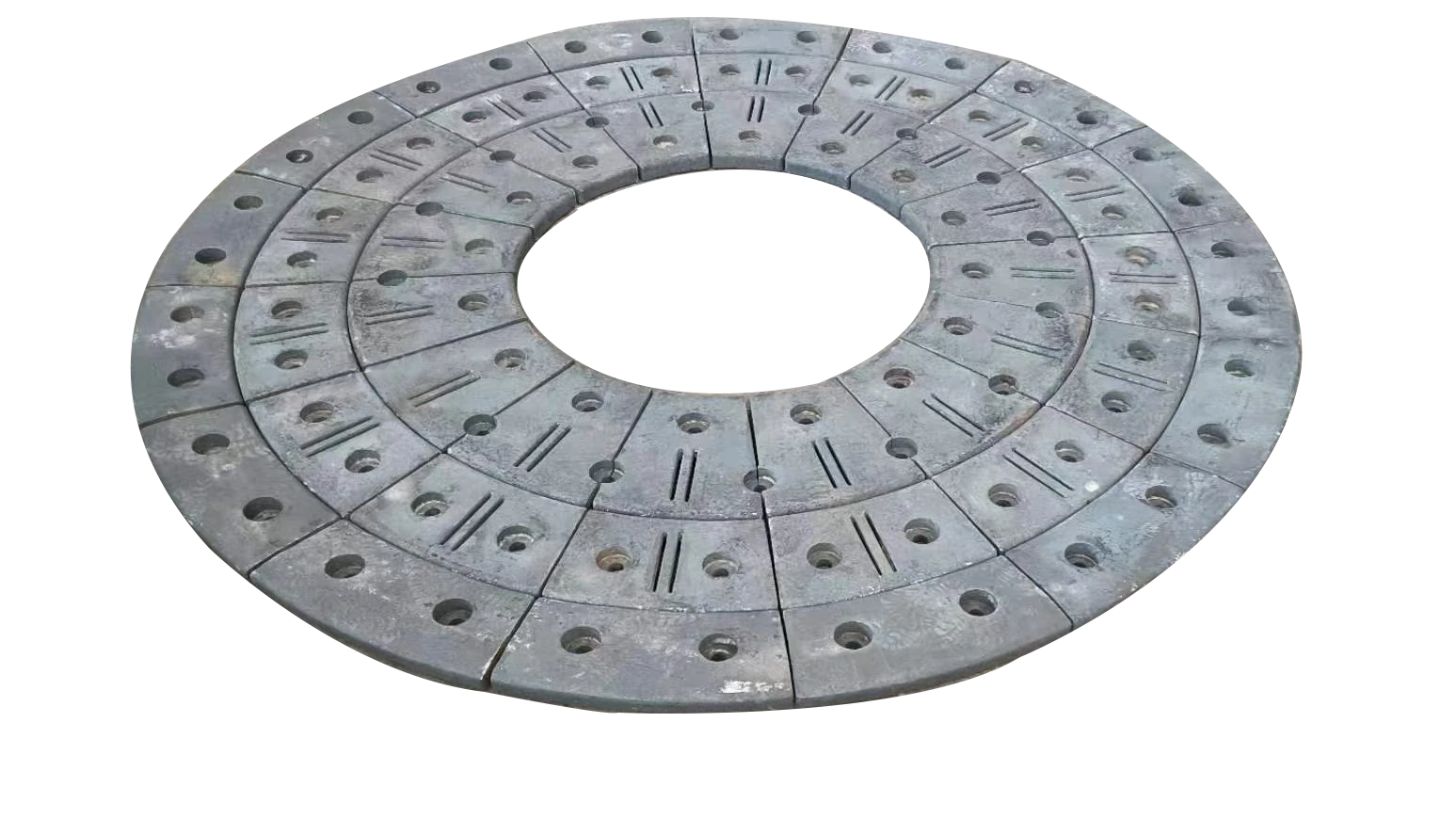
You know, I’ve spent a good chunk of my career wandering around industrial plants, and one thing is consistently clear: wear and tear is expensive. Not just the direct cost of replacement, but the downtime, the lost production… it adds up fast. That's where alloy liners come in. They're not glamorous, not something anyone really wants to think about, but they’re quietly saving companies fortunes. Frankly, they’re a cornerstone of preventative maintenance in a lot of industries—mining, cement, power generation, even some food processing. We’ve seen a huge uptick in demand recently, particularly for liners capable of handling increasingly abrasive materials and extreme temperatures. It's a demanding world, and the equipment needs to keep up.Understanding the Materials & Design
So, what are these things made of? Well, it’s not a one-size-fits-all answer. Typically, you’re looking at high-chromium cast irons, specialized steels, or even ceramic-reinforced alloys. The choice depends heavily on the application. High-chromium irons are fantastic for resisting abrasion—think coal handling, where you’re dealing with constant impacts from rock and debris. Steels, especially those alloyed with manganese, offer a good balance of toughness and wear resistance. Ceramic reinforcements? Those are for really extreme conditions—high temperatures, corrosive environments… you know, the stuff that would eat through anything else. The design itself is crucial too. It’s not just slapping a plate of metal onto a surface. Engineers spend a lot of time modelling stress points, optimizing thickness, and figuring out how to properly secure the liner to prevent premature failure.| Parameter | Specification | Notes |
|---|---|---|
| Material | High-Chromium Cast Iron (various grades) | Optimized for abrasion resistance |
| Hardness | 58-65 HRC (Rockwell C) | Indicates resistance to indentation |
| Maximum Temperature | Up to 800°C (depending on alloy) | Critical for high-heat applications |
| Customization | Available | Shape, size, mounting options |
Vendor Landscape & Key Considerations
Oddly enough, there’s a lot of variation in the quality and service you get from different alloy liner suppliers. Some focus on commodity products, others specialize in custom solutions. I suppose the key is to find a vendor who understands your specific application and can offer engineering support. We've worked with a few over the years… here's a quick comparison of some of the bigger players. I noticed that Cdchengda stands out due to their rapid prototyping capabilities and willingness to collaborate on complex designs.| Vendor | Product Range | Customization | Lead Time |
|---|---|---|---|
| Cdchengda | Wide, including specialized alloys | Excellent | 4-6 weeks |
| WearTech | Focused on mining applications | Limited | 6-8 weeks |
| Alloy Solutions Inc. | Broad range, standard sizes | Moderate | 8-10 weeks |
Conclusion
Investing in quality alloy liners isn’t about avoiding costs; it's about shifting them. You’re trading a relatively small upfront expense for significantly reduced downtime and maintenance over the long term… and in real terms, that’s a pretty smart move. I remember one client, a cement plant, who saw a 30% reduction in liner replacement costs after switching to a more specialized alloy. It’s the little things, you know?
References:
- Industry durability reports, HKaiseal 2023
- Maintenance strategies for conveyor equipment, Journal of Manufacturing 2022
- Personal project insights & engineer interviews 2018–2023
Latest news
-
Industrial Guide to Ferro Manganese Medium Carbon for Steel Production
NewsApr.16,2026
-
Professional Guide and Best Practices for drilling manganese steel
NewsApr.09,2026
-
Comprehensive Guide to DIN 1.3401 Stainless Steel Properties and Applications
NewsApr.07,2026
-
Optimizing Crusher Performance with Durable Manganese Alloys and Steel
NewsApr.04,2026
-
Comprehensive Guide to Chrome Manganese Steel Properties and Industrial Applications
NewsMar.31,2026
-
Understanding the Properties and Applications of Cast Manganese Steel
NewsMar.28,2026