Oct . 12, 2025 13:15 Back to list
Chromium Carbide Liner: Extreme Wear Protection & Long Life
High Chromium Alloy Liner: An Insider’s Take on What’s Working Now
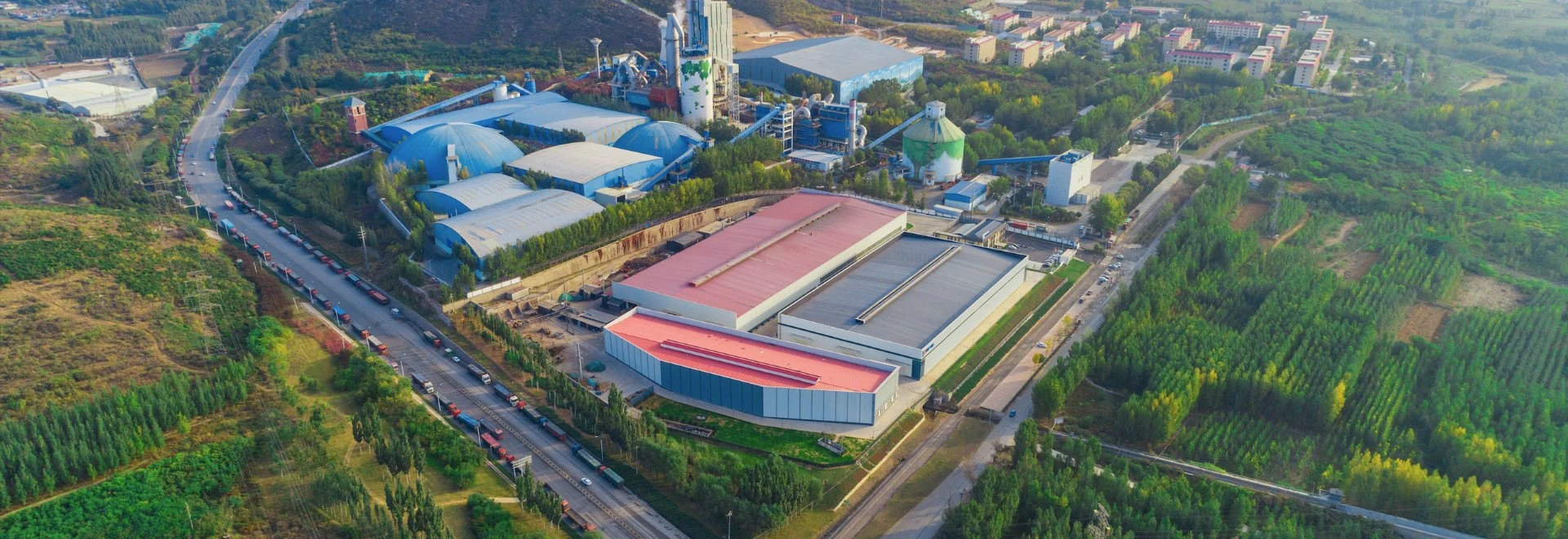
If you handle chutes, hoppers, clinker coolers or slurry lines, you’ve probably wrestled with liner choices. I’ve toured a lot of plants lately, and the product I keep hearing about—often with a pragmatic shrug—is the chromium carbide liner. Origin story? The one I’m reviewing today ships out of KIZUN Industry Zone, Luquan, Shijiazhuang, Hebei, China. It’s marketed simply as a high chromium alloy liner, but the microstructure and wear behavior tick all the right carbide boxes.
What it is (and why it matters)
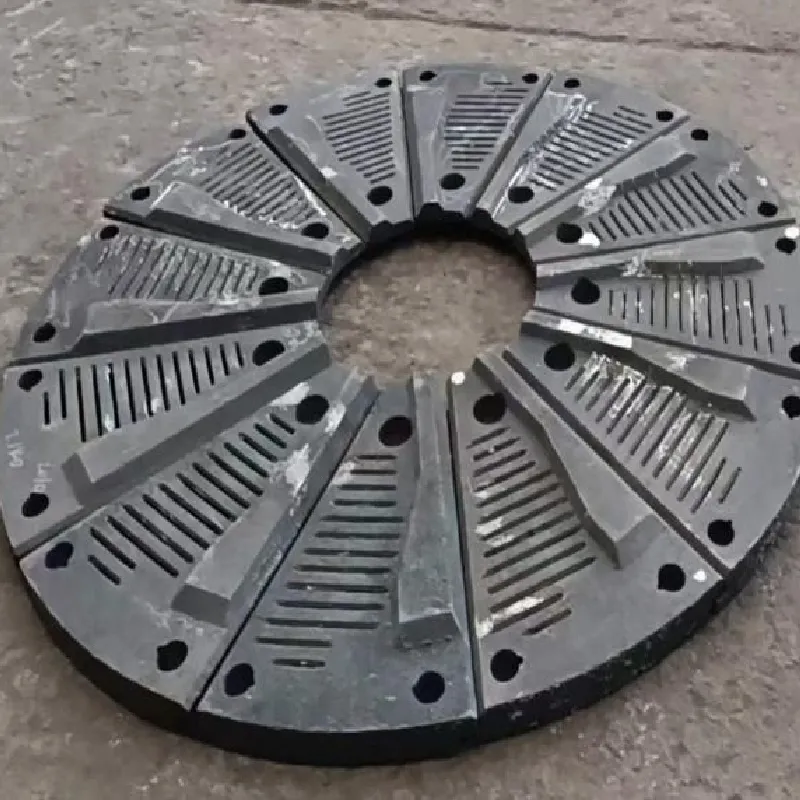
This family of wear parts uses high-chromium white iron—rich in M7C3 carbides—cast or bonded to form a tough, abrasion-dominant surface. In plain English: it shrugs off sliding wear and still handles impact reasonably well. Many customers say they get multiple shutdowns back-to-back without swapping liners, which is really what you care about on overtime Fridays.
Quick spec snapshot
| Parameter | Typical Value (≈, real-world use may vary) |
|---|---|
| Material standard | High-Cr white iron (≈ ASTM A532 Class III Type A) |
| Hardness | 58–64 HRC after heat treatment (ASTM E18) |
| Carbide phase | M7C3 primary + eutectic network; CVF ≈ 25–35% |
| Thickness options | 10–60 mm (custom on request) |
| Abrasion loss | ≈ 60–120 mm³ (ASTM G65 Proc. A) |
| Service life vs AR450 | ≈ 3–7× in sliding abrasion applications |
| Max service temperature | Up to ~600°C intermittent (application-specific) |
Process flow, testing, and QA
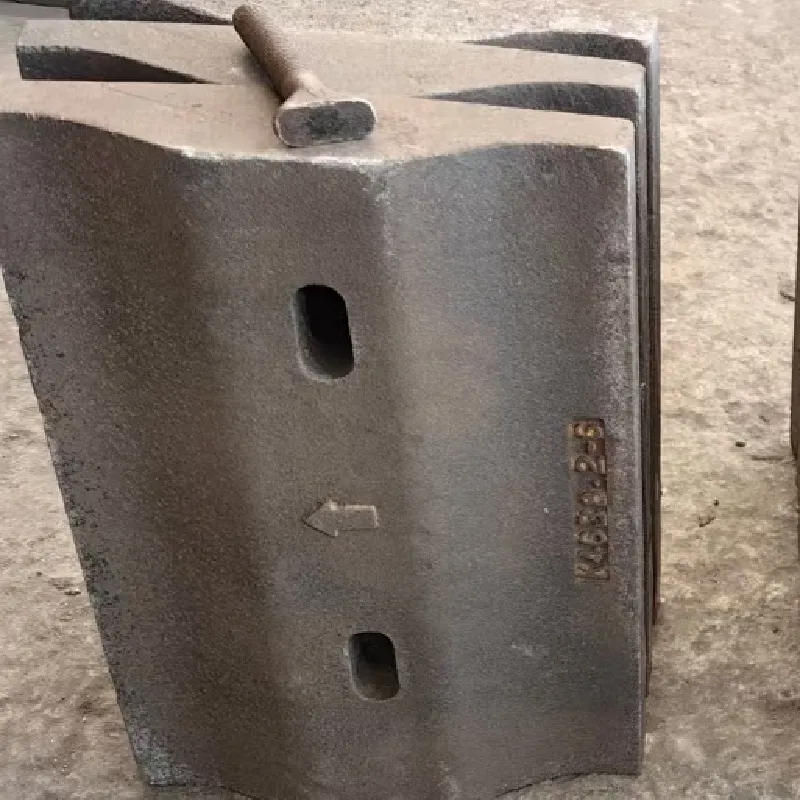
- Materials: high-Cr iron melt (Cr ≈ 23–28%), low S/P, controlled carbon; optional mild-steel backing/anchors.
- Methods: precision sand casting or cast-in inserts; normalized, quenched and tempered heat treatment for stable HRC.
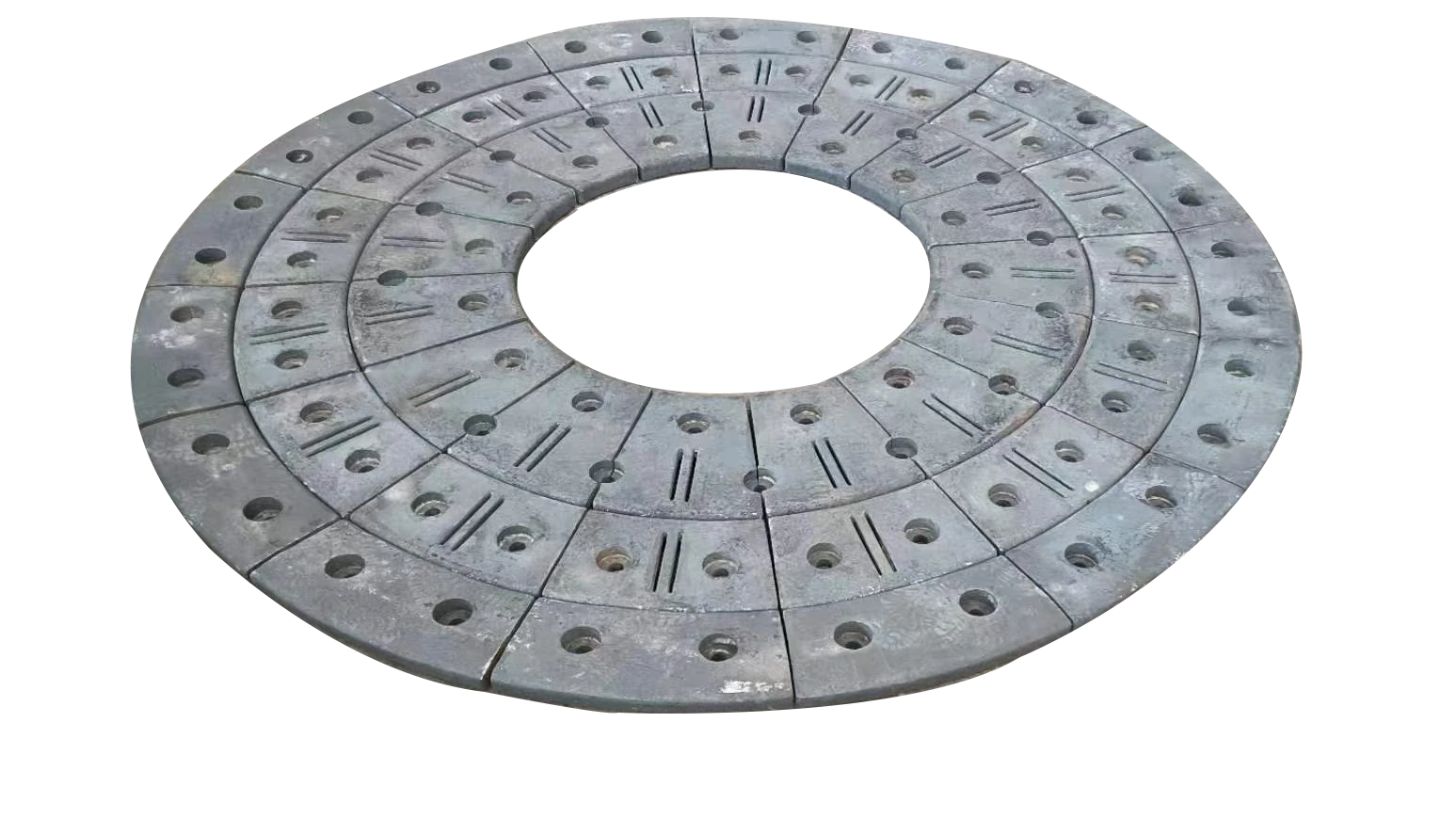
- Machining & fit-up: drilling/countersinking, stud welding, or cast-in bolts for fast swaps.
- Testing: hardness per ASTM E18; abrasion per ASTM G65; microstructure checks; dimensional inspection (shop gauges), and NDT where needed.
- Certifications: ISO 9001:2015 quality management; material traceability with heat numbers.
Where it shines
Cement clinker chutes, quarry transfer points, iron ore pellet plants, coal prep cyclones, and grain handling (yes, really—silica fines eat mild steel) are the obvious wins. A chromium carbide liner loves dry sliding abrasion. For high impact (big rock collisions), you can pair with a tough backing plate or use segmented tiles so energy is shared. In slurries, a chromium carbide liner competes well unless you have extreme gouging or corrosive chemistries—then we talk duplex materials or ceramic composites.
Vendor landscape (my field notes)
| Vendor | Material/Method | Hardness (HRC) | Lead Time | Certs | Notes |
|---|---|---|---|---|---|
| Vendor A (Hebei) | Cast high-Cr liner | 58–64 | ≈ 2–4 weeks | ISO 9001 | Strong on custom shapes; competitive MOQ. |
| Vendor B (Regional) | CCO plate (weld overlay) | ≈ 54–60 | ≈ 1–2 weeks | ISO 9001 | Fast, good for flat panels; less cast complexity. |
| Vendor C (Local fab) | AR plate + plug-welded tiles | Varies | Short | — | Quick repairs; performance depends on tile quality. |
Customization and install notes
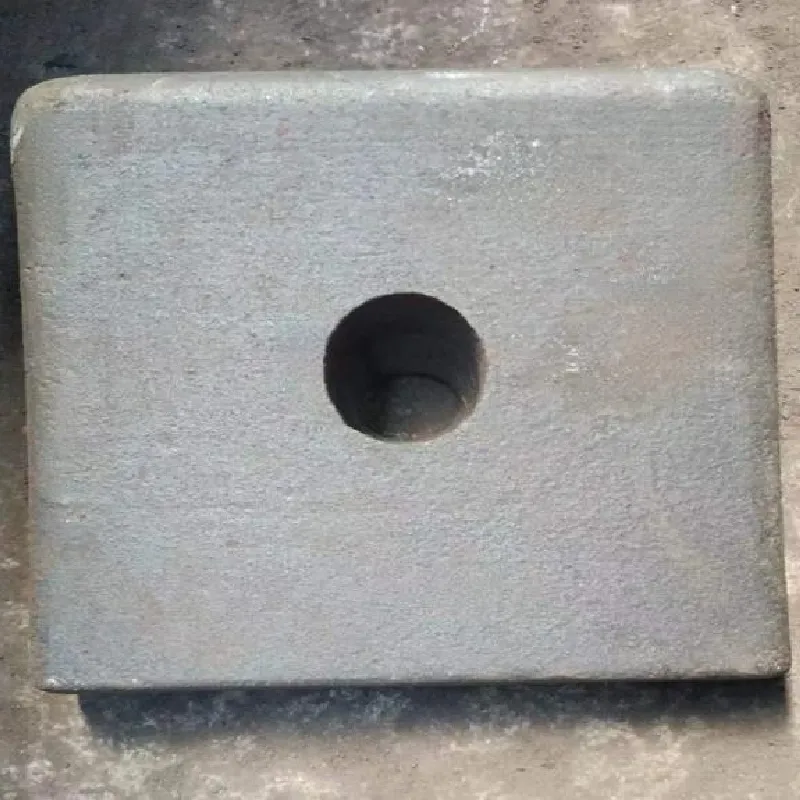
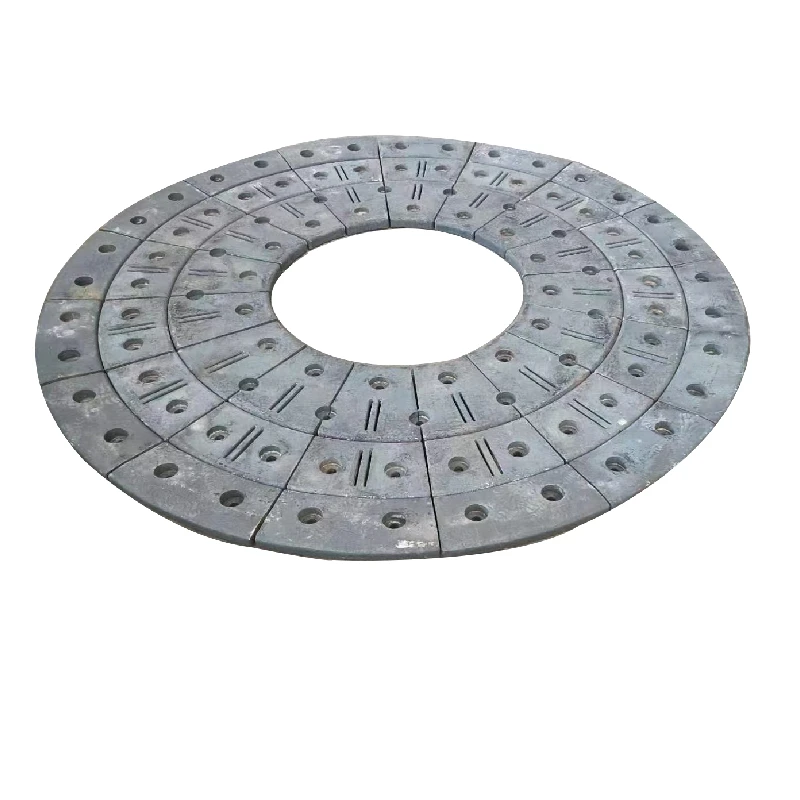
You can spec curved, stepped, or waffle-face profiles; cast-in studs or countersunk holes; and match hole patterns to legacy steel. I guess the simplest upgrade path is a drop-in chromium carbide liner cut to your original drawing, with shim packs for alignment.
Case study (abridged)
Cement plant, clinker chute, 300–450°C. Swapped AR400 plates (changeout every ~10 weeks) for high-Cr liners. After install, inspections at weeks 10, 20, and 30 showed acceptable wear scars; first planned replacement at week 36—about 3.5× life. Operators liked the cast-in bolt design—less crawling time inside the chute. To be honest, that alone sold the maintenance manager.
Bottom line
If your failure mode is sliding abrasion with moderate impact, a chromium carbide liner is still the pragmatic champion. Ask for ASTM A532 compliance, ASTM G65 test data, and ISO 9001 paperwork—then pilot a set in your highest-wear zone. The numbers tend to speak for themselves.
Authoritative citations
- ASTM A532/A532M – Standard Specification for Abrasion-Resistant Cast Irons.
- ASTM G65 – Standard Test Method for Measuring Abrasion Using the Dry Sand/Rubber Wheel Apparatus.
- ASTM E18 – Standard Test Methods for Rockwell Hardness of Metallic Materials.
- ISO 9001:2015 – Quality management systems — Requirements.
-
Industrial Guide to Ferro Manganese Medium Carbon for Steel Production
NewsApr.16,2026
-
Professional Guide and Best Practices for drilling manganese steel
NewsApr.09,2026
-
Comprehensive Guide to DIN 1.3401 Stainless Steel Properties and Applications
NewsApr.07,2026
-
Optimizing Crusher Performance with Durable Manganese Alloys and Steel
NewsApr.04,2026
-
Comprehensive Guide to Chrome Manganese Steel Properties and Industrial Applications
NewsMar.31,2026
-
Understanding the Properties and Applications of Cast Manganese Steel
NewsMar.28,2026