High Chromium Grinding Media and Manganese Steel Price Trends
When optimizing milling circuits in the mining and metallurgical industries, engineers often face a critical trade-off between material hardness and impact toughness. The selection of grinding media is not merely about the initial cost but about the total cost of ownership, where factors like wear rates and energy consumption play a decisive role. While many procurement managers monitor the manganese steel price to gauge market trends, the actual operational value is found in the metallurgical precision of the casting process.
At Shijiazhuang Chengda Wear resistant materials Co.,LTD, we bridge the gap between raw material costs and operational efficiency. By specializing in high chromium wear-resistant materials, we provide grinding media that exceeds national standards for hardness consistency. Our focus on ultra-high chromium technology ensures that whether you are crushing feed material in the first chamber or performing fine grinding in the second, the media maintains a stable gradation, reducing downtime and maximizing the throughput of your mill.

Precision Engineering in High Chromium Grinding Media Production
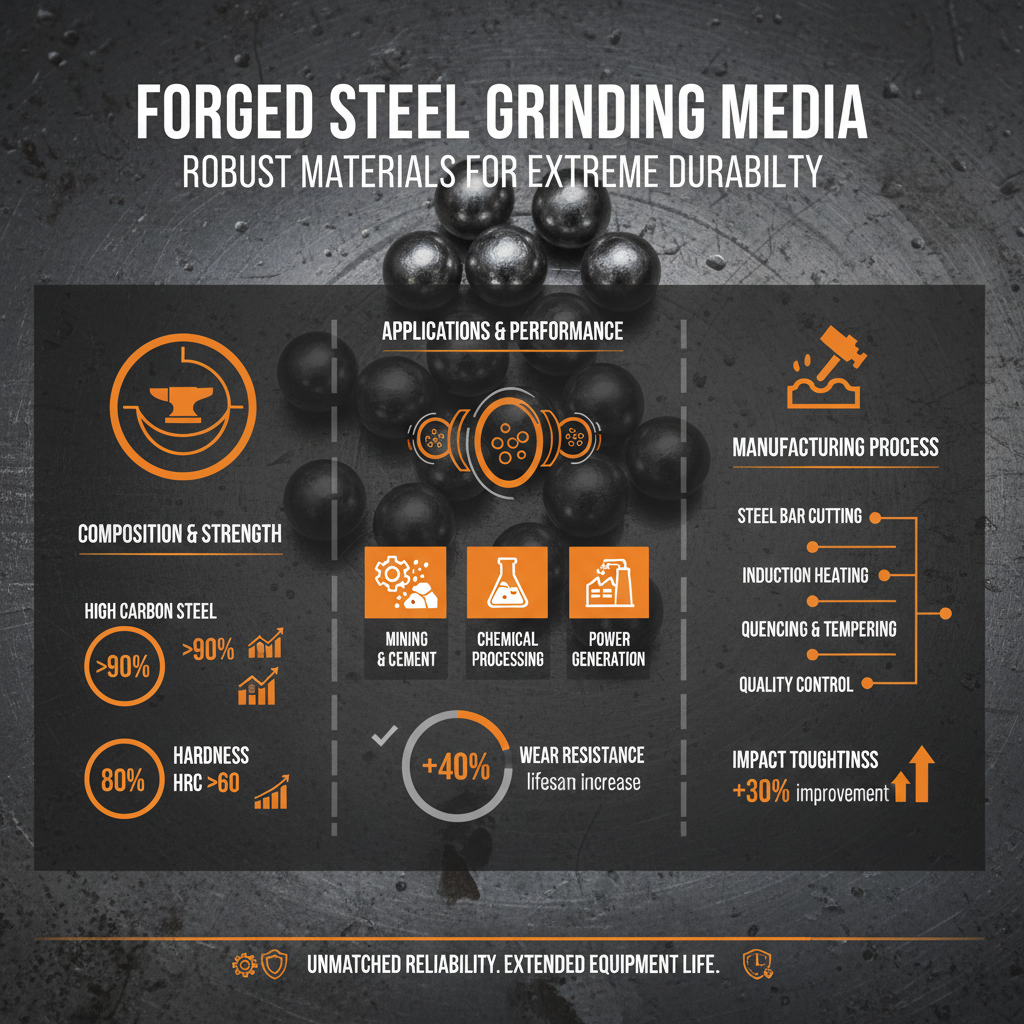
The efficiency of a ball mill is fundamentally linked to the consistency of the grinding media used. Traditional castings often suffer from a significant hardness gap between the surface and the core, leading to premature breakage or uneven wear. Our patented manufacturing process addresses this by achieving a surface hardness of 59 HRC and a core hardness of 58.8 HRC. This creates a hardness difference of less than 0.2 HRC, far surpassing the national standard requirement of less than 3 HRC.
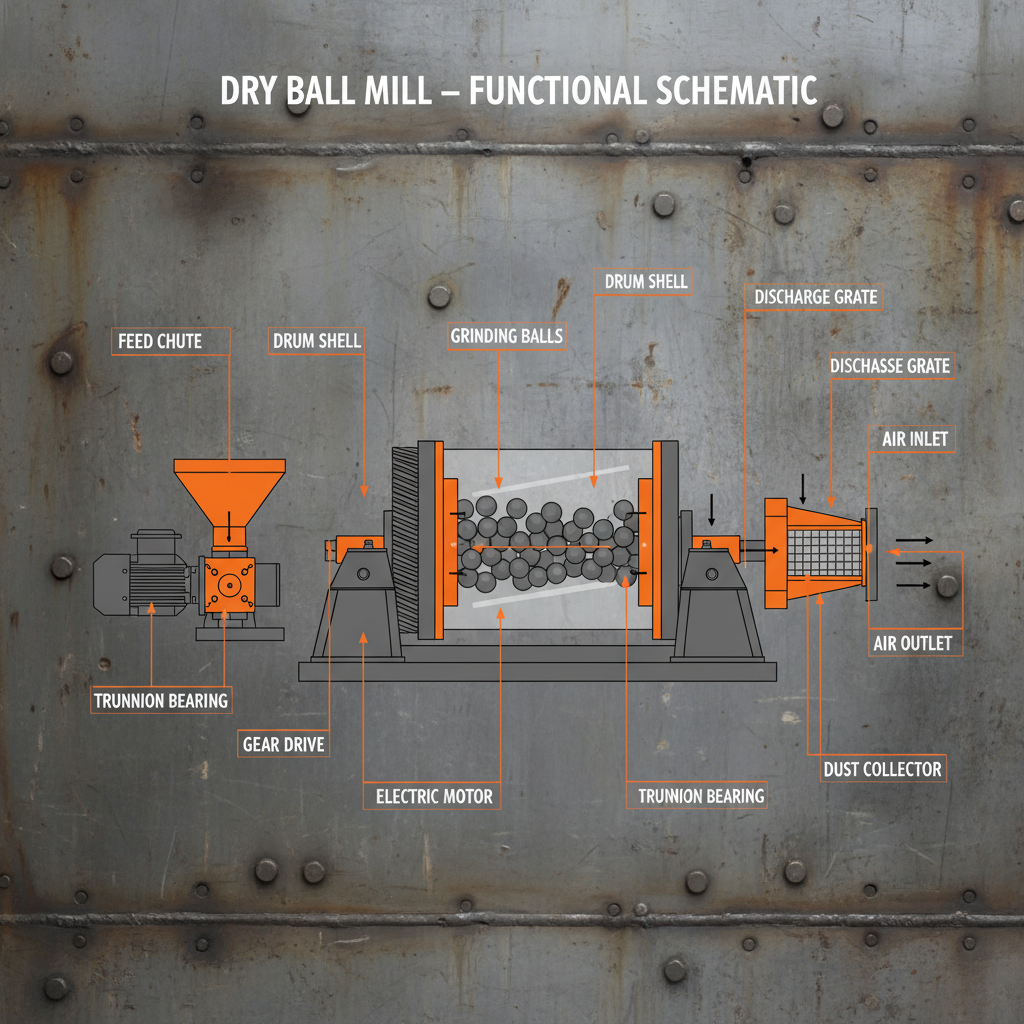
This level of precision is made possible through our fully automated production and heat treatment lines. By controlling the cooling rate and alloying elements—with chrome content ranging from 1% to 30%—we tailor the material properties to the specific stress environment of the mill. For primary crushing in the first chamber, we deploy larger balls (60mm to 140mm) with a chrome range of 10%–28% and hardness of 57–66 HRc, providing the necessary potential energy and impact resistance to handle heavy feed material.
For the second chamber, where grinding by attrition is the primary mechanism, we utilize smaller balls (15mm to 60mm) with higher chrome content (up to 30%) and optimum hardness of 60–69 HRc. This strategic differentiation ensures that the mill maintains maximum grinding efficiency while minimizing the consumption of the abrasive bodies, effectively reducing the carbon footprint by lowering energy costs per ton of material processed.

Operational Impact of Hardness Consistency and Impact Toughness
In high-impact mining environments, the primary cause of grinding media failure is spalling or catastrophic fracturing. This typically occurs when the core is too soft or the surface is too brittle. Our products integrate a specific impact toughness of 10 J/cm², ensuring that the balls can withstand the violent collisions inherent in first-chamber crushing without sacrificing the wear resistance provided by the high-chromium matrix.
The "High-Wear-Resistant High-Chromium Alloy Liner" and grinding balls we have developed utilize a refined chemical composition that promotes the formation of hard carbides while maintaining a tough matrix. This synergy results in several key operational benefits:
- Stable Gradation: Maintaining a consistent size distribution over time prevents the "over-filling" of the mill with worn-down small balls.
- Reduced Downtime: Lower breakage rates mean fewer shutdowns for ball replenishment and liner repair.
- Improved Recovery: Optimized grinding efficiency leads to better liberation of minerals, which directly enhances the metal recovery rates in the flotation process.
These technical advantages have been validated by over 1,000 international users in the mining and metallurgical sectors. Large-scale operators, including industry leaders like AIA Engineering, have recognized the value of this precision, opting for our solutions to control production costs through decreased wear rates rather than simply seeking the lowest initial purchase price.
Strategic Procurement: Beyond the Initial Material Cost
Many procurement departments focus heavily on the manganese steel price or general alloy indices when budgeting. However, the true economic indicator is the "cost per ton of material ground." A cheaper ball that wears 20% faster or breaks frequently increases the total cost of operation through increased energy consumption and more frequent mill openings.
When evaluating suppliers, technical buyers should look for comprehensive quality control systems. At Chengda, our full-process inspection center employs German direct reading spectrometers and fully automatic carbon and sulfur analyzers. This ensures that every batch of high-chromium alloy meets the ASTM, JIS, DIN, and BS international standards. Digitalized quality management allows us to track raw material inspection through to the finished product, guaranteeing that the hardness and chemical composition are identical across a 60,000-ton annual production capacity.
Furthermore, customization is key. Because different ores possess varying abrasive properties, a "one size fits all" approach is inefficient. We provide tailor-made alloying options based on technical analysis of the customer's application. This consultative approach ensures that the hardness and chrome content are perfectly matched to the ore's Bond Work Index, maximizing the lifespan of the media and the efficiency of the grinding circuit.
Technical Specification Comparison for Grinding Media
| Application Stage | Recommended Size | Chrome Content | Target Hardness |
|---|---|---|---|
| Primary Crushing (1st Chamber) | 60mm - 140mm | 10% - 28% | 57 - 66 HRc |
| Fine Grinding (2nd Chamber) | 15mm - 60mm | 10% - 30% | 60 - 69 HRc |
| Ultra-High Wear Scenarios | Application-specific | Up to 30% | Custom (High) |
| Standard Mining Castings | Variable | Variable | ±3 HRC (Standard) |
| Chengda Patented Media | 15mm - 140mm | 1% - 30% | ±0.2 HRC (Precision) |
Quality Assurance and Digitalized Manufacturing Standards
Maintaining consistency in a production base that exceeds 60,000 tons per year requires more than just good raw materials; it requires a rigorous digitalized quality loop. Our facility integrates CNC electric spark cutting machines and Rockwell hardness testers to perform multi-process inspections. By analyzing the raw material, semi-finished products, and final castings, we eliminate the variance that typically plagues large-scale casting operations.
The transition to fully automated production lines has allowed us to optimize the heat treatment process. In high-chromium alloys, the precise temperature control during quenching and tempering determines the final distribution of chromium carbides. Our independent development of ultra-high chromium processing technology ensures that the carbide structure is fine and evenly dispersed, which prevents the "pitting" effect and significantly extends the clearance cycle of the mill.
For the international buyer, this means predictability. Whether you are ordering 300 tons for a specific project or 4,000 tons annually, the metallurgical properties remain constant. This reliability reduces the risk of unexpected mill failure and allows operation managers to plan maintenance schedules with higher confidence, ultimately improving the availability of the grinding equipment.
Future Trends in Wear-Resistant Material Optimization
The global mining industry is moving toward processing lower-grade ores, which requires finer grinding and, consequently, more aggressive wear-resistant materials. The trend is shifting away from standard alloy steels toward ultra-high chromium cast irons and specialized composite materials that can handle higher stress levels while reducing the overall metal consumption per ton of ore.
Environmental sustainability is also becoming a procurement driver. Reducing the "carbon footprint" of a mill is directly tied to the efficiency of the grinding media. Balls with higher wear resistance maintain their spherical shape longer, which optimizes the impact dynamics and reduces the energy required for the mill to rotate. By implementing a more scientific approach to media selection—focusing on hardness gradients and alloy optimization—mines can significantly reduce their power consumption.
As we look forward, the integration of real-time wear monitoring and customized alloy design will be paramount. Chengda is committed to this evolution, continuing to refine our patented high-chromium alloy liners and balls to ensure our customers can "do more with less." By focusing on the intersection of material science and operational reality, we help our partners achieve sustainable growth in an increasingly challenging extraction environment.
Frequently Asked Questions About Industrial Grinding Media
How does the hardness difference between surface and core affect the lifespan of grinding balls?
A large hardness difference often leads to internal stresses, causing the ball to crack or spall under impact. While national standards allow a difference of up to 3 HRC, our patented product limits this to less than 0.2 HRC, ensuring uniform wear and significantly higher structural integrity during operation.
Which chrome content is best for primary crushing versus fine grinding?
Primary crushing usually requires a balance of impact toughness and wear resistance, typically utilizing 10%–28% chrome. Fine grinding in the second chamber prioritizes abrasion resistance to maintain efficiency, where chrome content can be increased up to 30% to achieve higher hardness.
What factors should I consider besides the initial purchase price of alloy balls?
Buyers should evaluate the wear rate, the impact toughness (measured in J/cm²), and the consistency of the hardness across batches. A lower initial cost is often offset by higher consumption rates and increased energy costs if the media wears unevenly.
Are your high chromium grinding balls compatible with international standards?
Yes, we strictly adhere to global standards including ASTM, JIS, DIN, and BS. Our production process is ISO 9001:2015 certified, ensuring that all dimensions, chemical compositions, and hardness levels meet international requirements.
Can the alloy composition be customized for specific ore types?
Absolutely. We offer tailor-made alloying options decided after technical analysis of the milling application. We can adjust the chrome content from 1% to 30% and the hardness range to match the specific abrasive and impact characteristics of your feed material.
What is the advantage of using ultra-high chromium balls over standard forged steel?
Ultra-high chromium balls provide superior abrasion resistance and lower wear rates in many applications. This leads to a more stable gradation in the mill, reduced frequency of ball charging, and improved overall grinding efficiency, which lowers the total operational cost.
Technical References and Industry Sources
- Metallurgical Properties of Manganese and Alloy Steels
- ASTM International Standards for Cast Iron and Steel
- ISO 9001:2015 Quality Management Systems
- DIN Standards for Industrial Grinding Media
Selecting the right grinding media is a strategic decision that impacts the entire productivity chain of a mining operation. By focusing on metallurgical precision and customized alloy design, Shijiazhuang Chengda Wear resistant materials Co.,LTD provides solutions that reduce wear costs and enhance mill availability. We invite technical directors and procurement managers to contact our engineering team for a detailed analysis of their current grinding circuit to optimize performance and reduce operational expenditure.
Related Articles