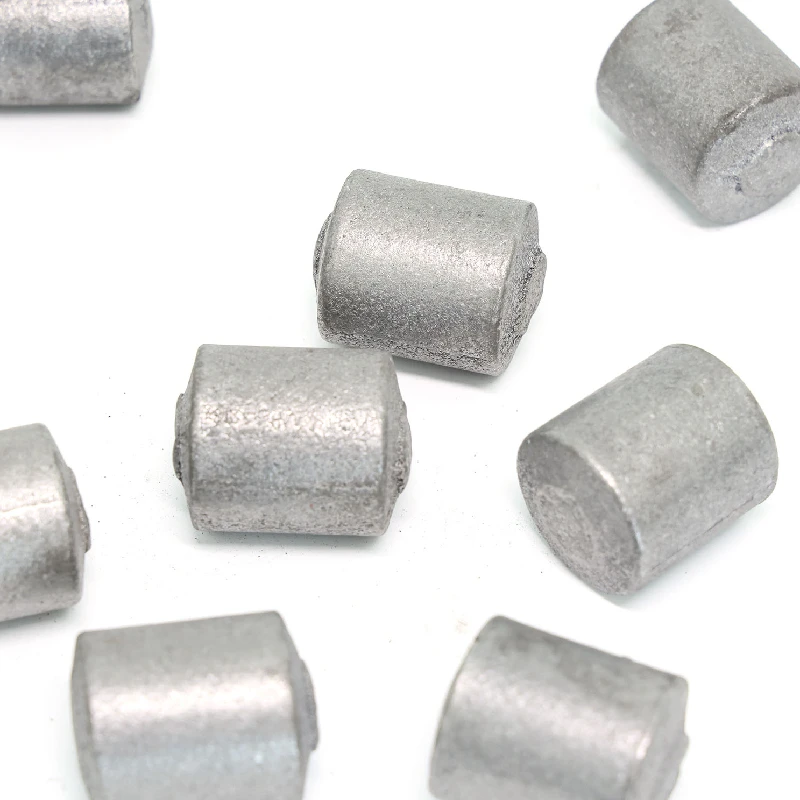
High Quality Low Chromium Forged Grinding Media China
Selecting the appropriate grinding media is a critical engineering decision that directly impacts the operational efficiency and energy consumption of industrial mills. For operations involving cement grinding silos and second-stage metallurgical mine processing, the balance between impact resistance and wear durability is paramount. Low chromium grinding forging offers a strategic middle ground, inheriting the cost-efficiency of low-alloy materials while utilizing advanced forging processes to enhance structural integrity.
Unlike standard cast media, forged low chromium balls are engineered to withstand higher impact loads, making them ideal for aggressive working environments where premature breakage is a common concern. By optimizing the metallurgical structure through controlled oil quenching, these media ensure a consistent grinding profile, reducing the frequency of mill shutdowns and lowering the total cost of ownership for plant operators.

Engineering the Durability of Low Chromium Forged Grinding Media
The superiority of low chromium forging lies in its manufacturing process. While casting is common, the forging process fundamentally alters the grain structure of the metal, eliminating internal porosities and enhancing the overall toughness of the media. This is especially critical in metallurgical mining, where the media must endure constant high-energy collisions without fracturing.
From a technical standpoint, the use of high-quality raw materials combined with precise oil quenching heat treatment ensures a hardness range typically between 45-50 HRC. This specific hardness level is designed to provide an optimal trade-off: it is hard enough to crush feed material efficiently, yet ductile enough to prevent the high breakage rates often seen in overly brittle high-chromium alternatives. For those sourcing grinding media china, the focus is often on achieving this equilibrium to maximize mill uptime.
- Enhanced Structural Integrity: Forging reduces the risk of internal voids, leading to a broken rate of less than 0.5%.
- Optimized Hardness: A focused 45-50 HRC range ensures durability in medium-impact environments.
- Thermal Stability: Oil quenching provides a uniform microstructure, preventing localized soft spots.

Operational Advantages: Balancing Cost and Performance
In large-scale industrial operations, the "cost-per-ton" of finished product is the primary metric. Low chromium forging provides a significant economic advantage over high-chromium steel when the application does not require extreme abrasive resistance. By reducing the initial investment in media and decreasing the frequency of replacement due to impact breakage, operators can significantly lower their operating expenditures (OPEX).
Furthermore, the versatility of these forging bodies allows them to be used across various sectors. In cement manufacturing, they are highly effective in grinding silos where consistent material flow is required. In the power industry, they provide the necessary reliability for ball mill manufacturing. The result is a reduction in the carbon footprint through lower energy consumption per ton of ground material, as the media maintains its size and shape more effectively over time.
The strategic value is clear: by matching the material's chromium content and hardness to the specific abrasiveness of the ore or clinker, companies can avoid "over-engineering" their media, which often leads to unnecessary costs without proportional gains in productivity.
Application Scenarios and Industry Use Cases
Low chromium forged media are not a one-size-fits-all solution but are specifically tailored for environments where impact is as significant a factor as abrasion. The following scenarios highlight their optimal utility:
- Cement Industry: Specifically used in cement grinding silos and mill liners, where the media must resist the constant cycling of abrasive clinker.
- Metallurgical Mining: Ideal for second-stage grinding where the material is already partially reduced, requiring a medium-hardness media to finalize the particle size.
- General Industrial Grinding: Applicable in power plant milling and the production of tractor tracks, where durable, impact-resistant wear parts are essential.
When implementing these materials, engineers typically look at the "gradation" of the balls. Maintaining a consistent size distribution is key to grinding efficiency. Because forged low chromium balls have a lower crushing rate, the mill maintains its optimal charging level for longer periods, ensuring a stable output quality and reducing the need for frequent manual top-ups.
Technical Specifications and Material Comparison
| Material Grade | Hardness (HRC) | Typical Application | Primary Benefit |
|---|---|---|---|
| ZDCr12-ZDCr26 | ≥62 | High-Abrasion Mining | Maximum Wear Resistance |
| ZDCr8-ZDCr5 | 50-55 | Cement / Power Plants | Balanced Impact/Wear |
| ZDCr2 | ≥48 | General Grinding | High Toughness/Low Cost |
| ZDCADI | 55-60 | Heavy Duty Forging | Superior Structural Stability |
| Custom Low Chrome | 45-50 | Silo / 2nd Stage Mill | Low Breakage Rate |
Procurement Considerations for Industrial Grinding Media
When sourcing grinding media from China, procurement managers must look beyond the price per ton. The true value is found in the wear rate and the breakage percentage. A cheaper ball that breaks frequently increases downtime and can potentially damage the mill liners, leading to catastrophic costs that far outweigh the initial savings.
Verification of the heat treatment process is essential. As seen with Chengda's approach, oil quenching is preferred for low chromium forging to ensure the core and surface hardness are consistent. Buyers should request chemical composition analysis (C, Si, Mn, Cr) to ensure the alloy matches the application requirements. For instance, a chrome content of 1% to 30% can be tailored depending on whether the priority is toughness or hardness.
Additionally, packaging and logistics play a role in quality. Shipping in durable drums or bags prevents premature surface damage and ensures that the media arrives in optimal condition for immediate charging into the mill.
Future Trends in Wear-Resistant Material Technology
The industry is moving toward "precision grinding," where the media is customized based on a digital analysis of the feed material. We are seeing a shift from generic alloys to tailor-made compositions that minimize the carbon footprint by reducing the energy required for each rotation of the mill. This "doing more with less" philosophy is driving innovation in the metallurgy of forged balls.
Future developments are likely to focus on further reducing the broken rate through advanced vacuum degassing and optimized forging temperatures. As mining operations move toward harder ores and cement plants seek higher throughput, the demand for media that combines the hardness of high-chrome with the toughness of forged steel will grow. The integration of ISO 9001 standards in production ensures that these innovations are delivered with consistent quality across thousands of tons of production.
Frequently Asked Questions on Grinding Media
What is the main difference between forged and cast grinding media?
Forged media undergo mechanical deformation, which refines the grain structure and eliminates internal voids. This results in significantly higher impact resistance and a lower breakage rate compared to cast media, which may have internal porosity.
Why is a hardness of 45-50 HRC recommended for certain applications?
This range provides an optimal balance for environments where impact is high but extreme abrasion is moderate. It prevents the balls from shattering (which happens at higher hardness) while still providing enough wear resistance to be economical.
How does chromium content affect the performance of the grinding balls?
Higher chromium levels generally increase hardness and corrosion resistance but can increase brittleness. Low chromium alloys (1-10%) are chosen when toughness and cost-effectiveness are more important than maximum hardness.
What is the typical broken rate for high-quality forged grinding media?
For premium forged low chromium media, the broken rate is typically kept below 0.5%, ensuring that the mill maintains a consistent charge and reduces unplanned maintenance.
Can these media be customized for specific ore types?
Yes, the alloying options and hardness levels can be tailored. By analyzing the feed material's hardness and abrasiveness, manufacturers can adjust the chromium percentage and heat treatment to optimize wear life.
Which industries benefit most from low chromium forging?
The cement industry (grinding silos), metallurgical mining (second stage grinding), and general heavy industrial manufacturing benefit most due to the balance of impact resistance and cost.
Technical References
- ISO 9001 Quality Management Systems for Manufacturing
- ASTM International Standards for Wear-Resistant Alloys
- Metallurgical Research on Chromium Alloy Steels
- World Steel Association - Forging and Casting Guidelines
For industrial operators seeking to optimize mill productivity, transitioning to a precision-engineered forging solution can significantly reduce energy costs and equipment downtime. Contact our technical team for a customized material analysis based on your specific application requirements.
Related Industry Insights