Mar . 21, 2026 02:15 Back to list
Exploring Austenitic Manganese Steel Properties Applications and Sourcing
Understanding Austenitic Manganese: Properties, Applications, and Sourcing
Austenitic manganese, often referred to as Hadfield steel, is a fascinating alloy known for its exceptional toughness, wear resistance, and work-hardening capabilities. This unique material finds application in diverse industries, from mining and construction to railroad and even specialized manufacturing. This article delves into the core properties of austenitic manganese, explores its key applications, and provides insight into sourcing reliable suppliers like Chengda Metal. Understanding these aspects is crucial for engineers, purchasers, and anyone involved in selecting materials for demanding environments.
The Core Properties of Austenitic Manganese
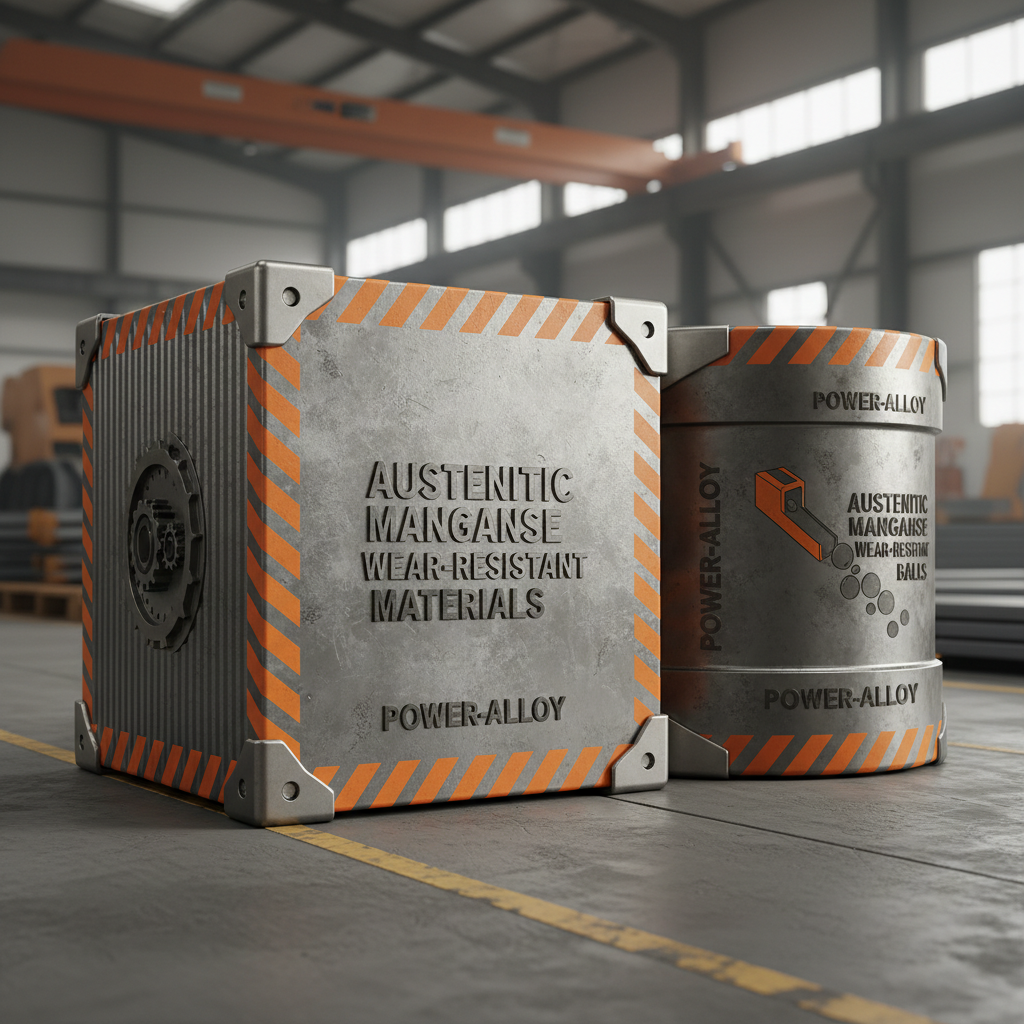
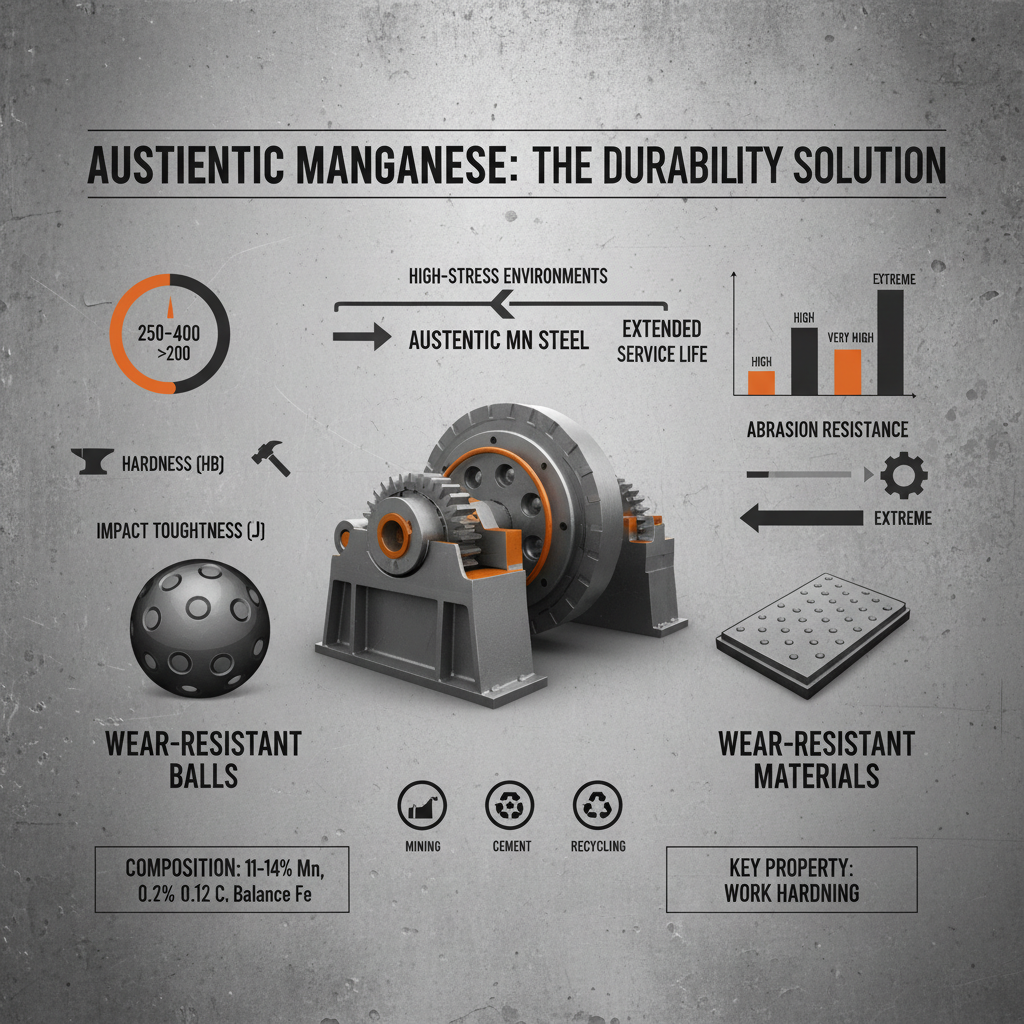
The defining characteristic of austenitic manganese steel is its unique crystalline structure. Containing around 12-14% manganese, 1.0-1.2% carbon, and smaller amounts of other elements like silicon and chromium, it boasts a non-magnetic austenitic phase at room temperature. This structure imparts several critical properties. Notably, its exceptional toughness arises from the ability of the austenitic phase to transform to martensite under impact, absorbing enormous amounts of energy. This transformation work-hardens the material in the affected area, significantly increasing its wear resistance. Additionally, austenitic manganese exhibits excellent weldability, making it suitable for fabrication into complex components. The material’s impact resistance isn't diminished by lower temperatures, making it useful in cold climates.
Key Highlights: The austenitic structure transforms to martensite upon impact, absorbing energy and increasing wear resistance. Excellent weldability and consistent performance at low temperatures.
Austenitic Manganese Applications: Where it Excels
The distinctive properties of austenitic manganese translate directly into a broad spectrum of applications. One of the most prominent is in the mining and quarrying industries, where it’s used for rock crushing, grinding, and screening equipment. Railroad industries utilize it heavily for switch points and crossings, benefiting from its resistance to wear from constant wheel impact. Construction employs it in machinery like excavator teeth and bucket liners, while agricultural applications include parts for soil-engaging tools. Furthermore, specialized applications arise in areas requiring extreme abrasion resistance, such as liners for chutes and hoppers handling abrasive materials and components for recycling equipment.
Application Benefits:
• Exceptional wear resistance in abrasive environments
• High impact strength for demanding applications
• Prolonged component life, reducing downtime
• Reliable performance in harsh conditions
Austenitic Manganese vs. Other Wear-Resistant Materials
While several materials offer wear resistance, austenitic manganese distinguishes itself through its unique combination of toughness and hardenability. Compared to high-chromium white irons, austenitic manganese generally exhibits higher impact resistance, preventing brittle fracture. Compared to hardened steels, austenitic manganese offers superior toughness and a self-sharpening effect due to its work-hardening behavior. This means that as the material wears, it becomes even harder, extending its service life. However, austenitic manganese typically has lower hardness than some other wear-resistant alloys. The optimum choice depends heavily on the specific application and wear mechanisms involved. For extreme impact combined with abrasion, austenitic manganese is frequently the preferred option.
Sourcing Austenitic Manganese: Choosing a Reliable Supplier
Securing high-quality austenitic manganese is paramount for ensuring optimal performance and longevity of your components. Factors to consider when selecting a supplier include their experience, manufacturing capabilities, quality control procedures, and ability to meet your specific requirements. Chengda Metal specializes in the production and export of austenitic manganese steel, offering a comprehensive range of products including casting, forging, and machining services. They provide certifications and rigorous testing to guarantee material compliance with industry standards. Choosing a trusted supplier will streamline your procurement process and contribute to the success of your projects.
Conclusion: Leveraging the Strength of Austenitic Manganese
Austenitic manganese is a remarkable material that offers a unique combination of toughness, wear resistance, and work-hardening capabilities. Its widespread applications across various industries underscore its value in demanding environments. By understanding its properties, comparing it to alternative materials, and sourcing it from a reputable supplier like Chengda Metal, you can unlock its full potential and achieve superior performance in your applications.
Frequently Asked Questions (FAQs)
What are the typical applications of austenitic manganese in the railroad industry?
Austenitic manganese is extensively used in the railroad industry primarily for components subjected to high impact and abrasion. This includes switch points and frogs, which endure constant contact and wear from train wheels. It's also used in crossing panels, guard rails, and wear plates on bridges and track structures. The material's ability to work-harden under impact significantly extends the service life of these crucial components, reducing maintenance frequency and costs. The high toughness prevents brittle failure, even under extreme loads and temperature fluctuations.
Can austenitic manganese be heat treated?
While austenitic manganese is not typically hardened through conventional heat treatment processes like quenching and tempering, it undergoes a unique form of hardening through impact and wear. This is known as work hardening or strain hardening. The material's austenitic structure allows it to transform to martensite upon impact, creating a hardened layer at the surface. Attempting to apply traditional hardening processes can actually reduce its toughness. However, annealing can be performed to restore ductility if the material has become excessively work-hardened.
What is the corrosion resistance of austenitic manganese?
Austenitic manganese has relatively moderate corrosion resistance compared to stainless steels. It can corrode in the presence of chlorides, acids, and other corrosive environments. However, the corrosion often forms a protective surface layer, slowing down further degradation. For applications where corrosion is a significant concern, protective coatings such as paint, epoxy, or galvanizing can be applied. Selecting the appropriate grade of austenitic manganese with carefully controlled composition can also improve its corrosion resistance.
Where can I find more detailed technical data sheets for austenitic manganese?
Detailed technical data sheets for specific grades of austenitic manganese can be found on the websites of material suppliers like Chengda Metal. These data sheets typically include information on chemical composition, mechanical properties, physical properties, and recommended applications. You can also find information from industry standards organizations like ASTM International and materials databases online. Always consult the manufacturer's documentation for the most accurate and up-to-date information.
-
Industrial Guide to Ferro Manganese Medium Carbon for Steel Production
NewsApr.16,2026
-
Professional Guide and Best Practices for drilling manganese steel
NewsApr.09,2026
-
Comprehensive Guide to DIN 1.3401 Stainless Steel Properties and Applications
NewsApr.07,2026
-
Optimizing Crusher Performance with Durable Manganese Alloys and Steel
NewsApr.04,2026
-
Comprehensive Guide to Chrome Manganese Steel Properties and Industrial Applications
NewsMar.31,2026
-
Understanding the Properties and Applications of Cast Manganese Steel
NewsMar.28,2026