Feb . 11, 2026 02:15 Back to list
슈트 라이너 플레이트 A Comprehensive Guide to Industrial Applications and Benefits
슈트 라이너 플레이트: A Comprehensive Guide to Applications and Benefits
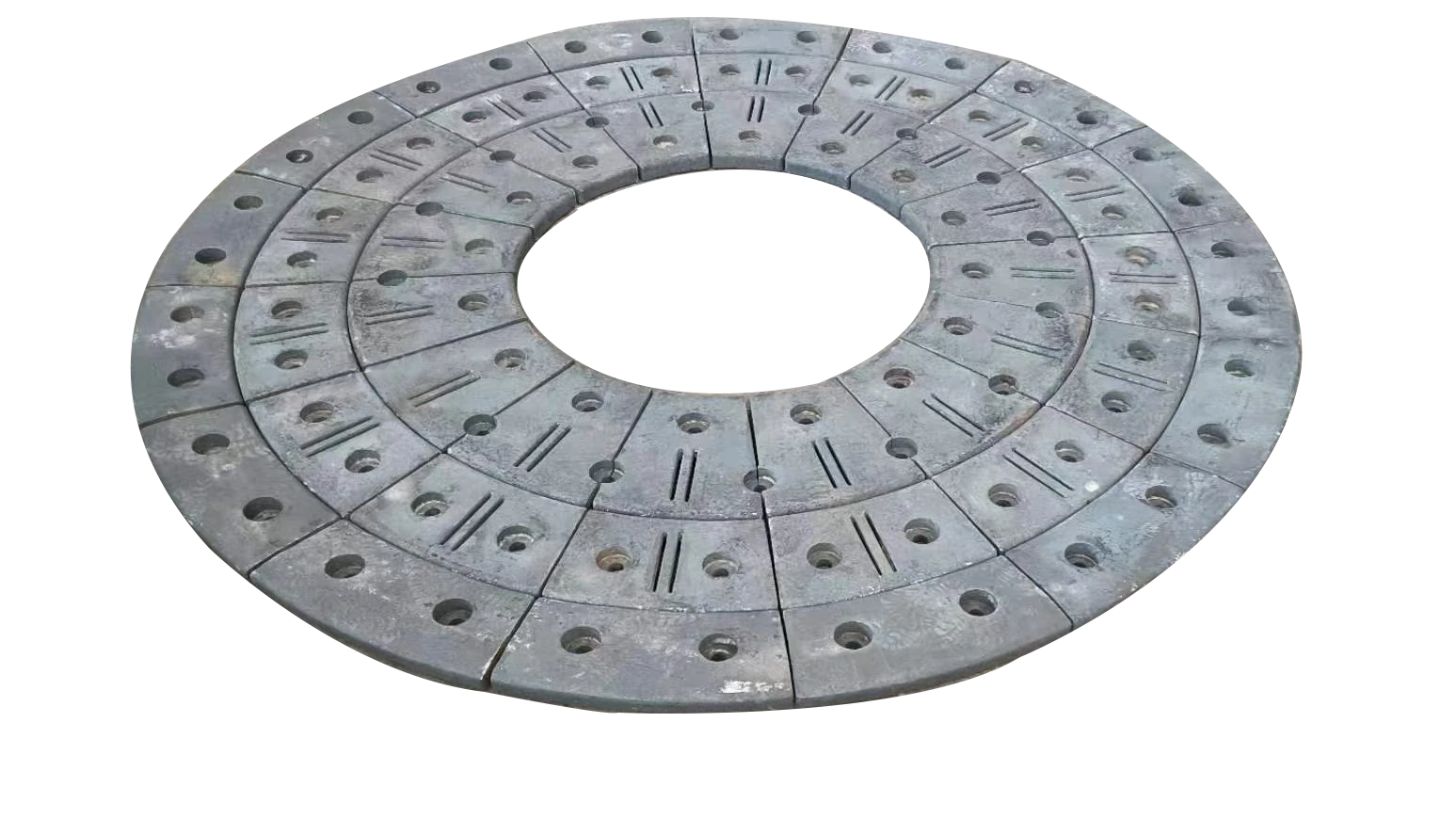
슈트 라이너 플레이트, often referred to as liner plates, are critical components in various industrial applications, particularly within the mining, construction, and aggregate industries. These robust steel plates are designed to protect machinery and equipment from wear and tear caused by abrasive materials. This article will explore the features, benefits, applications, and factors to consider when selecting 슈트 라이너 플레이트, providing a thorough overview for professionals and procurement managers. Understanding the importance of high-quality liner plates can significantly extend the lifespan of expensive equipment and reduce operational costs. You can explore our range of 슈트 라이너 플레이트 at CDCHENGDA.
Key Features of 슈트 라이너 플레이트
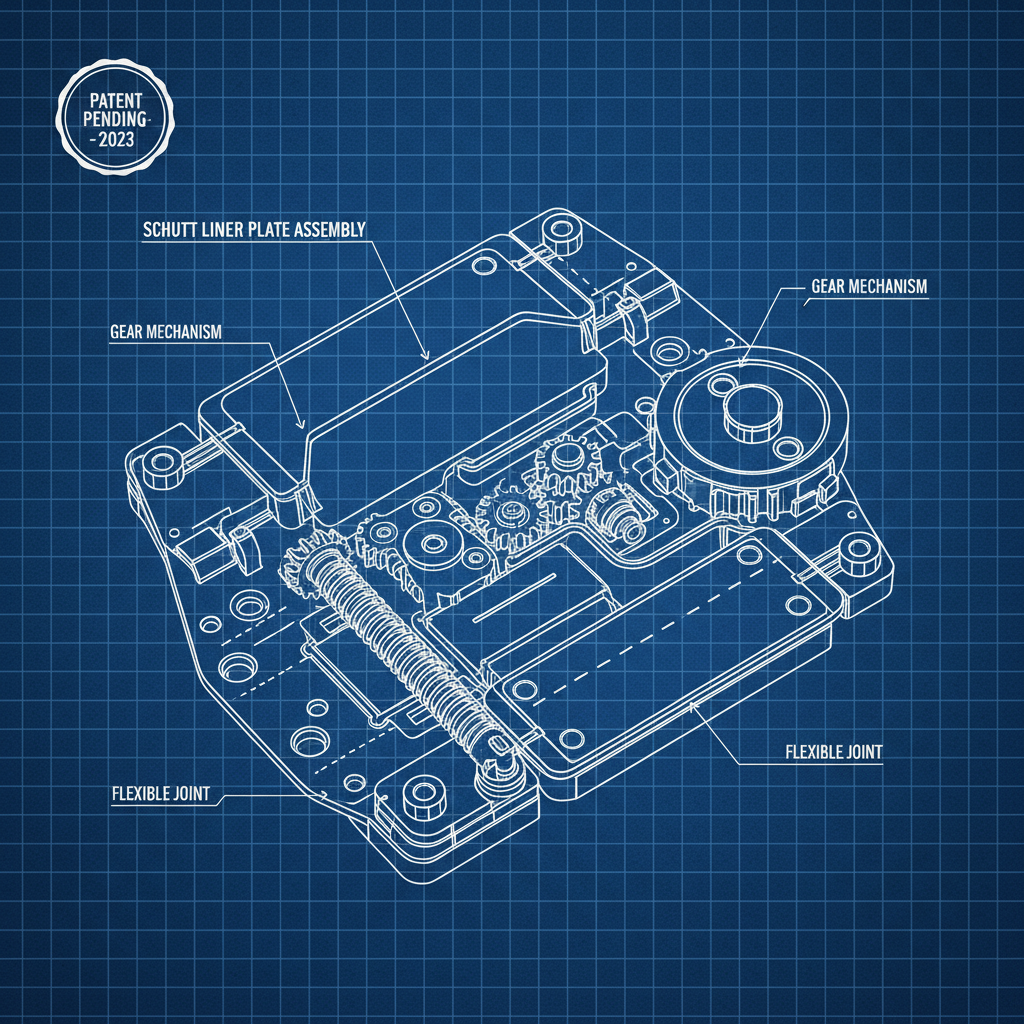
슈트 라이너 플레이트 are renowned for their exceptional hardness and wear resistance. Typically manufactured from high-strength steel alloys, they are engineered to withstand the impact and abrasion of materials like rocks, ores, and aggregates. Common features include various mounting options, like bolts, studs, or weld-on designs, for easy installation. The availability of different thicknesses and sizes allows for customization to specific equipment needs. Furthermore, many liner plates undergo specialized heat treatment processes to enhance their durability and impact strength. Properly installed, 슈트 라이너 플레이트 can dramatically reduce downtime and maintenance costs. Choosing the right plate involves considering material hardness, abrasion resistance, and the specific application requirements.
Key Highlights: Engineered to withstand the impact and abrasion of materials like rocks, ores, and aggregates. Available in different thicknesses and sizes for customization.
Understanding Material Hardness: A Crucial Factor
The hardness of a 슈트 라이너 플레이트 is a primary indicator of its wear resistance. Hardness is typically measured using the Brinell, Rockwell, or Vickers scales. Higher hardness numbers generally indicate greater resistance to abrasion. However, a balance must be struck, as extremely hard materials can sometimes be brittle and prone to cracking under impact. Different alloys offer varying levels of hardness and toughness. For example, alloys containing manganese or chromium are frequently used to enhance wear resistance. Selecting the appropriate hardness level depends on the specific abrasive materials being handled and the type of impact forces involved. At CDCHENGDA, we offer liner plates with a range of hardness levels to suit diverse applications.
Hardness Scale Benefits:
• Brinell: Widely used for larger grain materials.
• Rockwell: Suited for measuring hardness of thinner materials.
• Vickers: Useful for a wide range of materials and provides precise measurements.
슈트 라이너 플레이트 vs. Other Wear-Resistant Materials: A Comparison
While several materials offer wear resistance, 슈트 라이너 플레이트 often provide the most cost-effective and durable solution for heavy-duty applications. Compared to materials like rubber or polyurethane, steel liner plates offer significantly higher abrasion resistance. While ceramics boast exceptional hardness, they can be brittle and more susceptible to cracking. Tungsten carbide inserts provide extreme wear resistance but are considerably more expensive. Therefore, 슈트 라이너 플레이트 strikes a balance between performance and cost, making them a preferred choice in many industries.
Applications of 슈트 라이너 플레이트 Across Industries
슈트 라이너 플레이트 find extensive use in a variety of industries. In the mining sector, they protect hoppers, chutes, and truck beds from the abrasive action of ore and rock. In construction, they line concrete mixers, dump trucks, and other equipment exposed to harsh materials. The aggregate industry utilizes 슈트 라이너 플레이트 to protect crushing and screening equipment. Other applications include protecting material handling systems, conveyor systems, and the interiors of rail cars. The versatility and durability of these plates make them essential for maximizing equipment lifespan and reducing maintenance downtime.
Selecting the Right 슈트 라이너 플레이트: Key Considerations
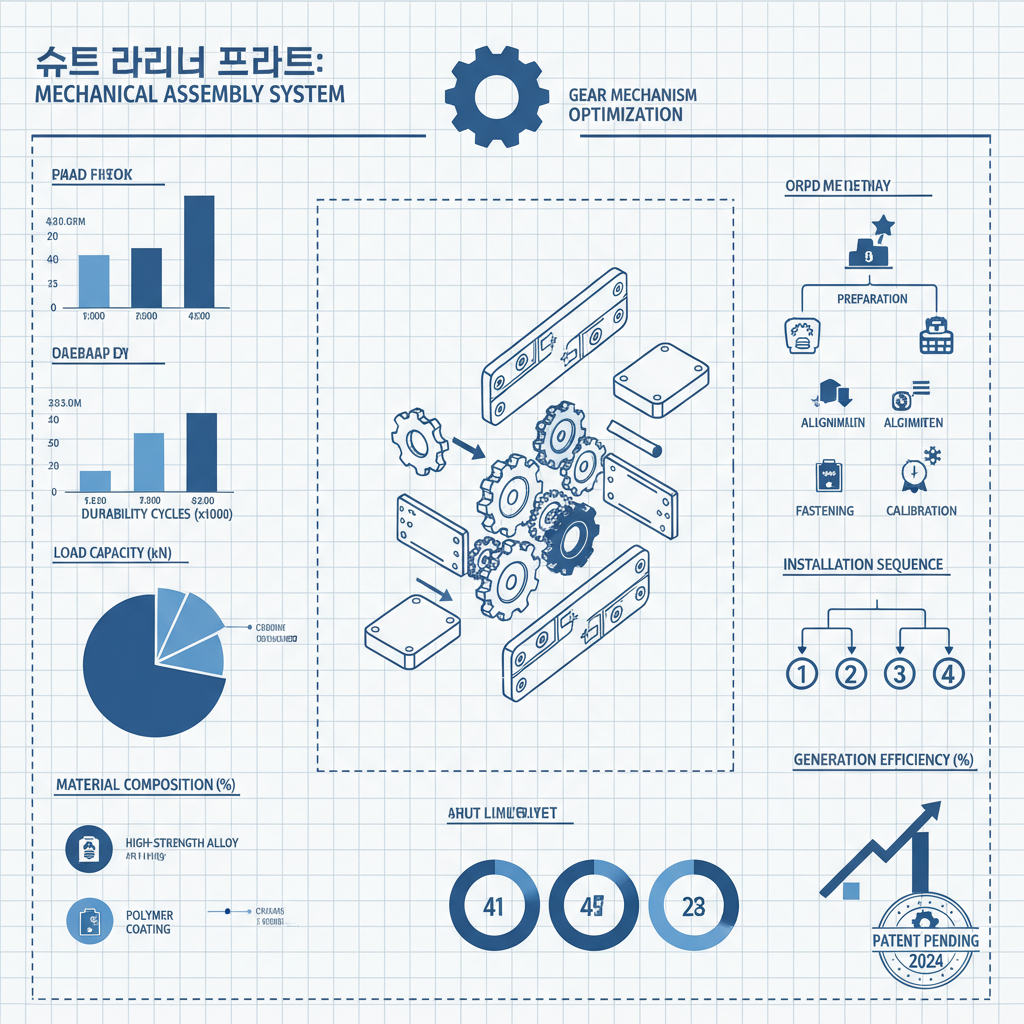
Choosing the appropriate 슈트 라이너 플레이트 requires careful consideration of several factors. The type of abrasive material being handled, the impact forces involved, and the operating temperature are all crucial. The mounting method should also be considered to ensure secure and efficient installation. Finally, the budget and desired lifespan of the liner plates will influence the selection process. At CDCHENGDA, we offer expert guidance to help you select the optimal 슈트 라이너 플레이트 for your specific needs.
Conclusion: Investing in Durability with 슈트 라이너 플레이트
Investing in high-quality 슈트 라이너 플레이트 is a strategic move that can significantly reduce maintenance costs, extend equipment life, and improve overall operational efficiency. CDCHENGDA provides a comprehensive range of 슈트 라이너 플레이트 tailored to meet the demands of various industries. Don't compromise on durability – choose the right liner plates for your needs.
Frequently Asked Questions (FAQs)
What is the typical lifespan of 슈트 라이너 플레이트?
The lifespan of 슈트 라이너 플레이트 depends heavily on the severity of the application and the abrasive materials encountered. However, with proper installation and maintenance, they can last anywhere from 2 to 7 years. Factors like impact frequency, material hardness, and operating temperature significantly influence wear rate. Regular inspections are crucial to identify wear patterns and replace plates before they compromise equipment integrity. Consider consulting with CDCHENGDA for recommendations tailored to your specific operating conditions.
What are the common mounting methods for 슈트 라이너 플레이트?
Common mounting methods include welding, bolting, and using specialized adhesives. Welding provides a strong, permanent bond but requires skilled welders and can introduce heat-affected zones. Bolting allows for easier installation and replacement but may require periodic tightening. Adhesive mounting is suitable for certain applications but may not withstand extreme impact forces. The optimal method depends on the equipment design, the operating environment, and the desired level of maintainability.
How do I determine the appropriate thickness for 슈트 라이너 플레이트?
Determining the correct thickness involves assessing the abrasive nature of the material being handled and the expected impact forces. Thicker plates provide greater wear resistance but also add weight and cost. Generally, higher impact applications and more abrasive materials require thicker plates. Consulting with a materials expert at CDCHENGDA can help you select the optimal thickness based on your specific needs and budget.
Are 슈트 라이너 플레이트 suitable for high-temperature applications?
While standard 슈트 라이너 플레이트 can withstand moderate temperatures, specialized alloys are required for high-temperature applications. Alloys containing molybdenum or chromium offer improved heat resistance and maintain their hardness at elevated temperatures. It's crucial to select a material that is compatible with the operating temperature to prevent softening or degradation of the liner plate. Our team at CDCHENGDA can advise on the best materials for your specific temperature requirements.
-
Industrial Guide to Ferro Manganese Medium Carbon for Steel Production
NewsApr.16,2026
-
Professional Guide and Best Practices for drilling manganese steel
NewsApr.09,2026
-
Comprehensive Guide to DIN 1.3401 Stainless Steel Properties and Applications
NewsApr.07,2026
-
Optimizing Crusher Performance with Durable Manganese Alloys and Steel
NewsApr.04,2026
-
Comprehensive Guide to Chrome Manganese Steel Properties and Industrial Applications
NewsMar.31,2026
-
Understanding the Properties and Applications of Cast Manganese Steel
NewsMar.28,2026