Oct . 23, 2025 15:30 Back to list
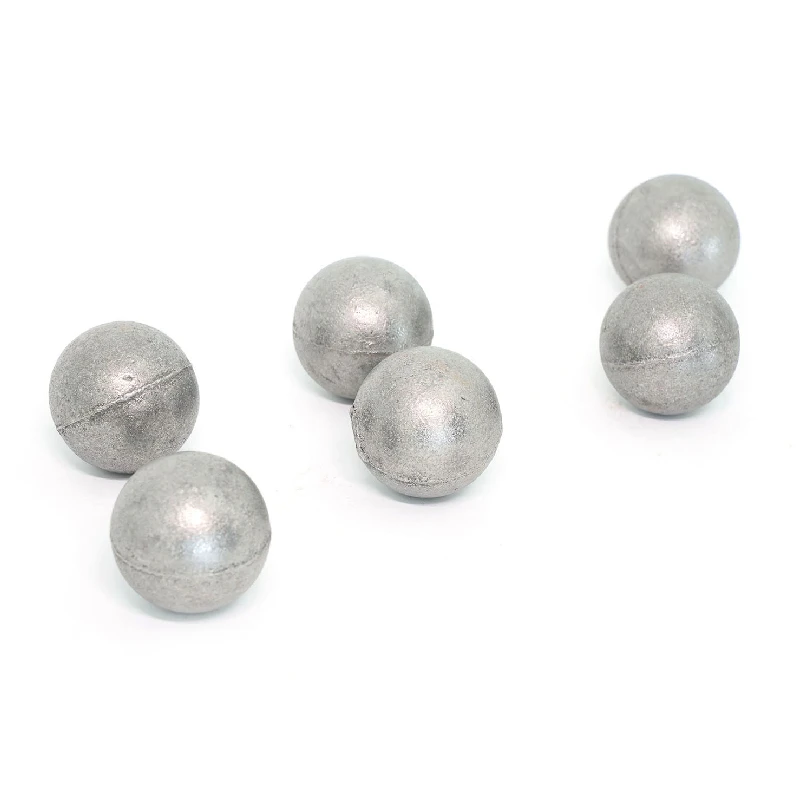
Ball Mill Balls for Sale – Durable, In-Stock Grinding Media
Insider’s Take: Where to Find Real-World-Ready Ball Mill Balls
If you’ve been shopping around for Ball Mill Balls For Sale, you’ve probably noticed two things: prices are all over the place, and the specs can be, well, optimistic. I’ve been covering wear parts for a while, and to be honest, the products that consistently perform in cement and mining tend to be high-chromium cast iron—properly heat-treated and tested, not just “good on paper.”

What’s on the table right now (industry snapshot)
Demand for high-Cr white iron balls keeps rising in cement finish mills and base-metal concentrators. The trend is toward tighter chemistry control (Cr 10–28%) and repeatable heat treatment, because breakage costs more than the balls themselves. Many customers say lower wear rates are great, but it’s the near-zero breakage that saves nights and weekends.
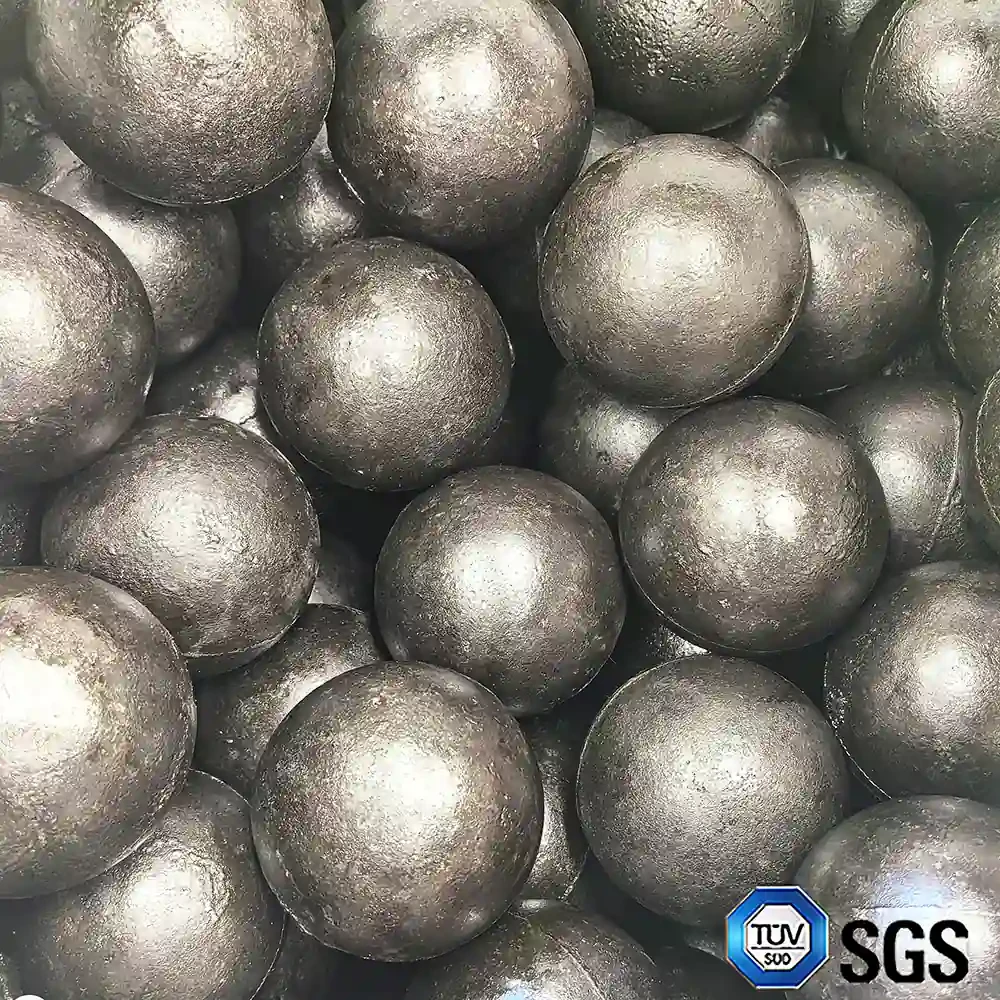
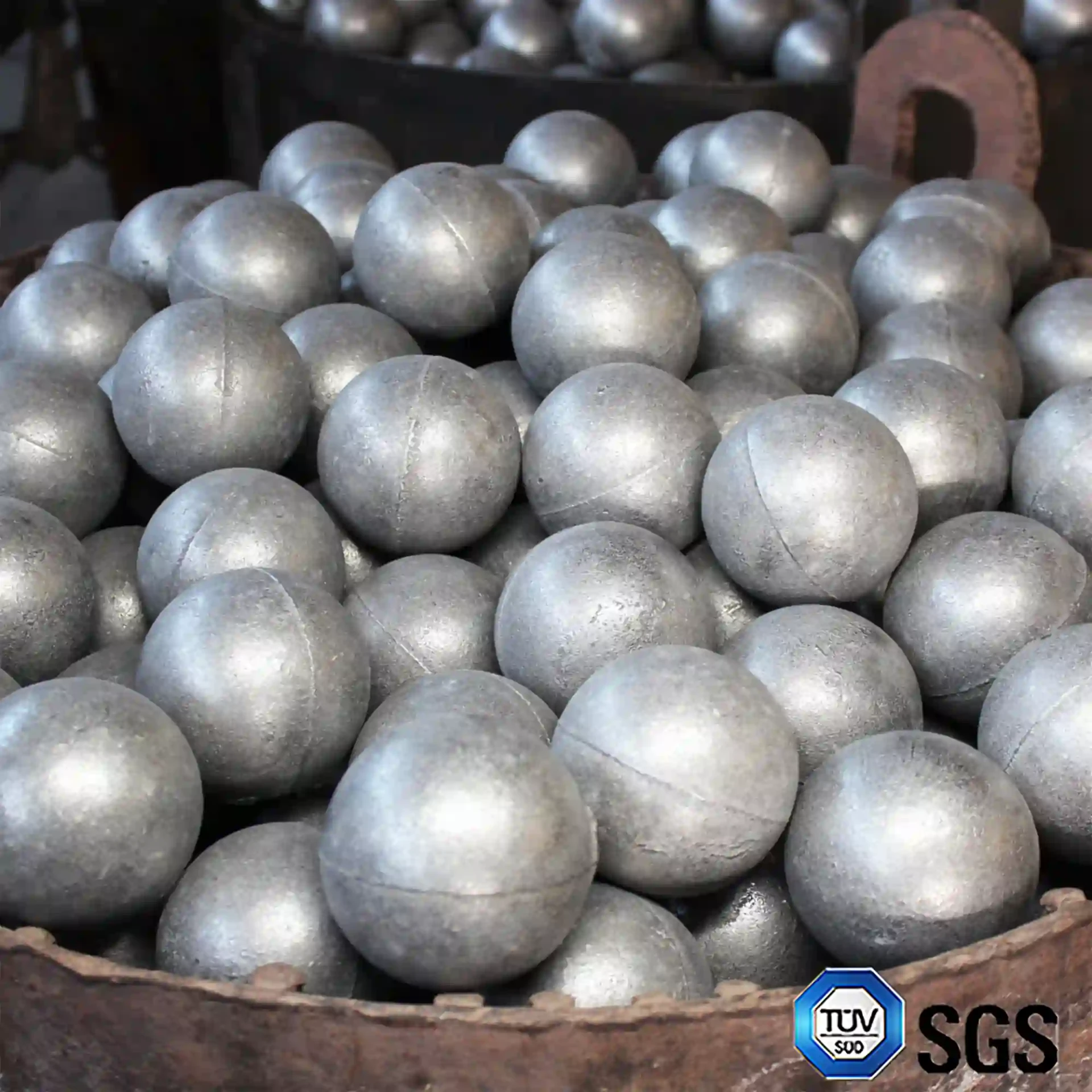
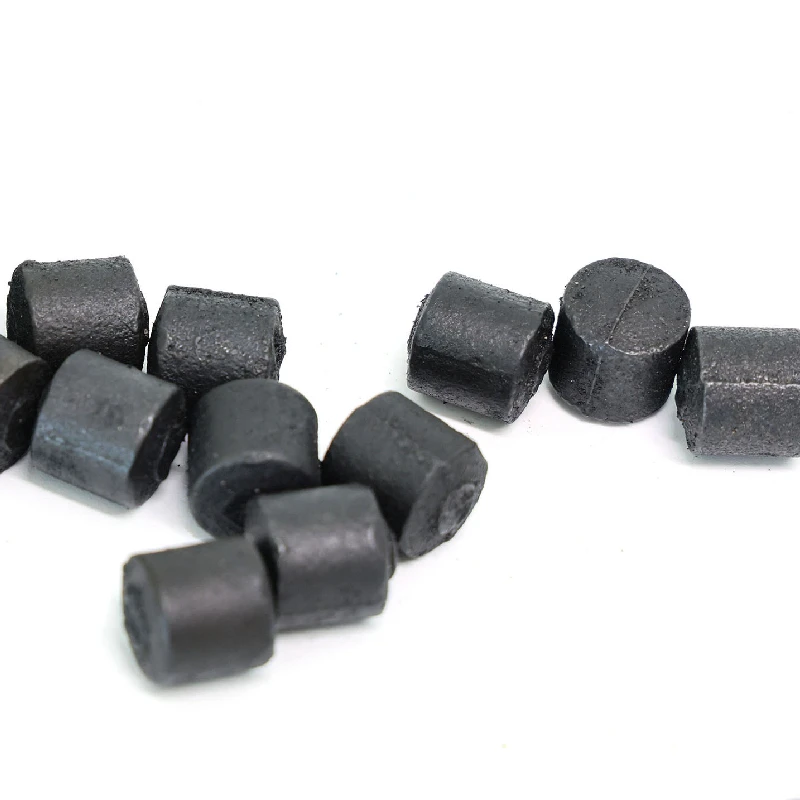
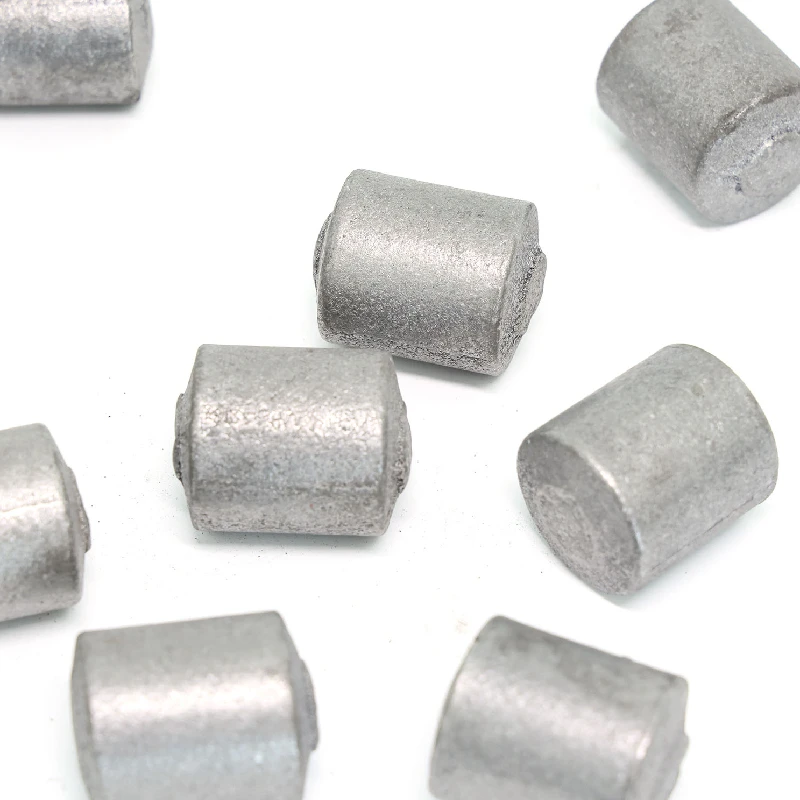
Featured product: Mine Special High Chromium Alloy Cast Iron Grinding Ball
Origin: KIZUN Industry Zone, Luquan, Shijiazhuang, Hebei, China. I visited the area a few years back—busy foundry belt, surprisingly modern melt control in some shops.
| Parameter | Specification (real-world use may vary) |
|---|---|
| Material | High-chromium white cast iron (ASTM A532 ref.) |
| Chrome content | ≈10–28% Cr (grade tuned to ore/cement abrasiveness) |
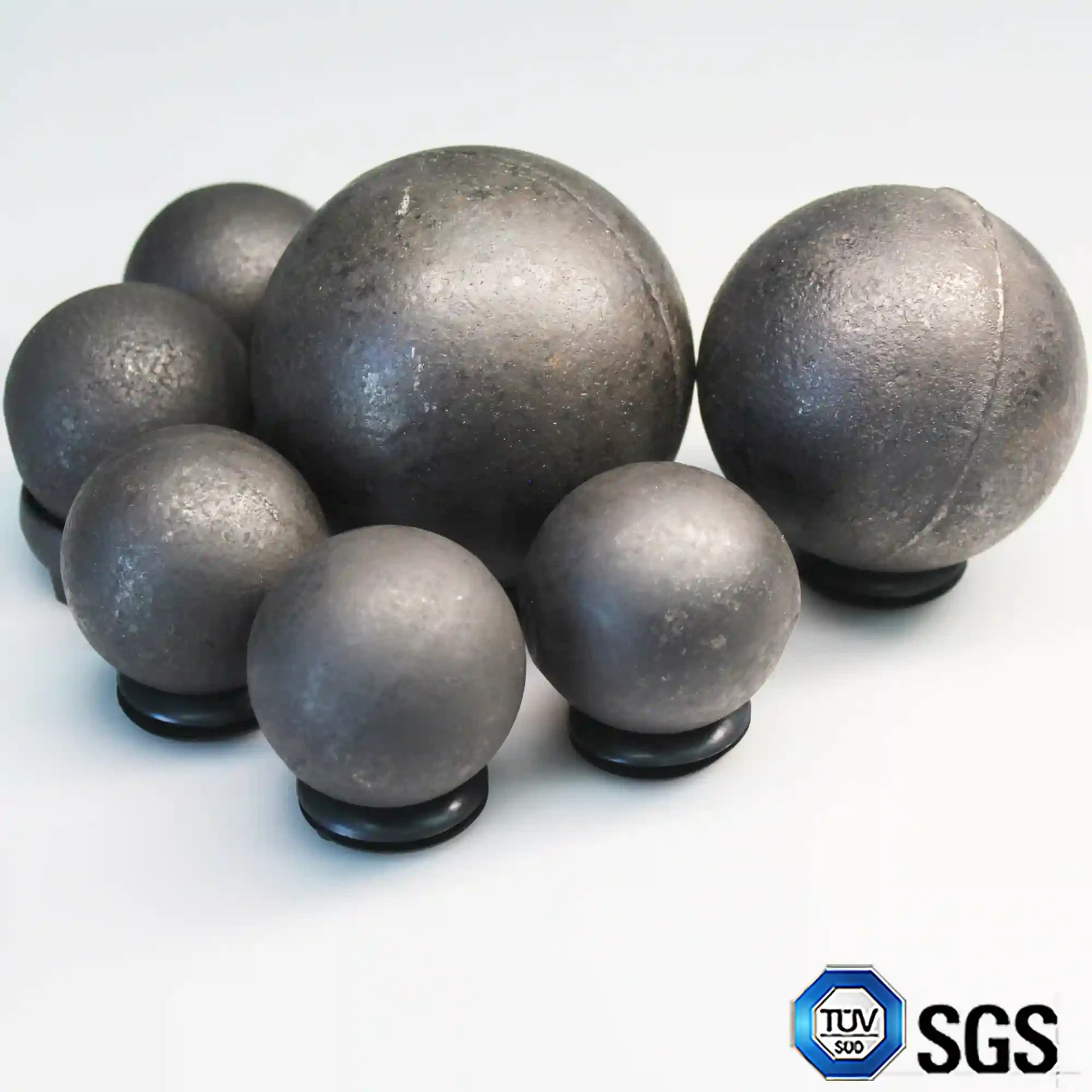
| Diameter range | 10–140 mm; tolerance around ±1 mm; roundness ≤2% |
| Hardness | Surface HRC ≈ 60–67; core HRC ≈ 56–64 (ISO 6508-1) |
| Processing | Casting, quench + temper; shot-blast finish; black color |
| Typical wear rate | ≈ 0.45–0.9 kg/t in cement; 0.8–1.5 kg/t in copper ore (ak, pH, and liner design dependent) |
| Breakage | ≤0.5% in controlled trials; drop-ball and Charpy tested (ISO 148-1) |
| Certifications | ISO 9001 (quality); compliance with ASTM/ISO test methods |
Where they’re used
- Cement plants (raw, clinker, and finish grinding)
- Mining mills (Cu, Au, Fe, Ni), concentrators, regrind circuits
- Chemical and refractory grinding; petroleum additives; construction materials
Process flow that actually matters
- Charge materials: pig iron, scrap, ferrochrome; spectrometer check on Cr/C/Mo/V.
- Melting and inoculation; controlled pour temperature.
- Mold/casting; riser design to limit porosity; feed/vent validation.
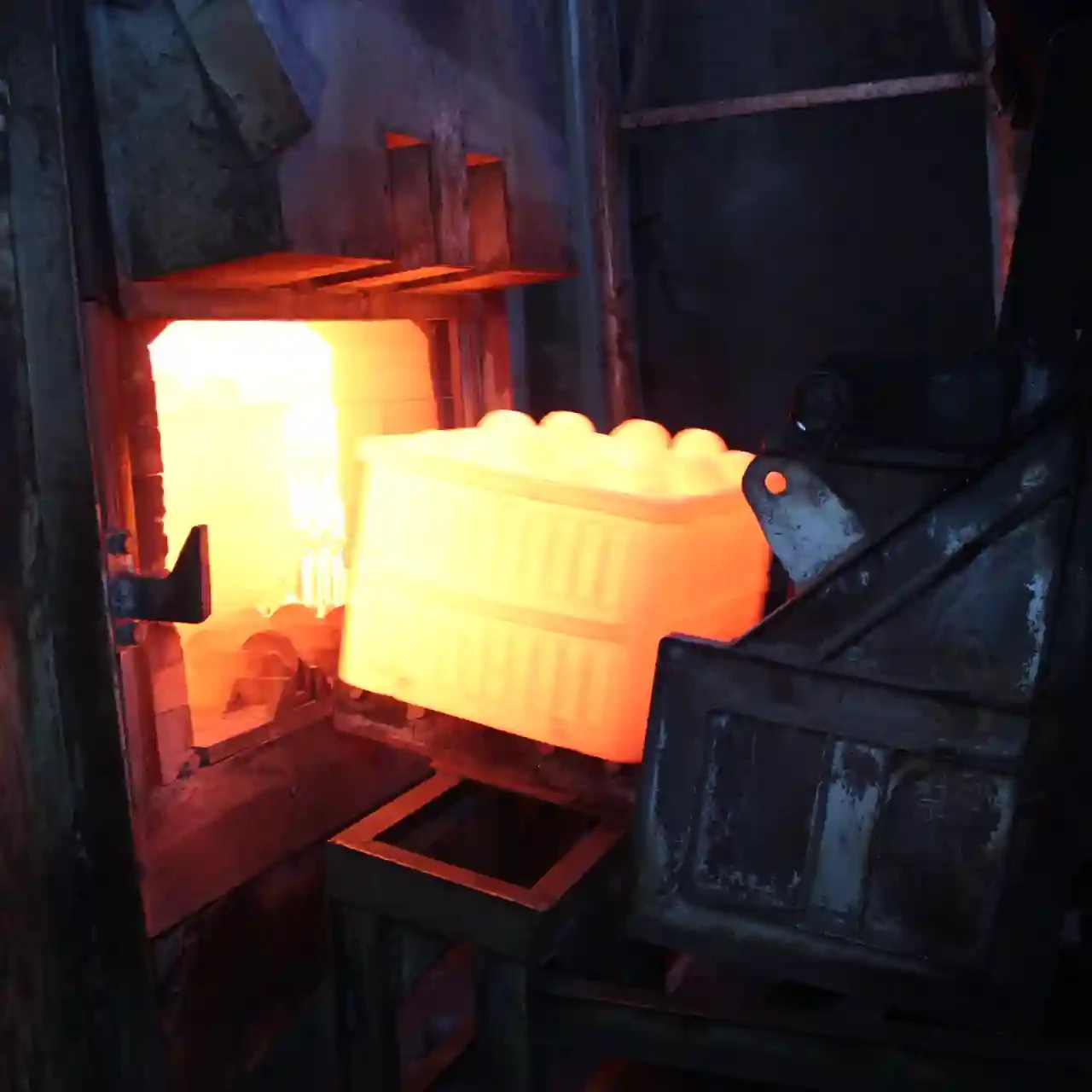
- Heat treatment: oil/water quench, multi-stage temper for martensitic matrix + M7C3 carbides.
- Testing: Rockwell HRC (ISO 6508-1), Charpy (ISO 148-1), microstructure etch (ASTM E407), drop-ball fatigue, size sorting.
- Packing: woven bags/steel drums; moisture control.
Service life varies, but many plants report 1.5×–3× versus low-chrome alternatives, especially where pH is controlled and mill charge is optimized.
Vendor comparison (what buyers actually ask me)
| Vendor | Alloy control | Heat treatment | Certs | Lead time | Notes |
|---|---|---|---|---|---|
| Chengda (Hebei) | Spectrometer-controlled, Cr 10–28% | Quench + multi-temper, batch logged | ISO 9001 | ≈3–5 weeks | Low breakage in audits; stable HRC |
| Generic Importer | Batch-to-batch variation | Single temper (varies) | Basic CoC | ≈6–8 weeks | Cheaper upfront, unpredictable wear |
| Local Foundry | Custom melts on request | Tailored cycles | Varies | Short if stocked | Great for trials; capacity can cap volumes |
Customization & quick tips
Sizes 10–140 mm; tune Cr content by circuit: lower Cr (~10–15%) for coarse, higher (~20–28%) for finish grinding and high-pH slurries. Ask for surface/core hardness maps and drop-ball results—simple request, big peace of mind. For procurement searches like Ball Mill Balls For Sale, filter by documented ASTM/ISO tests, not just marketing copy.
Field notes (case-style)
- Cement (Asia): 2.8×13 m mill, OPC. Wear rate moved from ≈0.65 to 0.48 kg/t after switching to 20–28% Cr, 30–60 mm mix; top-up frequency dropped ~18%. Plant manager said, “breakage basically disappeared.”
- Copper (LATAM): primary ball mill, pH ~9.5. Breakage
If you’re shortlisting suppliers for Ball Mill Balls For Sale, verify: chemistry certificates, heat-treatment logs, ISO 6508-1 hardness charts, ISO 148-1 impact data, and a reference list from similar mills. Simple, practical, and it weeds out the pretenders.
Citations
-
Alloy liner FAQ: grades, hardness, applications, and ordering details
NewsNov.02,2026
-
Low Chrome Grinding Media FAQ: Specifications, Ordering and Support Questions
NewsOct.30,2026
-
High Chrome Grinding Ball Price vs Medium Chrome: Choosing Grinding Balls by Application Fit
NewsOct.22,2026
-
Optimize Industrial Milling with High Quality мелющие тела
NewsJul.01,2026
-
High Performance шлифовальные шары для добычи полезных ископаемых
NewsJun.29,2026
-
Industrial Efficiency Guide for выбор размера мелющих шаров
NewsJun.27,2026