Dec . 13, 2025 00:55 Back to list
Ball Mill Liner Plate Guide | Quality Liners for Durable Milling
Ball Mill Liner Plate: What You Need to Know From Experience
Having spent quite a few years working with industrial milling equipment, I’ll tell you straight — the ball mill liner plate often gets overlooked, but it’s really the unsung hero of the milling process. Oddly enough, it’s one of those components where attention to detail can either keep your operations humming smoothly or bring production to a grinding halt (pun intended).
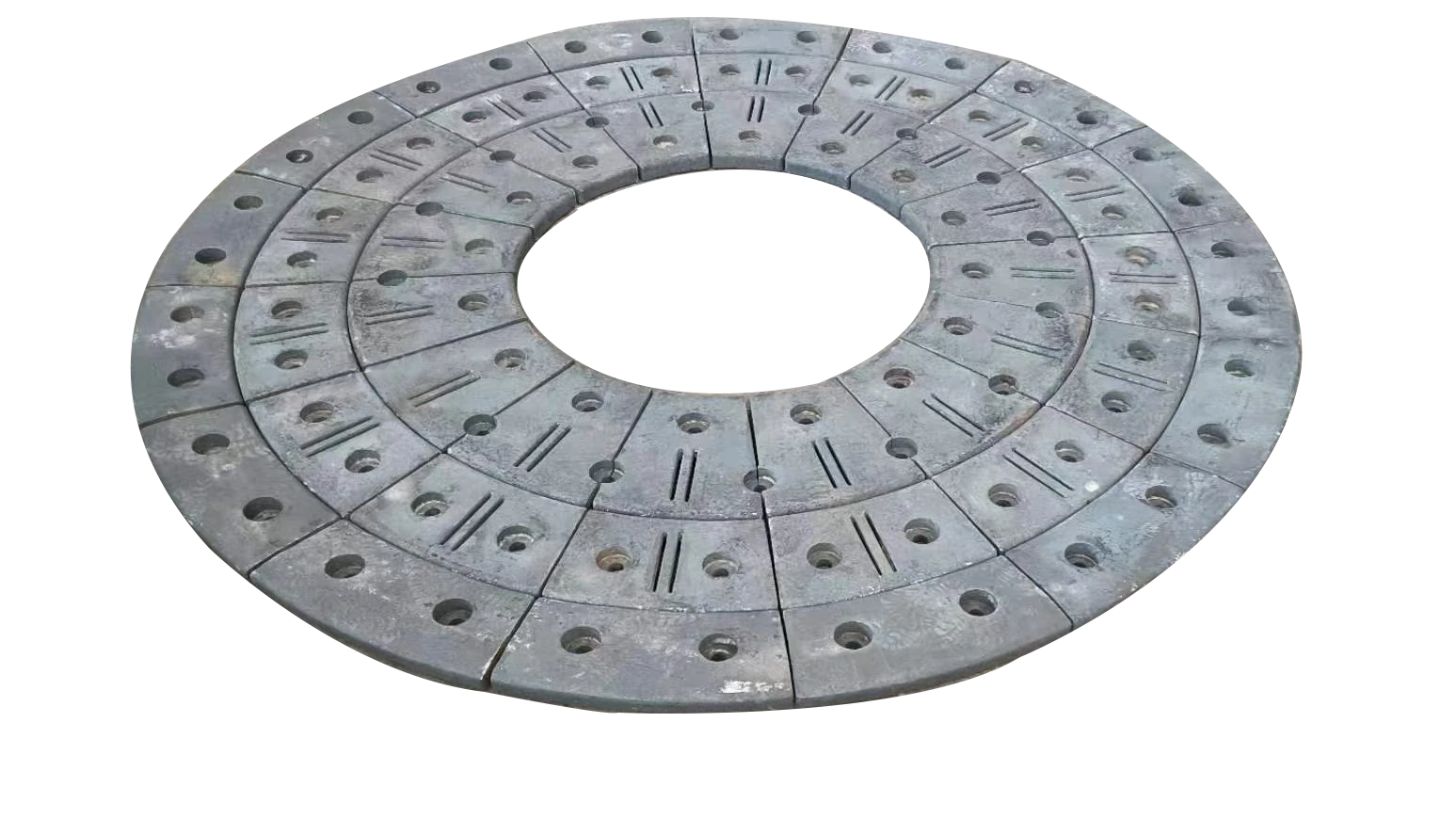
So, what’s the fuss about liner plates? In real terms, these plates line the inside of the mill, protecting the shell and helping to lift the grinding media, which in turn crushes the material inside. Without the right design and material, you’d see rapid wear, inefficient milling, or worse — frequent downtime.
Let me share some insights I’ve picked up along the way, especially about choosing the right materials and design for different operational needs.
Materials & Design: Not Just Any Steel Will Do
Most liners you'll find on the market are made from manganese steel or alloy steel. Manganese steel has this nifty trait of becoming harder when struck, which is perfect for tough grinding environments. I’ve seen plants swap out softer steel liners only to double their replacement costs within a year — just because they underestimated the material wear.
But it’s not just the material. The plate’s shape and thickness matter too. The design influences how the grinding media cascades inside the mill, affecting grinding efficiency and wear patterns. Frankly, I’m always impressed when manufacturers offer customizable liner profiles — it means they’ve spent time understanding varied client use-cases rather than pushing a one-size-fits-all product.
| Parameter | Details |
|---|---|
| Material | Manganese Steel / Alloy Steel |
| Thickness | 20mm to 65mm |
| Design Types | Ball Mill Liner, Grate Liner, Shell Liner |
| Wear Resistance | High, depends on profile & material |
| Installation | Bolt-on fastening for easy replacement |
One neat anecdote: a mill I worked at was swapping out their liners every six months. After switching to customized manganese alloy liners tailored to their operations, they stretched that interval to nearly 14 months. And yes, it felt like we found extra time and budget just by paying attention to liner choice.
Choosing Your Vendor: The Differences Matter
I suppose when you’re rushed, any vendor offering “standard” liners might look good on paper. But in reality, some vendors invest heavily in research and quality control — which saves headaches down the line. Here’s a quick rundown of what I’ve observed among popular suppliers in this field:
| Aspect | CD Chengda | Vendor B | Vendor C |
|---|---|---|---|
| Customization | ✔ Extensive | ✔ Medium | Limited |
| Material Quality | Premium Manganese Steel | Standard | Variable |
| Lead Time | 2-3 weeks | 3-5 weeks | 4-6 weeks |
| Technical Support | 24/7 Expert Support | Business Hours Only | Limited |
If you’re looking for liners that last longer and fit your mill’s unique conditions, I genuinely recommend checking out CD Chengda. They’ve impressed me with how much attention goes into their quality control and engineering advice — not just shipping you some steel and hoping for the best.
Final Thoughts
I suppose it’s easy to get caught up in the big-picture machinery specs, but the truth is: without the right ball mill liner plate, your mill’s lifespan and throughput suffer. Customization, robust material, and knowledgeable vendors make all the difference — that’s something I’ve learned the long way around.
And hey — when maintenance calls get fewer and productivity climbs, you know it was worth the effort.
References:
1. Industry Milling Reports, 2023
2. CD Chengda Official Specifications Sheet
3. Grinding Equipment Best Practices, Industrial Journal 2022
-
Industrial Guide to Ferro Manganese Medium Carbon for Steel Production
NewsApr.16,2026
-
Professional Guide and Best Practices for drilling manganese steel
NewsApr.09,2026
-
Comprehensive Guide to DIN 1.3401 Stainless Steel Properties and Applications
NewsApr.07,2026
-
Optimizing Crusher Performance with Durable Manganese Alloys and Steel
NewsApr.04,2026
-
Comprehensive Guide to Chrome Manganese Steel Properties and Industrial Applications
NewsMar.31,2026
-
Understanding the Properties and Applications of Cast Manganese Steel
NewsMar.28,2026