Nov . 27, 2025 10:00 Back to list
Broyeur à Boulets de Ciment – Efficient Cement Grinding Solutions for Global Industry
Understanding the Broyeur à Boulets de Ciment: A Key Player in Modern Cement Production
If you’ve ever walked past a large cement plant or marveled at massive construction projects, you might have indirectly encountered the broyeur à boulets de ciment—or cement ball mill. It’s not the most glamorous piece of equipment, but trust me, it’s absolutely essential. Globally, the demand for stronger, sustainable construction materials continues to grow, and understanding how cement grinding technology works is crucial to industries like construction, infrastructure, and even humanitarian relief efforts worldwide.
Why does this matter beyond just engineers and plant operators? Because the quality and efficiency of the cement ball mill directly impact cost, environmental footprint, and ultimately the durability of buildings that millions rely on for safety and shelter.
Global Context: Why the Broyeur à Boulets de Ciment Matters More Than Ever
Across the world, especially in rapidly urbanizing regions of Asia, Africa, and Latin America, the construction industry accounts for a massive portion of global CO2 emissions—some estimates put it at nearly 8%. The majority of this stems from cement production, notably its energy-intensive grinding processes. The broyeur à boulets de ciment plays a central role here: it’s the machine that crushes and grinds clinker—cement’s primary component—into fine powder.
According to the International Energy Agency (IEA), optimizing grinding efficiency could reduce electricity consumption in cement factories by up to 30%, a whopping potential in both economic and environmental terms.
However, the challenge lies in balancing throughput, energy use, and product quality — a classic engineering puzzle. That’s where advances in the design and operation of the broyeur à boulets de ciment come into play.
What Exactly Is a Broyeur à Boulets de Ciment?
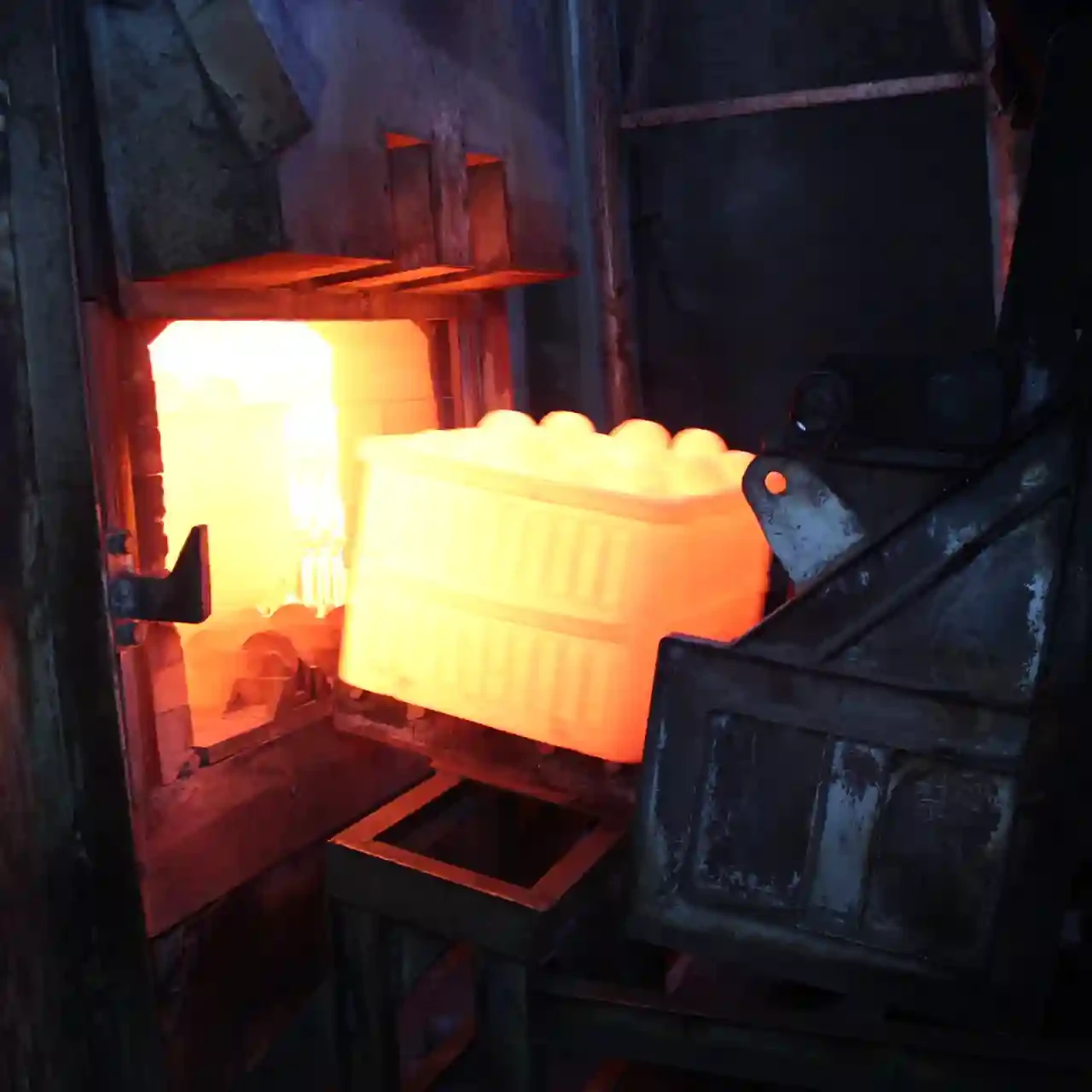
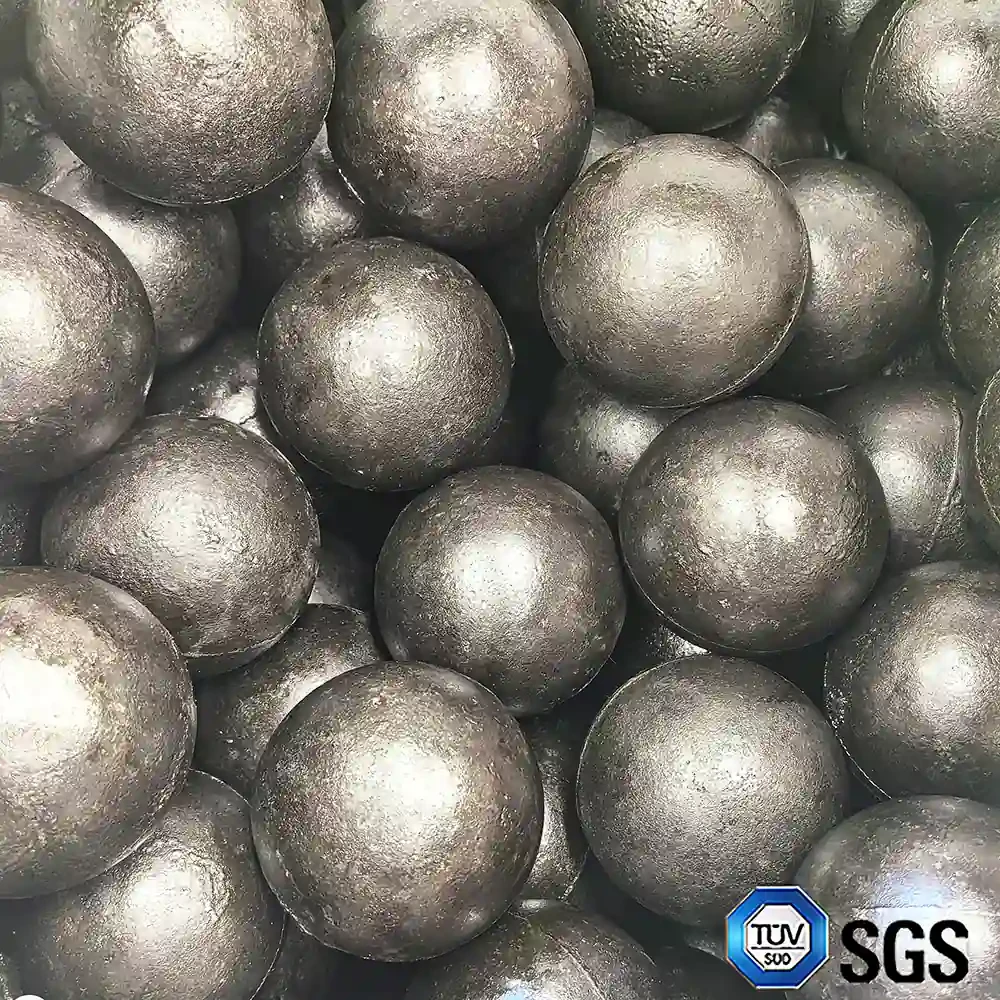
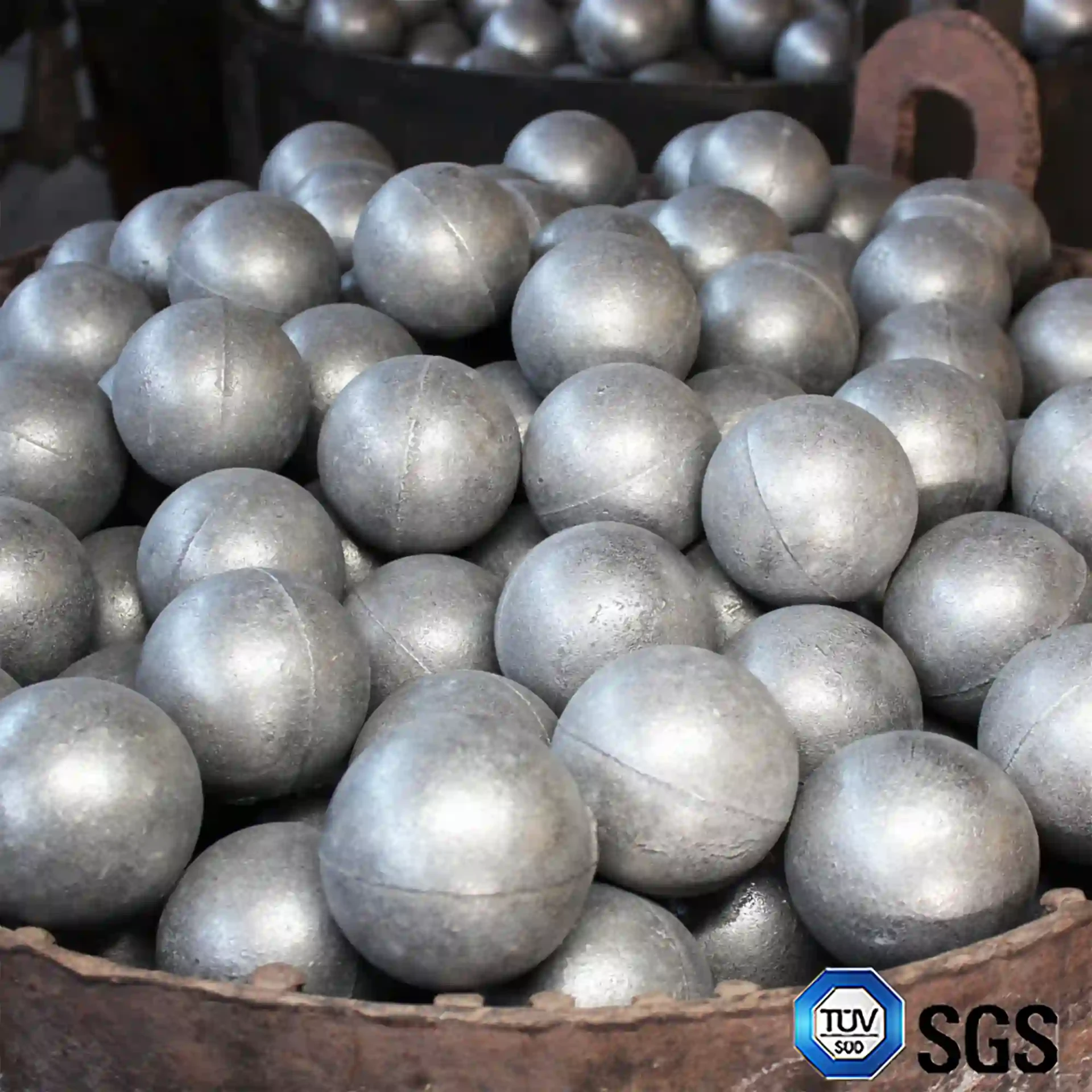
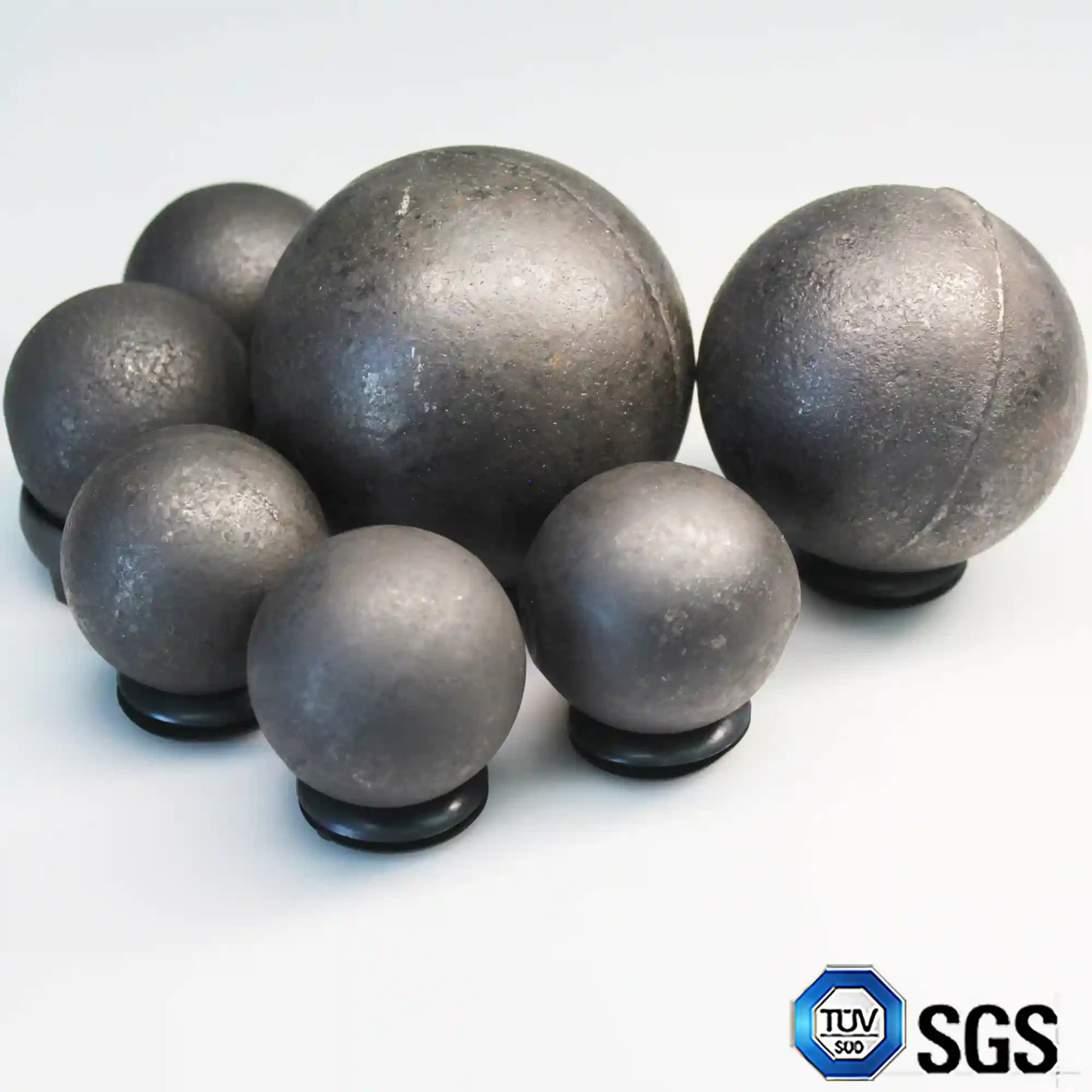
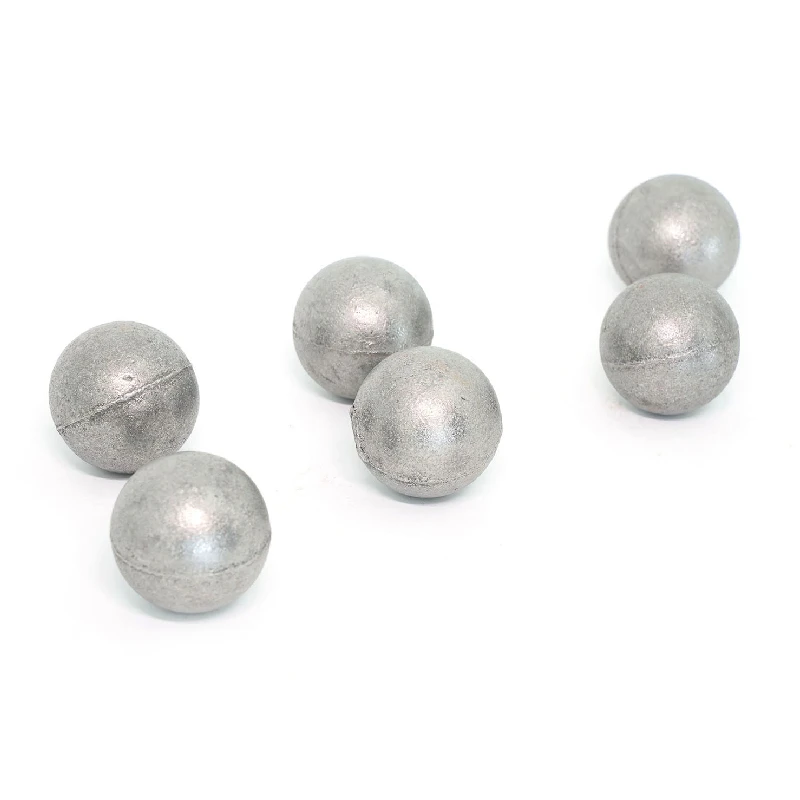
Simply put, a broyeur à boulets de ciment is a large steel cylinder filled with steel balls. As the cylinder rotates, the balls tumble within, crushing the clinker into ultra-fine particles. This grinding process transforms raw lumps into the powder that forms cement.
Interestingly, although the idea is fairly straightforward, the engineering behind it touches on complex dynamics: from rotational speed and ball size to grinding media composition and lubrication. This machine directly links raw material to final performance. For example, a poorly maintained mill can lead to uneven particle size – a nightmare for concrete mix designers.
Key Factors Influencing Broyeur à Boulets de Ciment Performance
1. Durability and Build Quality
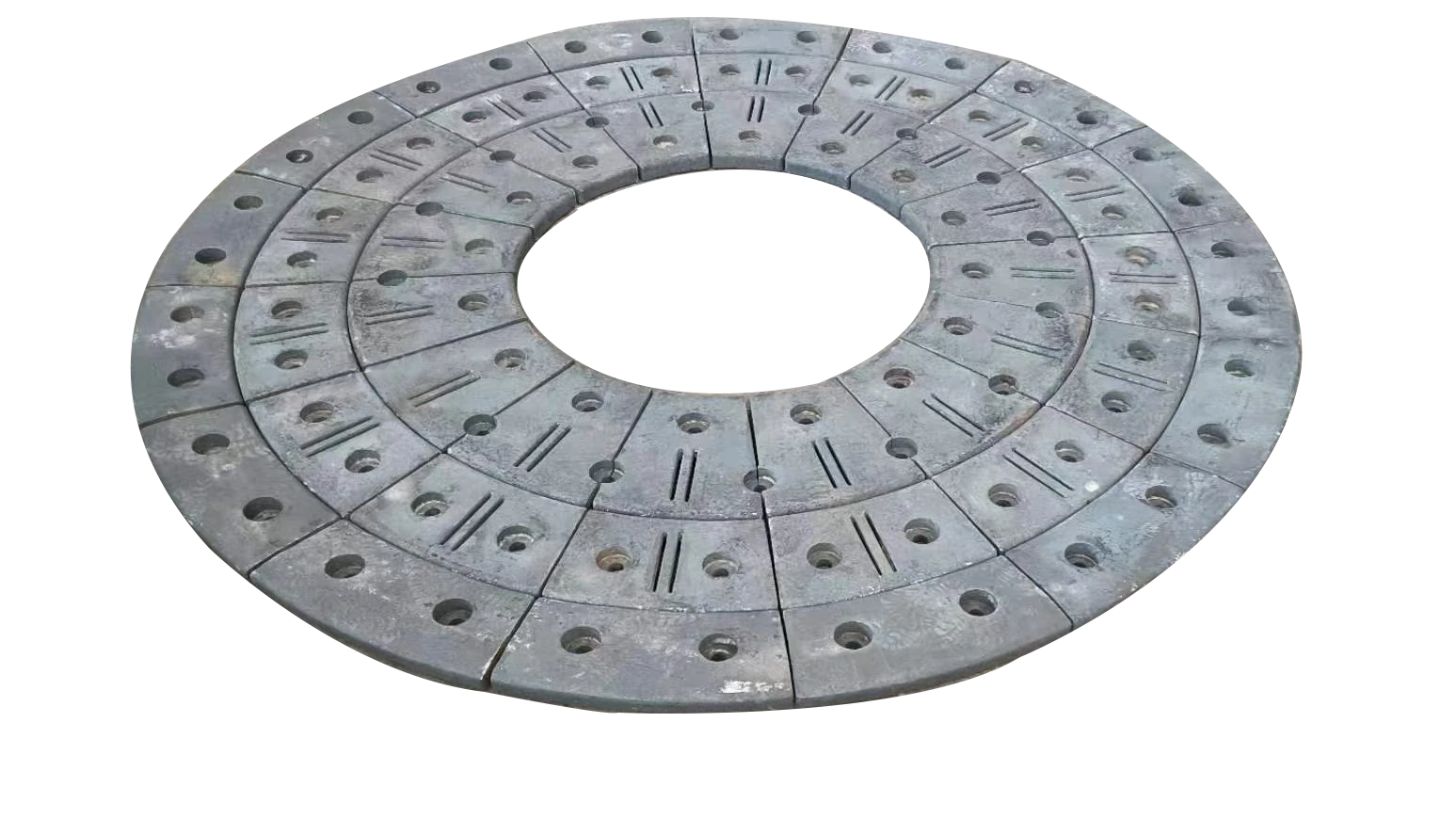
Since the machine works constantly under heavy loads, durability is king. High-grade steel linings and corrosion-resistant parts ensure years of trouble-free operation. In industrial terms, downtime means lost millions.
2. Scalability and Throughput
Whether for a small regional plant or massive integrated facility, the mill needs to match production targets. Variable speed drives and modular designs help plants scale grinding capacity without major overhauls.
3. Energy Efficiency
Grinding is energy hungry, typically consuming 30-40% of a cement plant’s power. Features like optimized ball size distribution, efficient liners, and mill aerodynamics can shrink power requirements significantly.
4. Cost Efficiency & Maintenance
A balance between initial capital cost and operating expenses dictates vendor choice. Easy access for maintenance and quality local support are crucial — because unexpected repairs in remote zones can cripple entire projects.
5. Product Quality & Consistency
Fineness of the output powder influences cement strength, setting time, and durability. So consistent milling performance isn’t just technical jargon — it deeply affects the final building integrity.
Real World Applications: Where and How Cement Ball Mills Make a Difference
The reach of the broyeur à boulets de ciment extends far beyond traditional large factories in Europe or China. In India’s booming infrastructure sector, these mills scale up daily to meet urban housing demands. African cement producers increasingly rely on modern mills to compete globally, improving quality and reducing emissions in the process.
In post-disaster zones—say after an earthquake in Southeast Asia—the availability of mobile or modular cement grinding solutions helps local teams rebuild quickly without importing finished cement, cutting costs and supply chain delays. Even small-scale plants rely heavily on versatile ball mills to maintain steady output under varying raw material qualities.
| Specification | Typical Value | Notes |
|---|---|---|
| Cylinder Diameter | 2.4 – 4.5 meters | Depends on plant scale |
| Length of Mill Cylinder | 6 – 13 meters | Longer means higher throughput |
| Rotational Speed | 14 – 20 RPM | Critical for grind efficiency |
| Grinding Media Size | 30 – 80 mm steel balls | Optimized by feed size |
| Power Consumption | 200 – 500 kW | Varies by capacity |
Mini takeaway: Choosing the right mill specs is a balancing act — scale, energy, and quality must all align for best results.
Advantages and Long-Term Values of Modern Cement Ball Mills
From both a business and social perspective, investing in a quality broyeur à boulets de ciment is often a no-brainer. For one, enhanced energy efficiency sharply cuts operating costs, a huge win given unpredictable energy prices worldwide. For many plant owners I’ve spoken with, the “payback” period on a well-engineered mill can be surprisingly fast.
Moreover, consistent particle fineness not only improves strength but also prevents premature degradation of concrete structures — enhancing safety and prolonging lifespan. That’s a social benefit that often flies under the radar.
Many manufacturers now emphasize their mills’ ability to reduce dust and noise, a nod to worker safety and regulatory pressures alike. And yes, that has a more intangible but important effect: it builds trust with local communities and regulators.
What’s Next? Future Trends in Broyeur à Boulets de Ciment Technology
The big buzzwords are smart automation and sustainability. Digitally connected mills are enabling real-time monitoring and predictive maintenance — reducing unexpected downtime and massively improving efficiency.
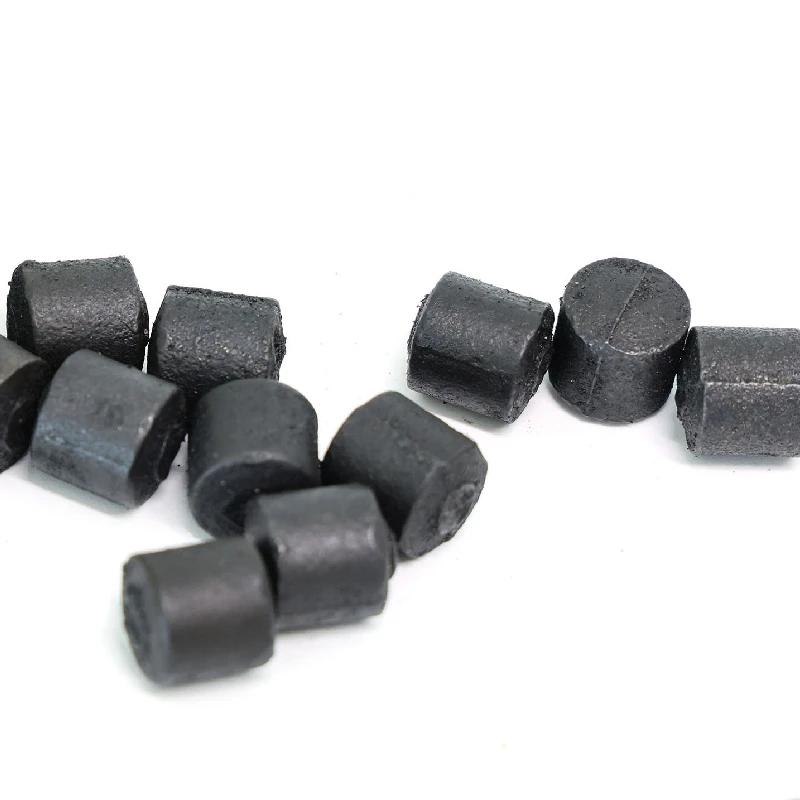
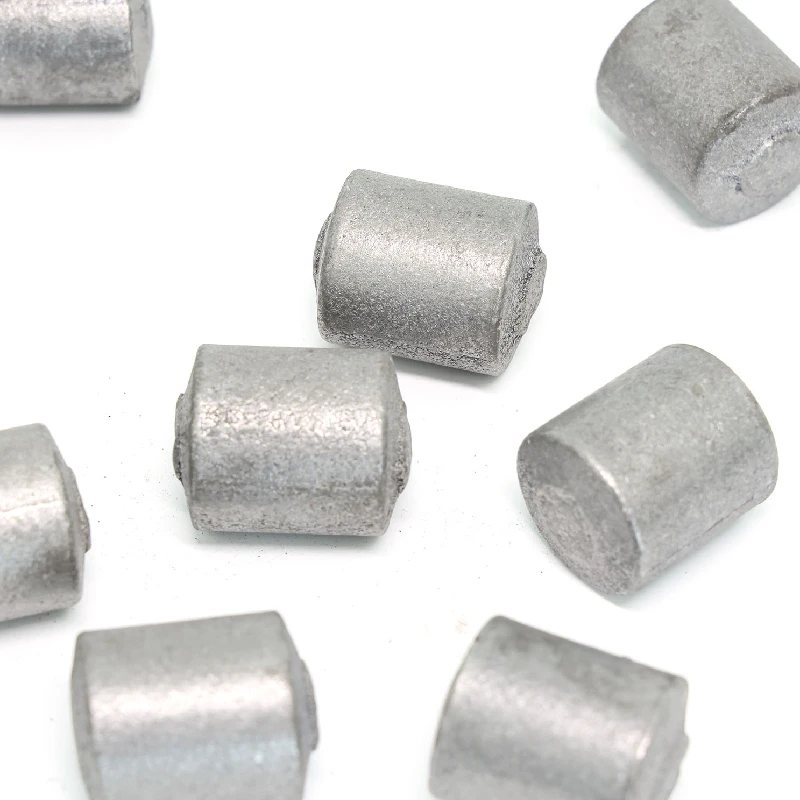
On the materials side, researchers are exploring new grinding media with advanced alloys and ceramics to extend lifespan and reduce contamination. Additionally, “green cement” initiatives depend on more precise grinding control to incorporate alternative fuels and clinker replacements without sacrificing quality.
Challenges Facing Today’s Cement Ball Mills and Possible Solutions
Despite advances, a few pesky issues persist. Wear and tear remain costly, particularly in abrasive environments. Scaling mills for fluctuating demand or raw materials is still tricky. Plus, in developing regions, lack of proper training and parts availability can stall otherwise excellent machinery.
Innovation is turning towards modular, easily maintainable designs and remote diagnostics, which vendors increasingly offer as value-added services. Collaborative training programs with local technicians are another growing trend that helps bridge knowledge gaps.
Vendor Comparison: Evaluating Popular Broyeur à Boulets de Ciment Suppliers
| Vendor | Energy Efficiency | Maintenance Ease | Customization Options | Global Support Network |
|---|---|---|---|---|
| Chengda Machinery | High (Up to 30% energy savings) | Modular, with easy-access parts | Highly customizable for scale & materials | Extensive, including training programs |
| Global Mills Inc. | Moderate | Standard maintenance protocols | Limited customization | Regional only |
| EuroTech Grinders | High | Advanced diagnostics built-in | Moderate customization | Strong in Europe & Asia |
FAQ: Your Questions About Broyeur à Boulets de Ciment
- Q: How often should the grinding media in a cement ball mill be replaced?
- A: Generally, steel balls wear down after about 6-12 months of continuous operation, depending on material abrasiveness and mill conditions. Regular inspection helps avoid efficiency losses and damage.
- Q: Can modern ball mills process alternative clinker types?
- A: Yes. Many new models are equipped with adjustable speed controls and media sizes to handle diverse clinker compositions required for eco-friendly cements.
- Q: What makes energy-efficient cement ball mills different?
- A: They incorporate optimized liners, variable speed drives, and advanced control systems to reduce power consumption while maintaining grind quality — often saving up to 30% energy.
- Q: Is it feasible to import cement ball mills to developing countries?
- A: Absolutely, but it’s vital to consider after-sales support, parts availability, and operator training. Companies like Chengda offer tailored packages for international clients.
Wrapping It Up: Why Broyeur à Boulets de Ciment Still Rules the Cement World
In real terms, the broyeur à boulets de ciment is the beating heart of cement production — quietly grinding away while newer tech fights emissions, cost, and supply challenges. Investing in the right machine isn’t just about throughput; it’s about building stronger, safer communities and a more sustainable future.
If you’re interested in cutting edge design, proven durability, and global service, take a moment to explore options from specialists like Chengda Machinery. It could be the game-changer your project needs.
References & Further Reading
-
Industrial Guide to Ferro Manganese Medium Carbon for Steel Production
NewsApr.16,2026
-
Professional Guide and Best Practices for drilling manganese steel
NewsApr.09,2026
-
Comprehensive Guide to DIN 1.3401 Stainless Steel Properties and Applications
NewsApr.07,2026
-
Optimizing Crusher Performance with Durable Manganese Alloys and Steel
NewsApr.04,2026
-
Comprehensive Guide to Chrome Manganese Steel Properties and Industrial Applications
NewsMar.31,2026
-
Understanding the Properties and Applications of Cast Manganese Steel
NewsMar.28,2026