Dec . 11, 2025 06:55 Back to list
Comprehensive Guide to Alloy Liner: Industrial Wear Protection Solutions
Alloy Liner is a key solution in the industry, specifically within sectors demanding high wear resistance and durability. This article explores how https://www.cdchengda.com supports professionals with durable, high-performance products, and explains why this product is an ideal choice for businesses in these sectors.
Table of Contents
- Alloy Liner Overview
- Benefits & Use Cases of Alloy Liner
- Cost, Maintenance & User Experience
- Sustainability & Market Trends
Alloy Liner Overview
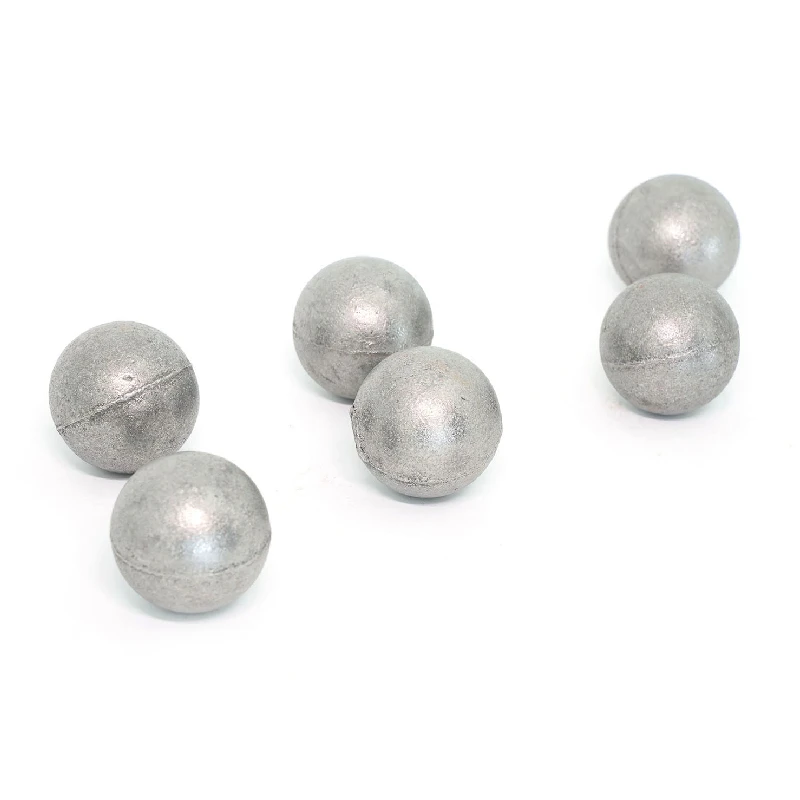
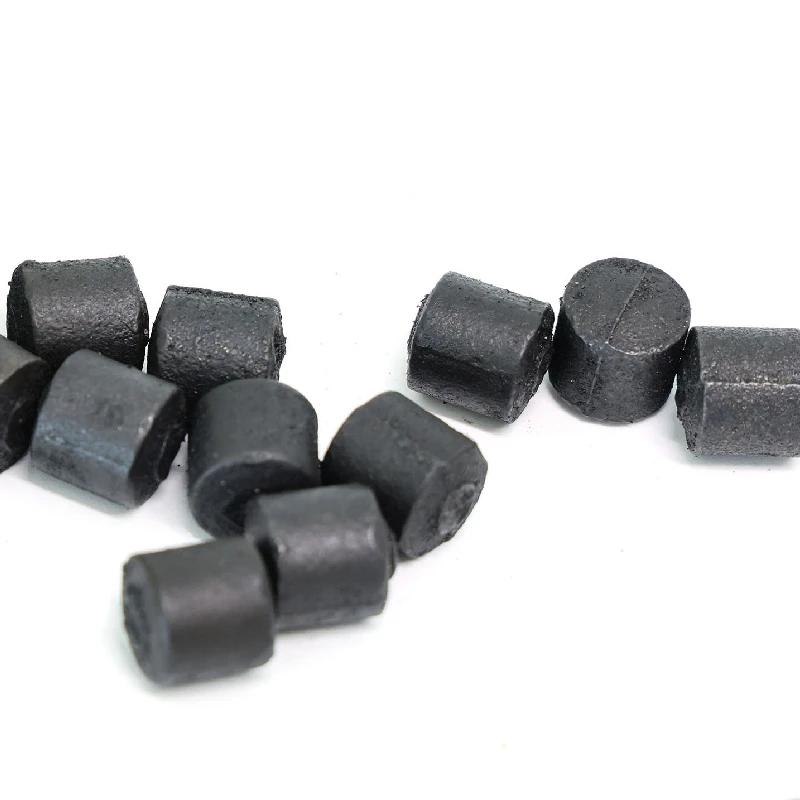
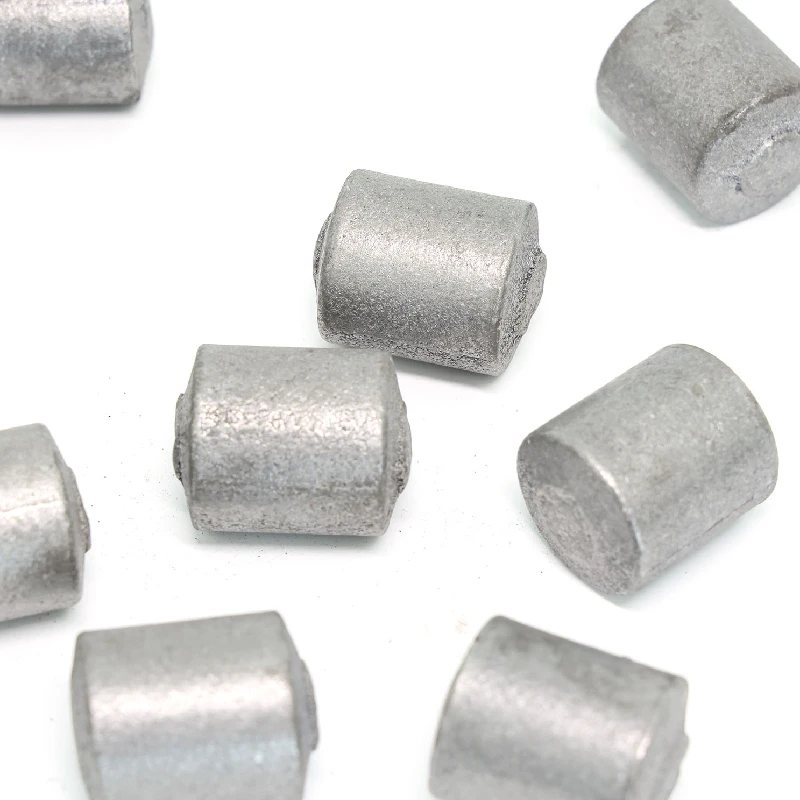
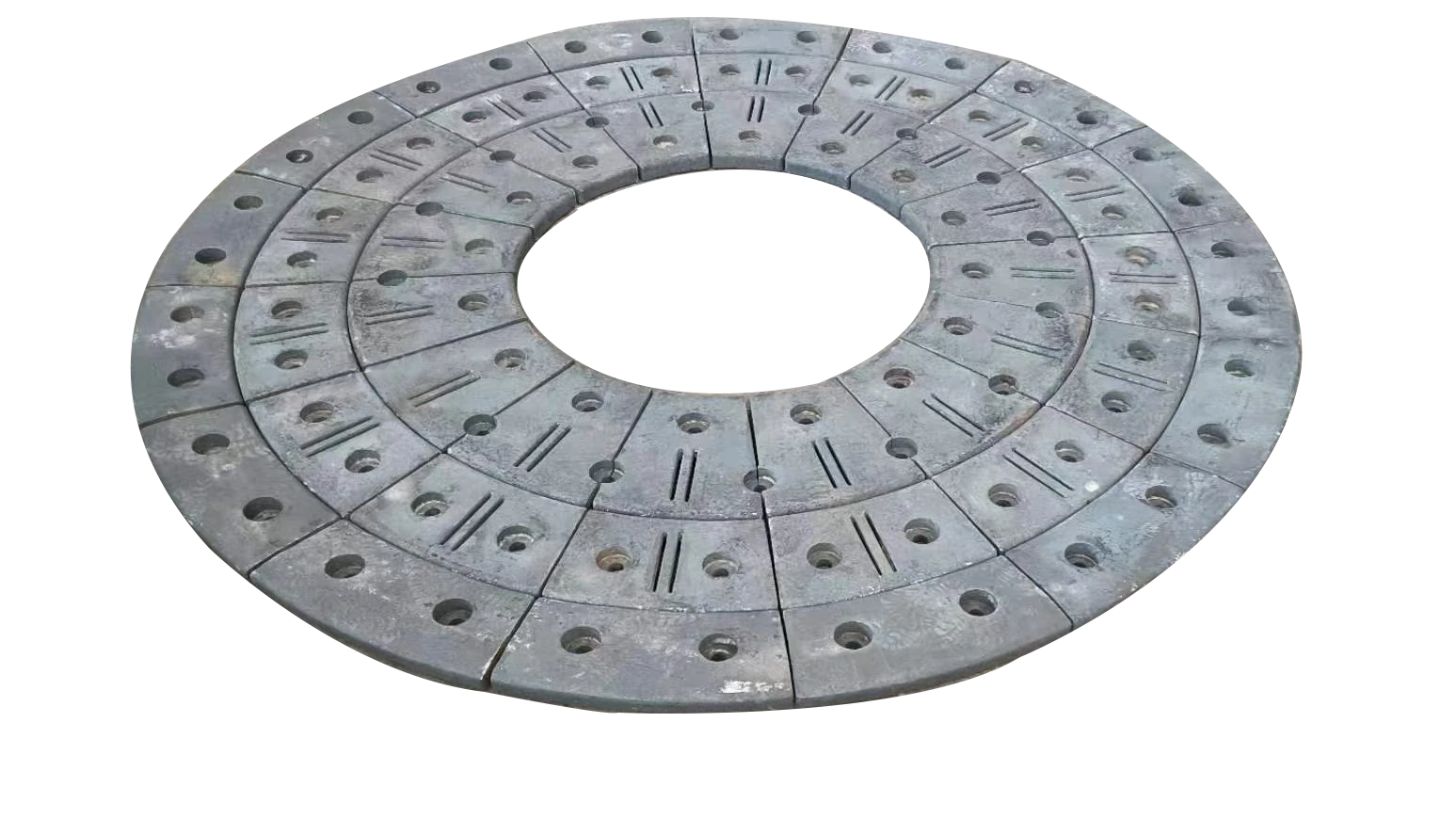
In plain terms, an Alloy Liner is essentially a protective wear-resistant layer made from carefully engineered metal alloys. Its main purpose? To extend the lifespan of industrial equipment parts subjected to abrasive, erosive, or high-impact conditions. The tech behind it is quite fascinating – typically involving specialized mixes of chromium, nickel, manganese, and other elements that provide hardness without making the liner brittle. I’ve noticed that in industries like mining, cement production, and power generation, these liners often go through rigorous testing to ensure they stand up to the harshest environments.
To give you a sense of specifics, Zhengda’s alloy liners maintain a hardness rating that can range around 55-60 HRC (Hardness Rockwell C), which frankly, is pretty tough. The alloy composition can be customized depending on client use cases, such as metal-sprayed, welded, or bolted liner solutions. Case studies point to usage in large-scale ball mills and SAG mills where failure rates without these liners were worryingly high, sometimes leading to costly downtime.
| Specification | Value |
|---|---|
| Material | High Chromium Cast Iron Alloy |
| Hardness | 55-60 HRC |
| Typical Applications | Grinding Mills, Crushers, Cyclones |
| Thickness Range | 10mm – 50mm |
| Installation Methods | Welding, Bolting, Clamping |
Benefits & Use Cases of Alloy Liner
It’s kind of obvious why Alloy Liners are prized in heavy industries — they offer a neat balance between toughness, wear resistance, and adaptability. I suppose what makes them stand out the most is the way they slow down wear and tear while actually improving operational efficiency. In the cement industry, for example, these liners line the inside of ball mills and protect against constant abrasion from raw materials and grinding media. Without them, equipment would degrade quickly.
Beyond just durability, companies often praise the liners for reducing the frequency of costly maintenance and unexpected downtime. Some users mention that installing a premium alloy liner from Zhengda can boost equipment uptime by as much as 20%, which in real terms makes a big difference for plant productivity. Plus, the liners come with corrosion-resistant properties - especially important in chemical and power plants where humid or aggressive environments prevail.
Vendor Comparison
| Feature | CD Chengda Alloy Liner | Competitor A | Competitor B |
|---|---|---|---|
| Material Quality | High Chromium Cast Iron | Standard Cast Iron | High Carbon Steel |
| Wear Resistance | Excellent | Good | Moderate |
| Customization Options | Wide Range | Limited | Moderate |
| Delivery Time | 4-6 Weeks | 6-8 Weeks | 5-7 Weeks |
| Price Point | Competitive | Higher | Variable |
Cost, Maintenance & User Experience
When it comes to total cost of ownership, Alloy Liners might seem like a bigger upfront investment. But here’s the thing — the longevity and reduced maintenance requirements often lead to surprising cost savings over time. From conversations with plant managers, many testify that spending a bit more on quality alloy liners pays off quickly through decreased machine downtime and fewer replacements.
Maintenance is fairly straightforward too. The liners generally require periodic inspections but typically need replacing much less often than rubber or steel alternatives. One particular client from a coal power plant shared that after switching to CD Chengda's alloy liners, their annual maintenance costs dropped by nearly 15%. That’s not trivial – it’s the kind of efficiency anyone in operations will appreciate.
Sustainability & Market Trends
Oddly enough, sustainability is becoming a stronger driving force even in traditionally heavy industrial supplies like Alloy Liners. Manufacturers now face growing regulations demanding lower emissions and longer equipment life cycles. Alloy Liners help meet these goals by reducing the frequency of wasted components and energy spent on replacement manufacturing.
The market is also seeing a push toward tailored alloy compositions designed for specific environments, which improves recyclability and reduces waste. In short, the industry is evolving toward smarter, more sustainable wear solutions – and suppliers like Chengda are right at the forefront, innovating in line with these trends.
Frequently Asked Questions about Alloy Liner
- What is Alloy Liner and how does it work?
- Alloy Liner is a wear-resistant protective sleeve made of metal alloy. It works by shielding industrial equipment parts from abrasion and impact, thereby prolonging their operational life and improving reliability.
- What are the main benefits of using Alloy Liner in industrial applications?
- Key benefits include enhanced durability, cost savings by reducing maintenance frequency, and improved operational efficiency due to extended equipment uptime.
- How does Alloy Liner compare to traditional alternatives?
- Compared to rubber or standard steel liners, alloy liners offer superior hardness and wear resistance, resulting in a longer lifespan and less frequent replacements.
- What industries can benefit most from Alloy Liner implementation?
- Industries such as mining, cement production, power generation, and chemical processing widely benefit, especially in components like ball mills, crushers, and cyclones.
Conclusion on Alloy Liner from china
In closing, Alloy Liner emerges as a fundamental element in industrial wear protection — combining tailored metallurgy, durability, and cost-efficiency. For B2B decision makers looking to optimize asset longevity while keeping maintenance predictable, it really does seem like the smart choice.
- Recap the value of Alloy Liner.
- - Visit our website: https://www.cdchengda.com
It’s always interesting how a thoughtfully made alloy lining quietly supports entire industries behind the scenes – truly the unsung hero of modern heavy equipment.
References:
1. CD Chengda Official Product Documentation
2. Industry Wear Protection Case Studies, Mining Magazine 2023
3. “Trends in Industrial Wear-Resistant Materials,” Journal of Materials Engineering, 2024
-
Industrial Guide to Ferro Manganese Medium Carbon for Steel Production
NewsApr.16,2026
-
Professional Guide and Best Practices for drilling manganese steel
NewsApr.09,2026
-
Comprehensive Guide to DIN 1.3401 Stainless Steel Properties and Applications
NewsApr.07,2026
-
Optimizing Crusher Performance with Durable Manganese Alloys and Steel
NewsApr.04,2026
-
Comprehensive Guide to Chrome Manganese Steel Properties and Industrial Applications
NewsMar.31,2026
-
Understanding the Properties and Applications of Cast Manganese Steel
NewsMar.28,2026