Nov . 27, 2025 15:15 Back to list
Comprehensive Guide to Bille de Broyage en Céramique | Industrial Grinding Solutions
The Quiet Power Behind Industrial Efficiency: Understanding Bille de Broyage en Céramique
At first glance, billes de broyage en céramique might sound like something from a chemistry lab or maybe a boutique artisan ceramics shop. But in reality, these ceramic grinding balls are absolutely vital components with a surprisingly broad impact on industries around the globe. They’re the unassuming workhorses in processes ranging from mining and minerals to pharmaceuticals and advanced materials manufacturing.
Why should anyone care? Well, on a global scale, optimizing grinding and milling processes means less waste, higher product quality, and energy savings that, frankly, add up to tangible environmental and economic benefits. Especially as industries push toward sustainability, understanding the ins and outs of quality ceramic grinding media is gaining crucial importance.
Introduction: Why Ceramic Grinding Media Matter Globally
Grinding in industrial settings is everywhere — think of giant mills tirelessly reducing rock to powder, or fine ingredients to micron-level dust for pharma use. The UN’s environmental reports repeatedly highlight energy use as one of the biggest industrial challenges worldwide, and the efficiency of grinding media plays directly into that. According to the International Organization for Standardization (ISO), high-quality grinding media can reduce energy consumption in milling by up to 15% compared to traditional alternatives.
But here’s the rub: wear and tear on grinding balls causes contamination, downtime, and eventually increases operational costs. So, investing in billes de broyage en céramique helps address these issues — leading to longer equipment life and improved output quality.
What Exactly Are Bille de Broyage en Céramique?
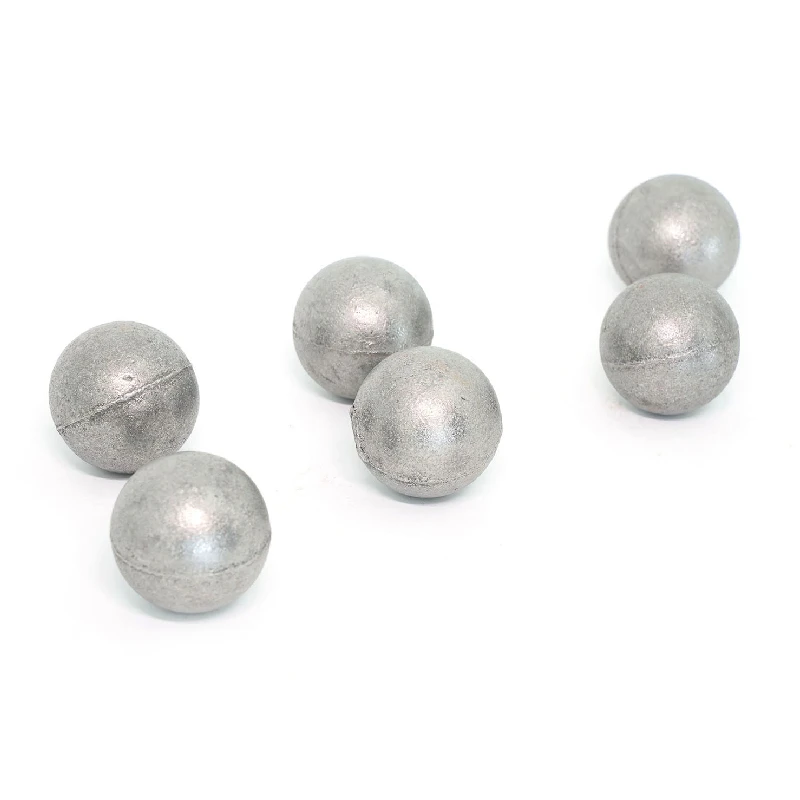
Simply put, these are spherical ceramic beads designed to grind or mill materials into finer particles. They're made of advanced ceramic materials such as alumina, zirconia, or silicon nitride, giving them high hardness, excellent wear resistance, and chemical inertness. Unlike steel or natural stone grinding balls, ceramic ones have lower density, reducing impact force but improving smoothness and preventing contamination.
In industries where purity and consistency matter — like pharmaceuticals, food processing, or electronics — billes de broyage en céramique serve as a cornerstone of both quality and safety.
Core Qualities Driving Their Utility
1. Durability
Ceramic grinding balls resist abrasion far better than traditional steel or natural stones. This longevity not only reduces replacement costs but dramatically minimizes downtime during maintenance cycles.
2. Chemical Stability
By being chemically inert, they don’t react with milled material — crucial for pharmaceutical or food-grade milling where contamination can be disastrous.
3. Density and Weight
Since ceramics tend to be less dense, they impart a gentler grinding action. This actually benefits ultra-fine grinding processes, where you want finesse rather than brute force.
4. Cost Efficiency Over Time
Although initially pricier than steel balls, their extended life cycle and improved product quality generate cost benefits in the long run.
5. Scalability and Customization
Available in diverse sizes and compositions, manufacturers can tailor these grinding balls to exact industry needs—something the big steel guys struggle with.
Mini Takeaway:
The combination of durability, chemical inertness, and efficiency makes ceramic grinding media an indispensable asset for industries serious about quality and sustainability.
Worldwide Applications & Real-World Examples
Ceramic grinding balls are a silent force in many critical industries. Let’s look at some snapshots:
- Mining: In mineral processing plants in Australia and Canada, the use of alumina-based ceramic beads has improved ore reduction efficiency, boosting recovery rates.
- Pharmaceuticals: European drug manufacturers rely on ultra-pure ceramic grinding media to ensure no contamination in their milling lines, preserving medicine efficacy.
- Electronics: Silicon nitride balls find favor in grinding materials for semiconductors and precision components — often based in East Asia hubs.
- Post-disaster water purification: NGOs in sub-Saharan Africa leverage ceramic media in portable mills for grinding mineral adsorbents, crucial for emergency response.
Each use case tells a story of precision and reliability. Oddly enough, the simplest spheres can influence grand outcomes like public health and high-tech innovation.
| Parameter | Value | Remarks |
|---|---|---|
| Diameter Range | 0.5 mm - 20 mm | Suitable for various mill sizes |
| Material Composition | Alumina (Al2O3), Zirconia (ZrO2) | Depends on abrasion & chemical resistance |
| Hardness | ~2200 HV (Vickers) | Superior to most steel balls |
| Density | 3.5 - 6 g/cm³ | Varies with ceramic type |
| Operating Temperature | Up to 1300°C | Ideal for high-temp milling |
| Service Life | 2-4 times longer than steel | Cost efficiency over time |
The Tangible & Intangible Advantages of Ceramic Grinding Balls
Here’s where it gets interesting. On paper, ceramic grinding media offer impressive wear resistance and process consistency. But beneath that is a story of sustainability, safety, and trust.
- Cost Savings: Less frequent replacement, fewer contaminations, and smoother operation decrease overall expenses.
- Environmental Impact: Reduced energy consumption and waste generation align with growing green initiatives worldwide.
- Social & Safety Impacts: In pharma and food industries, product purity translates directly to patient and consumer safety.
- Innovation Trigger: Reliable milling improves the possibility to develop novel materials and formulations.
Maybe it sounds a bit abstract, but it’s like investing in a solid pair of shoes — not flashy, but the comfort and durability make all the difference.
Looking Ahead: Future Innovations in Bille de Broyage en Céramique
The future’s bright for ceramic grinding balls. Researchers are experimenting with composite materials combining ceramics with advanced polymers to enhance toughness without sacrificing hardness. Automation and digital monitoring are making it easier to predict wear patterns and schedule timely replacements, reducing unplanned downtime.
Also noteworthy is the push for eco-friendly manufacturing processes paired with recyclable grinding media to close the loop in industrial sustainability—a serious move toward circular economy principles echoed in ISO 14001 standards.
Common Challenges and How Experts Overcome Them
Honestly, ceramic grinding balls aren’t without their issues. One common limitation is brittleness under extreme impact which can cause chipping or breakage in harsh milling conditions. Some manufacturers have handled this by optimizing ceramic grain size and bonding agents to improve toughness.
Supply chain consistency can also be tricky—high-quality ceramic beads require rigorous quality control, something that not every vendor reliably offers.
A trusted vendor can make or break your process — speaking of which, here’s a quick vendor comparison to help get you started.
| Vendor | Material Options | Customization | Lead Time | Price Range |
|---|---|---|---|---|
| Chengda Ceramics | Alumina, Zirconia | Full size & composition | 2-4 weeks | Mid-range |
| Global Grinding Media Ltd. | Alumina only | Limited | 3-5 weeks | Lower range |
| Zenith Ceramics | Zirconia, Silicon Nitride | Custom batches | 4-6 weeks | Premium |
Frequently Asked Questions About Bille de Broyage en Céramique
- Q: How do ceramic grinding balls compare with steel in terms of contamination?
- A: Ceramic grinding media are highly resistant to corrosion and chemically inert, drastically reducing contamination risks compared to steel which can wear and rust. This makes ceramics preferable in food, pharma, and electronics industries demanding purity.
- Q: Are billes de broyage en céramique suitable for all milling machines?
- A: Most modern milling machines can use ceramic grinding balls, but it's important to verify compatibility regarding mill type, size, and operating parameters. Custom sizing and material choices further enhance adaptability.
- Q: What maintenance is required when using ceramic media?
- A: Compared to steel, ceramic balls require less frequent replacement and minimal maintenance. Regular inspection for chipping or cracking is advisable, especially in heavy impact settings, but overall, maintenance needs are lower.
- Q: Can ceramic grinding balls be recycled or reused?
- A: Some ceramic grinding media can be recycled or repurposed depending on condition and material composition. Recycling processes are emerging but still less common than with metals. Reusing within the same milling batch may be possible if contamination risk is minimal.
- Q: Where can I source high-quality billes de broyage en céramique?
- A: Reliable vendors such as Chengda Ceramics offer quality-controlled, customizable ceramic grinding balls with worldwide shipping and professional consulting services.
Conclusion: Why Investing in Ceramic Grinding Media Pays Off
If you’re in any industry relying on milling or grinding, understanding and choosing the right billes de broyage en céramique can transform your operations. Beyond toughness and smooth performance lies a story of sustainability, safety, and innovation—a trifecta the modern world urgently needs.
Ready to upgrade? Visit our website: https://www.cdchengda.com and discover how top-tier ceramic grinding balls can bring long-term value to your process.
Quick Reflections
It might feel like just another industrial component, but the ripple effects of better grinding media reach far beyond the factory floor. Reduced waste, improved purity, and energy saving — these are small wins cascading toward a smarter, cleaner future.
References:
-
Industrial Guide to Ferro Manganese Medium Carbon for Steel Production
NewsApr.16,2026
-
Professional Guide and Best Practices for drilling manganese steel
NewsApr.09,2026
-
Comprehensive Guide to DIN 1.3401 Stainless Steel Properties and Applications
NewsApr.07,2026
-
Optimizing Crusher Performance with Durable Manganese Alloys and Steel
NewsApr.04,2026
-
Comprehensive Guide to Chrome Manganese Steel Properties and Industrial Applications
NewsMar.31,2026
-
Understanding the Properties and Applications of Cast Manganese Steel
NewsMar.28,2026