Nov . 30, 2025 00:20 Back to list
Comprehensive Guide to Boulets Miniers: Specifications, Applications and Suppliers
Understanding Boulets Miniers: What They Are and Why They Matter Globally
When diving into the mining and heavy industrial sectors, you'll often come across the term boulets miniers. In English, this translates roughly to “grinding balls” or “mill balls,” essential components in ore processing that quietly make a massive difference in mining productivity worldwide. You might not see them in flashy headlines, but their impact? Huge — from ensuring resource efficiency to supporting industries that drive economies.
Globally, with mining output valued in the trillions, a subtle enhancement in efficiency through better boulets miniers can ripple through supply chains, commodity prices, and even environmental footprints. In short, knowing about these steel spheres is well worth your time if you’re involved in mining, metallurgy, or even sustainability efforts.
Mini takeaway: Boulets miniers are small but mighty — key tools that help turn raw ore into valuable minerals efficiently and sustainably.
The Global Landscape of Boulets Miniers: Why They’re More Relevant Than Ever
According to the United Nations International Resource Panel, global mineral extraction has nearly doubled in the past 20 years, pushing us to adopt smarter, leaner processes to avoid unnecessary waste.1 Here’s where boulets miniers come in. Used in grinding mills, these steel balls crush and reduce ore so that metals like copper, iron, and gold can be extracted with precision.
However, even the best grinding balls face challenges — wear and tear, energy inefficiency, or material imbalances — that can increase operational costs or lead to downtime. Engineers and plant managers worldwide continuously seek high-quality boulets miniers that balance durability with cost-effectiveness, sometimes tipped off by innovations in metals science or manufacturing techniques.
Mini takeaway: As mining intensifies globally, better boulets miniers help plants stay competitive by improving ore processing efficiency while reducing waste.
What Exactly Are Boulets Miniers?
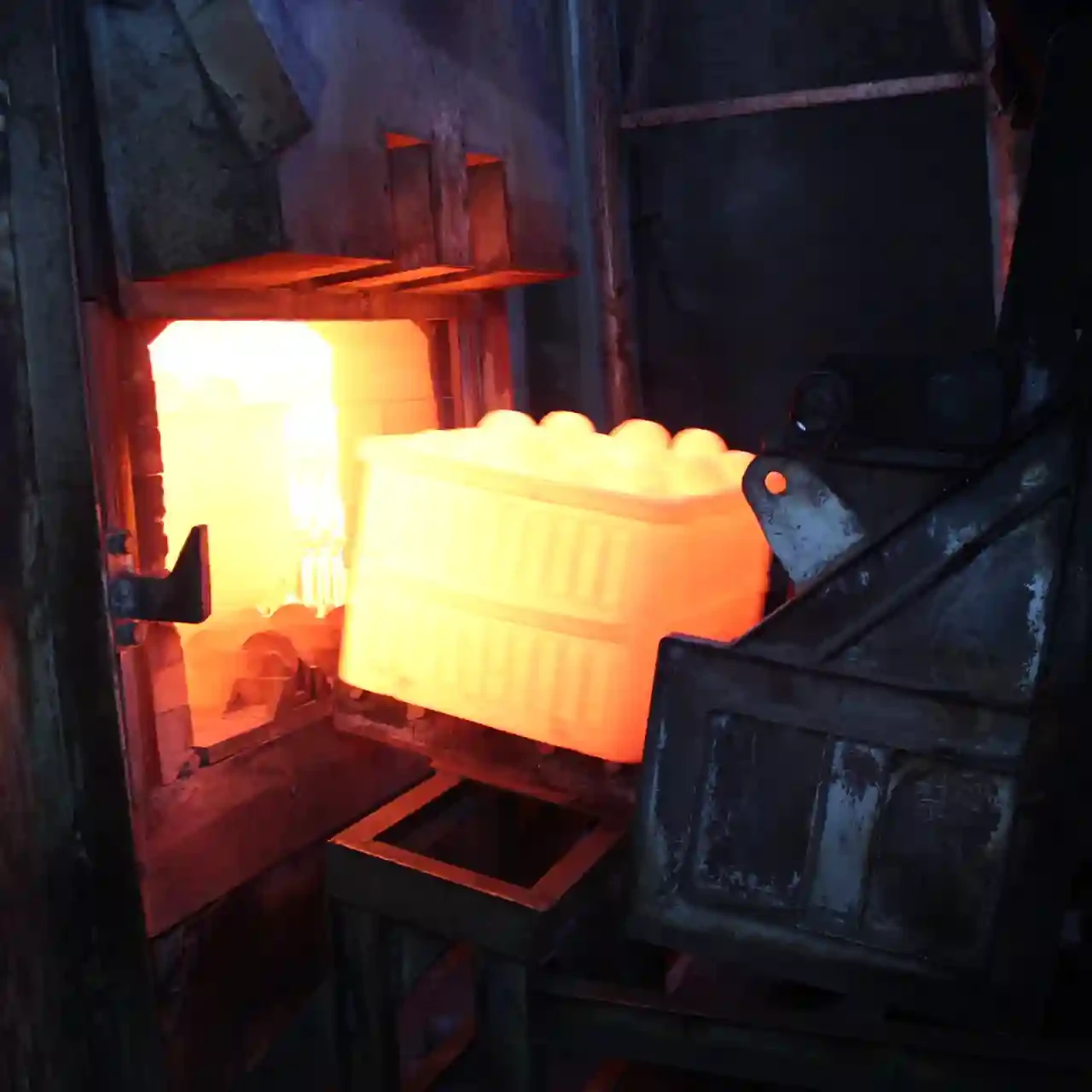
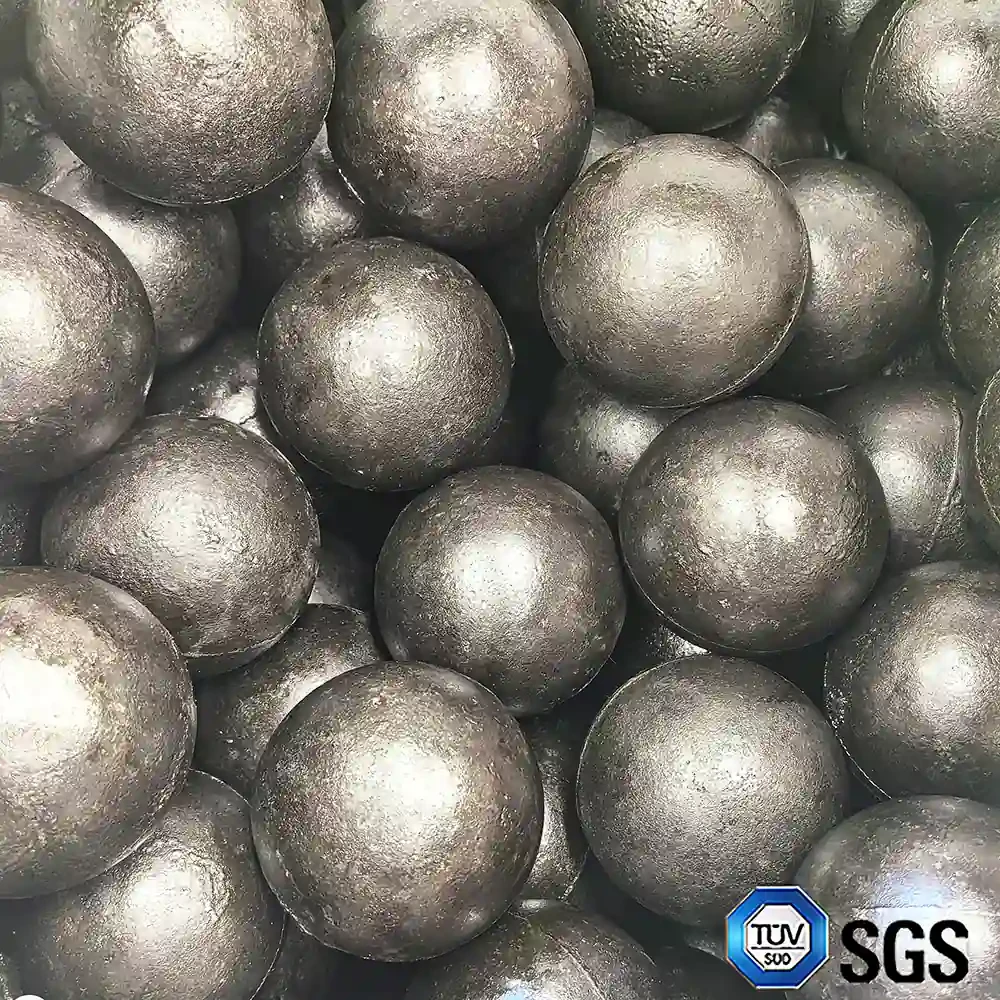
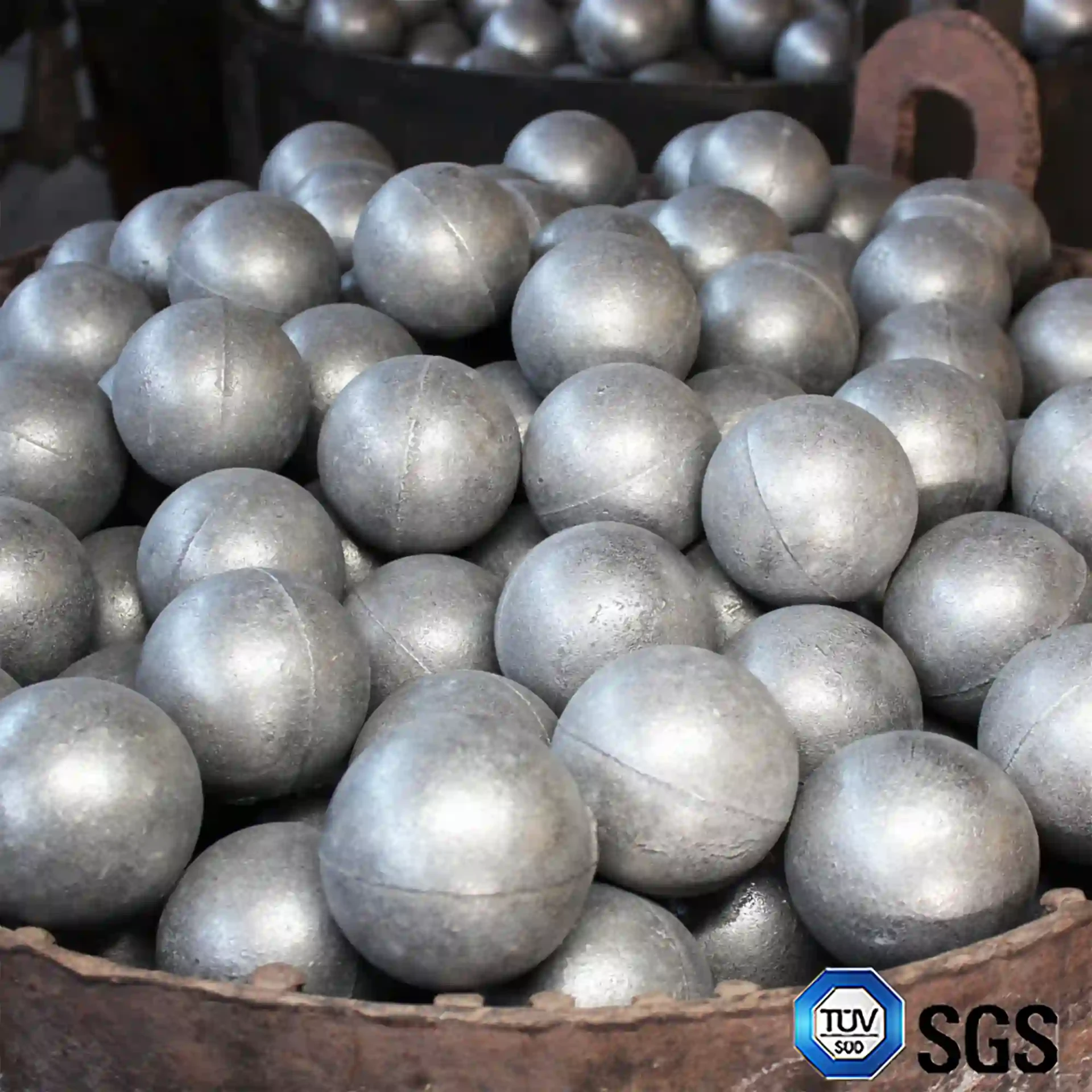
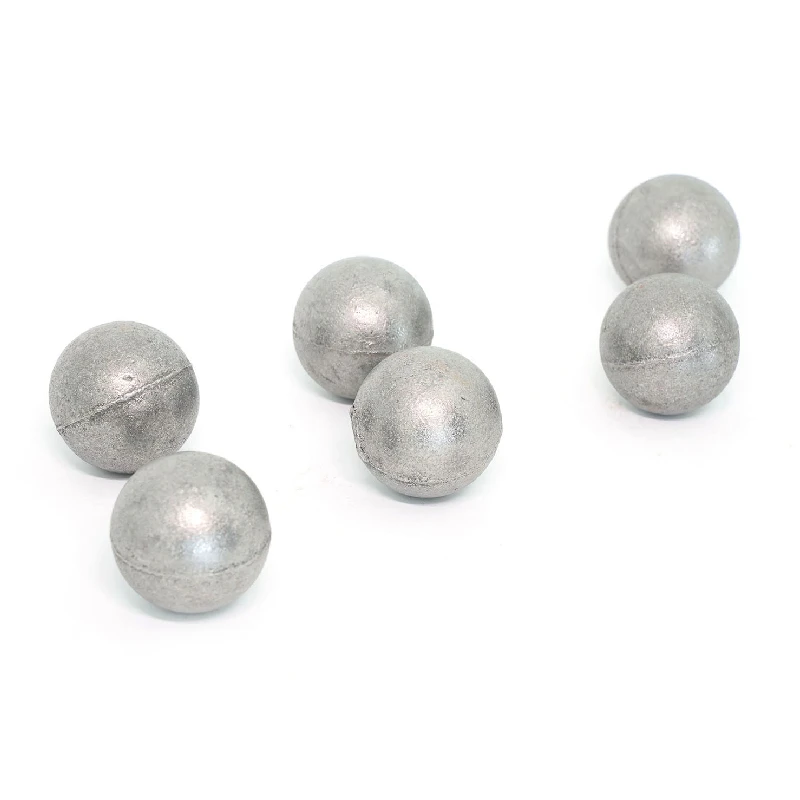
In practical terms, boulets miniers are precisely shaped metal spheres—often made from forged steel, cast iron, or other alloys—that fit into grinding mills. Picture a giant drum rotating while hundreds, even thousands, of these balls tumble inside, crushing rocks and ore through impact and abrasion.
Why are they so crucial? Because they govern the grinding efficiency in mineral processing plants. The size, composition, and hardness of these balls directly affect throughput, reduction ratios, and ultimately the purity of extracted metals.
On a broader scale, robust boulets miniers contribute not just to industrial productivity but also to social and humanitarian needs. For example, reliable mineral extraction means affordable raw materials for infrastructure or medical equipment—a chain reaction that touches daily life worldwide.
Core Components & Key Features of Boulets Miniers
1. Durability and Hardness
Most boulets miniers must withstand constant impact and abrasion without breaking down quickly. This depends on steel grades, heat treatment, and forging practices. The ideal mix is a ball that’s hard enough to grind effectively but not so brittle that it fractures.
2. Size and Weight Distribution
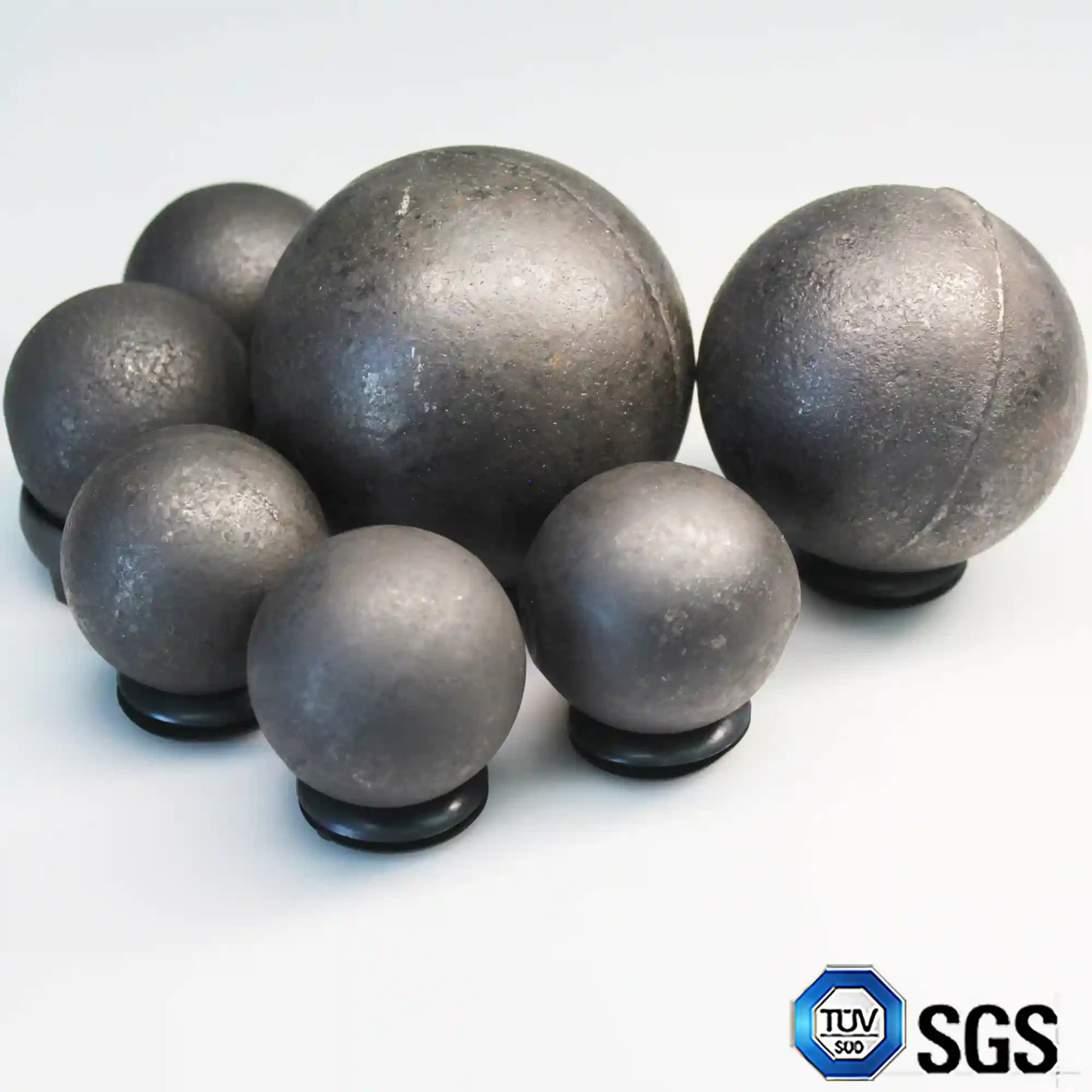
They come in various diameters, usually ranging from 20mm to 150mm. The ball size influences grinding efficiency: smaller balls target fine grinding, larger ones crush bigger rocks. The right mix depends on ore type and mill design.
3. Corrosion Resistance
Given that grinding often happens in wet, sometimes acidic environments, corrosion resistance prolongs boulets miniers' life. Special alloying elements like chromium or manganese improve this property.
4. Cost Efficiency
It’s a balance — expensive, premium materials might last longer but raise upfront costs. Manufacturers and buyers sort this out based on throughput requirements, budget constraints, and environmental considerations.
5. Manufacturing Quality & Consistency
Uniform size and perfect spherical shape ensure smooth rotation in the mill, minimizing energy loss. Quality control in casting, forging, heat treatment all matter.
Product Specification Table for Typical Boulets Miniers
| Specification | Value / Range | Notes |
|---|---|---|
| Material | Forged Steel, Cast Iron, High Chromium | Depends on grinding environment |
| Diameter | 20 mm – 150 mm | Custom sizes available |
| Hardness (HRC) | 58 – 65 | Higher for abrasive ores |
| Surface Finish | Smooth spherical | Reduces wear on mills |
| Weight per Ball | 0.05 kg – 3.2 kg | Uniform for balanced grinding |
Global Applications and Real-Life Use Cases
Boulets miniers are everywhere mining rigs turn rocks into resources. For example:
- South America: Copper mines in Chile heavily rely on optimized boulets miniers to maintain high throughput, as Chile accounts for nearly 30% of the world’s copper production.2
- Australia: Iron ore processing facilities use a unique blend of cast and forged balls to tackle abrasive mining materials.
- Africa: Emerging mines in Ghana and South Africa have upgraded their grinding circuits adapting boulets from more corrosion-resistant alloys, aiding sustainability.
- Remote Industrial Zones: In regions like Mongolia or parts of Russia, tough boulets miniers ensure reliability amid extreme temperatures where equipment maintenance is costly.
In humanitarian contexts, efficient mineral extraction enables quicker infrastructure rebuilding post-disaster, which is barely discussed but quite vital.
Mini takeaway: No matter the region, quality boulets miniers are foundational for mining operations that impact everything from electronics to clean energy tech.
Advantages and Long-Term Value of Boulets Miniers
The benefits are both pragmatic and profound:
- Cost Savings: Longer-lasting grinding media reduce downtime and replacement costs.
- Sustainability: Efficient ore grinding lowers energy consumption and waste.
- Safety: Better quality balls mean fewer unexpected failures in mills that could endanger workers.
- Innovation: Continuous material science advances push boundaries on wear resistance.
On a more human level, these improvements foster trust in supply chains, offer dignity to mining communities through more stable jobs, and—oddly enough—connect to global efforts for cleaner and greener industries.
Future Trends and Innovations in Boulets Miniers
The coming years promise exciting innovations:
- Advanced Alloys: Usage of nano-material composites might boost durability and reduce weight.
- Digital Monitoring: Sensors embedded in balls or mill systems to predict wear and schedule replacements proactively.
- Eco-friendly Manufacturing: Efforts to reduce the carbon footprint and hazardous waste during production.
- Automation in Custom Production: Switch to 3D printing and robotic forging for ultra-precise balls.
Challenges and Practical Solutions
Boulets miniers are challenged by unpredictable wear patterns, supply chain consistency, and balancing upfront costs against life span. Not to mention the pesky fact that a single break can disrupt an entire operation.
Experts suggest tighter quality certification, closer partnerships among manufacturers, and gradual shifts toward predictive maintenance using IoT technologies as ways forward. Plus, sourcing boulets miniers from reputable vendors who guarantee traceability is non-negotiable.
FAQ: Frequently Asked Questions About Boulets Miniers
- Q1: How do boule minier sizes affect grinding efficiency?
- Smaller balls excel at fine grinding, producing finer ore particle sizes, while larger balls crush bigger chunks more effectively. Choosing the right size mix is a trade-off depending on the mill type and desired output.
- Q2: What materials are best for corrosion resistance in boulets miniers?
- High chromium steel and manganese alloys offer enhanced corrosion resistance, especially in wet or acidic grinding conditions, extending the boule’s life significantly.
- Q3: Can boulets miniers be recycled or reused?
- Absolutely. Most venues recycle used grinding balls by remelting or reprocessing. However, careful inspection is needed to avoid using damaged or fractured balls that risk operational hazards.
- Q4: How to select a trusted supplier?
- Look for certifications (ISO 9001, etc.), transparent material composition, consistent quality control, and positive customer references. Suppliers with proven international logistics — like boulets miniers distributors — often offer smoother procurement experiences.
Comparing Leading Boulets Miniers Suppliers
| Supplier | Material Range | Custom Sizes | Certifications | Global Shipping |
|---|---|---|---|---|
| Chengda Steel | Forged Steel, High Chromium | Yes | ISO 9001, ISO 14001 | Worldwide |
| MineralTech Supplies | Cast Iron and Forged | Limited | ISO 9001 | Regional |
| Global Grinding Media | Specialty Alloys | Custom orders | ISO 9001, OHSAS 18001 | Worldwide |
Wrapping It Up: Why Boulets Miniers Will Keep Spinning Forward
To be honest, boulets miniers might seem mundane at first glance — just steel balls doing the heavy lifting underground. But dig a little deeper, and you discover a complex story of engineering, global industry demands, and the quieter pushes toward sustainability and efficiency.
As mining continues to underpin modern life—from the smartphones in our pockets to the infrastructure we take for granted—these steel spheres remain a humble but vital piece of the puzzle.
For anyone interested in sourcing robust, reliable boulets miniers, or seeking expert advice tailored to your operation's needs, don’t hesitate to visit our site. There’s plenty more beneath the surface waiting to be discovered...
References:
1. United Nations International Resource Panel, "Global Metal Flows and Sustainability," 2021.
2. Chile Copper Commission Report, 2023.
3. ISO Standards for Steel Ball Manufacturing, 2022.
-
Industrial Guide to Ferro Manganese Medium Carbon for Steel Production
NewsApr.16,2026
-
Professional Guide and Best Practices for drilling manganese steel
NewsApr.09,2026
-
Comprehensive Guide to DIN 1.3401 Stainless Steel Properties and Applications
NewsApr.07,2026
-
Optimizing Crusher Performance with Durable Manganese Alloys and Steel
NewsApr.04,2026
-
Comprehensive Guide to Chrome Manganese Steel Properties and Industrial Applications
NewsMar.31,2026
-
Understanding the Properties and Applications of Cast Manganese Steel
NewsMar.28,2026