Nov . 29, 2025 13:10 Back to list
Comprehensive Guide to Broyeurs à Boulets Industriels for Industrial Grinding
Understanding Industrial Ball Mills: Why Broyeurs à Boulets Industriels Matter Globally
If you’ve ever wondered how raw materials get ground down into finer particles for everything from cement to pharmaceuticals, then you’re already touching on the magic of broyeurs à boulets industriels — industrial ball mills. On a global scale, these mighty machines play a surprisingly critical role. They hold the key to turning bulky ores, minerals, and aggregates into usable forms that industries rely on daily, while also impacting everything from environmental sustainability to economic development.
Understanding these grinders is more than just being aware of an industrial staple — it's about grasping a cornerstone technology that fuels manufacturing, mining, and even humanitarian construction projects worldwide.
The Global Context: Industrial Ball Mills in Today’s World
Mining, construction, and chemical processing often get headlines for their scale, but the real heroes behind the scenes are equipment like broyeurs à boulets industriels. According to the International Energy Agency (IEA), mining and mineral processing account for roughly 10% of global industrial energy use, and grinding operations constitute up to 40% of that consumption1. That’s a lot of power, which has only increased demand for efficient, heavy-duty mills.
From developing markets in Africa looking to boost mineral exports, to sprawling steel plants in China and heavy chemical factories in Europe, the need to grind fragile ores to precise sizes without wasting energy or materials is a universal challenge. Oddly enough, despite their ubiquity, many industrial setups still struggle with optimizing the lifespan and efficiency of these grinders, causing production bottlenecks and sometimes unexpected cost jumps.
In addressing these concerns, understanding how broyeurs à boulets industriels work — their components and design — is crucial.
What Exactly Are Broyeurs à Boulets Industriels?
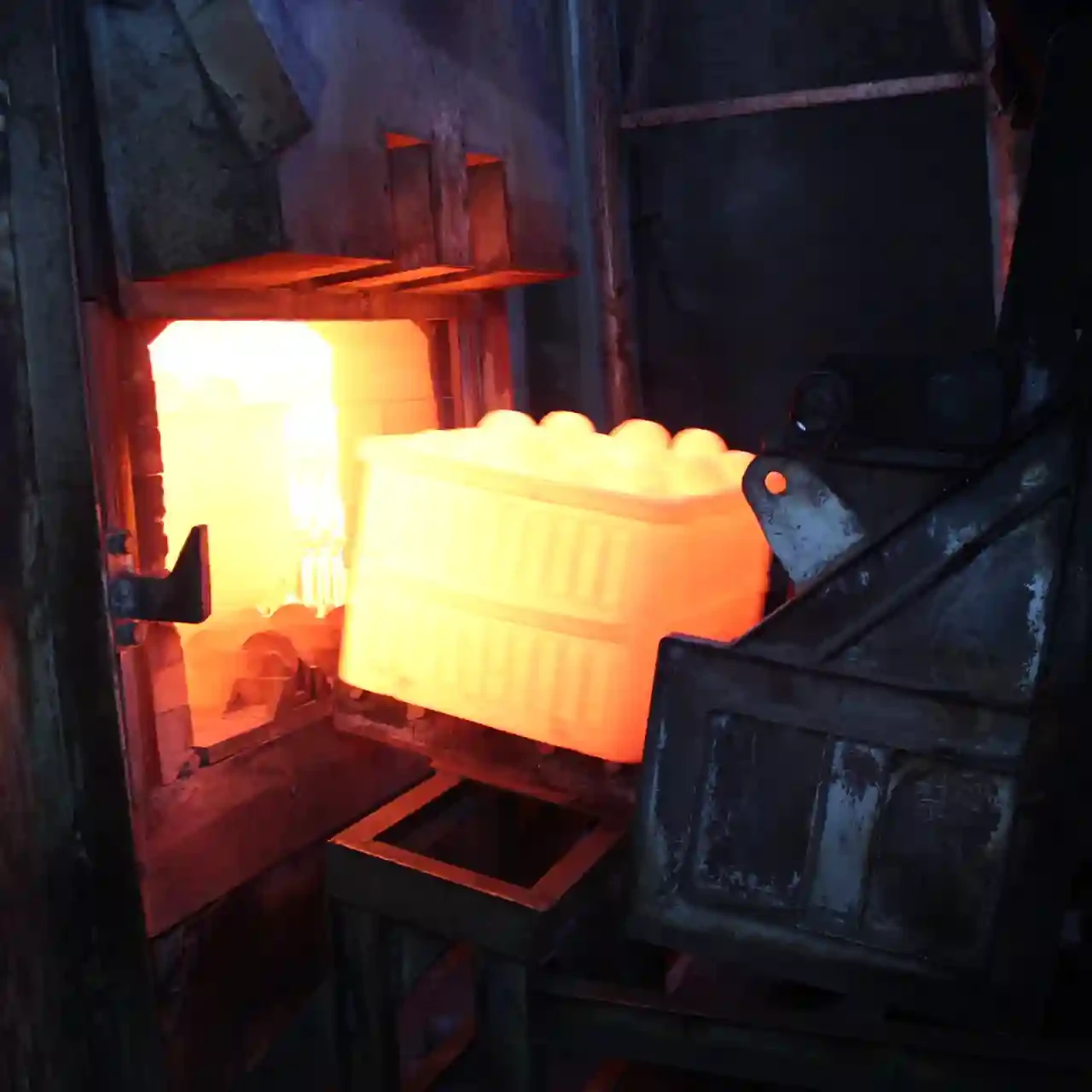
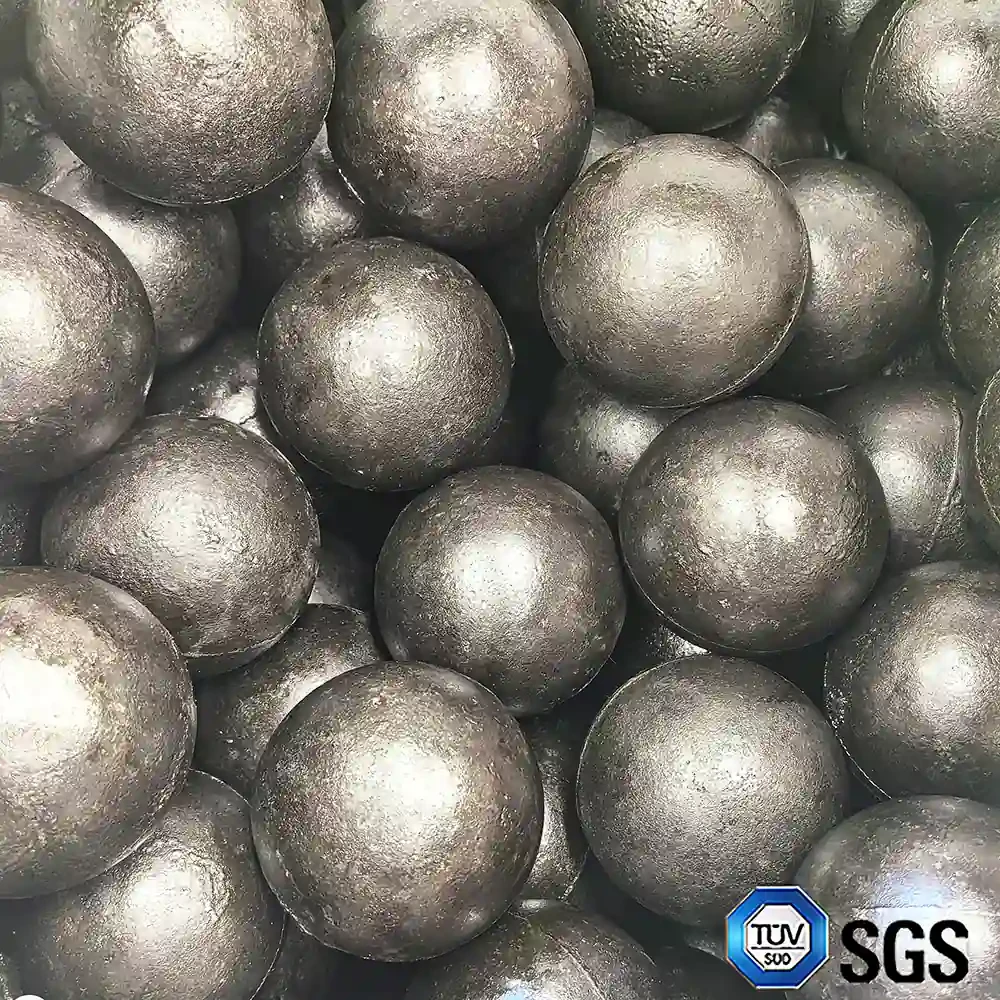
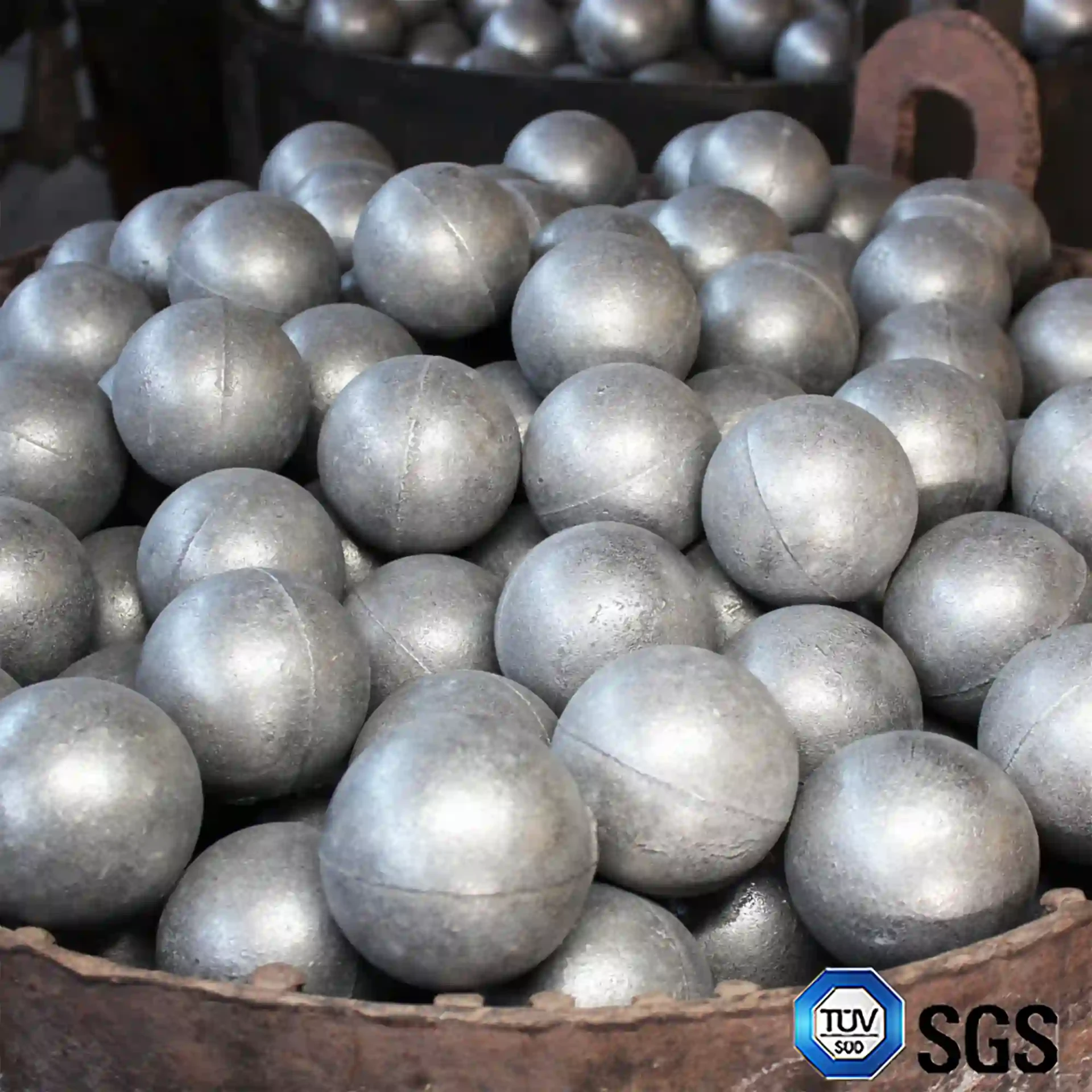
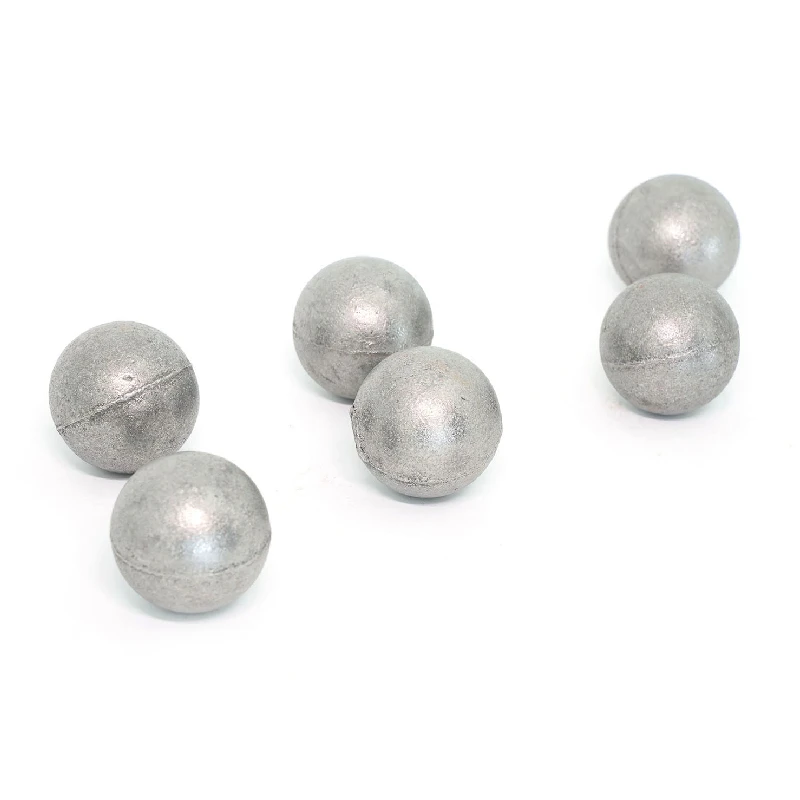
Simply put, a broyeur à boulets industriel is a grinding device that uses spherical grinding media — or "balls" — to crush and grind materials placed inside a rotating drum or cylinder. The impact and attrition between the balls and the material reduce particle sizes, allowing for further processing.
These machines serve essential functions in mining, cement production, petrochemicals, and even building materials manufacturing. The “industrial” part emphasizes their heavy-duty design, capable of handling tons of material continuously, often in harsh or remote environments.
Interestingly, thanks to their efficiency and scalability, these ball mills also aid in humanitarian contexts — say, post-disaster construction sites where rapid preparation of materials is needed for rebuilding shelters and infrastructure.
Key Factors Driving Industrial Ball Mill Performance
Durability: Built to Last
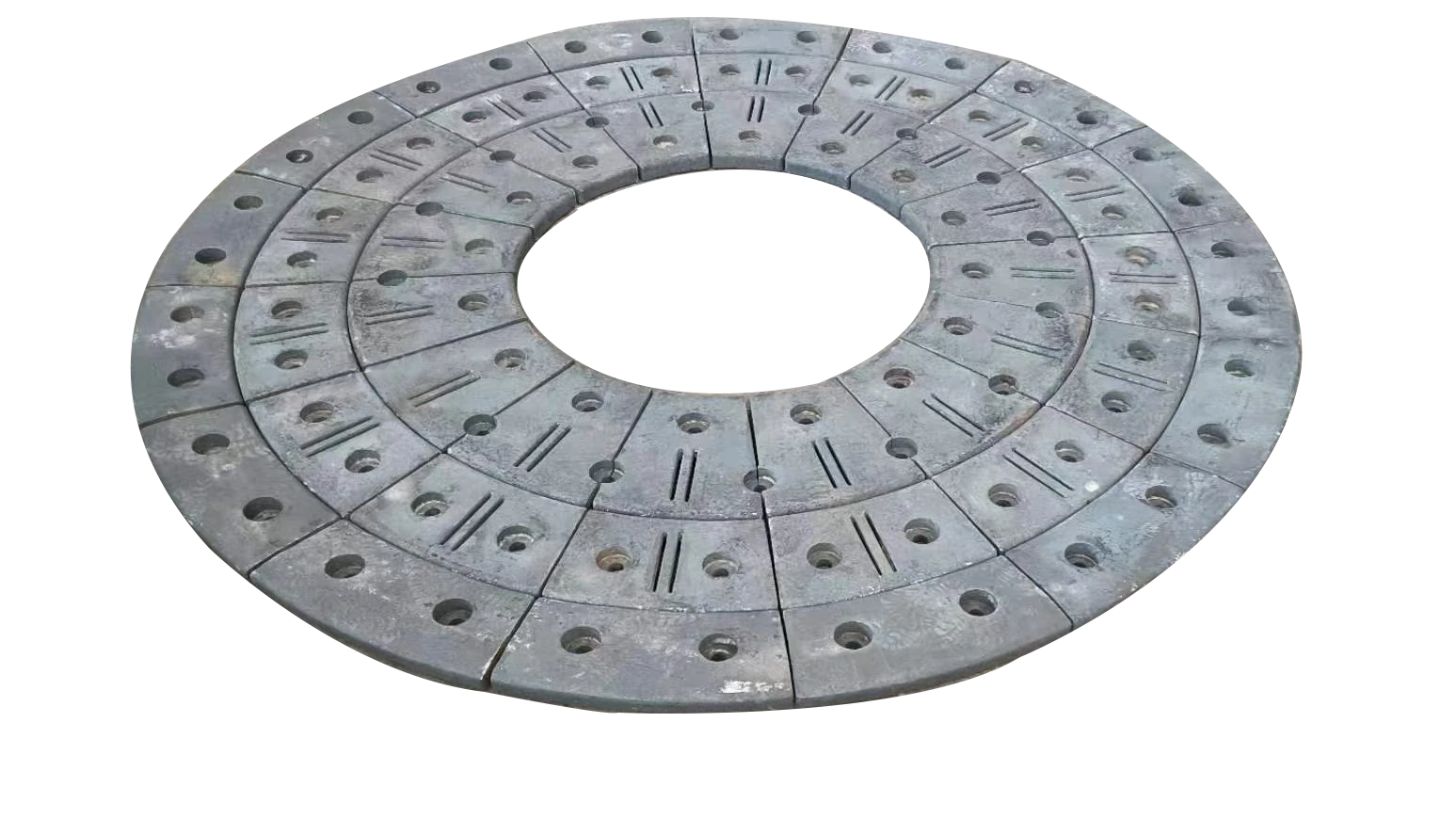
One can't overstate how important robust construction is in these grinders. Expect thick steel shells, wear-resistant liners, and specially formulated grinding balls that extend machine life. Many engineers say a quality mill should keep rolling for a decade or more, even under punishing loads.
Scalability: From Small Batches to Massive Runs
Whether you’re processing a few tons a day or thousands, ball mills come in various sizes. The flexibility to scale operations makes them versatile for mines just hitting production or huge industrial plants with continuous feed.
Energy Efficiency: Cutting the Power Bill
Because grinding can be energy-hungry, improving power usage is a core design goal. Modern mills incorporate optimized motor drives, advanced liners, and smart control systems to shave energy consumption without sacrificing throughput.
Cost Efficiency: Balancing Upfront Price and Long-Term Savings
Of course, buying a mill isn’t just about specs but operational budgets. Investing in mills that require less frequent maintenance or use cheaper consumables can pay dividends. This is why lifetime cost analysis alongside purchase price is often recommended.
Ease of Maintenance: Minimizing Downtime
Grinding equipment has moving parts exposed to abrasive materials. Machines designed with quick-access panels, modular parts, and easy ball loading save hours during repairs, keeping production humming.
Customization Options
From customized drum sizes to specialized liners and automation packages, many manufacturers now offer tailored solutions matching unique material properties and process needs. This trend caters well to diverse industries with niche requirements.
Mini Takeaway:
- Robustness ensures longevity in tough environments.
- Scaling capacity fits projects big and small alike.
- Energy, cost, and maintenance balance key operator concerns.
Applications Worldwide: Where and How Industrial Ball Mills Work Their Magic
Broyeurs à boulets industriels appear in literally thousands of settings:
- Mining: For grinding ores before extraction of metals like gold, copper, and iron.
- Cement Production: Pulverizing clinker and other raw materials to powder.
- Pharmaceuticals: When ultra-fine particle sizes are critical for drug formulations.
- Chemical Industry: Creating homogeneous blends or breakdowns of bulk solids.
- Construction: Preparing ground minerals for specialized concretes.
In some emerging regions, post-disaster sites rely on portable ball mills for producing quick-setting materials on-demand. Remote mines in South America have adopted mobile broyeurs à boulets industriels that can be shipped easily yet handle unexpected throughput spikes during intensive extraction periods.
Oddly enough, you’ll also find experimental uses in renewable energy production, where ball mills help in the creation of nanoscale powders vital for solar panel coatings or battery electrodes.
Product Specification Table: Typical Industrial Ball Mill Features
| Specification | Typical Value | Notes |
|---|---|---|
| Drum Diameter | 1.5 - 4.5 meters | Depends on throughput requirements |
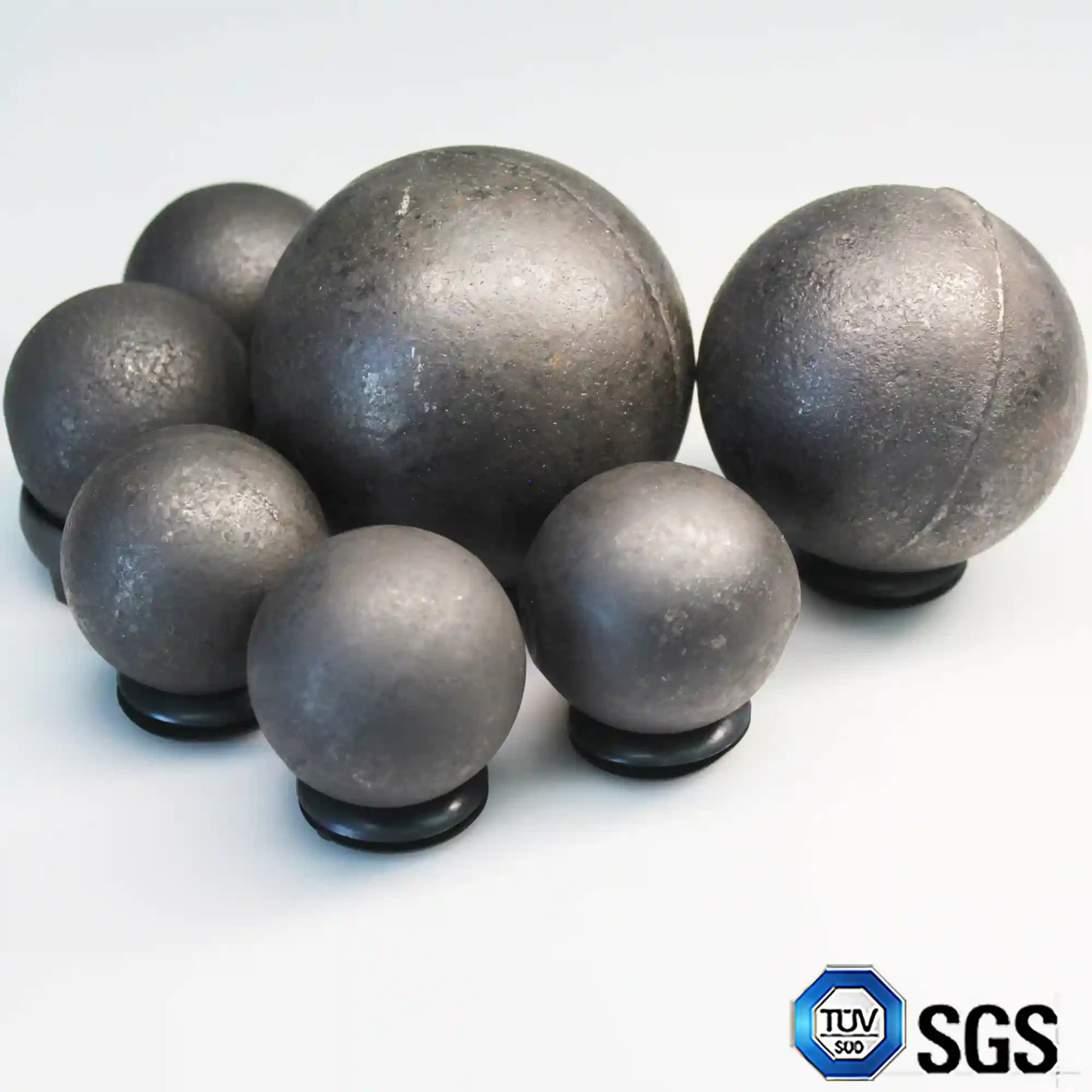
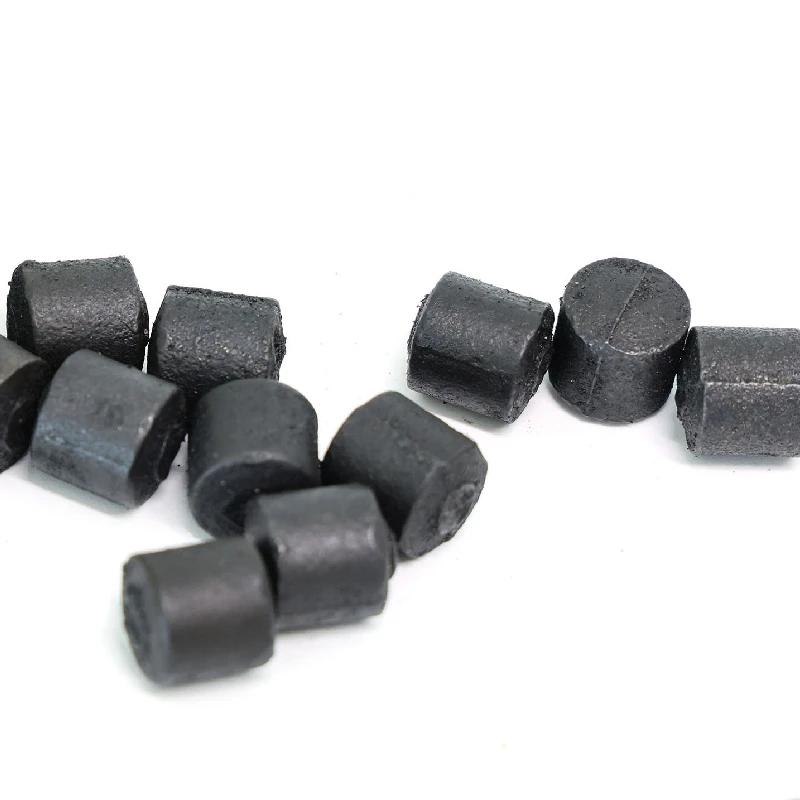
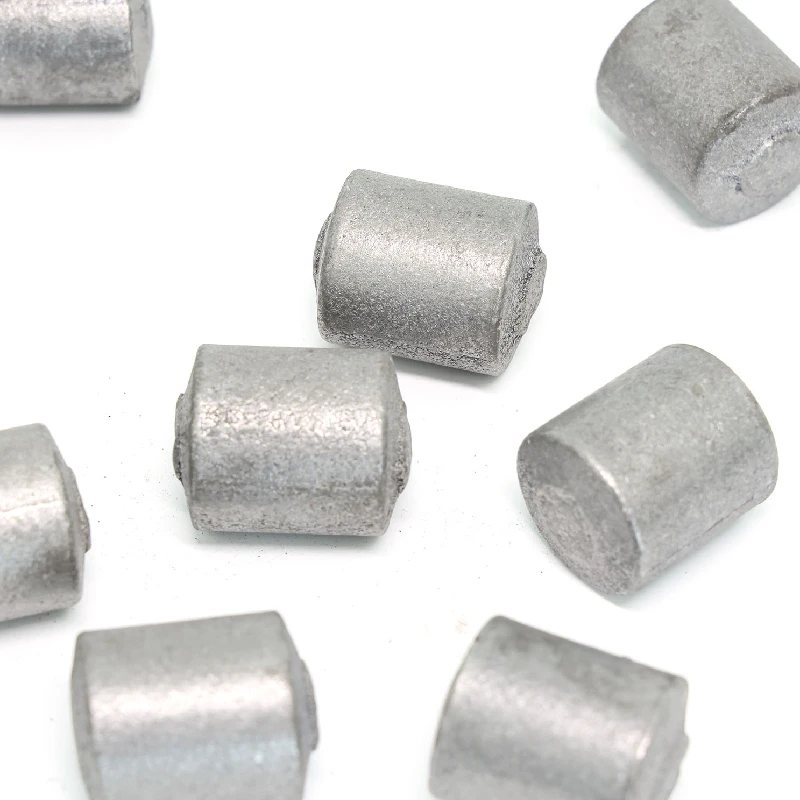
| Grinding Media Size | 20 - 80 mm | Spherical steel or ceramic balls |
| Motor Power | 50 - 1200 kW | Variable frequency drives common |
| Operating Speed | 65 - 75% of critical speed | Optimized for grinding efficiency |
| Weight | 20 - 200+ tons | Material & size dependent |
Advantages & Long-Term Value of Broyeurs à Boulets Industriels
What users consistently mention is how these mills bring predictive reliability and cost control to complex processes. The ability to crush without constant operator intervention reduces labor costs. The enhanced throughput translates directly into faster project completion, cutting financing and storage expenses.
Moreover, long-term durability means fewer parts discarded as waste, correlating to sustainability goals — increasingly important for corporate social responsibility mandates worldwide.
Emotionally, operators often express pride in mastering a tough machine, which feeds into workplace satisfaction. The trust companies place in these strongwear products builds brand loyalty for manufacturers and inspires innovation across the sector.
Current Trends & Future Innovations Shaping Industrial Ball Mills
As with many industrial behemoths, broyeurs à boulets industriels are not static. The buzzwords these days are “digitalization,” “automation,” and “green manufacturing.” Sensors embedded in mills now provide real-time data on vibration, temperature, and wear patterns, allowing predictive maintenance and cutting unexpected downtime.
Material scientists are experimenting with advanced ceramics and composites for grinding balls, aiming to reduce weight and energy needs. There’s also a strong push towards integrating renewable energy sources to power mills in remote locations — imagine solar-powered grinding stations on mine sites.
In a way, these innovations echo larger industry trends: more efficient, smarter, and kinder to the environment.
Challenges and How Experts Are Tackling Them
Of course, no technology is without hurdles. One persistent challenge is minimizing wear and tear on liners, which can halt production and generate significant replacement costs.
New alloys, 3D-printed spare parts, and modular liners are gaining traction. Automation also plays a role, with precision control reducing mechanical shocks during operation. There's work underway in even creating self-healing coatings, but for now, it’s about crunching the balance between cost and downtime.
Vendor Comparison
| Vendor | Range of Sizes | Customization | Energy Efficiency | Typical Lead Time |
|---|---|---|---|---|
| Chengda Industrial | 1.5m - 4.5m diameter | High, modular components | Advanced motor drives | 8-12 weeks |
| XYZ Milling Solutions | 2m - 5m diameter | Medium, standard packages | Standard motors | 10-14 weeks |
| Global GrindTech | 1.2m - 3.8m diameter | Low, off-the-shelf only | Basic motor systems | 6-8 weeks |
FAQ: Common Questions About Broyeurs à Boulets Industriels
Q1: How do I choose the right size industrial ball mill for my mining operation?
A: Choosing the right size depends primarily on your material feed rate and desired output granularity. Consider your production targets, space constraints, and power availability. Consulting manufacturer specs with a professional to match these variables is essential.
Q2: What maintenance is necessary to keep a ball mill running optimally?
A: Regular checks on wear liners, ball media condition, bearing lubrication, and vibration levels help avoid downtime. Many recommend a complete inspection every 6 months with routine cleanings monthly or as workload dictates.
Q3: Are industrial ball mills energy efficient?
A: While grinding is inherently energy-intensive, modern mills with optimized motors and control systems have made significant strides, reducing consumption by up to 20% compared to older models.
Q4: Can these mills handle wet materials?
A: Absolutely. Many ball mills can operate in wet or dry modes depending on design and liners. However, wet milling can affect liner wear rates and system corrosion, so materials must be selected accordingly.
Wrapping Up: Why Investing in Broyeurs à Boulets Industriels Makes Sense
In real terms, grabbing a solid broyeur à boulets industriel is more than just buying a grinding machine — it’s setting yourself up for dependable, scalable processing that’s core to modern industry and beyond. From boosting efficiency to supporting sustainability goals, the long-term value is obvious.
Ready to explore options? Visit our website: broyeurs à boulets industriels for detailed product info and expert advice tailored to your needs.
References
-
Industrial Guide to Ferro Manganese Medium Carbon for Steel Production
NewsApr.16,2026
-
Professional Guide and Best Practices for drilling manganese steel
NewsApr.09,2026
-
Comprehensive Guide to DIN 1.3401 Stainless Steel Properties and Applications
NewsApr.07,2026
-
Optimizing Crusher Performance with Durable Manganese Alloys and Steel
NewsApr.04,2026
-
Comprehensive Guide to Chrome Manganese Steel Properties and Industrial Applications
NewsMar.31,2026
-
Understanding the Properties and Applications of Cast Manganese Steel
NewsMar.28,2026