Jan . 30, 2026 14:45 Back to list
Comprehensive Guide to 볼 밀 라이너 플레이트 for Optimal Ball Mill Performance
볼 밀 라이너 플레이트: A Comprehensive Guide
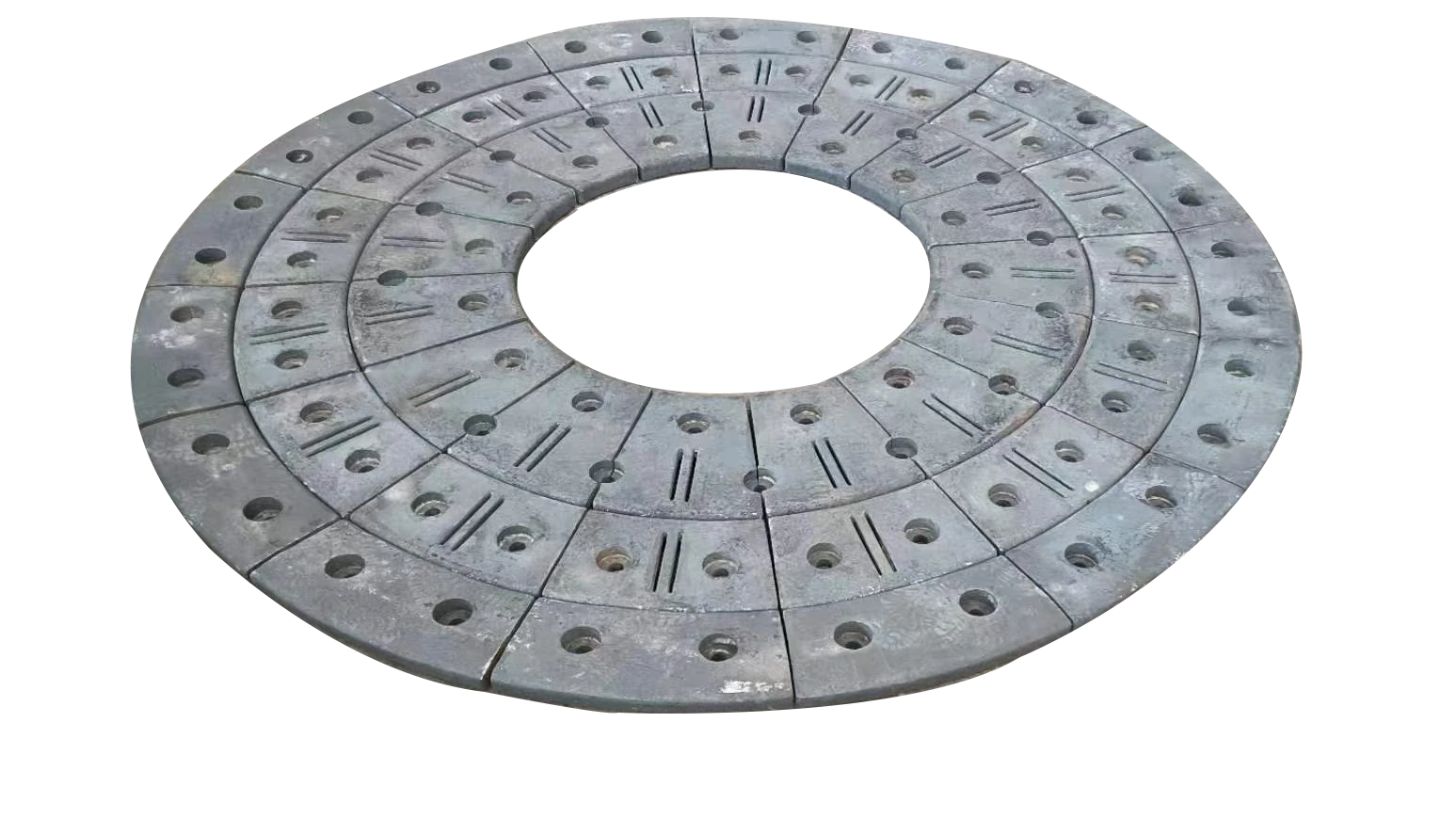
Ball mill liner plates are essential components in the operation of ball mills, used across various industries like mining, cement production, and chemical processing. These plates protect the mill shell from wear and tear caused by the cascading action of the grinding media. Choosing the right liner plates is crucial for optimizing grinding efficiency, reducing maintenance costs, and extending the lifespan of your ball mill. Chengda specializes in the manufacturing and supply of high-quality ball mill liner plates, tailored to meet diverse industrial needs. Selecting the appropriate liner material and design is key to maximizing performance.
Understanding 볼 밀 라이너 플레이트 and Their Function
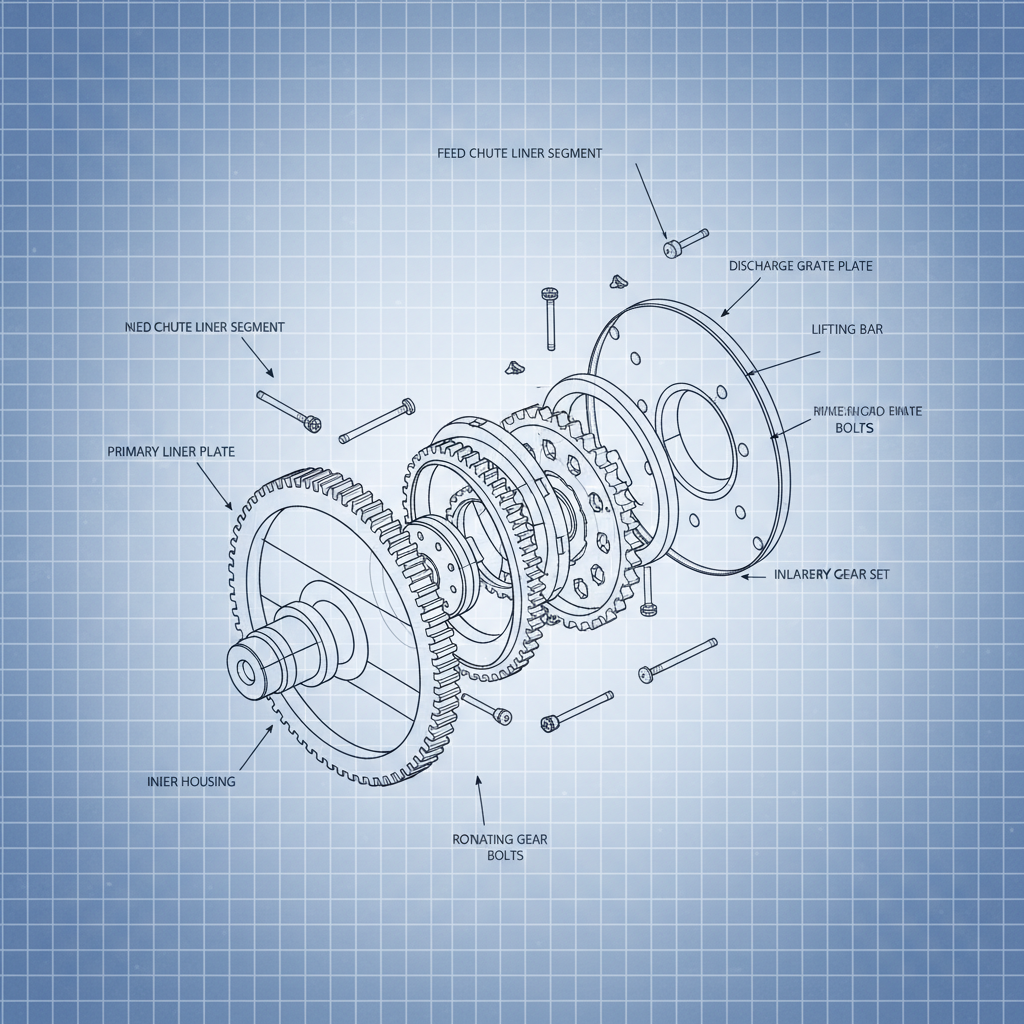
볼 밀 라이너 플레이트 are strategically installed inside the mill cylinder to protect the shell from direct impact and abrasion. They are typically made from high-strength materials like alloy steel, manganese steel, or ceramic composites, chosen for their resistance to wear, impact, and corrosion. The liner plates also contribute to the grinding process by influencing the motion of the grinding media (balls or rods). Proper liner design and material selection can significantly enhance grinding efficiency and reduce noise levels. Chengda's liner plates are designed to optimize these functions, leading to substantial cost savings for our clients.
Key Benefits: Protects mill shell from wear, enhances grinding efficiency, reduces noise, and extends mill lifespan.
Material Selection for 볼 밀 라이너 플레이트
The choice of material for 볼 밀 라이너 플레이트 depends on the specific application and the materials being ground. Common materials include:
- Manganese Steel (Hadfield Steel): Offers excellent impact resistance and work-hardening properties, making it ideal for grinding abrasive materials.
- Alloy Steel: Provides a balance of strength, toughness, and wear resistance, suitable for a wide range of applications.
- Ceramic Composites: Offer exceptional wear resistance and corrosion resistance, ideal for highly abrasive or corrosive environments.
Chengda offers liner plates in all these materials, allowing us to tailor solutions to your specific grinding requirements.
Material Comparison:
• Manganese Steel: High impact resistance, work hardening, good for abrasive materials.
• Alloy Steel: Balanced strength, toughness, and wear resistance.
• Ceramic Composites: Exceptional wear and corrosion resistance.
볼 밀 라이너 플레이트 Designs and Configurations
Liner plates come in various designs, each offering different benefits. Common configurations include:
- Flat Liner Plates: Simple and cost-effective, suitable for less abrasive materials.
- Wave Liner Plates: Promote better media mixing and lifting, enhancing grinding efficiency.
- Ripple Liner Plates: Similar to wave liners, but with a more pronounced ripple pattern for increased mixing.
- Domed Liner Plates: Offer improved impact resistance and are ideal for high-energy grinding applications.
Chengda provides a complete range of liner plate designs to optimize your ball mill’s performance.
Factors Influencing 볼 밀 라이너 플레이트 Lifespan
Several factors affect the lifespan of your liner plates:
- Material Hardness: Harder materials offer better wear resistance but can be more brittle.
- Grinding Media Size and Type: Larger or more abrasive media will cause faster wear.
- Mill Speed: Higher speeds increase impact forces, accelerating wear.
- Feed Material Properties: Abrasive and corrosive materials shorten liner life.
Regular inspection and timely replacement of worn liner plates are crucial for maintaining optimal grinding performance. Chengda provides expert advice on liner selection and maintenance to maximize your investment.
Why Choose Chengda for Your 볼 밀 라이너 플레이트 Needs?
Chengda is a leading manufacturer of high-quality ball mill liner plates, offering:
- Customized Solutions: We tailor liner plate designs and materials to your specific application.
- Competitive Pricing: We offer cost-effective solutions without compromising quality.
- Fast Delivery: We have a robust supply chain to ensure timely delivery.
- Expert Support: Our team provides technical assistance and guidance.
Conclusion: Optimize Your Grinding Process with Chengda
Investing in high-quality 볼 밀 라이너 플레이트 from Chengda is a crucial step towards optimizing your grinding process, reducing maintenance costs, and maximizing your return on investment. Contact us today to discuss your specific requirements.
Frequently Asked Questions (FAQs)
What is the typical lifespan of 볼 밀 라이너 플레이트?
The lifespan of 볼 밀 라이너 플레이트 varies significantly depending on factors such as the abrasiveness of the material being ground, the size and type of grinding media, mill speed, and the liner plate material. Generally, liner plates can last from several months to a few years. Regular inspections are crucial to identify wear and tear and schedule replacements proactively, preventing damage to the mill shell and maintaining grinding efficiency.
How do I choose the right liner plate material for my application?
Selecting the appropriate liner plate material depends on the characteristics of the material being ground. For highly abrasive materials, manganese steel or ceramic composites are recommended. For less abrasive materials, alloy steel may be sufficient. Consider factors like corrosion resistance, impact resistance, and cost when making your decision. Consulting with a liner plate specialist, like Chengda, can help you determine the optimal material for your specific needs.
What are the signs that 볼 밀 라이너 플레이트 need to be replaced?
Several signs indicate the need for liner plate replacement. These include visible cracks, significant wear and thinning of the plate material, excessive noise during grinding, and a decrease in grinding efficiency. Regular inspections of the liner plates can help identify these signs early on, preventing more significant problems and downtime.
-
Industrial Guide to Ferro Manganese Medium Carbon for Steel Production
NewsApr.16,2026
-
Professional Guide and Best Practices for drilling manganese steel
NewsApr.09,2026
-
Comprehensive Guide to DIN 1.3401 Stainless Steel Properties and Applications
NewsApr.07,2026
-
Optimizing Crusher Performance with Durable Manganese Alloys and Steel
NewsApr.04,2026
-
Comprehensive Guide to Chrome Manganese Steel Properties and Industrial Applications
NewsMar.31,2026
-
Understanding the Properties and Applications of Cast Manganese Steel
NewsMar.28,2026