Dec . 02, 2025 09:05 Back to list
Comprehensive Guide to 단조 연삭 볼 | Forged Grinding Balls for Industrial Efficiency
Understanding 단조 연삭 볼: The Forged Grinding Ball Revolutionizing Industry
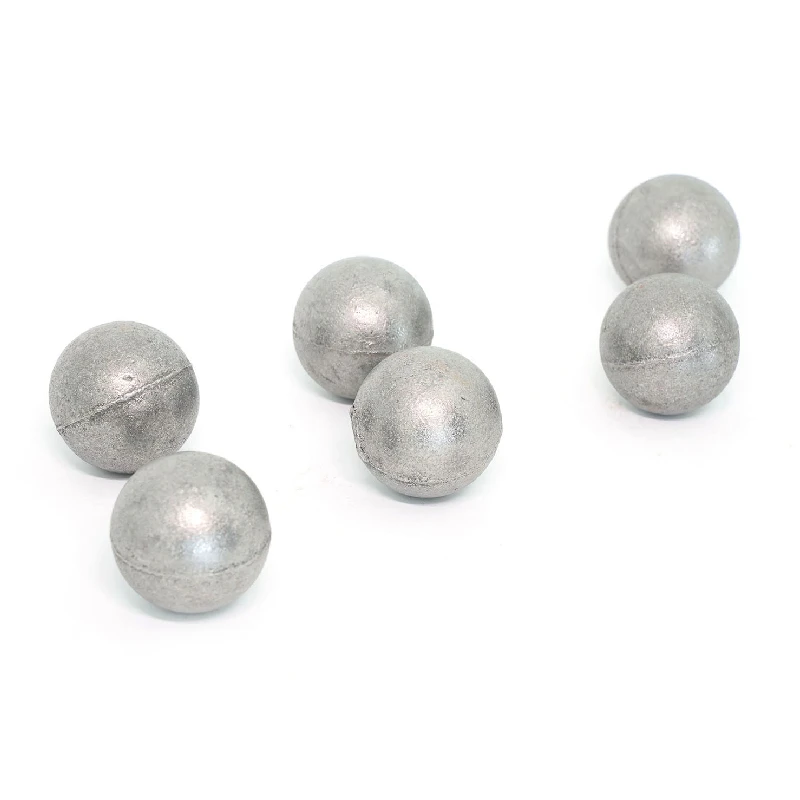
If you've ever wondered how raw ores become the metals and minerals essential to our modern world, understanding 단조 연삭 볼 (forged grinding balls) is a significant first step. These tough little spheres might not get the same spotlight as the machines they serve, but their role in industries like mining, cement manufacturing, and power production is enormous. On a global scale, efficient grinding media like 단조 연삭 볼 fuel productivity, reduce waste, and ultimately help industries run cleaner and more cost-effectively — a crucial advantage considering the environmental demands we face today.
So, why focus on these forged grinding balls? They’re a behind-the-scenes hero, translating into tangible benefits like improved milling operations and longer equipment life, and they hold promise for greener industrial processes. Let’s dive into what makes them tick, and why engineers, plant operators, and decision-makers worldwide keep a close eye on developments in this space.
Introduction: The Global Stage for 단조 연삭 볼
Globally, mining and mineral processing are massive economic drivers. For instance, the United Nations statistics point out that mining contributes over 10% to the GDP of many resource-rich countries, and efficient grinding techniques improve yield by up to 15%. Industrial grinding media, such as 단조 연삭 볼, play a pivotal role here, reducing grinding time and energy consumption.
Yet, the challenge remains: traditional grinding balls tend to wear out fast, leading to frequent shutdowns and costly replacements. With increasing regulations on carbon emissions and waste, operators need durable, sustainable solutions — making the hard-wearing 단조 연삭 볼 especially valuable.
What Exactly Are 단조 연삭 볼?
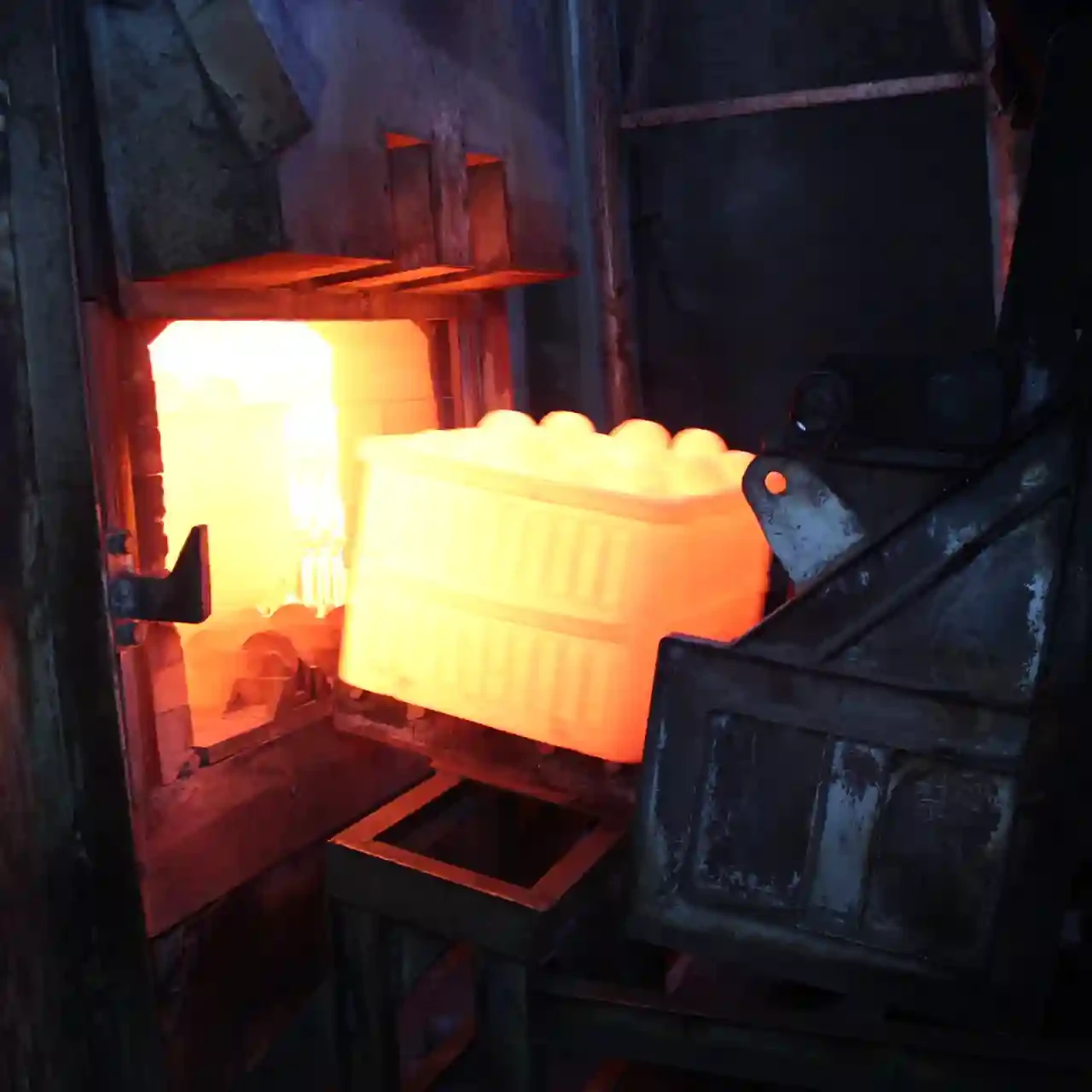
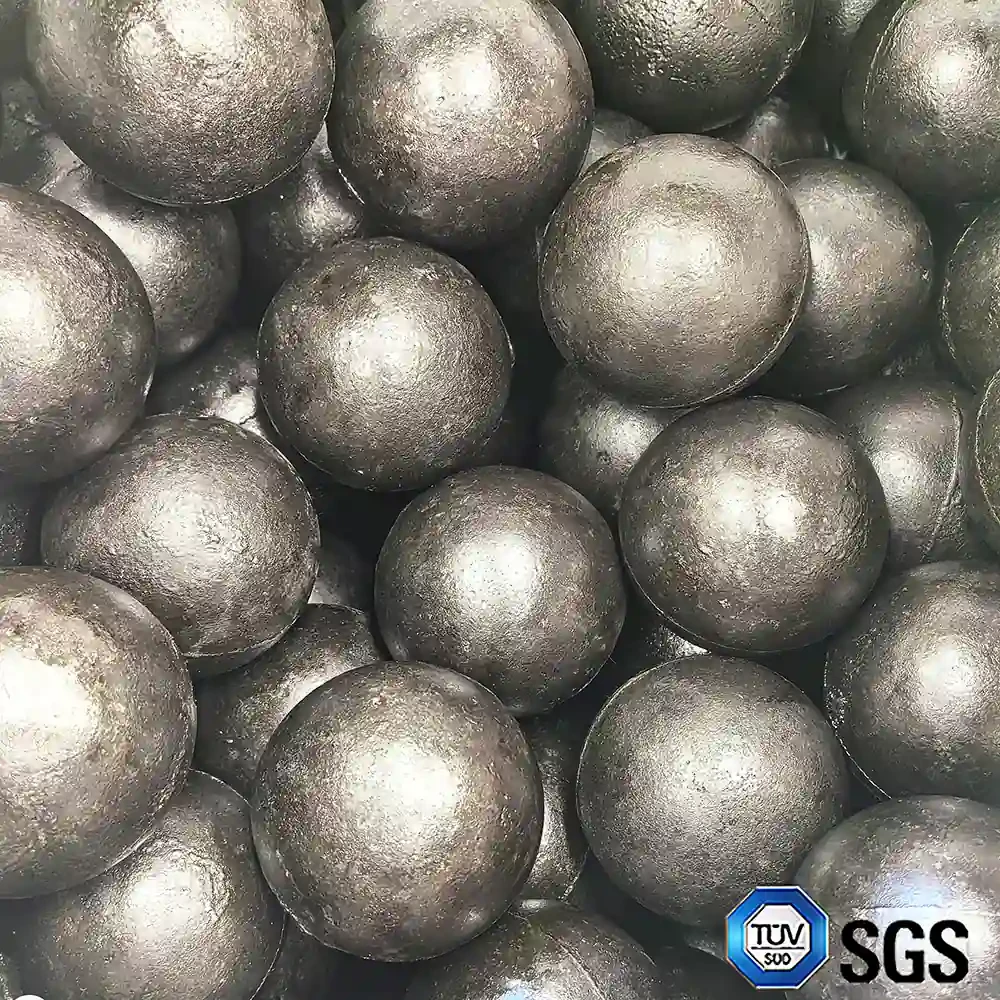
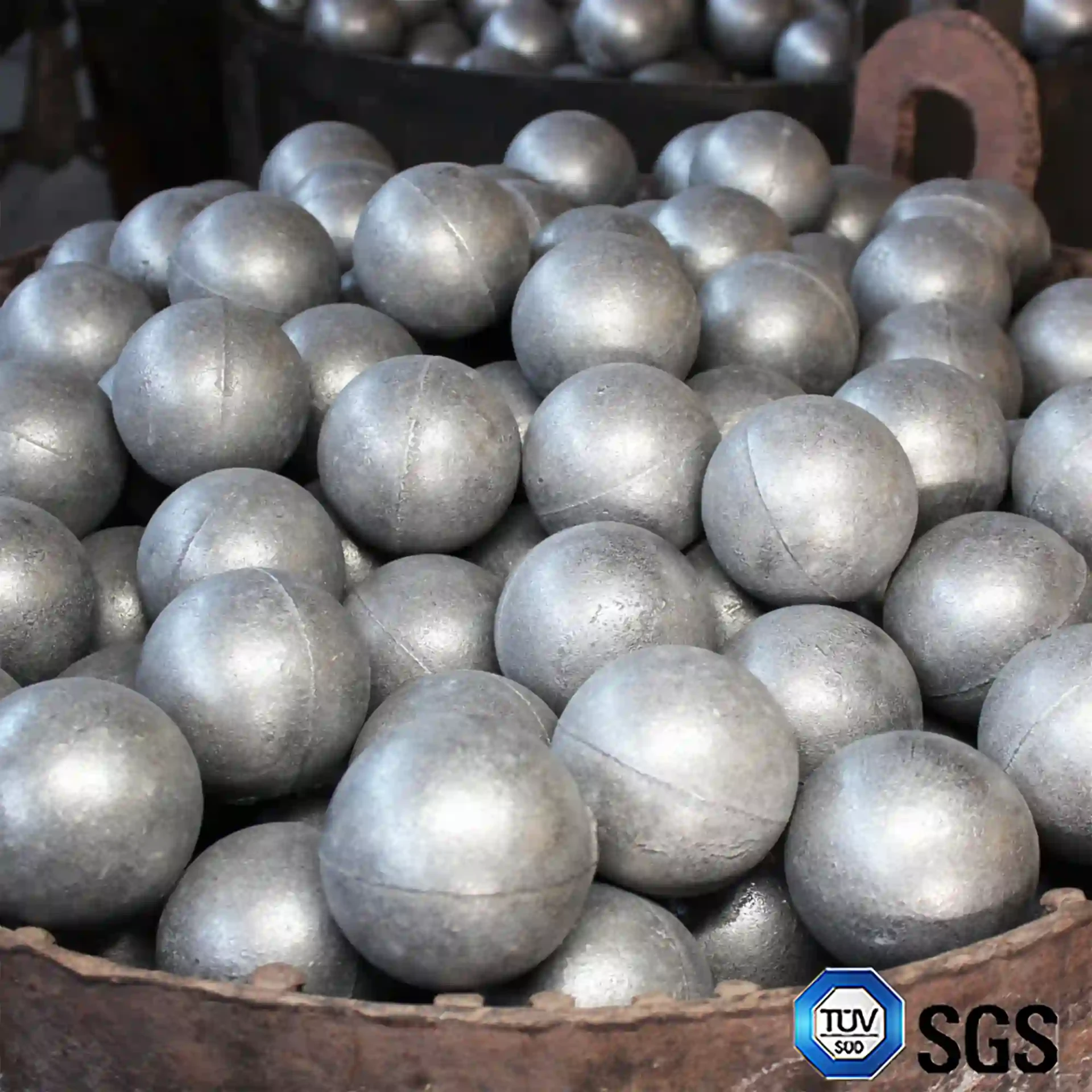
The name 단조 연삭 볼 translates as “forged grinding balls.” They’re typically made by heating steel billets and forging them into spheres, then heat-treating to achieve hardness and toughness. Simply put, these are steel balls designed for grinding mills to crush ores and other materials finely and efficiently.
These forged balls are different from cast balls, offering superior density and reduced porosity. This means fewer breakages and a longer lifespan — a must in heavy industries needing continuous, high-quality grinding.
Key Characteristics of 단조 연삭 볼
Durability and Hardness
Thanks to their forged production process, these grinding balls boast tensile strengths often exceeding 1400 MPa and hardness values above 60 HRC. This tough makeup resists deformation and selective wear, which translates to fewer replacements and less downtime.
Corrosion Resistance
Because mills often work in moist or chemically aggressive environments, the steel alloy and heat treatment must enhance corrosion resistance. Many 단조 연삭 볼 use chromium or manganese alloying to boost corrosion resistance.
Uniform Size and Weight
Consistency helps mills operate smoothly. Forged balls maintain close tolerances — usually within ±0.15 mm diameter variance and ±5 grams weight variance — ensuring predictable milling efficiency.
Energy Efficiency
The smooth surface and high density of 단조 연삭 볼 reduce energy consumption in grinding operations. The less energy wasted, the smaller the carbon footprint.
Cost-Effectiveness over Lifecycle
While typically pricier upfront than cast balls, their extended life cycle and less frequent replacements produce significant savings in total cost of ownership.
Inline Product Specifications Table: Typical 단조 연삭 볼
| Specification | Value / Range | Notes |
|---|---|---|
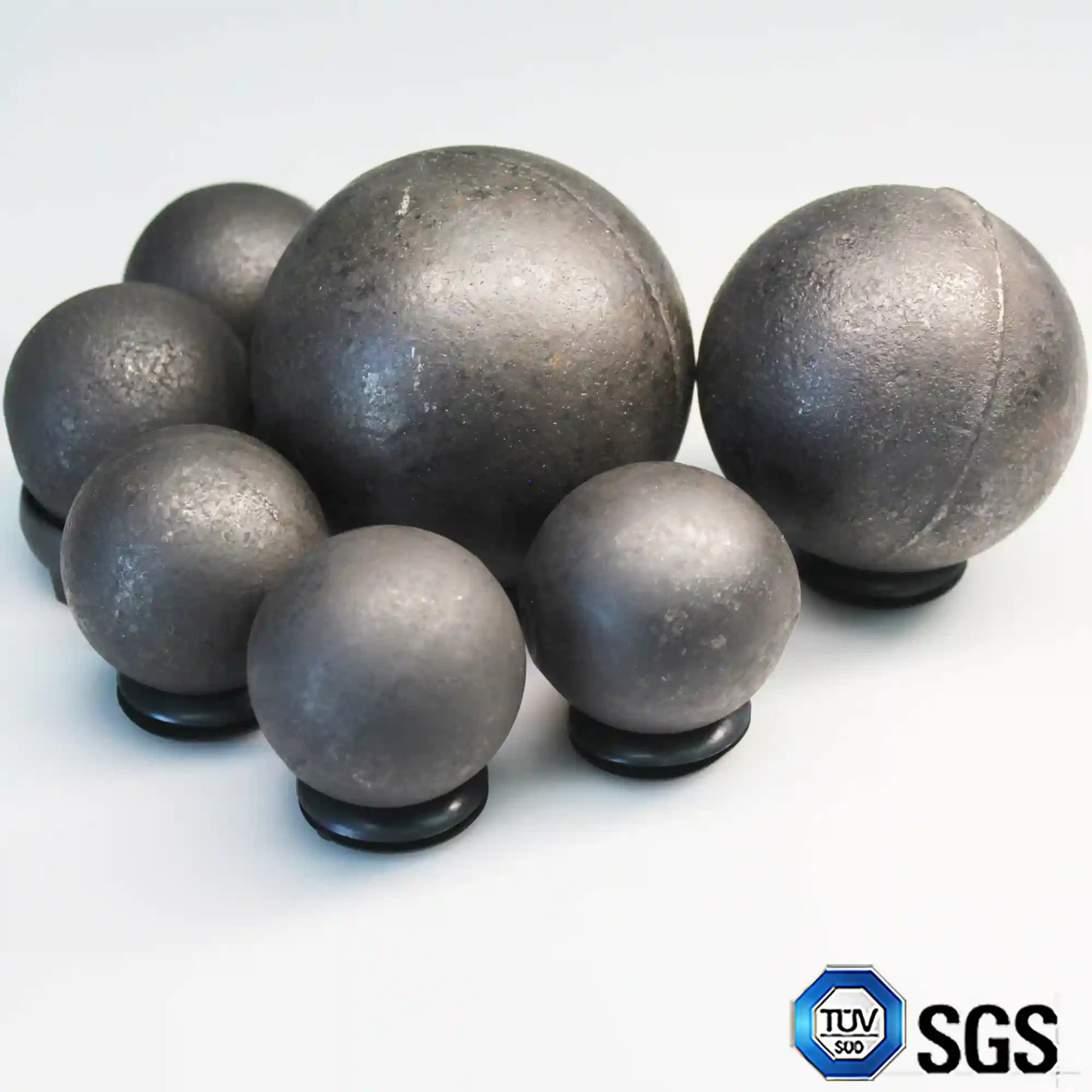
| Diameter | 20 mm – 120 mm | Custom sizes available |
| Tensile Strength | 1300 – 1600 MPa | Depends on alloying elements |
| Hardness | 55 – 65 HRC | After heat treatment |
| Material | Alloy steel (Cr, Mn) | Corrosion-resistant variants available |
| Weight Tolerance | ±5 grams | Supports uniform grinding |
Global Applications & Use Cases
Industries around the world leverage 단조 연삭 볼 for various critical processes:
- Mining sectors in Australia and Canada: Efficient grinding balls increase ore throughput, reducing energy consumption per ton mined, a big win ethically and economically.
- Cement plants in China and India: Grinding is a bottleneck in production; durable balls help keep the lines moving with less wear on mill liners.
- Power generation facilities globally: Coal pulverization uses grinding media to prepare fuel efficiently, directly impacting plant emissions.
In remote industrial zones, where supply chains are tricky, the long lifecycle of 단조 연삭 볼 translates to fewer shipments and less downtime — a literal grassroots sustainability benefit.
Vendor Comparison: Leading 단조 연삭 볼 Suppliers
| Supplier | Material Quality | Size Range (mm) | Customization Options | Delivery Lead Time |
|---|---|---|---|---|
| CD ChengDa | High chromium alloy | 20 – 120 | Custom materials & coatings available | 2–4 weeks |
| XYZ Forgings | Standard alloy steel | 25 – 110 | Limited | 3–5 weeks |
| Global Mills Inc. | Manganese alloy | 30 – 100 | Coatings available | 4–6 weeks |
Advantages & Long-Term Value of 단조 연삭 볼
When you consider the day-to-day grind (pun intended), using forged grinding balls brings multiple benefits:
- Financial savings: Less wear, fewer replacements, and reduced maintenance costs add up significantly.
- Sustainability: Lower energy use and longer lifespans reduce environmental impact — critical given global calls for greener production.
- Reliability and safety: Consistent performance minimizes unexpected mill downtime, improving worker safety by preventing rushed repair work.
- Innovation potential: Forged balls can be customized in alloy, surface finish, and size, adapting to evolving mill design and ore characteristics.
In real terms, it feels like investing in quality grinding media is a small upfront cost that pays dividends across the board. Many plant managers I've talked to emphasize the “peace of mind” factor alone.
Emerging Trends & Innovations
Looking to the future, we see some exciting shifts shaping the next generation of 단조 연삭 볼:
- Green manufacturing: Using recycled scrap steel and cleaner forging processes to minimize carbon footprints.
- Smart materials: Integration of sensors in grinding balls to monitor wear and optimize mill operation digitally.
- Advanced coatings: Nanotech coatings that drastically improve corrosion resistance and reduce friction.
- Automation: Robotic forging and quality testing for tighter tolerances and faster delivery times.
The integration of Industry 4.0 principles is still emerging but promises a future where grinding media aren’t just passive tools but intelligent parts of the production chain.
Challenges & Expert Insights
Of course, no solution is perfect. Forged grinding balls, despite their strengths, face challenges like higher initial costs relative to cast balls and specialized forging equipment requirements. Supply chain disruptions can also limit availability, especially for custom alloys.
Industry experts recommend partnering with suppliers like 단조 연삭 볼 providers who emphasize consistent quality control and quick tooling changes to adapt to customer needs. Moreover, predictive maintenance combined with ball wear analytics helps mitigate downtime, providing a holistic operational approach.
FAQ: Frequently Asked Questions About 단조 연삭 볼
- What makes 단조 연삭 볼 superior to cast grinding balls?
- Forged grinding balls have higher density, fewer internal flaws, and better hardness, which means they last longer and maintain performance better than cast balls. This reduces mill downtime and operating costs.
- How does the size of the grinding ball affect milling efficiency?
- Smaller balls are better for fine grinding, while larger balls are suited for coarse grinding. The right size and size distribution ensure optimal grinding efficiency and material throughput.
- Are 단조 연삭 볼 eco-friendly?
- While steel forging involves energy use, the durability and efficiency gains mean fewer replacements and lower energy use overall. New manufacturing methods and recycled materials are improving their environmental footprint.
- How can industries customize 단조 연삭 볼 for specific applications?
- Custom alloying, heat treatment, and coatings allow tuning hardness, toughness, and corrosion resistance based on the ore type and mill conditions.
- What delivery times can customers expect?
- Typically, 2 to 6 weeks depending on size, quantity, and customization. Engaging early with suppliers helps manage lead times efficiently.
Conclusion & Call to Action
In the big picture, 단조 연삭 볼 represent more than just steel balls — they’re a critical factor in industrial efficiency, sustainability, and innovation. Their robust performance and adaptability make them indispensable across sectors that underpin modern economies.
To explore highly reliable and tailored 단조 연삭 볼 products with expert support, visit https://www.cdchengda.com. It’s worth seeing the difference a quality forged grinding ball can make in your operations.
Hopefully, this has shed light on why so many professionals — and frankly the planet — benefit from thoughtful approach and investment in grinding media technology.
Mini takeaway: Forged grinding balls maximize operational uptime, reduce environmental impact, and are key to modern milling efficiency worldwide.
References:
1. Wikipedia: Milling (Grinding)
2. ISO Standards on Grinding Media
3. UNCTAD on Raw Materials and Sustainable Mining
-
Industrial Guide to Ferro Manganese Medium Carbon for Steel Production
NewsApr.16,2026
-
Professional Guide and Best Practices for drilling manganese steel
NewsApr.09,2026
-
Comprehensive Guide to DIN 1.3401 Stainless Steel Properties and Applications
NewsApr.07,2026
-
Optimizing Crusher Performance with Durable Manganese Alloys and Steel
NewsApr.04,2026
-
Comprehensive Guide to Chrome Manganese Steel Properties and Industrial Applications
NewsMar.31,2026
-
Understanding the Properties and Applications of Cast Manganese Steel
NewsMar.28,2026