Nov . 29, 2025 08:20 Back to list
Comprehensive Guide to Médias de Broyage: Types, Applications, and Innovations
Understanding Médias de Broyage: The Backbone of Efficient Grinding
At first glance, the term médias de broyage might seem arcane, possibly just another industry buzzword. But these grinding media are, in fact, the silent workhorses powering countless industrial operations globally—from mineral processing to chemical manufacturing and waste recycling.
Why does it matter? In a world increasingly dependent on efficient material processing, grasping the nuances of grinding media can lead to reduced costs, improved sustainability, and greater productivity. Plus, innovations in médias de broyage often ripple through related sectors, influencing everything from building materials to environmental engineering.
The Global Context Behind Médias de Broyage
Grinding media play a crucial role in industries worldwide, enabling the fine crushing of ores and other materials for better extraction or mixing. According to the International Organization for Standardization (ISO), the quality and efficiency of grinding depend heavily on the media used.
Industries like mining—which contributes roughly 45% to global industrial metal supply (World Bank)—rely on optimal milling operations. Yet, challenges in energy consumption and equipment wear persist, often traced back to the choice and quality of grinding media.
In remote or disaster-affected regions, grinding media directly influence the production of construction materials critical for rebuilding efforts. This kind of industrial lifeline highlights not only the economic but also humanitarian importance of médias de broyage.
Defining Médias de Broyage: What Are They Exactly?
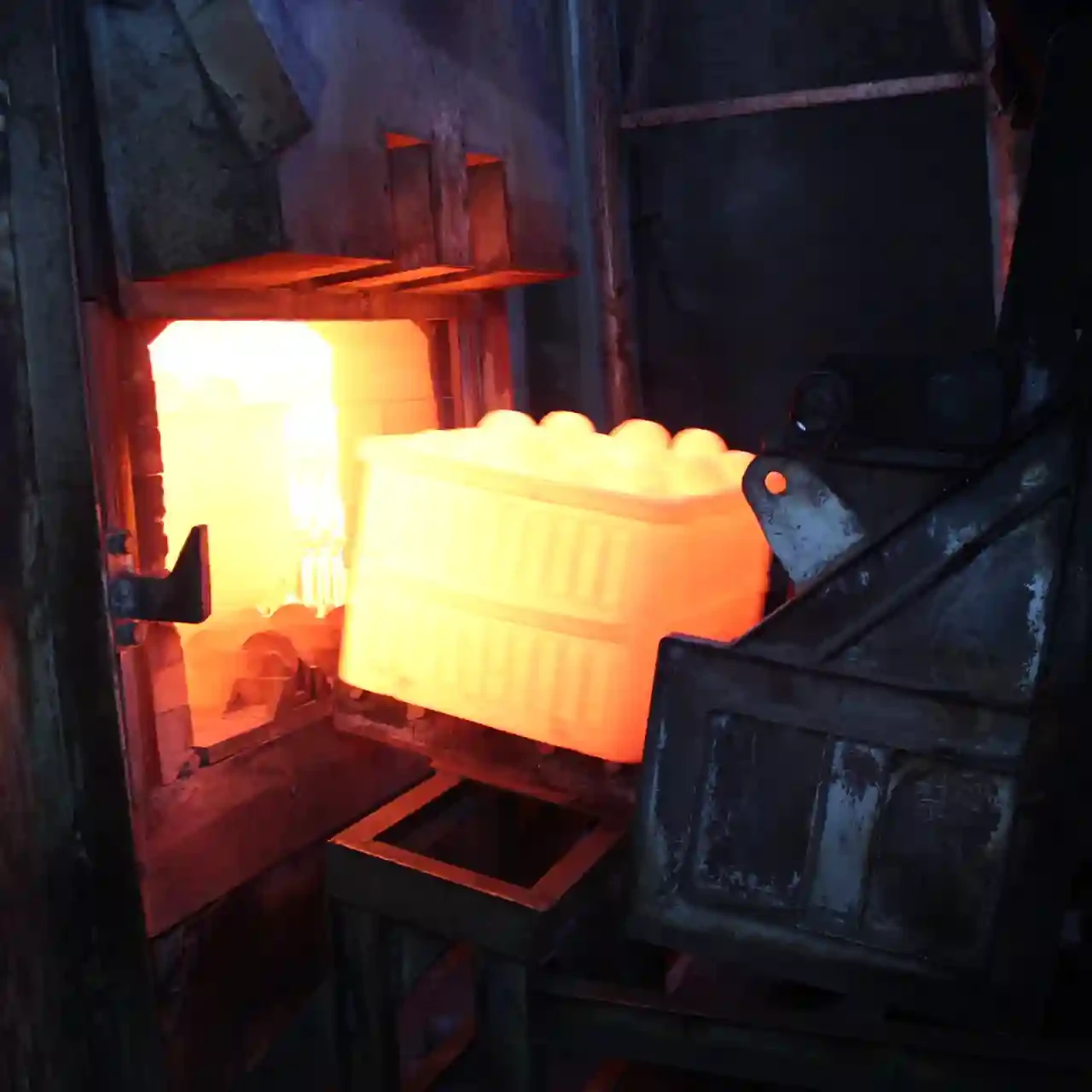
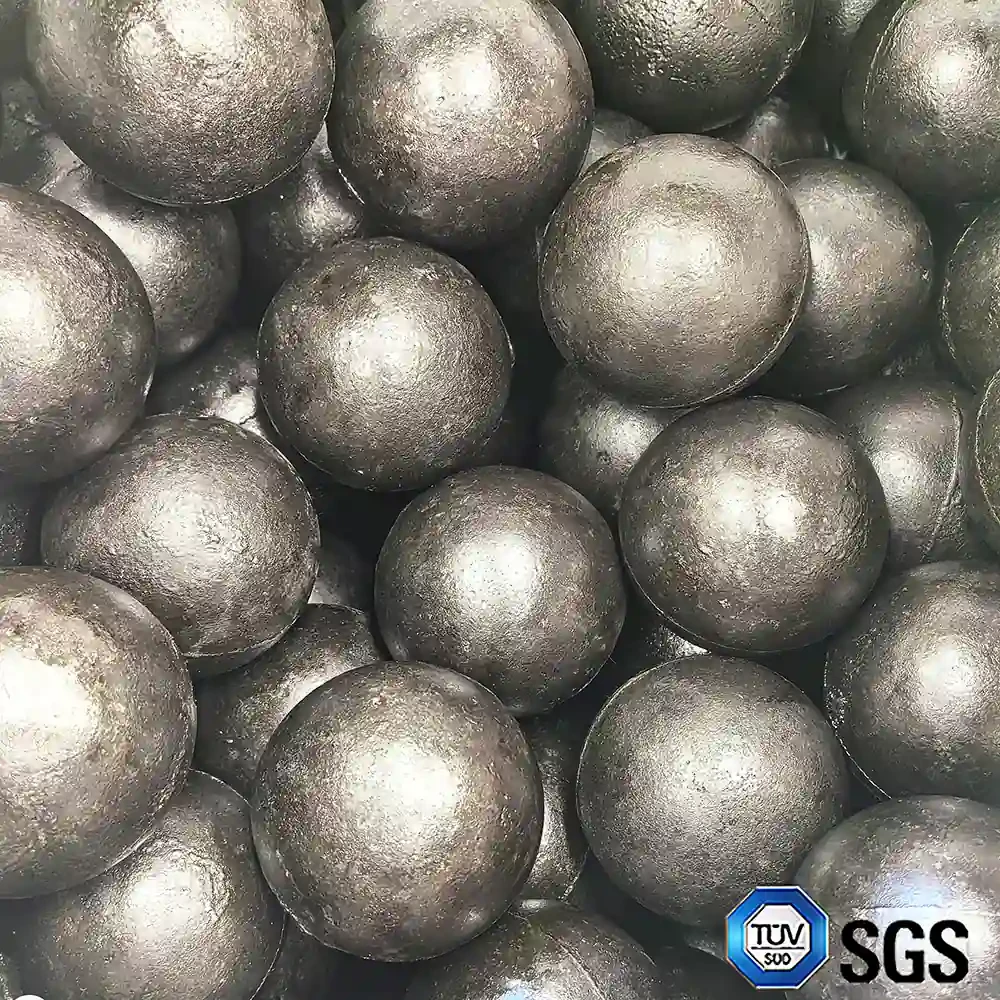
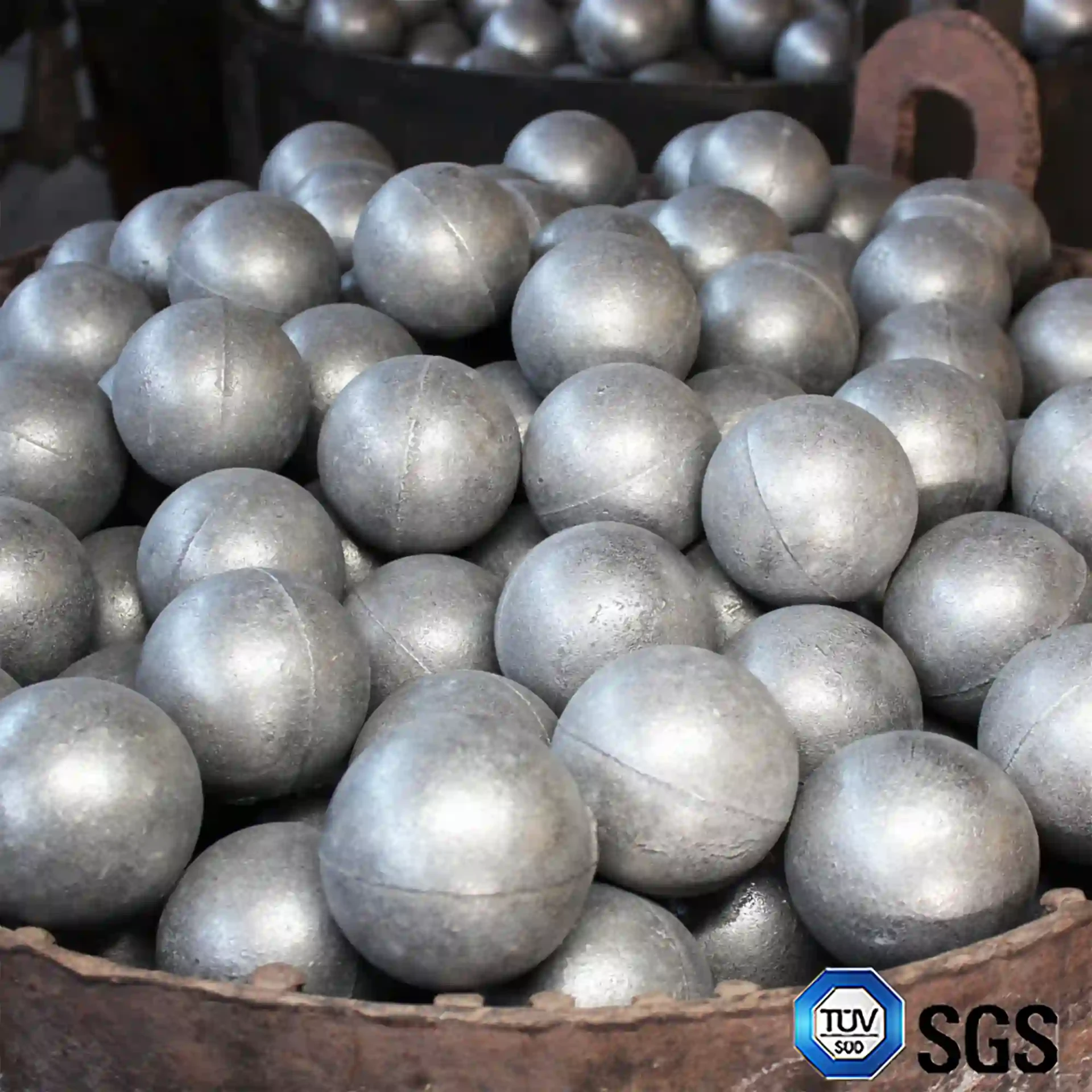
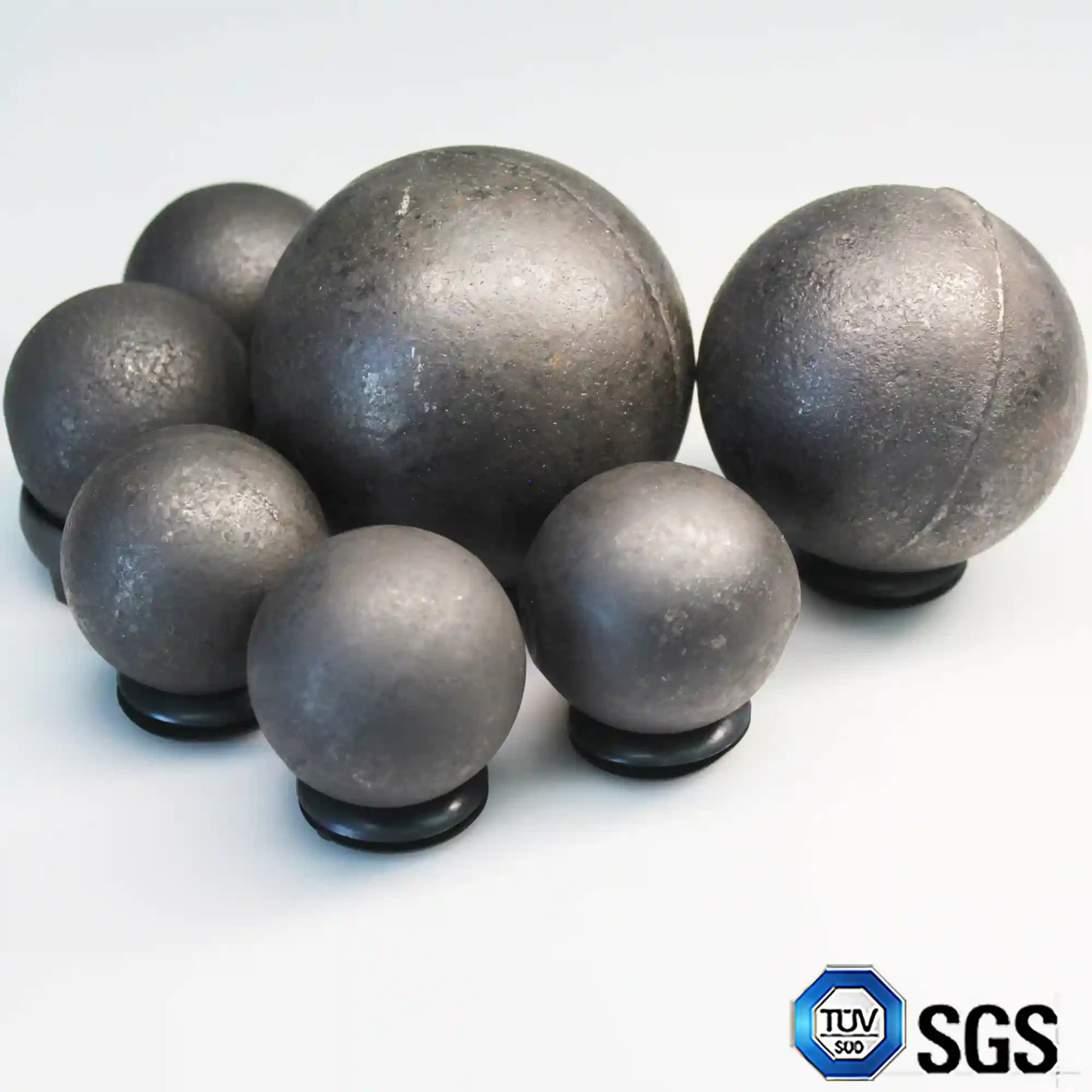
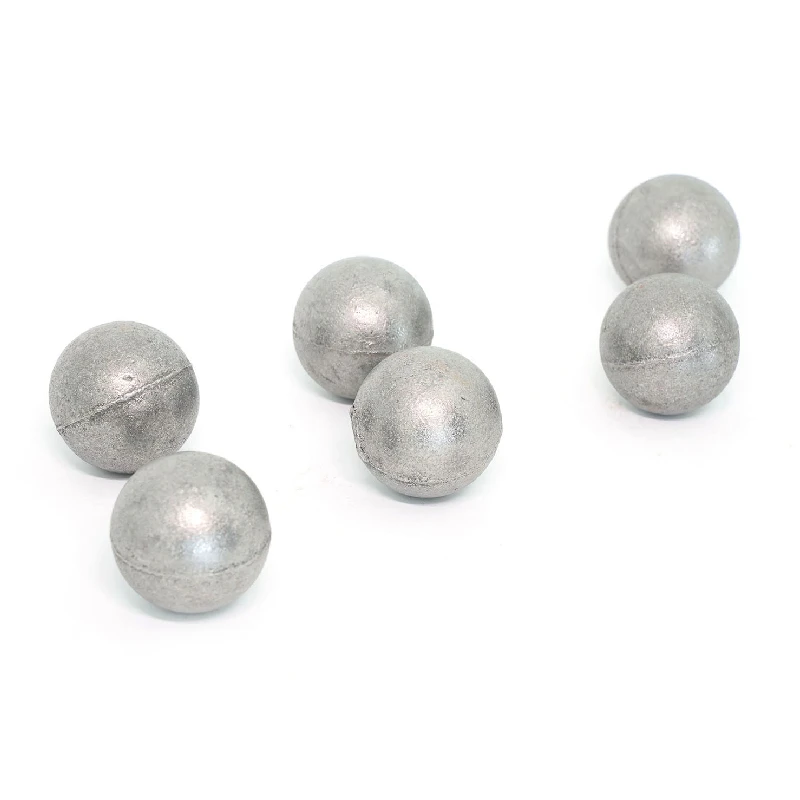
Put simply, médias de broyage are materials used inside mills to crush or grind raw solids into finer particles. These media effectively transmit energy from mechanical force to the material being processed.
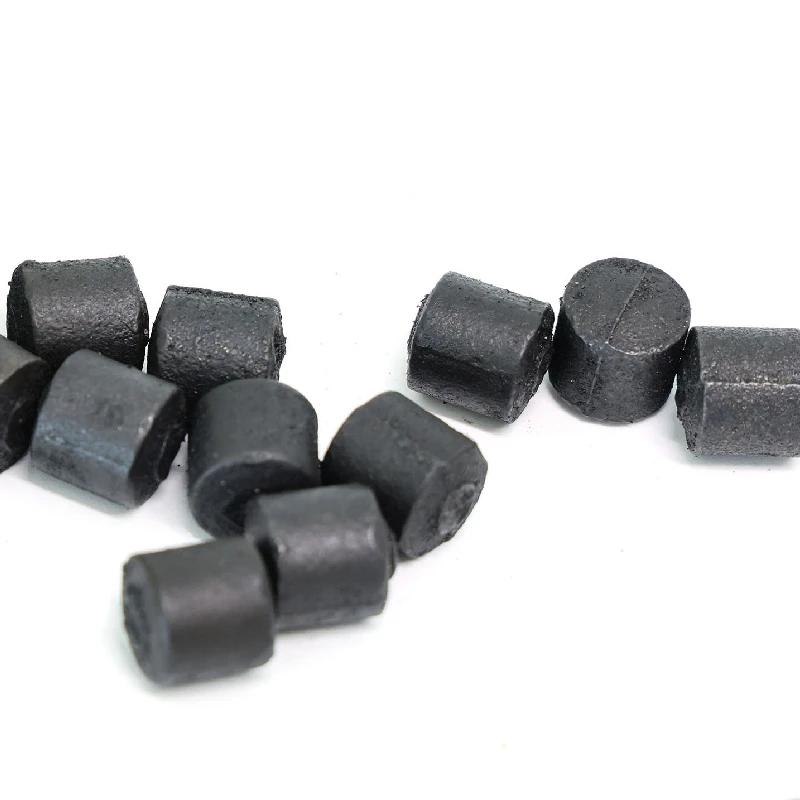
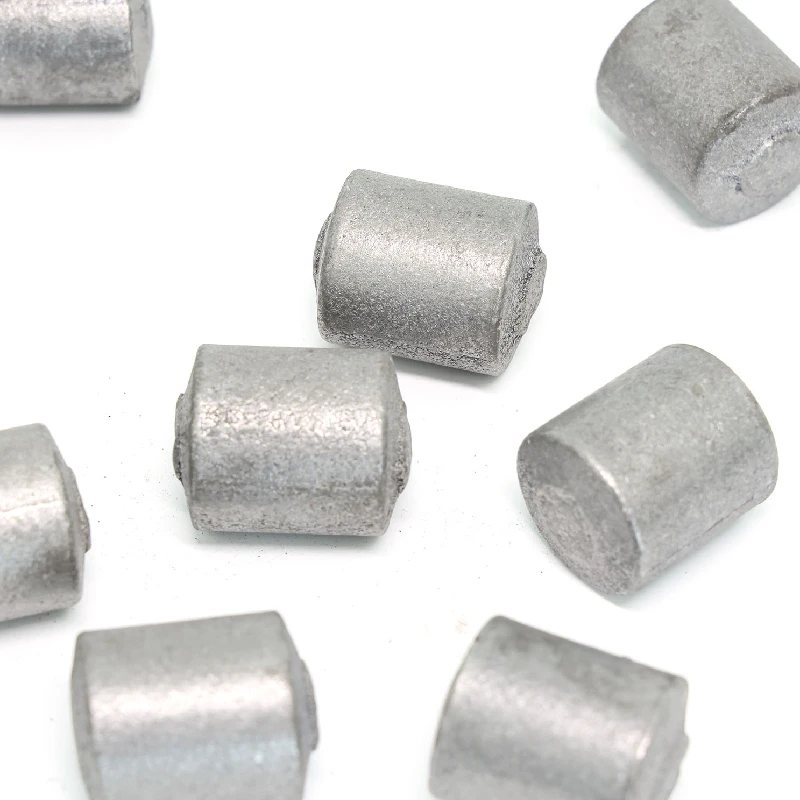
They might be made from steel, ceramic, or other high-density materials. Each composition affects hardness, wear resistance, and interaction with the product. Picture a jar of marbles tumbling inside a big rotating drum—that's your rough analogy.
More than just instruments of crushing, they are carefully engineered components aligning with a mill’s design, raw material characteristics, and desired output quality.
Mini takeaway:
The right médias de broyage are more than just “balls” in a mill—they’re the heart of efficient and customized grinding.
Key Aspects That Define Grinding Media
1. Durability
Grinding media must withstand relentless abrasion and impact. Selecting materials such as forged steel or high-chrome alloys extends life and reduces replacement costs.
2. Size and Weight Distribution
It’s not merely about big or small. The distribution of sizes affects grinding efficiency, impacting throughput, particle size distribution, and energy consumption.
3. Chemical Compatibility
In chemical processing or pharmaceutical milling, media that don’t contaminate the product are essential. Ceramic and special coated metals play a starring role here.
4. Cost Efficiency
One can’t overlook upfront cost but must balance it with media life and mill throughput. Frankly, cheaper media can end up costing more if wear rates spike.
5. Environmental Impact
With growing sustainability pressures, biodegradable and recyclable grinding media gain attention, especially in closed-loop systems.
6. Scalability & Customization
Whether servicing a small artisanal miner or a sprawling cement plant, the ability to tailor médias de broyage size, type, and quality matters.
Mini takeaway:
Durability, chemistry, and cost—these factors mix like a recipe to craft the perfect grinding media for each unique situation.
How Médias de Broyage Find Their Way into Global Operations
From Chile’s copper mines to India’s pharmaceutical labs, these grinding aids are everywhere.
• Mining and Minerals: In South Africa’s gold sector, optimized médias de broyage increase throughput and reduce energy use—exactly what miners dream of.
• Cement and Construction: Grinding raw limestone is energy-intensive, yet choosing the right media in northern Europe’s cement plants directly lowers emissions.
• Post-Disaster Rebuilding: NGOs in earthquake zones utilize premade, efficient grinding media to rapidly supply raw materials for emergency shelters.
• Chemical Manufacturing: Japan’s fine ceramic grinding balls produce contamination-free milled products—critical for electronics.
Mini takeaway:
The versatility and regional adaptation of médias de broyage make them unsung heroes in very diverse industries.
Table: Typical Specifications of Médias de Broyage
| Specification | Range/Value | Notes |
|---|---|---|
| Material | Steel, Ceramic, High-Chrome Alloy | Choice depends on abrasion and contamination risk |
| Diameter | 5 mm – 50 mm (common) | Smaller media for finer grinding |
| Hardness (Mohs) | 7.5 – 8.5 | Ensures good wear resistance |
| Density (g/cm³) | 4.5 – 7.8 | Heavier media improve grinding efficiency |
| Typical Lifespan | 6 months – 2 years | Varies with usage intensity |
Who’s Who? Comparing Top Vendors of Médias de Broyage
| Vendor | Material Options | Customization | Lead Time | Price Range |
|---|---|---|---|---|
| MillPro Media Solutions | Steel, High-Chrome Alloy | High (custom sizes, coatings) | 2 weeks | $$$ |
| CeramoGrind Inc. | Ceramic Only | Moderate (limited sizes) | 4 weeks | $$$ |
| EcoMill Supplies | Steel, Recycled Materials | Low (standard products only) | 1 week | $ |
| Premium Alloy Partners | High Chrome, Custom Coatings | Very High (consultation available) | 3 weeks | $$$+ |
Advantages and Long-Term Value of Using Quality Grinding Media
Investing properly in médias de broyage yields an array of benefits:
- Cost Savings: Less frequent media replacement and lower energy consumption.
- Sustainability: Reduced waste and the introduction of recyclable materials aid environmental goals.
- Social Impact: Efficient production supports industries that supply essential goods like cement for housing or chemicals for medicines.
- Reliability & Safety: Fewer breakdowns and contamination risks.
- Innovation: Continuous development in materials science offers smarter, longer-lasting media.
Oddly enough, the psychological comfort of knowing your mill won’t fail mid-shift—that's a big deal for operators!
Future Trends Shaping Médias de Broyage
Looking ahead, several trends are transforming this domain:
- Green Initiatives: Emphasis on eco-friendly media, including recycled and biodegradable options.
- Smart Materials: Sensors and coatings that adapt to operating conditions, reducing wear.
- Automation: Integration with digital milling control systems for real-time media condition monitoring.
- Advanced Composites: Hybrid metals and ceramics promising improved efficiency.
Facing Challenges and How Experts Overcome Them
Common hurdles revolve around balancing cost with durability, avoiding contamination in sensitive processes, and adapting media for niche applications.
Innovations like surface treatments, customized manufacturing, and use of influencing simulation software help alleviate these problems.
Plus, suppliers now often collaborate closely with customers to tailor solutions instead of forcing a one-size-fits-all product.
Quick FAQ About Médias de Broyage
Q1: What material is best for grinding media in chemical processing?
A: Ceramic grinding media typically offers superior chemical inertness, ensuring no contamination during milling—a must for pharmaceuticals and fine chemicals.
Q2: How often should grinding media be replaced in mining operations?
A: It depends on usage, but typically every 6 to 24 months, depending on abrasion levels and media quality.
Q3: Are recycled grinding media as effective as new ones?
A: Recycled media can be cost-effective and environmentally friendly but often exhibit lower durability. They’re better suited for less demanding applications.
Q4: Can grinding media types be mixed inside one mill?
A: Yes, using a mix of sizes and materials can optimize grinding efficiency, but it requires careful consultation to avoid negative effects.
Wrapping It Up: Why Médias de Broyage Should Be in Your Mind
In the end, médias de broyage are fundamental to efficient grinding processes that keep industries moving forward. Their impact touches economics, environment, and even social welfare, often behind the scenes but nonetheless vital.
Interested in exploring the full range of options or need expert guidance? Head over to médias de broyage and discover tailored solutions that fit your project’s unique needs.
References
-
Industrial Guide to Ferro Manganese Medium Carbon for Steel Production
NewsApr.16,2026
-
Professional Guide and Best Practices for drilling manganese steel
NewsApr.09,2026
-
Comprehensive Guide to DIN 1.3401 Stainless Steel Properties and Applications
NewsApr.07,2026
-
Optimizing Crusher Performance with Durable Manganese Alloys and Steel
NewsApr.04,2026
-
Comprehensive Guide to Chrome Manganese Steel Properties and Industrial Applications
NewsMar.31,2026
-
Understanding the Properties and Applications of Cast Manganese Steel
NewsMar.28,2026