Dec . 03, 2025 16:24 Back to list
Comprehensive Guide to Molienda de Cylpebs: Enhancing Industrial Grinding Efficiency
Molienda de Cylpebs: Essential Insights into Industrial Grinding Innovation
When you hear molienda de cylpebs, you might scratch your head initially, but it’s a fascinating niche within heavy industry and mineral processing. Simply put, it describes the grinding process using cylpebs — these cylindrical grinding media — to crush ores or other materials efficiently. Globally, mastering this technique is vital: it boosts productivity, optimizes energy use, and ultimately drives huge sectors like mining, cement, and chemical manufacturing. Understanding molienda de cylpebs not only improves operational efficiency but also underpins economic stability for many regions reliant on raw material exports.
Introduction: The Global Importance of Molienda de Cylpebs
Grinding processes are the heart of material reduction worldwide. According to reports from the International Organization for Standardization (ISO), grinding media technologies account for almost 30% of energy consumed in mineral processing. Here’s the twist — inefficient grinding means wasted resources and higher costs. That’s where the molienda de cylpebs becomes game-changing. The cylindrical shape of cylpebs ensures better milling dynamics compared to traditional balls, reducing energy usage and wear on equipment. In countries with extensive mining like Chile, Australia, and South Africa, this simple innovation translates into billions saved annually.
Definition and Meaning
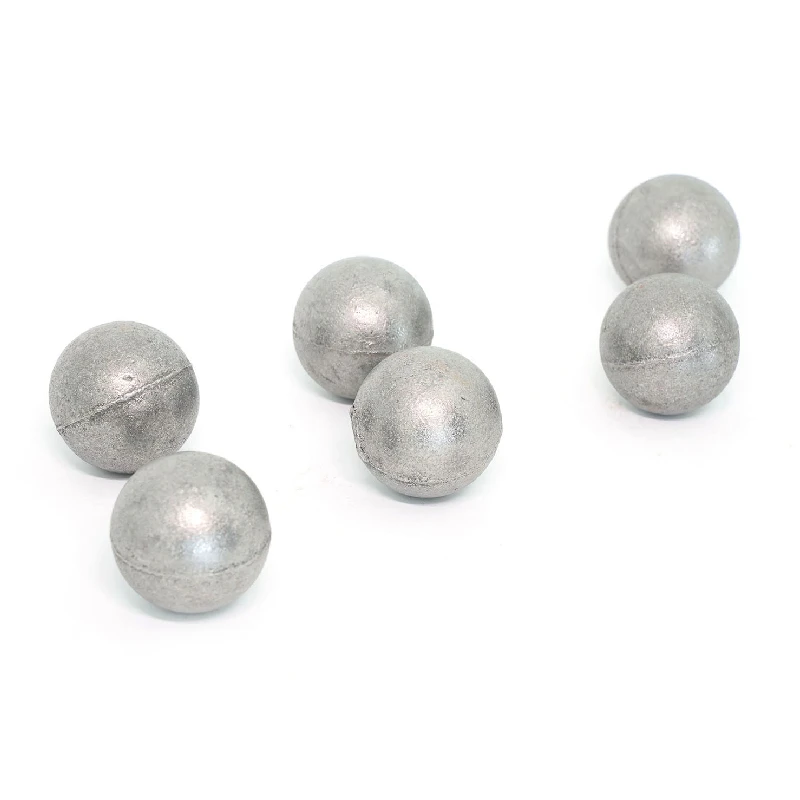
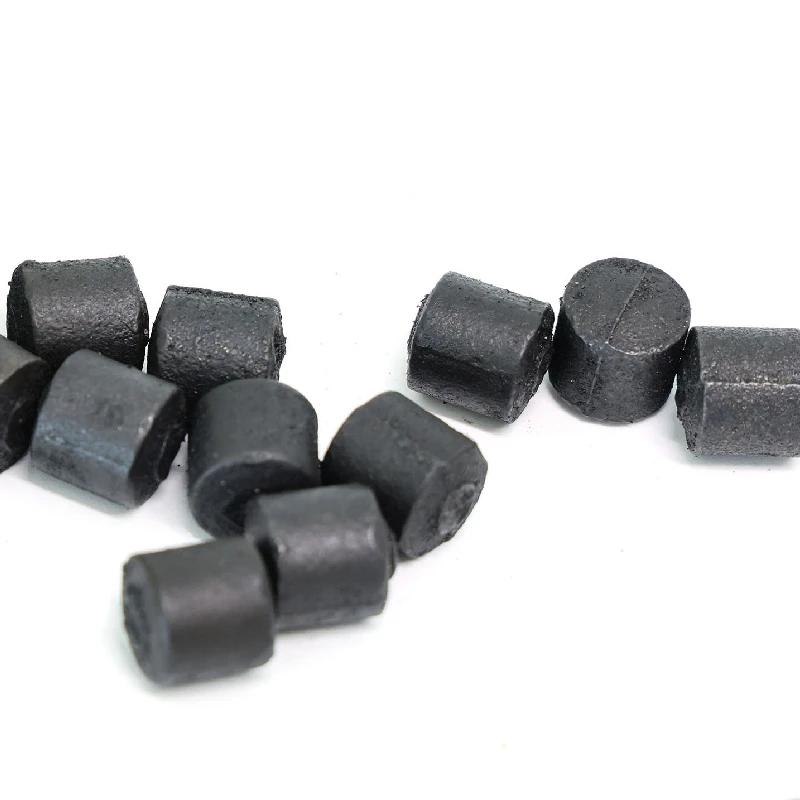
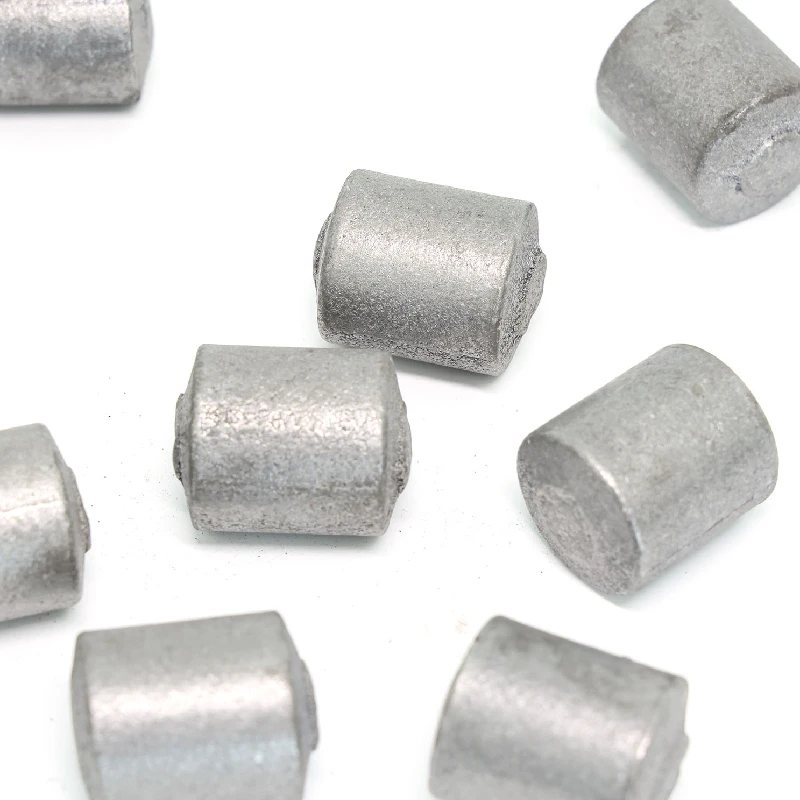
So, what exactly is molienda de cylpebs? Molienda means grinding, and cylpebs are cylindrical pellets typically made from steel or alloys used in ball mills. Unlike the regular spherical grinding balls, cylpebs have a straighter profile that offers a larger contact surface, which helps in improved grinding efficiency and less powdering of the media. In practice, they grind ores and minerals to a finer consistency with less dust generation — a subtle but significant leap for industries reliant on particle size control.
Key Factors in Molienda de Cylpebs
1. Durability and Material Composition
Cylpebs are often produced from high-chrome steel alloys to resist abrasion and corrosion. Durability matters — replacing these pieces too often not only drives up costs but interrupts production. Many engineers report that optimizing alloy blends extends cylpebs’ lifespan by 20–30%, a major boost to operational efficiency.
2. Energy Efficiency
One of the core benefits of molino de cylpebs is the improved energy transfer efficiency during grinding. Because of their shape, cylpebs generate a rolling action rather than just impact, requiring less input power to achieve desired fineness.
3. Scalability and Size Options
Depending on the material and milling equipment, cylpebs come in varying diameters — typically between 30mm to 45mm — which adapt to small-scale or large-scale operations. This scalability makes them flexible for diverse industrial needs.
4. Cost Efficiency and Operational Savings
Though slightly more expensive upfront than traditional grinding balls, cylpebs reduce grinding media consumption and mill downtime. Factoring this in, the total cost of mineral grinding sees a tangible reduction.
Product Specifications: Typical Cylpebs for Grinding Operations
| Specification | Details |
|---|---|
| Material | High Chrome Steel Alloy (≥18% Cr) |
| Diameter Range | 30 mm - 45 mm |
| Density | 7.6 - 7.8 g/cm³ |
| Hardness (HRC) | 58 - 62 |
| Toughness | High impact resistance |
Global Applications and Use Cases
From the copper mines in Peru to Australia's vast iron ore facilities, molienda de cylpebs finds wide application. For example, in post-disaster reconstruction involving cement production, the consistent grinding efficiency helps accelerate setting times critical to rebuilding infrastructure quickly. Similarly, cement manufacturers in remote industrial zones of Southeast Asia use cylpebs to reduce maintenance downtime on grinding mills, a small but vital factor.
Industrial stakeholders like multinational mining corporations and local smelters alike benefit from this technique’s versatility. Plus, with rising global demand for lithium and rare earth elements, precise grinding using cylpebs ensures higher purity and recovery rates.
Vendor Comparison: Leading Cylpebs Suppliers
| Supplier | Material Quality | Custom Sizes | Delivery Time | Price Range |
|---|---|---|---|---|
| CD Chengda | High Chrome Steel with optimized wear resistance | Yes, up to 50 mm diameter | 2-3 weeks | Mid-range |
| Global Grinding Co. | Standard Chrome Steel | Limited | 4 weeks | Lower |
| WearTech Solutions | High Chromium with custom alloys | Yes, full customization | 3 weeks | Premium |
Advantages and Long-Term Value of Molienda de Cylpebs
The benefits are both practical and emotional: beyond cost savings and reduced energy demands lies increased safety and equipment reliability. Less frequent media replacement means fewer shutdowns — which is not just a financial relief but also alleviates the stress on plant teams and the environment due to reduced waste.
Moreover, sustainability is increasingly important. Efficient grinding reduces carbon footprints in processing plants, aligning with global decarbonization goals set by organizations such as the United Nations Framework Convention on Climate Change (UNFCCC). In real terms, adoption of molienda de cylpebs could contribute to greener industrial practices.
Future Trends and Innovations in Grinding Media
Looking ahead, the industry is experimenting with advanced composite materials and smart monitoring systems embedded into grinding media. Imagine cylpebs with sensors tracking wear in real-time — that would minimize surprises and optimize replacements. Also, green energy integration into mining operations means grinding solutions like cylpebs must adapt to lower emissions and power variability.
Challenges & Expert Solutions
No process is perfect. One challenge with cylpebs is their slightly higher initial cost and the need for specialized mill calibration. That sometimes deters smaller operations. However, many experts recommend a cost-benefit analysis over the asset's life cycle, where cylpebs consistently come out ahead due to longevity and efficiency.
Plus, while wear patterns vary by ore type, advancements in alloy technologies are gradually closing the gap, making cylpebs a viable option even under harsh conditions.
Frequently Asked Questions About Molienda de Cylpebs
- Q: What advantages do cylpebs offer over traditional grinding balls?
A: Cylpebs provide a larger contact surface area and better grinding efficiency, reducing energy consumption and media wear compared to traditional round balls. - Q: Can cylpebs be customized for different mill types?
A: Yes, manufacturers like CD Chengda offer tailored sizes and alloy compositions to suit specific operational needs. - Q: How does the hardness level affect cylpebs' performance?
A: Higher hardness (typically 58-62 HRC) improves wear resistance, prolonging lifespan and maintaining milling efficiency. - Q: Are cylpebs environmentally friendly?
A: Yes, by lowering energy consumption and reducing grinding media waste, cylpebs contribute to more sustainable processing operations.
Conclusion: Embracing Molienda de Cylpebs for Sustainable Industrial Success
In the long run, adopting molienda de cylpebs positions businesses for greater productivity, cost savings, and environmental responsibility. Whether you're running a mining operation or cement plant, these cylindrical grinding media offer clear benefits backed by proven industry data and growing innovation.
For those eager to explore this technology first-hand, or to inquire about custom solutions, I suggest visiting our official site. It’s a resource-rich portal where you can connect with experts ready to tailor the perfect milling media for your needs.
Takeaway: Grinding smarter with cylpebs is not just a trend — it’s a vital step toward efficient, sustainable industry worldwide.
References
-
Industrial Guide to Ferro Manganese Medium Carbon for Steel Production
NewsApr.16,2026
-
Professional Guide and Best Practices for drilling manganese steel
NewsApr.09,2026
-
Comprehensive Guide to DIN 1.3401 Stainless Steel Properties and Applications
NewsApr.07,2026
-
Optimizing Crusher Performance with Durable Manganese Alloys and Steel
NewsApr.04,2026
-
Comprehensive Guide to Chrome Manganese Steel Properties and Industrial Applications
NewsMar.31,2026
-
Understanding the Properties and Applications of Cast Manganese Steel
NewsMar.28,2026