Feb . 24, 2026 11:00 Back to list
Comprehensive Guide to Silicon Manganese Applications and Market Trends
Silicon Manganese: A Comprehensive Guide
Silicon manganese is a crucial alloying agent in steel production, significantly enhancing its strength, toughness, and resistance to abrasion. Its versatility makes it indispensable across diverse industrial applications, from construction to automotive manufacturing. This article will provide an in-depth look at silicon manganese, covering its composition, production methods, key applications, and market trends. Understanding this alloy is vital for anyone involved in the steel industry or related sectors. Learn how Chengda provides high-quality silicon manganese to meet your specific requirements.
What is Silicon Manganese?
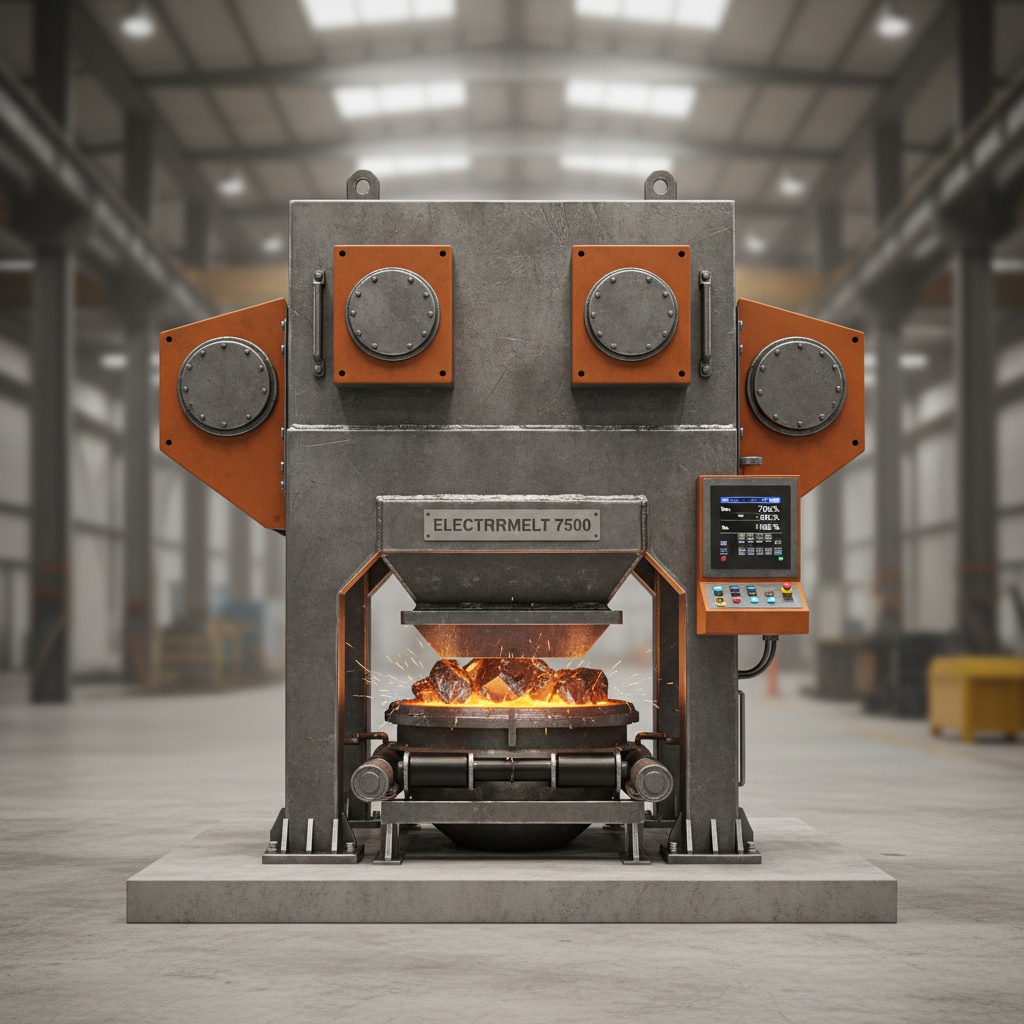
Silicon manganese (SiMn) is an alloy consisting primarily of silicon and manganese, with typical compositions ranging from 60-70% manganese and 14-20% silicon. It’s produced through the carbothermic reduction of manganese ore with silicon-containing materials like silica or ferrosilicon. Unlike pure manganese, silicon manganese's addition to steel doesn't lead to the formation of hard, brittle compounds. Instead, it forms softer, more ductile phases that improve the steel’s workability and impact resistance. This is why it’s preferred over adding elemental manganese directly. Chengda’s silicon manganese offerings are renowned for their consistent quality and precise chemical composition.
Key Highlights: Improves steel strength, toughness, and abrasion resistance. Prevents the formation of brittle compounds during steelmaking. Consistent quality is ensured through strict quality control measures.
The Production Process of Silicon Manganese
The dominant production method for silicon manganese is the submerged arc furnace process. This involves feeding a mixture of manganese ore, carbon sources (like coal or coke), and silica into a furnace. Electric arcs generated by graphite electrodes heat the mixture to extremely high temperatures (around 1600-1800°C). The carbon reduces the manganese oxide in the ore, forming metallic manganese and carbon monoxide. Simultaneously, silica reacts with carbon to produce silicon. The molten silicon manganese is then tapped from the furnace, cooled, and refined into various grades and sizes. Chengda utilizes state-of-the-art submerged arc furnaces to ensure efficient and environmentally responsible production.
Production Process Overview:
• Raw materials: Manganese ore, carbon source, silica.
• Furnace type: Submerged arc furnace.
• Temperature: 1600-1800°C.
• Final product: Molten silicon manganese, refined into various forms.
Silicon Manganese Grades and Specifications
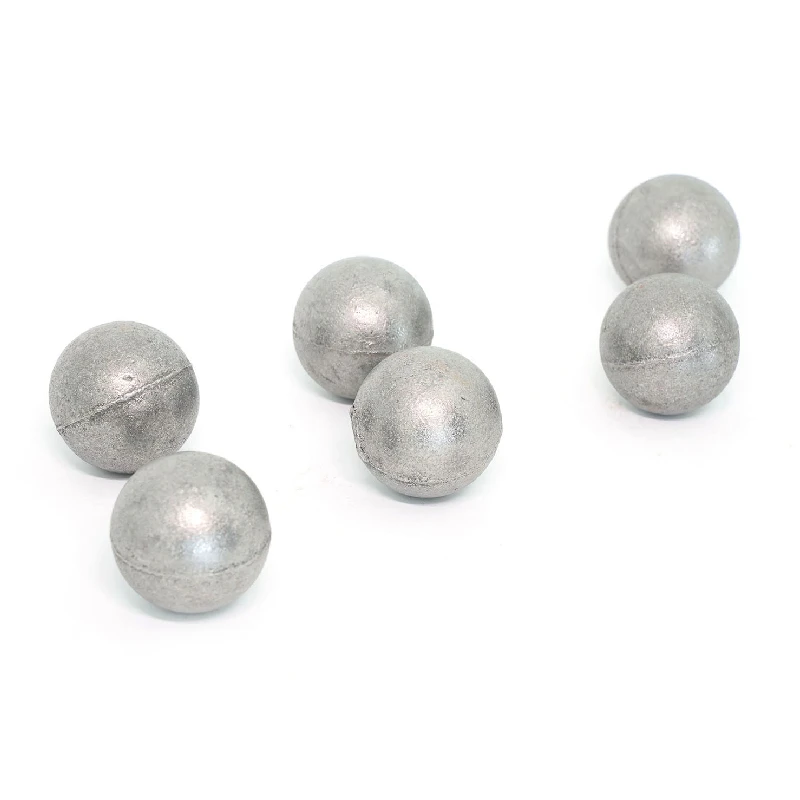
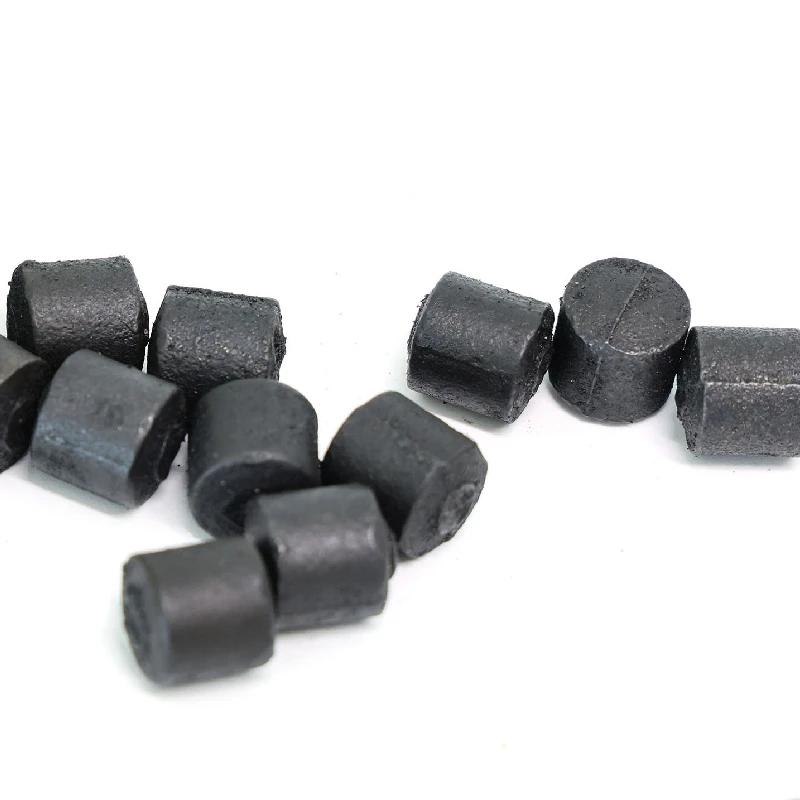
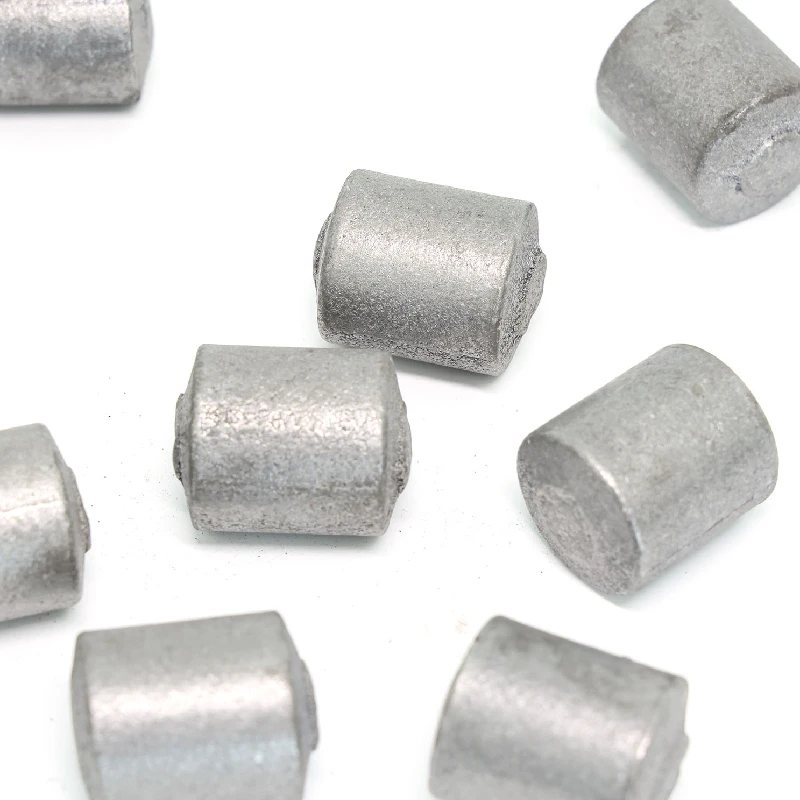
Silicon manganese is available in various grades, primarily categorized by their silicon and manganese content. These grades are tailored to meet the specific requirements of different steelmaking processes and desired steel properties. Common grades include 65/17, 65/18, and 60/15 (Mn/Si percentages). Different forms are also available, such as lumpy, granular, and dust, catering to different application methods. Chengda offers a wide range of silicon manganese grades to suit diverse customer needs.
Key Applications of Silicon Manganese
Silicon manganese finds widespread application in the production of various steel grades. It's crucial in manufacturing high-strength low-alloy (HSLA) steels, used extensively in the construction of pipelines, bridges, and buildings. It's also vital in producing forging steels, spring steels, and various wear-resistant steels utilized in automotive components, machinery, and tools. Additionally, it contributes to improving the weldability and corrosion resistance of certain steel types. Chengda’s silicon manganese supports a diverse range of steelmaking applications.
Market Trends and Future Outlook
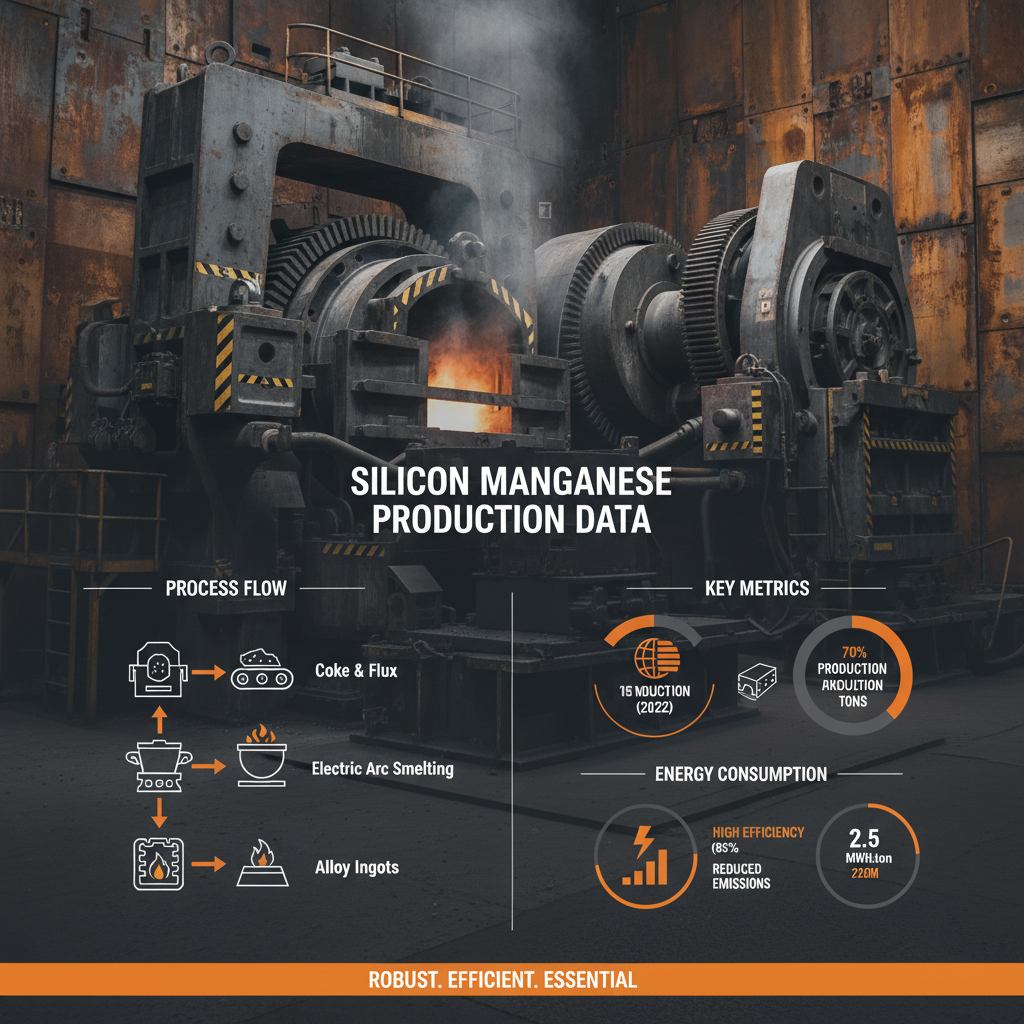
The global silicon manganese market is closely tied to the performance of the steel industry. Demand is driven by infrastructure development, automotive production, and overall industrial growth. Growing demand for high-strength steels in emerging economies is expected to fuel continued growth in the silicon manganese market. Sustainability concerns and the push for greener steelmaking processes may lead to increased demand for high-quality silicon manganese with lower impurity levels. Chengda remains committed to providing sustainable and high-quality silicon manganese solutions.
Conclusion: Partnering with Chengda for Silicon Manganese Needs
Choosing a reliable supplier of silicon manganese is crucial for ensuring consistent steel quality and efficient production processes. Chengda offers high-quality silicon manganese products, competitive pricing, and dedicated customer support. We are committed to meeting the evolving needs of the steel industry and providing sustainable solutions for a brighter future.
Frequently Asked Questions (FAQs)
What are the primary benefits of using silicon manganese in steelmaking?
Silicon manganese significantly enhances steel’s strength, toughness, and resistance to abrasion. It acts as a deoxidizer during steel production, removing harmful oxygen and sulfur impurities. Furthermore, it prevents the formation of brittle manganese sulfides, which can negatively impact steel’s weldability and ductility. By improving these properties, silicon manganese allows for the production of high-performance steels suitable for demanding applications.
How does the silicon content in silicon manganese affect steel properties?
The silicon content influences the steel’s strength and hardenability. Higher silicon levels generally lead to increased strength and hardness but can also reduce ductility. Silicon also contributes to deoxidation and helps refine the grain structure of the steel, improving its overall toughness. The optimal silicon content is carefully controlled based on the desired steel properties and application requirements.
What is the typical packaging for silicon manganese products?
Silicon manganese is typically packaged in bulk bags (1-ton FIBCs) or smaller bags of various weights. The packaging is designed to protect the material from moisture and contamination during transportation and storage. Chengda offers flexible packaging options to meet customer-specific requirements, including customized labeling and palletizing.
What quality control measures does Chengda implement?
Chengda maintains rigorous quality control procedures throughout the entire production process. This includes careful selection of raw materials, continuous monitoring of chemical composition during furnace operation, and thorough laboratory testing of the final product. We adhere to industry standards and provide detailed certificates of analysis with each shipment, guaranteeing consistent quality and customer satisfaction.
-
Industrial Guide to Ferro Manganese Medium Carbon for Steel Production
NewsApr.16,2026
-
Professional Guide and Best Practices for drilling manganese steel
NewsApr.09,2026
-
Comprehensive Guide to DIN 1.3401 Stainless Steel Properties and Applications
NewsApr.07,2026
-
Optimizing Crusher Performance with Durable Manganese Alloys and Steel
NewsApr.04,2026
-
Comprehensive Guide to Chrome Manganese Steel Properties and Industrial Applications
NewsMar.31,2026
-
Understanding the Properties and Applications of Cast Manganese Steel
NewsMar.28,2026