Jan . 04, 2026 06:40 Back to list
Durable Forros de Casca de Moinho de Cimento | Mill Shell Linings Solutions
Forros de Casca de Moinho de Cimento: Durable Linings for a Tough Industry
Working in the industrial equipment sector for over a decade, I can tell you that forros de casca de moinho de cimento are quite literally the unsung heroes of cement mills. They endure relentless abrasive wear and extreme mechanical impacts — it’s one tough environment to design for, no doubt. Oddly enough, a good lining can make or break a mill’s efficiency and lifespan. I suppose the best way to capture this is “silent guardian” because it stays under the radar but you’d notice its absence right away.
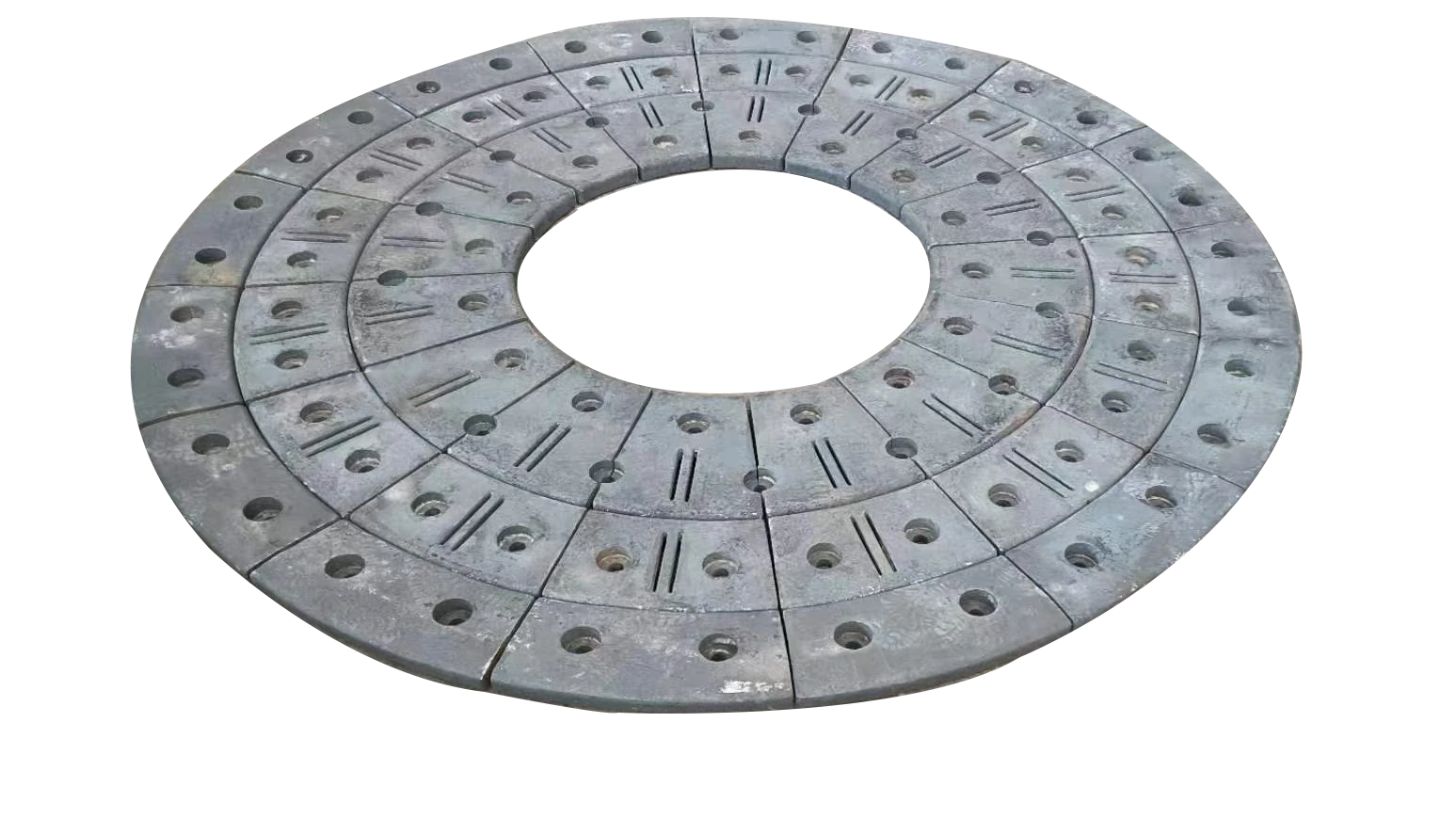
In real terms, these liners primarily protect the steel shell of the rotary mill, preventing direct contact with the harsh mixture of clinker, raw materials, and grinding media inside. Typically crafted from high-chrome cast iron or manganese steel, these materials provide a fine balance between hardness and toughness — the former to resist abrasion, the latter to absorb impact without cracking.
One thing I’ve noticed over the years is that for cement plants operating 24/7, downtime caused by liner replacement is a big headache. So manufacturers like CD Chengda put a lot of effort into optimizing the shell design and fixing systems — making liners that are not only tough but also modular and easier to install. In fact, some engineers I spoke with say they appreciate how modular liner “shells” can save days of labor, which is a significant cost in itself.
Here’s a quick rundown of typical features you’d expect in a quality forro de casca de moinho:
| Specification | Details |
|---|---|
| Material | High-Chrome Cast Iron or Manganese Steel |
| Hardness | 55-65 HRC (Rockwell Hardness) |
| Thickness | Varies 25-100 mm based on mill model |
| Installation Type | Bolt-on modular segments |
| Wear Resistance | Up to 12,000 hours continuous operation |
Customization is another area where vendors shine or stumble. You often face different mill sizes and operational requirements, and a “one-size-fits-all” liner simply doesn’t cut it. That’s why companies such as CD Chengda offer tailored solutions, meaning they’ll design liner patterns specific to the rotation speed, impact levels, and material composition you’re dealing with. Plus, through advanced wear modeling tools, they can predict wear zones, so their designs target the exact trouble spots.
Now, about comparing suppliers – anyone who’s been sourcing these liners knows it’s not just about price. Quality, durability, lead time, and after-sales service come into play, frankly. Here’s a quick vendor comparison I put together based on industry feedback, product literature, and my observations:
| Vendor | Material Quality | Customization | Price Range | Lead Time |
|---|---|---|---|---|
| CD Chengda | High-chrome alloys, tested | Full pattern customization | Mid to premium | 4-8 weeks |
| Local Steel Works | Standard manganese steel | Limited | Budget | 2-4 weeks |
| Global Cast Supplier | High-grade alloy but variable | Moderate | Premium | 6-10 weeks |
One customer story I recall quite vividly was from a plant in Brazil experimenting with a new high-chrome shell liner from CD Chengda. They noted a 25% extension in liner life compared to their previous manganese steel liners, which cut replacement downtime significantly — something they hadn’t expected but were excited about. It reinforces what many of us have seen firsthand: investing a bit more upfront can pay off handsomely in operational uptime.
In summary, these lining shells are vital components that carry a heavy burden behind the scenes. Choosing the right one means balancing materials science, engineering expertise, and practical considerations like installation and cost. For those in the cement milling world, paying attention to these liners isn’t optional — it’s essential.
So if you’re exploring durable solutions for your mill protection, checking out what forros de casca de moinho de cimento can offer is a useful first step.
1. Own experience in plant equipment maintenance. 2. Technical specs from supplier datasheets. 3. Industry discussions and case studies.
-
Industrial Guide to Ferro Manganese Medium Carbon for Steel Production
NewsApr.16,2026
-
Professional Guide and Best Practices for drilling manganese steel
NewsApr.09,2026
-
Comprehensive Guide to DIN 1.3401 Stainless Steel Properties and Applications
NewsApr.07,2026
-
Optimizing Crusher Performance with Durable Manganese Alloys and Steel
NewsApr.04,2026
-
Comprehensive Guide to Chrome Manganese Steel Properties and Industrial Applications
NewsMar.31,2026
-
Understanding the Properties and Applications of Cast Manganese Steel
NewsMar.28,2026