Mar . 24, 2026 02:25 Back to list
Exploring the Properties and Diverse Applications of Austenitic Manganese Steel
Understanding Austenitic Manganese Steel: Properties and Applications
Austenitic manganese steel, also known as Hadfield steel, is a unique alloy renowned for its exceptional toughness and wear resistance. Its distinct properties make it ideal for a wide range of demanding applications, particularly in industries facing high impact and abrasive conditions. This article will delve into the composition, characteristics, benefits, and diverse applications of austenitic manganese steel, offering a comprehensive overview for engineers, materials scientists, and industry professionals. Explore how Chengda Steel provides high-quality austenitic manganese steel products to meet diverse industrial needs.
Chemical Composition and Key Characteristics
Austenitic manganese steel typically contains around 12-14% manganese, 1.0-1.2% carbon, and smaller amounts of silicon, sulfur, and phosphorus. The high manganese content stabilizes the austenitic phase, resulting in a non-magnetic structure. A key characteristic is its work-hardening property: the more it is impacted, the harder and stronger it becomes. This makes it exceptionally durable in high-stress environments. Furthermore, it exhibits excellent weldability and machinability, though specialized techniques are often required. Chengda Steel's commitment to quality ensures consistently precise chemical compositions in its austenitic manganese steel products.
Key Highlights: Exceptional toughness, high wear resistance, work hardening property, excellent weldability.
Applications of Austenitic Manganese Steel
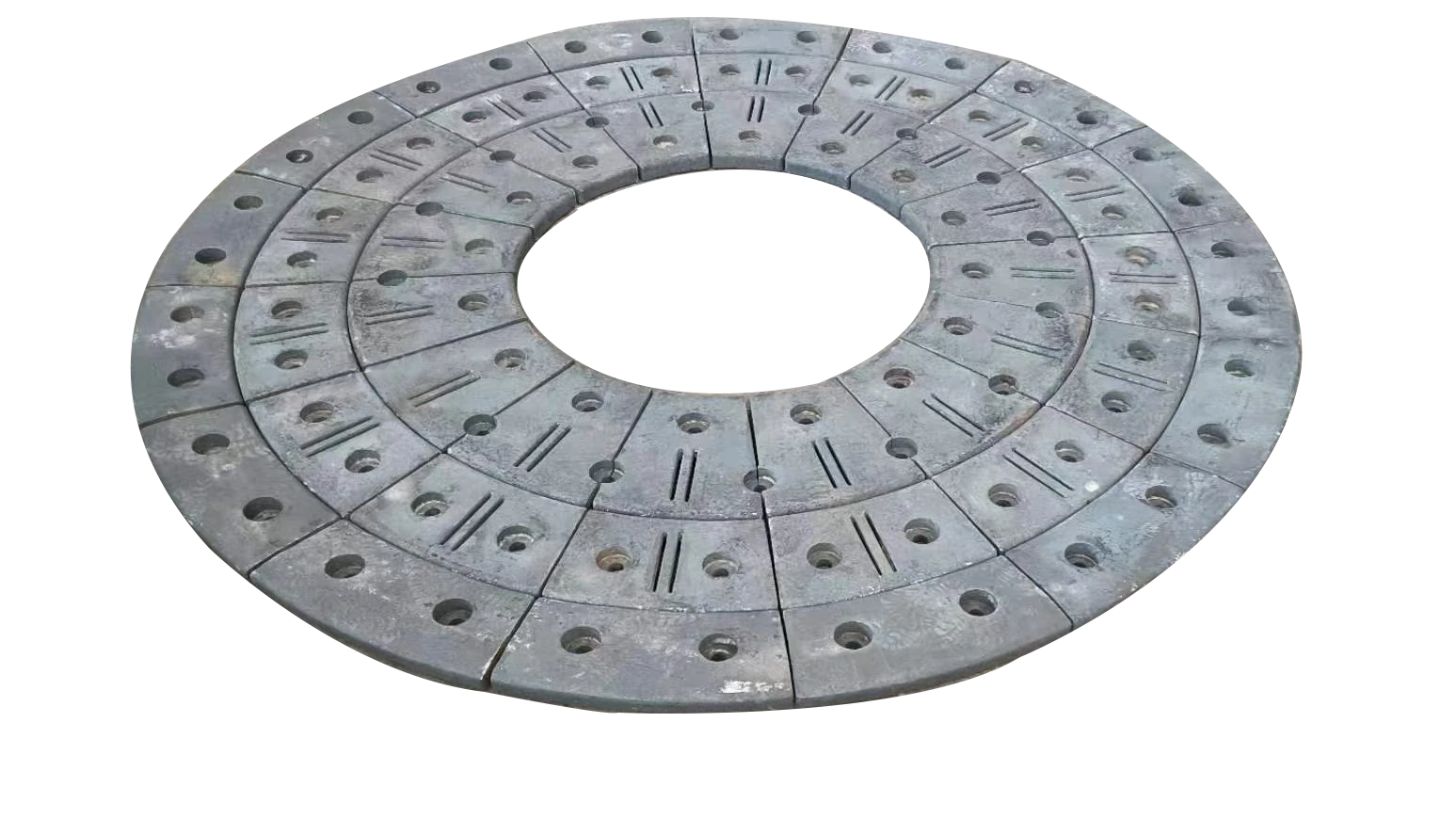
Due to its unique properties, austenitic manganese steel finds extensive application in various industries. These include mining, railway, construction, and materials handling. In mining, it’s used for rock crushers, grinding media, and excavator teeth. Railway applications involve its use in frog and crossing components, and wheelsets. Within construction, it’s favored for bucket teeth, crusher parts, and other wear-resistant components. The steel's ability to withstand high impact and abrasion makes it indispensable for these demanding tasks. Chengda Steel offers customized solutions tailored to specific application requirements.
Application Areas:
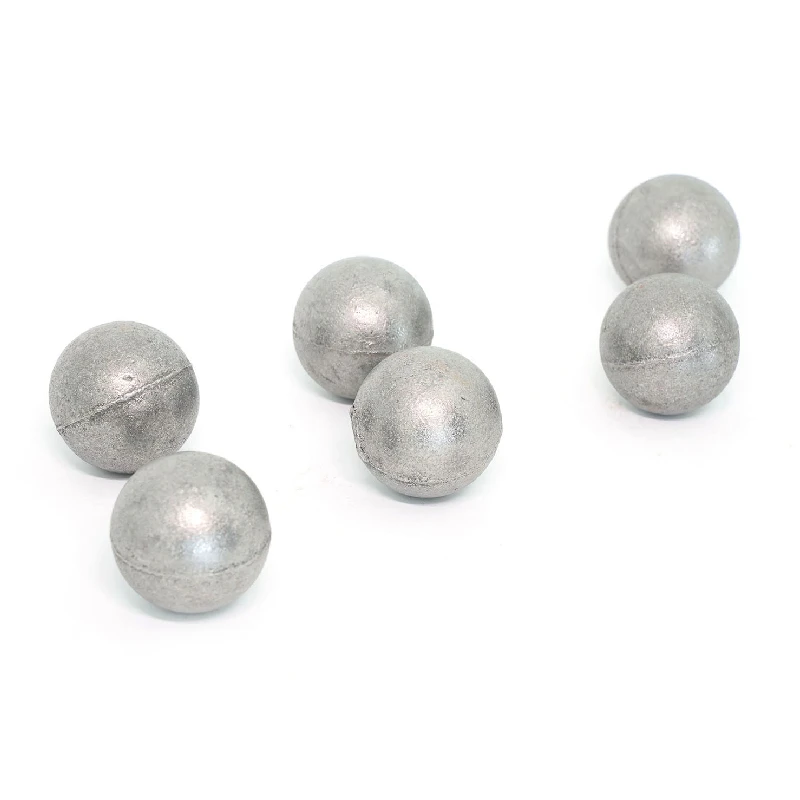
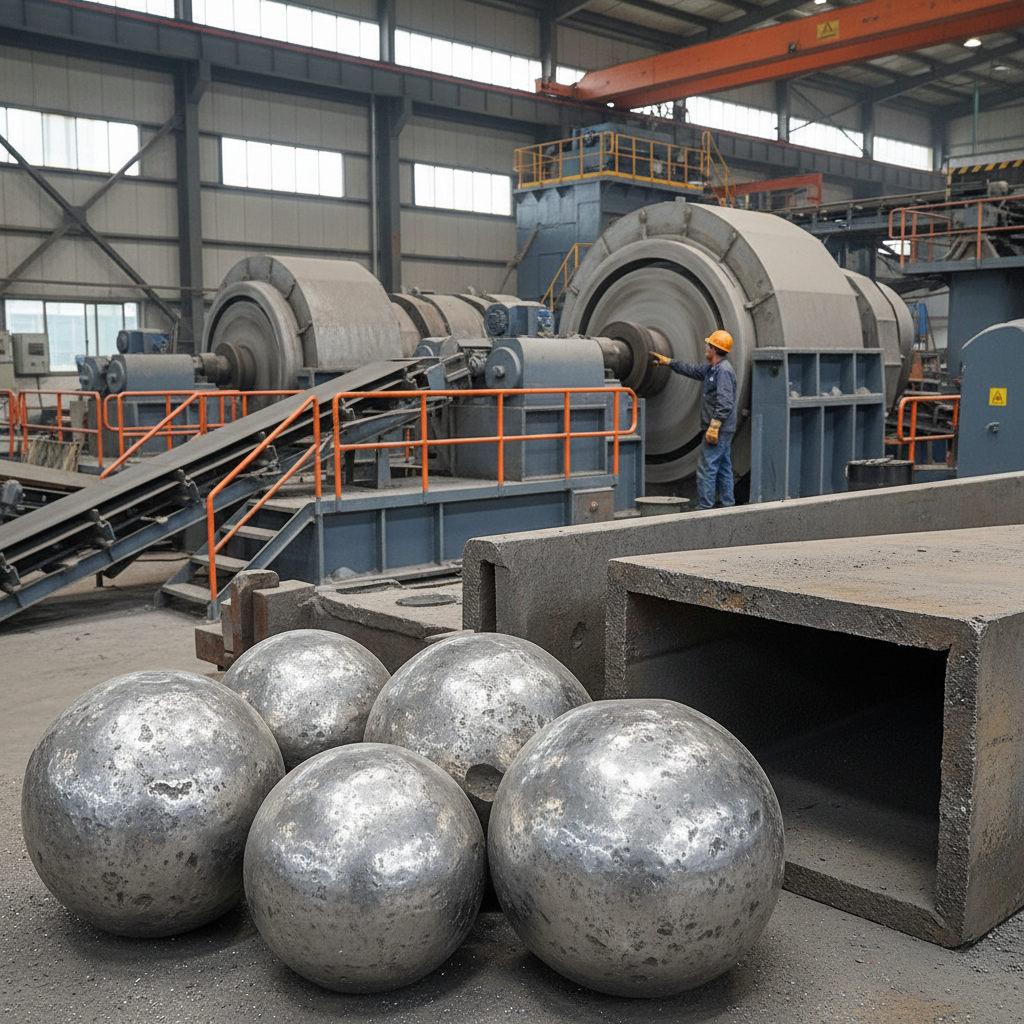
• Mining: Rock crushers, grinding balls, excavator teeth
• Railway: Frog and crossing components, wheelsets
• Construction: Bucket teeth, crusher jaws
• Materials Handling: Conveyor components, chute liners
Austenitic Manganese Steel vs. Other Wear-Resistant Alloys
While other alloys offer wear resistance, austenitic manganese steel distinguishes itself through its unique combination of toughness and work hardening. Compared to high-chromium cast irons, it possesses significantly higher impact resistance. Unlike tool steels, which can become brittle under impact, austenitic manganese steel actually becomes stronger. This makes it particularly well-suited for applications involving severe shock loading. It’s also more readily weldable than many other hard alloys, simplifying fabrication and repair. Chengda Steel provides expert guidance in selecting the optimal alloy for specific application challenges.
Product Specifications and Availability at Chengda Steel
Chengda Steel offers austenitic manganese steel in various forms, including cast steel, forged steel, and machined components. We provide a range of sizes and shapes to meet diverse customer requirements. Our products adhere to rigorous quality control standards and are certified to meet international specifications. The following table outlines some standard product specifications:
Conclusion: Choosing the Right Austenitic Manganese Steel Partner
Austenitic manganese steel offers a compelling solution for applications demanding exceptional toughness and wear resistance. Chengda Steel stands as a reliable partner, providing high-quality products, customized solutions, and expert technical support. Investing in the right steel and the right supplier is crucial for ensuring long-term performance and cost-effectiveness.
Frequently Asked Questions (FAQs)
What makes austenitic manganese steel so tough?
The toughness of austenitic manganese steel stems from its unique crystalline structure and its ability to work harden. The austenitic phase allows for significant plastic deformation without fracturing. Furthermore, the steel's work-hardening property means that when subjected to impact, the crystalline structure changes, increasing its hardness and strength in the impacted area. This self-strengthening mechanism makes it exceptionally resistant to wear and tear, especially under high-stress conditions. The steel's composition, specifically the high manganese content, stabilizes the austenitic structure, maintaining its toughness even at relatively low temperatures.
Can austenitic manganese steel be welded?
Yes, austenitic manganese steel is generally considered weldable, but it requires specific techniques to avoid issues like cracking. Preheating the steel before welding and using low-hydrogen welding processes are crucial. Post-weld heat treatment is often recommended to relieve stress and improve the weld's properties. The choice of welding electrodes is also important, with specific electrodes designed for manganese steel alloys being preferred. Improper welding can compromise the steel's toughness and work-hardening ability, so it’s best to consult with a qualified welding professional.
What industries benefit most from using this steel?
Industries facing abrasive and high-impact conditions benefit most from austenitic manganese steel. Key sectors include mining (for crusher liners, grinding media, and teeth), railway (for frog and crossing components), construction (for bucket teeth and digger parts), agriculture (for wear plates on tillage equipment), and materials handling (for conveyor system components). Any application involving significant wear, shock loading, or abrasion is a potential candidate for this versatile alloy.
-
Industrial Guide to Ferro Manganese Medium Carbon for Steel Production
NewsApr.16,2026
-
Professional Guide and Best Practices for drilling manganese steel
NewsApr.09,2026
-
Comprehensive Guide to DIN 1.3401 Stainless Steel Properties and Applications
NewsApr.07,2026
-
Optimizing Crusher Performance with Durable Manganese Alloys and Steel
NewsApr.04,2026
-
Comprehensive Guide to Chrome Manganese Steel Properties and Industrial Applications
NewsMar.31,2026
-
Understanding the Properties and Applications of Cast Manganese Steel
NewsMar.28,2026