Dec . 03, 2025 15:20 Back to list
Fabriquants de cylindres de broyage | High-Quality Grinding Cylinders
Fabriquants de cylindres de broyage: Quality Matters in Industrial Grinding
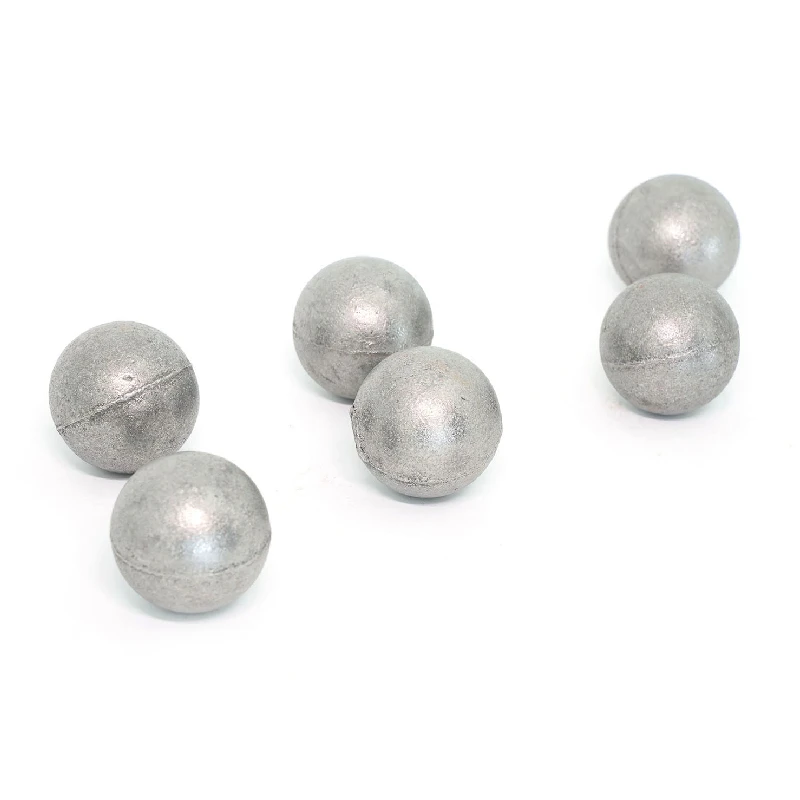
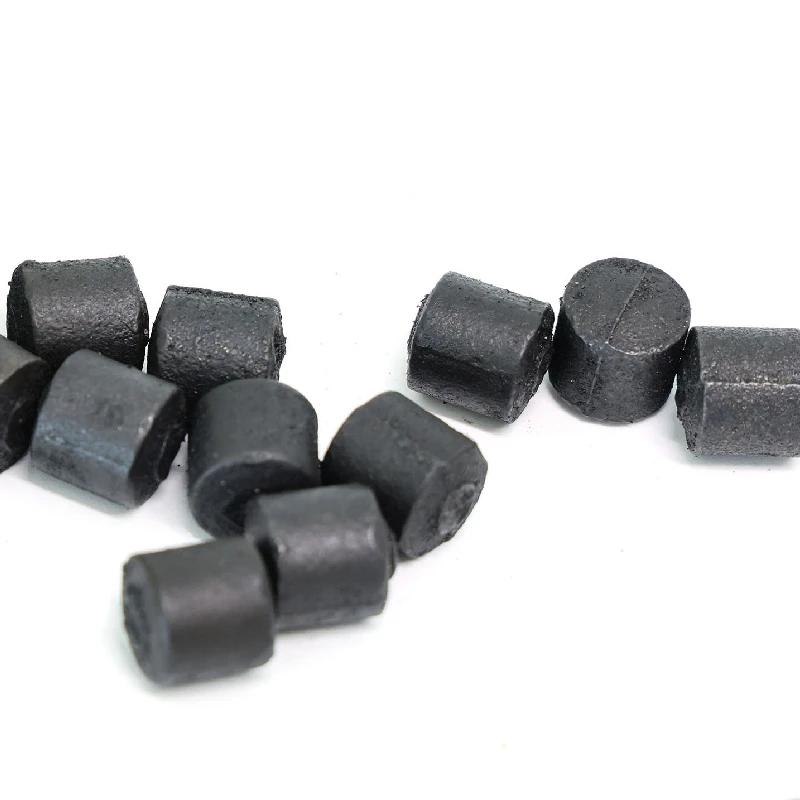
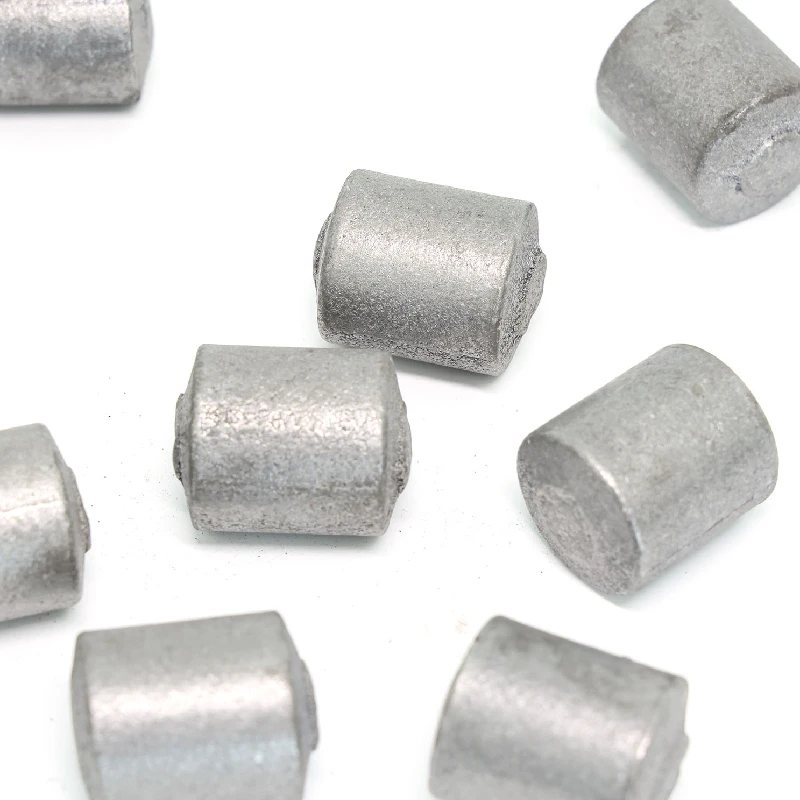
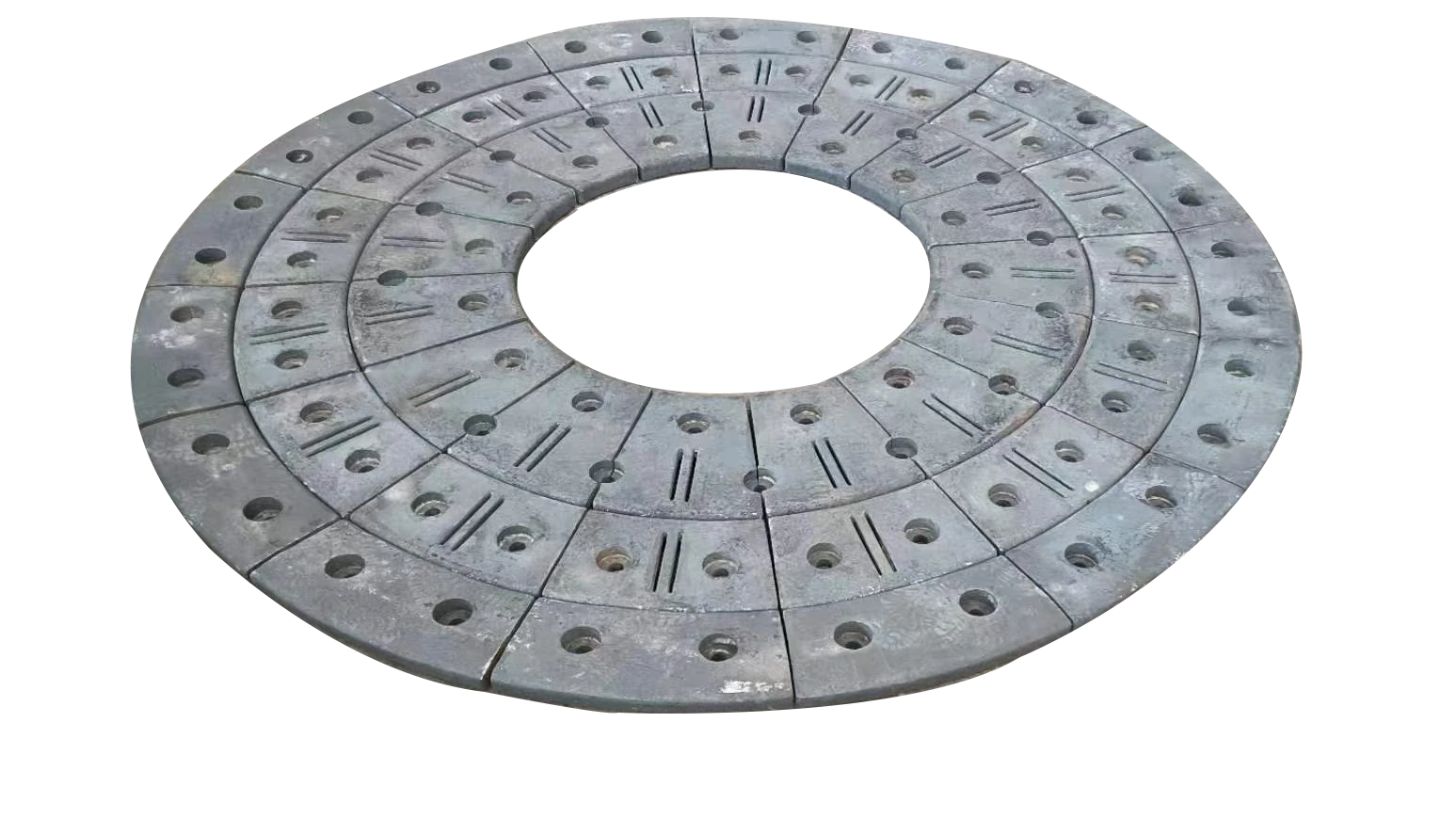
Having spent more than a decade working closely with industrial equipment — specifically in heavy-duty grinding applications — I can say with some certainty that choosing the right fabriquants de cylindres de broyage is, frankly, more art than science. These grinding cylinders might look straightforward at first glance, but their impact on your plant’s performance is anything but.
So, why should you care so much about these cylinders? Well, to put it simply, they’re the heart of your ball mills, rod mills, or autogenous mills, grinding raw ore into manageable particle sizes with precision. I remember early in my career visiting a plant where worn-down cylinders literally throttled the mill’s throughput. The managers called it “night and day” after switching suppliers.
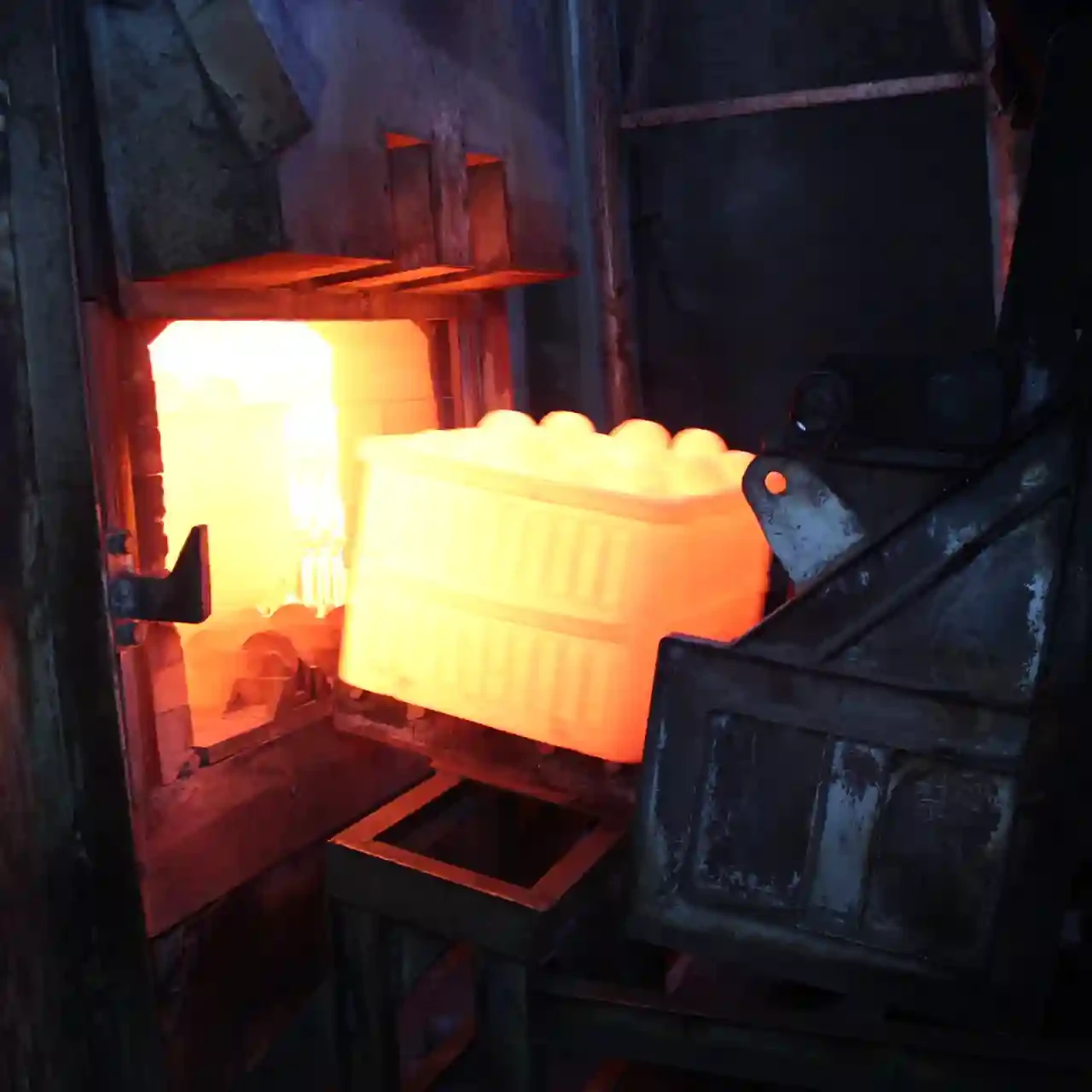
Materials, design, and finish quality— these are the cornerstones manufacturers obsess over. Most top-tier fabriquants de cylindres de broyage use high chromium or manganese steel alloys. Why? Because toughness and abrasion resistance are non-negotiable. You’ll often see a multi-step heat treatment process too, which enhances durability. Oddly enough, slight differences in alloy composition or tempering can make a big difference once those cylinders are under continuous pounding.
Quick Specs: Typical Grinding Cylinder Parameters
| Spec | Typical Range | Comments |
|---|---|---|
| Material | High chromium or manganese steel | Enhances wear resistance |
| Hardness (HRC) | 58-62 | Balance between toughness and hardness |
| Diameter | 200mm to 1000mm | Custom sizes available |
| Length | 600mm to 3500mm | Depends on mill requirements |
| Surface Finish | Polished or ground | Reduces wear and corrosion |
In real terms, selecting a manufacturer often boils down to who can meet your mill’s customization needs with consistent quality and on-time delivery. It’s not just about the specs on paper. That's why I always advocate for strong vendor relationships — you want a supplier who listens, tests rigorously, and isn’t shy about sharing test results or certifications.
Speaking of vendors, here’s a simple comparison I put together from my experience plus industry chatter:
| Vendor | Material Quality | Customization | Testing & Certification | Delivery Speed |
|---|---|---|---|---|
| Cd Chengda | Excellent (High chromium steel) | High - custom sizes & finishes | Full mechanical & chemical tests | Fast (4-6 weeks typical) |
| Vendor B | Good (Manganese steel) | Moderate | Basic tests | Variable (6-9 weeks) |
| Vendor C | Average | Low | Minimal | Slow (10+ weeks) |
What I really appreciate about fabriquants de cylindres de broyage like Cd Chengda is their transparency — they show you testing data, material grades, and manufacturing processes. It’s kind of comforting when you know the product delivered won’t fail you halfway through a shipment.
To add a little anecdote, once I worked with an operator who switched cylinder suppliers without much thought. They ended up dealing with higher breakage rates and slower plant throughput. We traced it back to subtle differences in surface finish and internal stresses induced by poor heat treatment. The fix? Back to a reliable fabricant who promised—and delivered—a robust cylinder fit for their harsh ore conditions.
In a nutshell, choosing your grinding cylinder manufacturer shapes the efficiency and longevity of your grinders in ways that pay off long term. You want someone who knows the importance of not just metal, but machining, heat-treatment, testing, and tailored solutions. Because at the end of the day, maintenance downtime is costly and avoidable.
Oddly enough, the manufacturing sector might sometimes overlook these cylinders as “just parts,” but I've learned they really speak volumes about the quality philosophy behind the whole operation.
Takeaway: Invest time vetting your fabriquants de cylindres de broyage — your mills and budgets will thank you.
References
- Industry standards for wear-resistant alloy steels, ASM International, 2022
- Cd Chengda Product and Testing Data Sheets, 2023
- Personal interviews and on-site visits: multiple grinding plants, 2015–2023
-
Industrial Guide to Ferro Manganese Medium Carbon for Steel Production
NewsApr.16,2026
-
Professional Guide and Best Practices for drilling manganese steel
NewsApr.09,2026
-
Comprehensive Guide to DIN 1.3401 Stainless Steel Properties and Applications
NewsApr.07,2026
-
Optimizing Crusher Performance with Durable Manganese Alloys and Steel
NewsApr.04,2026
-
Comprehensive Guide to Chrome Manganese Steel Properties and Industrial Applications
NewsMar.31,2026
-
Understanding the Properties and Applications of Cast Manganese Steel
NewsMar.28,2026