Dec . 12, 2025 04:00 Back to list
Flat Plate Dry Lining – Durable Industrial Protection Solutions
Understanding flat plate dry lining in Industrial Applications
Having spent more than a decade immersed in the industrial equipment sector, I can tell you that dry lining—especially flat plate dry lining—is one of those unsung heroes that keep furnaces, kilns, and reactors running smoothly. You don’t always notice it unless something goes wrong, then it becomes heartbreakingly clear how critical good lining really is.
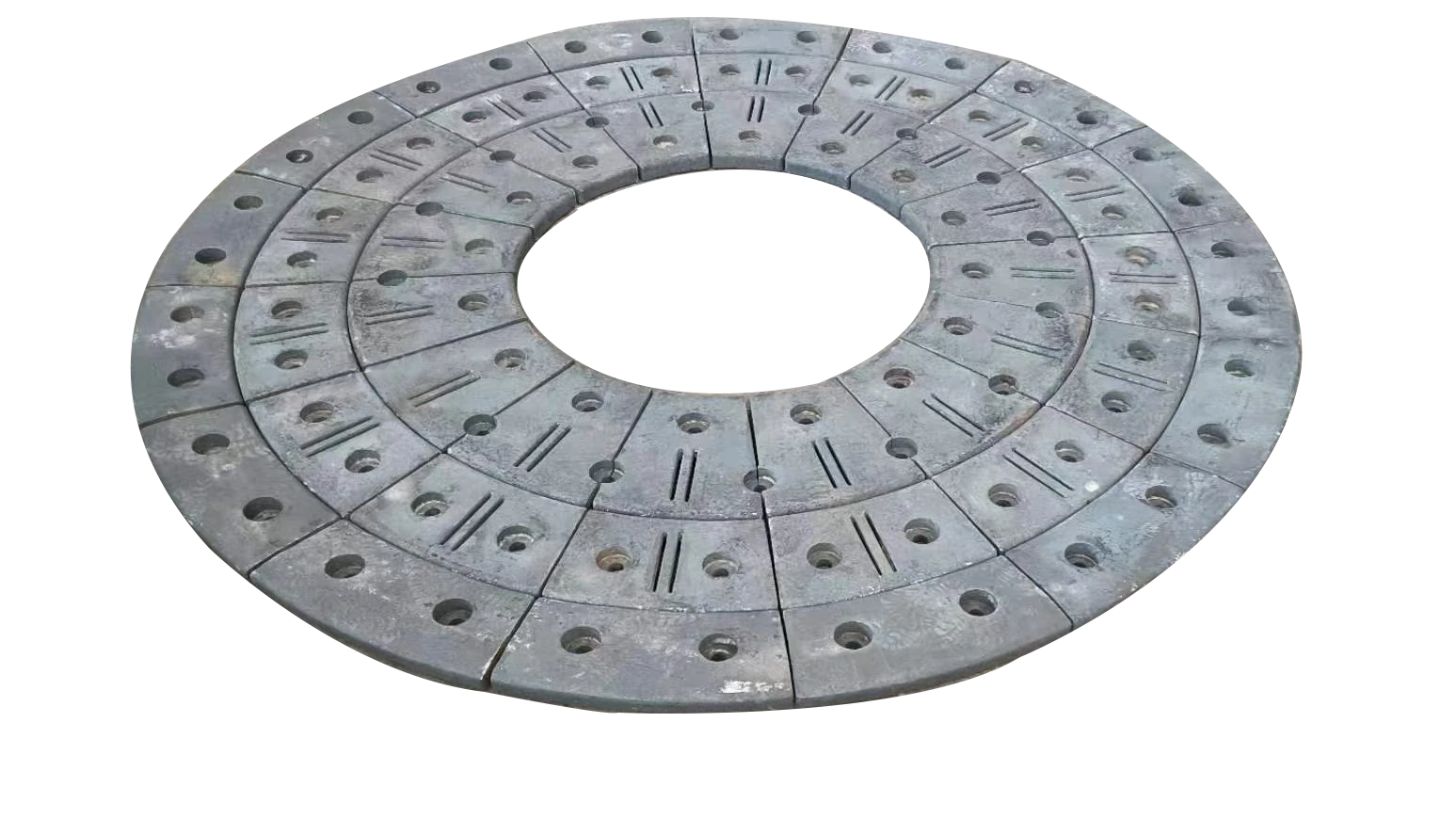
Flat plate dry lining is essentially a method to protect metal structures from extreme heat and chemical attack without the need for drying or curing times associated with traditional wet linings. Frankly, this kind of lining has gained traction in recent years, partly because it speeds up maintenance cycles and reduces downtime—two things plant managers really cherish.
Oddly enough, not many people outside the industry fully realize just how versatile these linings can be. The technical design often involves a combination of refractory fiber boards, insulation layers, and dense ceramic plates which are pre-cut and fitted, then mechanically fixed onto structural steel. This modular approach is not just about utility but also brings significant safety improvements during installation.
Product Specifications of a Typical Flat Plate Dry Lining System
| Specification | Detail |
|---|---|
| Material Type | High-grade alumina ceramic plates & refractory fiber boards |
| Thermal Conductivity | |
| Maximum Service Temperature | Up to 1600°C |
| Installation Time | Typically less than 24 hours |
| Typical Panel Size | 600mm x 600mm (custom sizes available) |
| Fixation Method | Mechanical anchors or steel clips |
In my experience, the biggest selling point is the “dry” aspect—it removes the waste and waiting times that come with castables or gunning methods. But don’t mistake it for a one-size-fits-all answer. Depending on your operation’s temperature and chemical exposure, the exact composition of plates and backing insulation will vary. Manufacturers sometimes even offer customized shapes to fit unusual vessel geometries, which can save hundreds of labor hours during maintenance outages.
Many engineers I've chatted with swear by the longevity of flat plate linings compared with castables. There’s less cracking, fewer repairs, and the modular plates make targeted patch-ups easier instead of a full relining. A customer I worked alongside in a cement plant once told me it felt like getting “a performance upgrade” to their rotary kiln — they literally shaved weeks off maintenance schedules after switching to dry lining.
Comparing Leading Flat Plate Dry Lining Vendors
| Vendor | Material Quality | Customization | Installation Support | Cost Efficiency |
|---|---|---|---|---|
| CD Chengda | Premium high alumina & low conductivity | Fully customizable sizes & thicknesses | Comprehensive site technical support | Competitive pricing with bulk options |
| Vendor B | Standard ceramic plates | Limited customization | Remote assistance only | Mid-range pricing |
| Vendor C | Mid-grade alumina | Some customization | Basic technical support | Lower cost but higher labor |
Of course, selecting your supplier is as much about their understanding of your plant’s needs as it is their product specs. Having worked with CD Chengda, I noticed their hands-on approach and willingness to tailor solutions make a real difference — especially when deadlines loom or conditions are tricky.
Before wrapping up, I’d urge any new engineer or maintenance supervisor to genuinely consider the trade-offs between cost and reliability. Flat plate dry lining is not the cheapest upfront, but in real terms, fewer shutdowns and longer service lives usually win out. It’s the kind of upgrade that, frankly, feels like it pays back steadily over years. You might even hear a few plant managers say dry lining is the “peace of mind technology” – and they’re not wrong.
If you’re curious to explore options or want a detailed quote, check out their site. They have solid technical resources that complement the product quality well.
Reflecting on my years in this field, I realize the best lining choices come from informed conversations, trial, and sometimes a bit of trusting the suppliers who stand firmly behind their products.
References:
1. “Advances in Refractory Linings,” Industrial Heat Journal, 2021.
2. CD Chengda Product Brochure, 2023.
3. Personal interviews with plant engineers, 2022-2023.
-
Industrial Guide to Ferro Manganese Medium Carbon for Steel Production
NewsApr.16,2026
-
Professional Guide and Best Practices for drilling manganese steel
NewsApr.09,2026
-
Comprehensive Guide to DIN 1.3401 Stainless Steel Properties and Applications
NewsApr.07,2026
-
Optimizing Crusher Performance with Durable Manganese Alloys and Steel
NewsApr.04,2026
-
Comprehensive Guide to Chrome Manganese Steel Properties and Industrial Applications
NewsMar.31,2026
-
Understanding the Properties and Applications of Cast Manganese Steel
NewsMar.28,2026