Oct . 21, 2025 13:10 Back to list
Grinding Cylpebs Factory: High-Hardness Media, Low Wear
Inside a Grinding Cylpebs Factory: How “Low Chrome Grinding Forging” Is Really Made
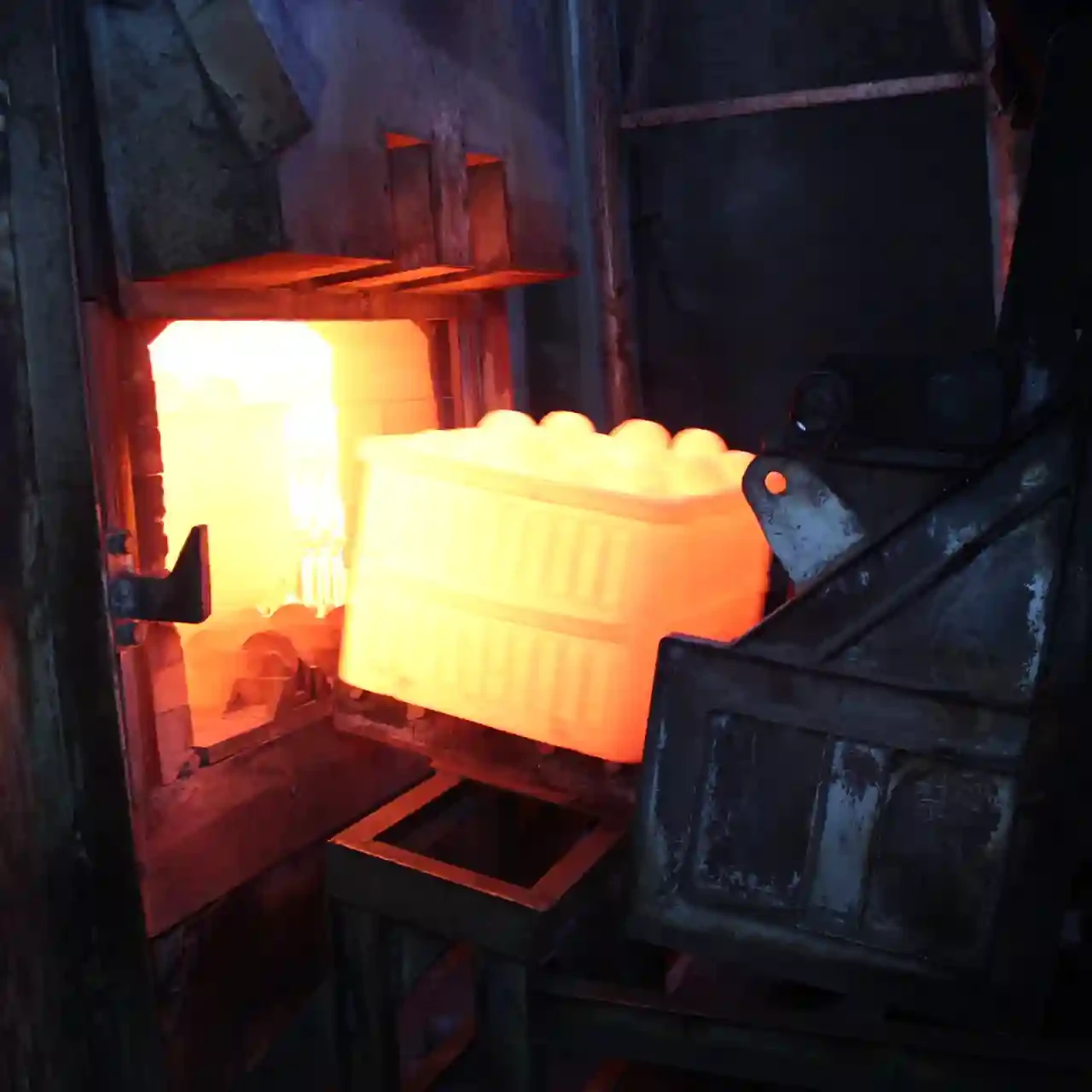
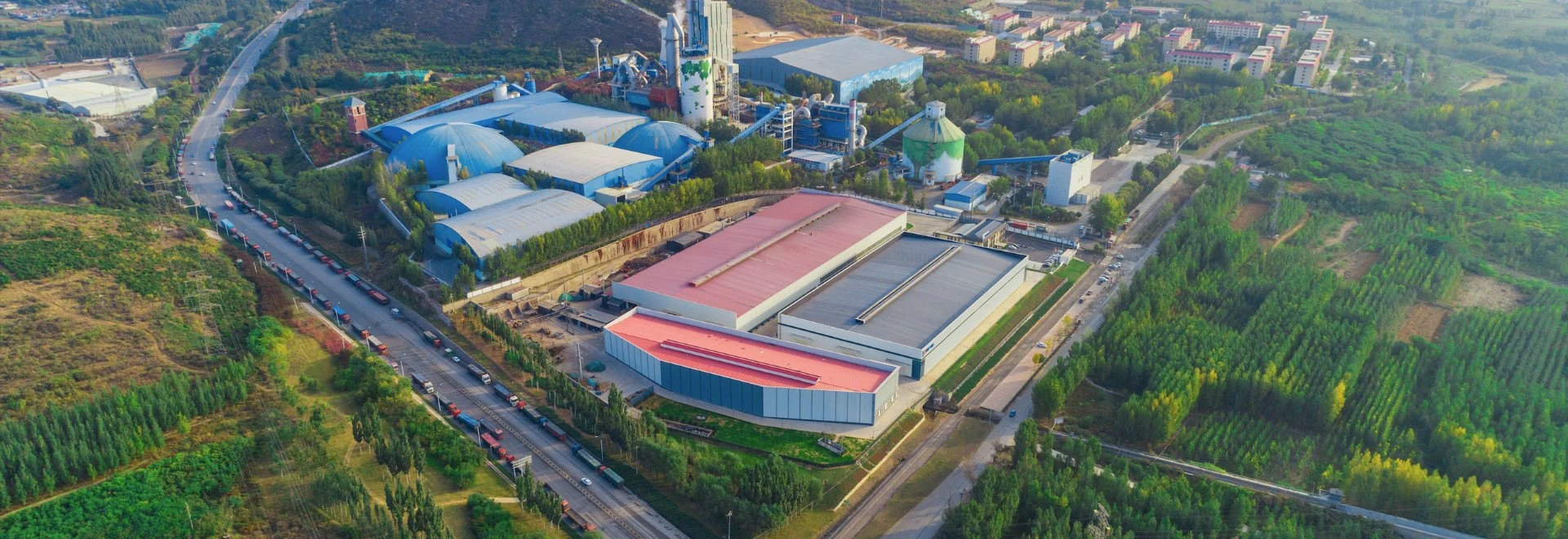
I’ve walked enough melt shops to know: the smell of heat treatment oil tells you more than any brochure. In KIZUN Industry Zone, Luquan, Sihijiazhuang city, Hebei, China, the Low Chrome Grinding Forging line has that unmistakable tempo—charge, melt, cast, quench, temper—repeat. Simple rhythm, tough metallurgy.
What’s trending (and why it matters)
Cement and mining plants are nudging from generic cast media to tuned chemistries and tighter heat-treatment windows. Honestly, the buzz isn’t about flashy alloys—it’s consistency. Users want fewer top-ups, lower kWh/t, and predictable grind. Many customers say the “low-to-medium chrome” window—around 10–28% Cr—gives them a sweet spot of wear vs. impact in finish and semi-finish mills.
Product snapshot: Low Chrome Grinding Forging
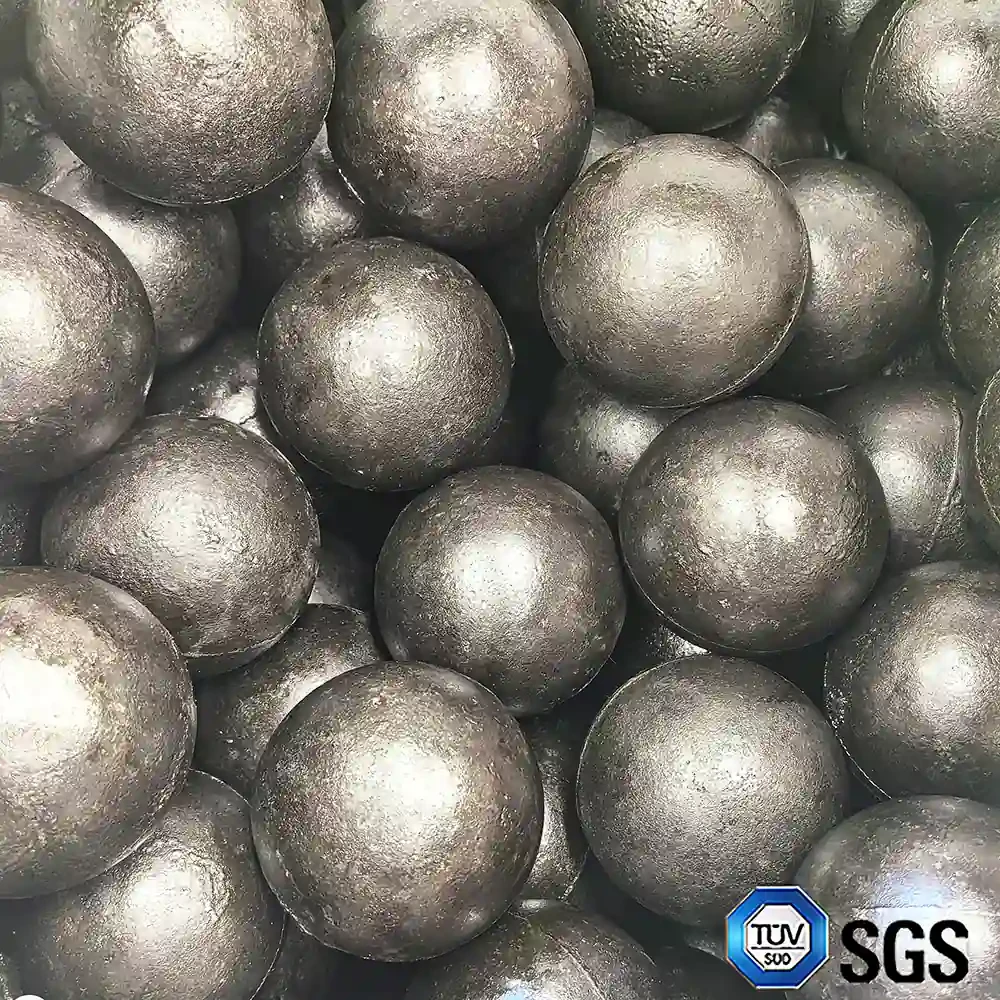
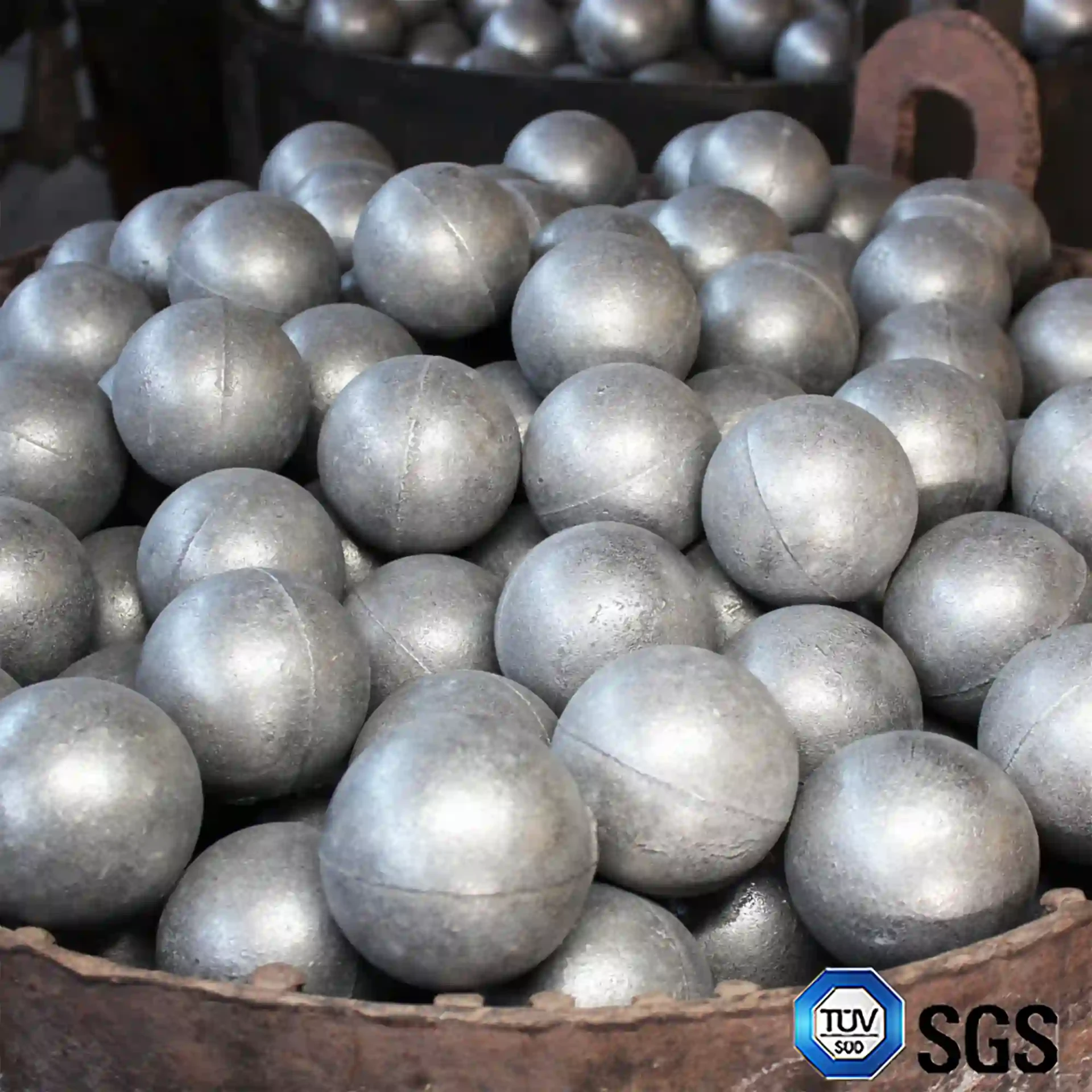
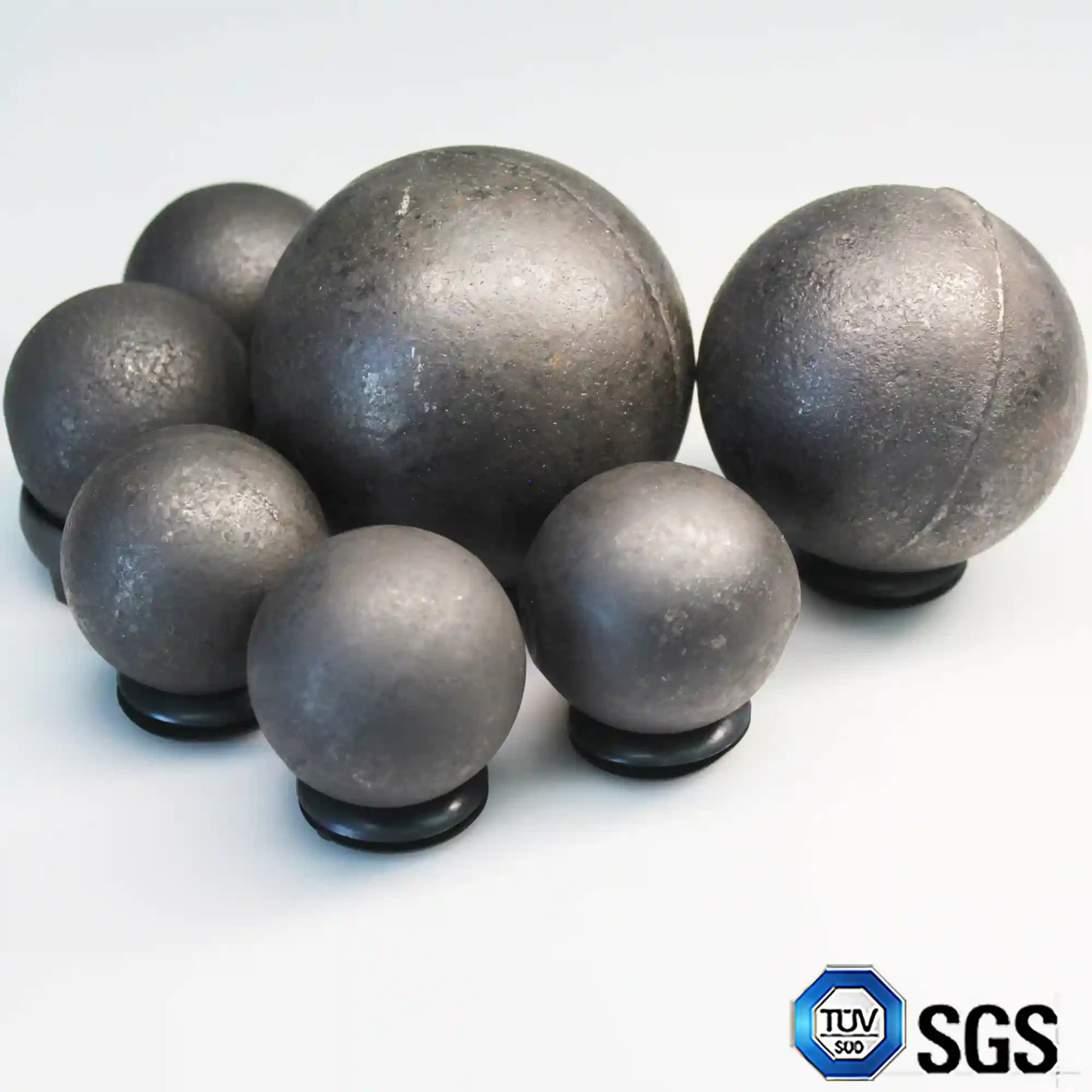
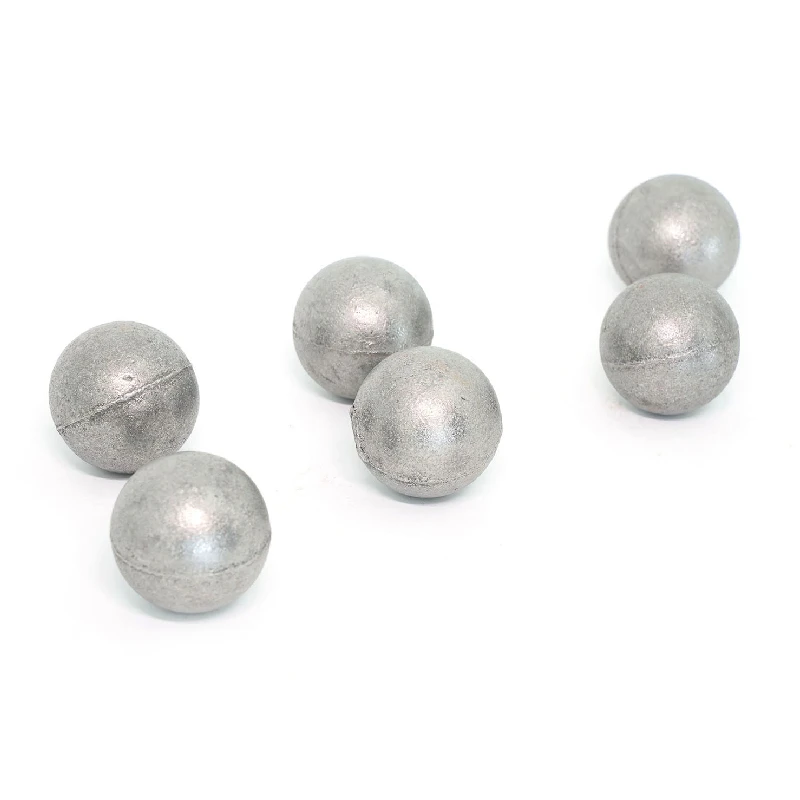
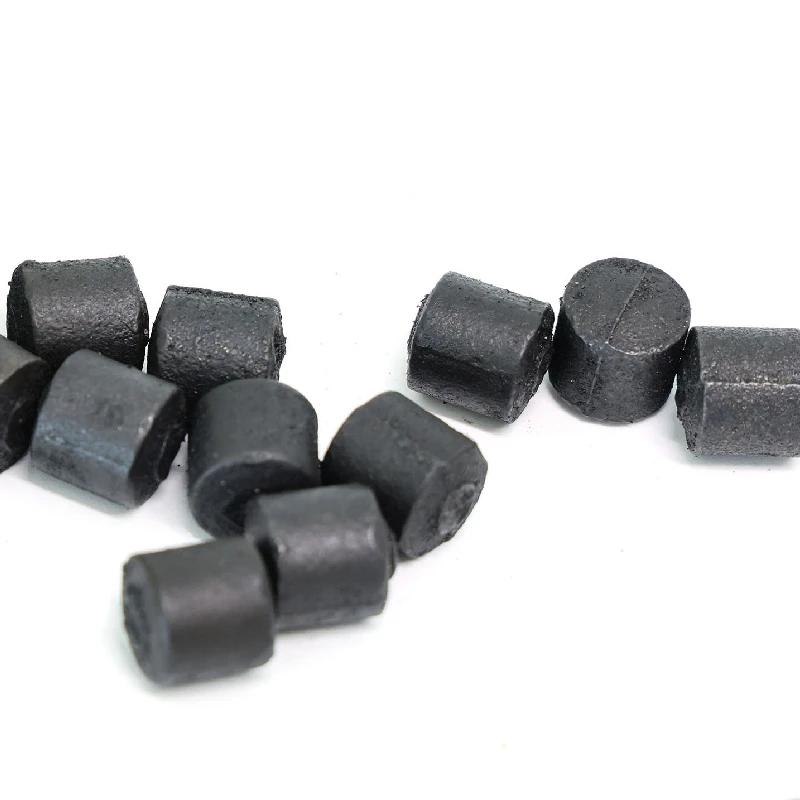
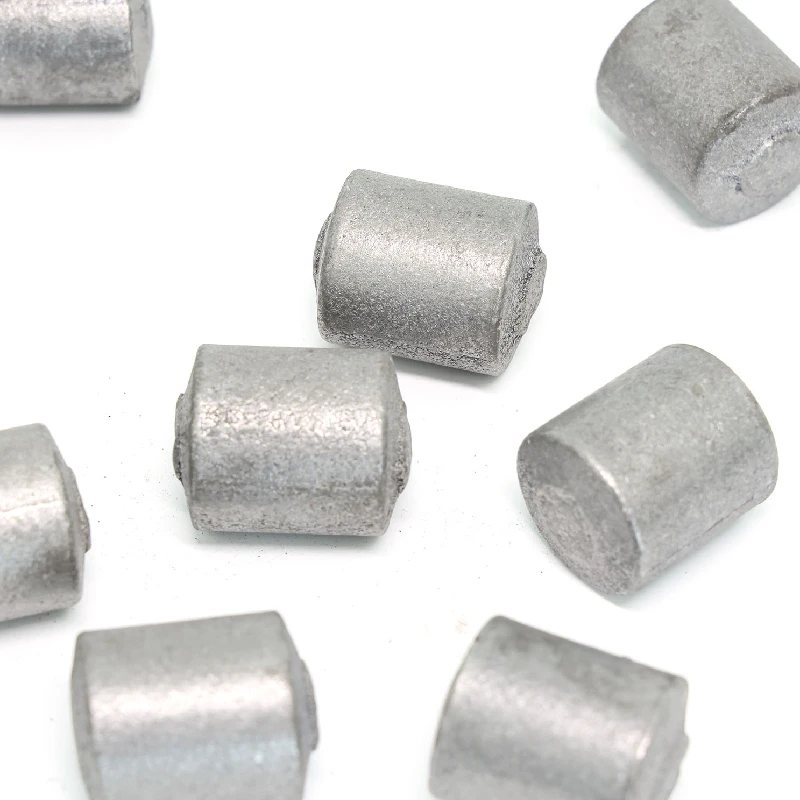
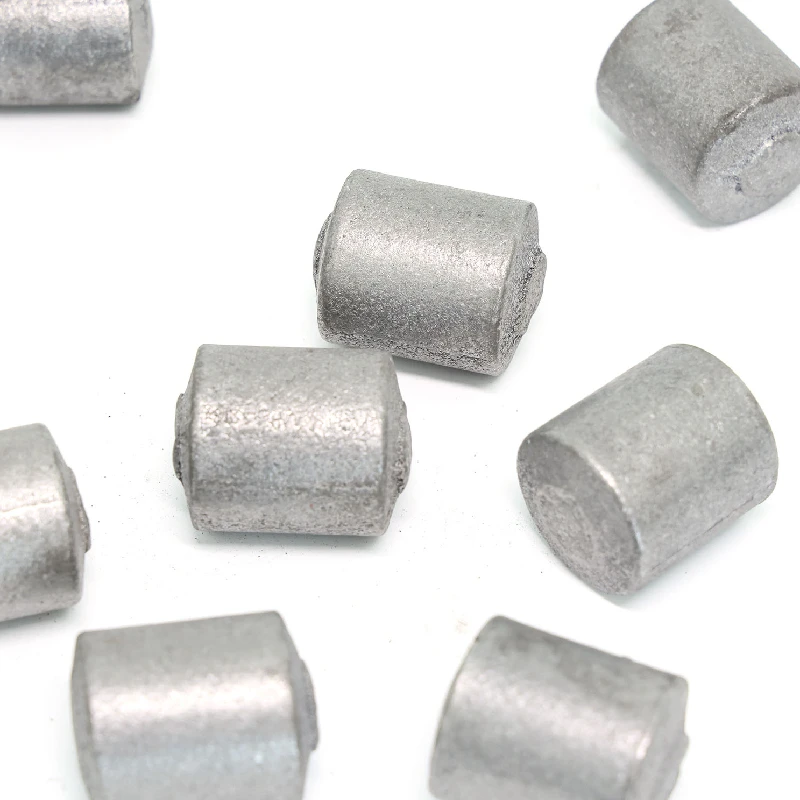
Name aside, this series is a cast cylpeb engineered to deliver forged-like toughness after proper quench/temper. Color: black, as-tempered. Sizes: 8×10 to 40×45 mm (others by request). Typical uses: cement finish mills, mining secondary grinding, chemical and refractory plants, occasionally petroleum additives prep.
| Spec/Property | Typical Range (≈, real-world use may vary) |
|---|---|
| Chrome content | 10–28% Cr (low-to-medium/high, tuned per mill duty) |
| Carbon / Moly / Nickel | C 1.8–3.0%; Mo 0.2–1.0%; Ni 0–1.0% (optional for toughness) |
| Hardness | Surface HRC 58–63; core HRC 50–56 (ISO 6508-1) |
| Breakage rate | ≤0.5% typical in cement finish mills |
| Wear rate | ≈45–75 g/t (OPC finish grind, Blaine 3200–3800) |
| Service life | 8–14 months in cement finish circuits, duty dependent |
| Sizes | 8×10–40×45 mm (custom shape/size available) |
How a Grinding Cylpebs Factory runs (process flow)
Materials: high-chrome white iron charges (returns + ferrochrome + pig), trace Mo/Ni for hardenability. Methods: medium-frequency induction melting → sand-mold casting → riser knock-off → shot-blast → controlled quench (oil/polymer) → double temper. Testing: spectrochemical analysis (heat-by-heat), Rockwell hardness per ISO 6508-1, microstructure (M7C3 carbides in martensitic matrix), drop tests, and batch wear coupons. Certifications: ISO 9001:2015; MTC per EN 10204 3.1 on request.
Applications and the real pay-off
- Cement plants: finish mills, slag grinding—steady Blaine with fewer rejects.
- Mining: secondary milling in gold/copper circuits where impact isn’t extreme.
- Chemical/refractory: uniform particle shape helps downstream mixing.
Advantages? Lower top-up frequency, tighter hardness band, and—surprisingly—less liner scuffing on some mills (operators’ words, not mine).
Vendor comparison (field-notes style)
| Vendor | Route | Cr % | Hardness spread | Lead-time | Certs |
|---|---|---|---|---|---|
| Hebei line (this product) | Cast + controlled quench/temper | 10–28 | ≈±2 HRC | 3–5 weeks | ISO 9001; 3.1 MTC |
| Regional trader A | Mixed outsourcing | 8–18 | ±4–5 HRC | 6–8 weeks | Varies |
| Offshore mill B | Cast, single temper | 20–28 | ±3–4 HRC | 4–7 weeks | ISO 9001 |
Customization and QC
Custom size/geometry (8×10–40×45 mm standard), chemistry tuning for corrosive pulps, and bespoke heat-treatment curves are on the table. Every heat gets spectrometer validation; lots ship with Rockwell maps (edge/mid/core) and micrographs if you ask. To be honest, request the drop test video—always telling.
Mini case notes
- Gujarat cement mill (Φ3.2×13 m): media swap cut specific energy ≈8% and lifted output 3–4% over 90 days, same Blaine.
- Chile gold plant (secondary grind): breakage down to 0.2% from 0.9%; liner change deferred one outage.
Testing standards and references
Hardness by ISO 6508-1; composition vs. ASTM A532 guidance for abrasion-resistant white irons; plant QA under ISO 9001. For China market comparisons, GB/T 17445 is a useful benchmark even if you’re buying cylpebs rather than balls.
Authoritative citations
- ASTM A532/A532M – Standard Specification for Abrasion-Resistant White Iron Castings.
- ISO 6508-1:2016 – Metallic materials — Rockwell hardness test — Part 1.
- ISO 9001:2015 – Quality management systems — Requirements.
- GB/T 17445-2012 – High chromium cast iron grinding balls (reference for composition/testing).
-
Industrial Guide to Ferro Manganese Medium Carbon for Steel Production
NewsApr.16,2026
-
Professional Guide and Best Practices for drilling manganese steel
NewsApr.09,2026
-
Comprehensive Guide to DIN 1.3401 Stainless Steel Properties and Applications
NewsApr.07,2026
-
Optimizing Crusher Performance with Durable Manganese Alloys and Steel
NewsApr.04,2026
-
Comprehensive Guide to Chrome Manganese Steel Properties and Industrial Applications
NewsMar.31,2026
-
Understanding the Properties and Applications of Cast Manganese Steel
NewsMar.28,2026