Oct . 26, 2025 13:35 Back to list
Grinding Cylpebs Factory | Low Wear, High Hardness
Inside the Low Chrome Grinding Forging supply chain: what buyers really ask
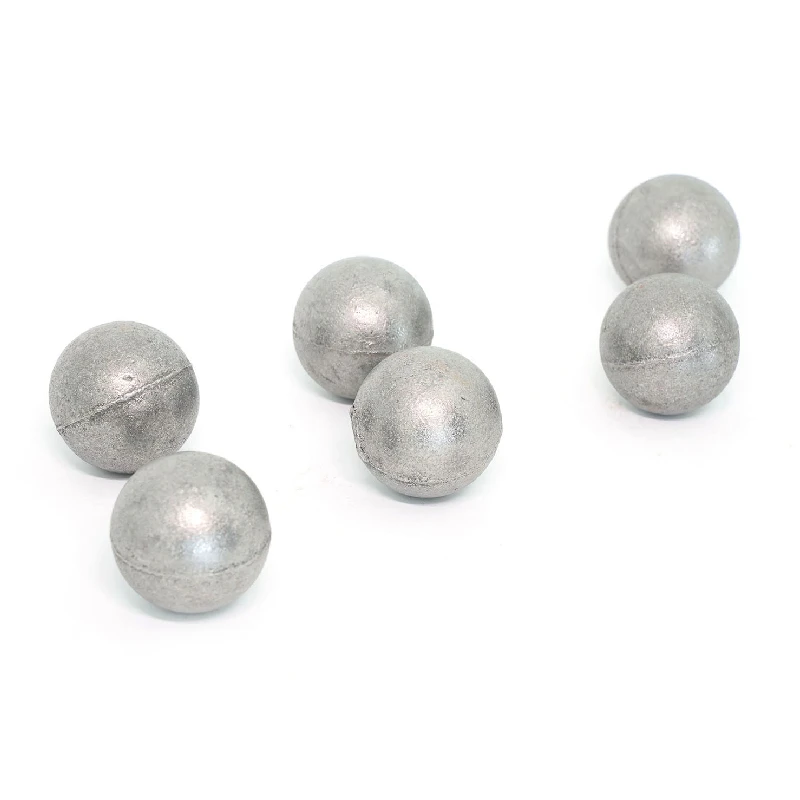
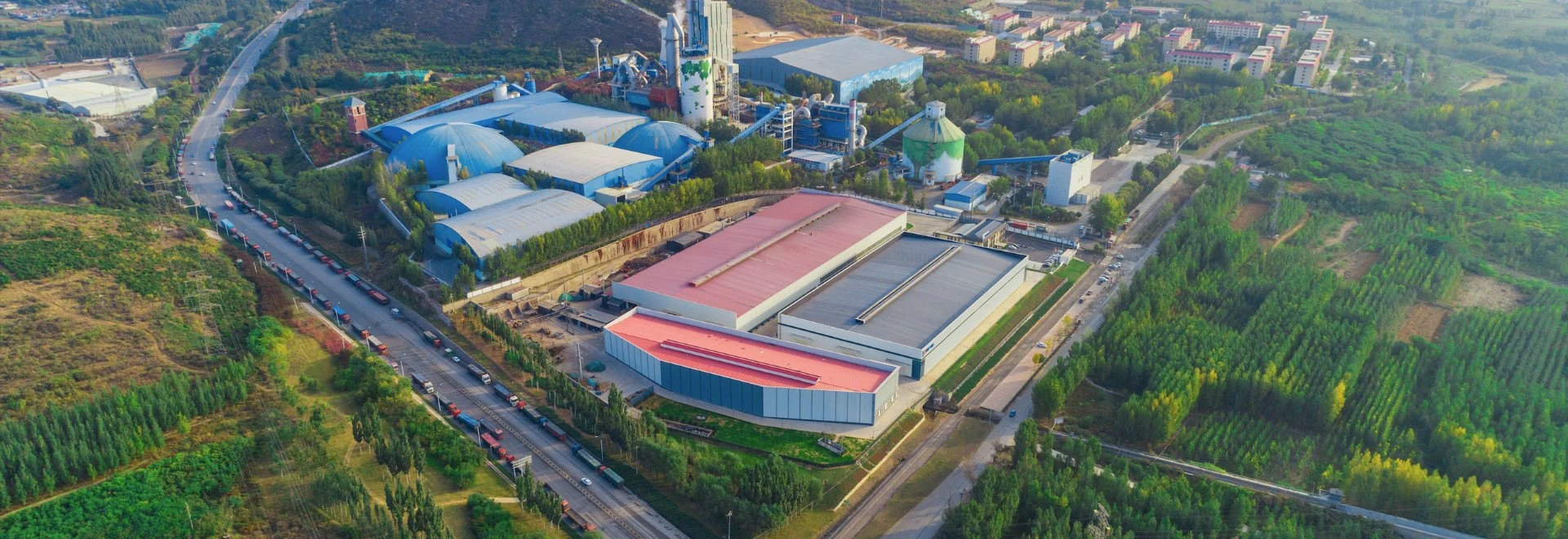
If you’ve been sourcing media for mills lately, you’ve probably noticed demand shifting toward low-chrome cast cylpebs. I visited the KIZUN Industry Zone in Luquan, Shijiazhuang, and spoke with operators at [Grinding Cylpebs Factory]. To be honest, the market mood is practical: reduce cost per ton without wrecking liners or compromising grind.
What’s trending
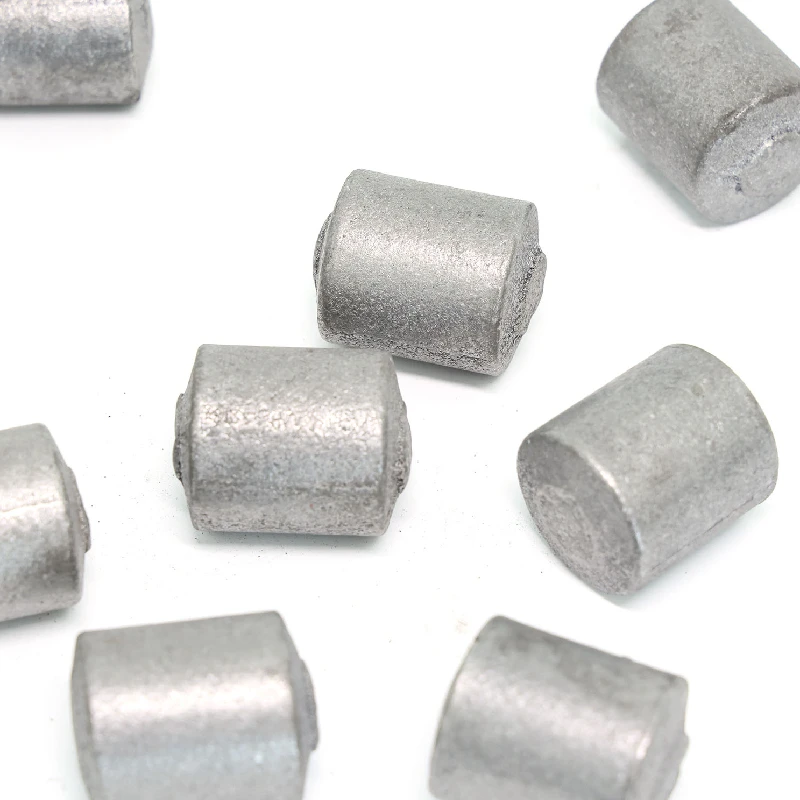
In cement and base metals, many customers say low-chrome cast media (≈10–28% Cr) hits a sweet spot: better wear than plain cast steel, kinder impact on mill internals than ultra-high chrome in coarse grind, and pricing that—actually—holds up when freight jumps. ESG reporting nudges buyers toward longer service life and traceable chemistry. The [Grinding Cylpebs Factory] teams I met keep spectrometer logs on file; it seems that traceability is now part of winning tenders.
The product, at a glance
Brand line: Low Chrome Grinding Forging (cast and heat-treated, despite the “forging” in the name)
| Item | Spec (≈ / typical) |
|---|---|
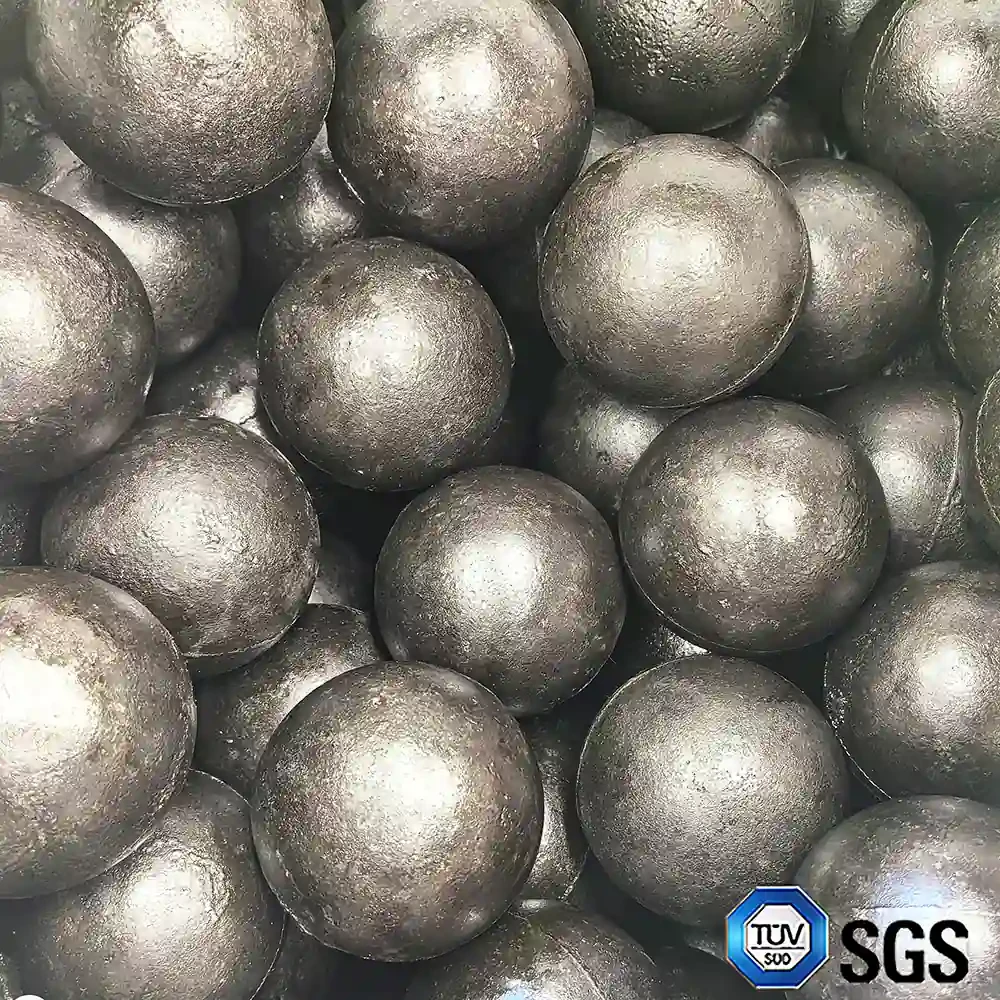
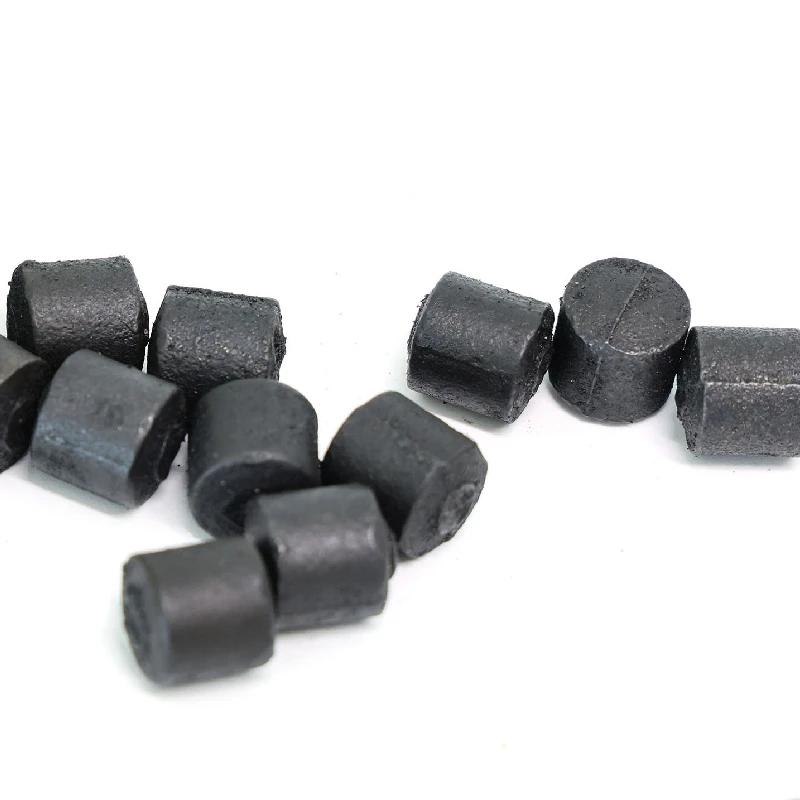
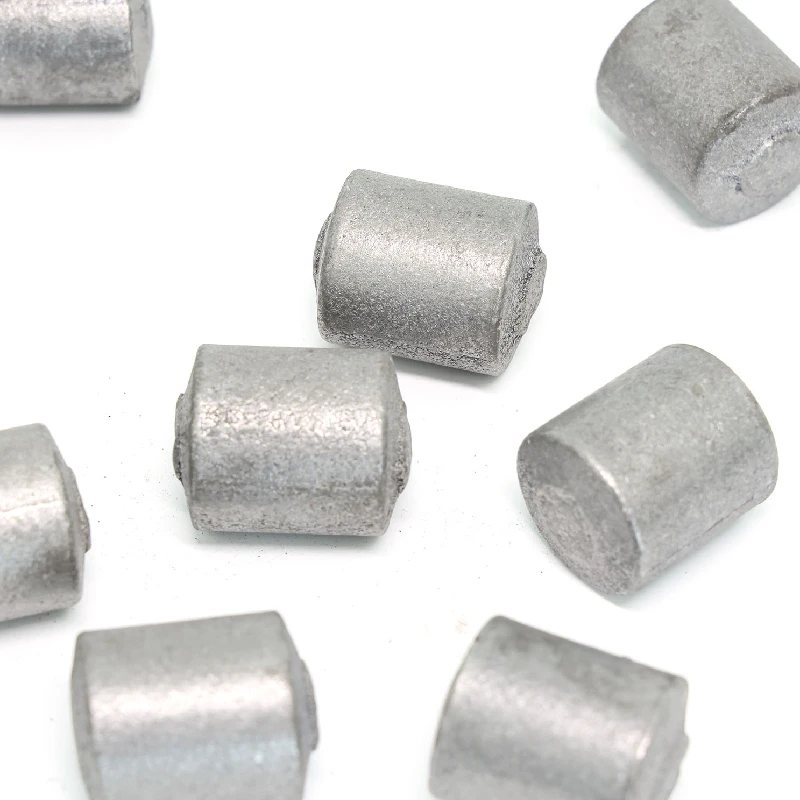
| Material / Chrome | Cast alloy iron, 10–28% Cr, controlled C and Mo (real-world use may vary) |
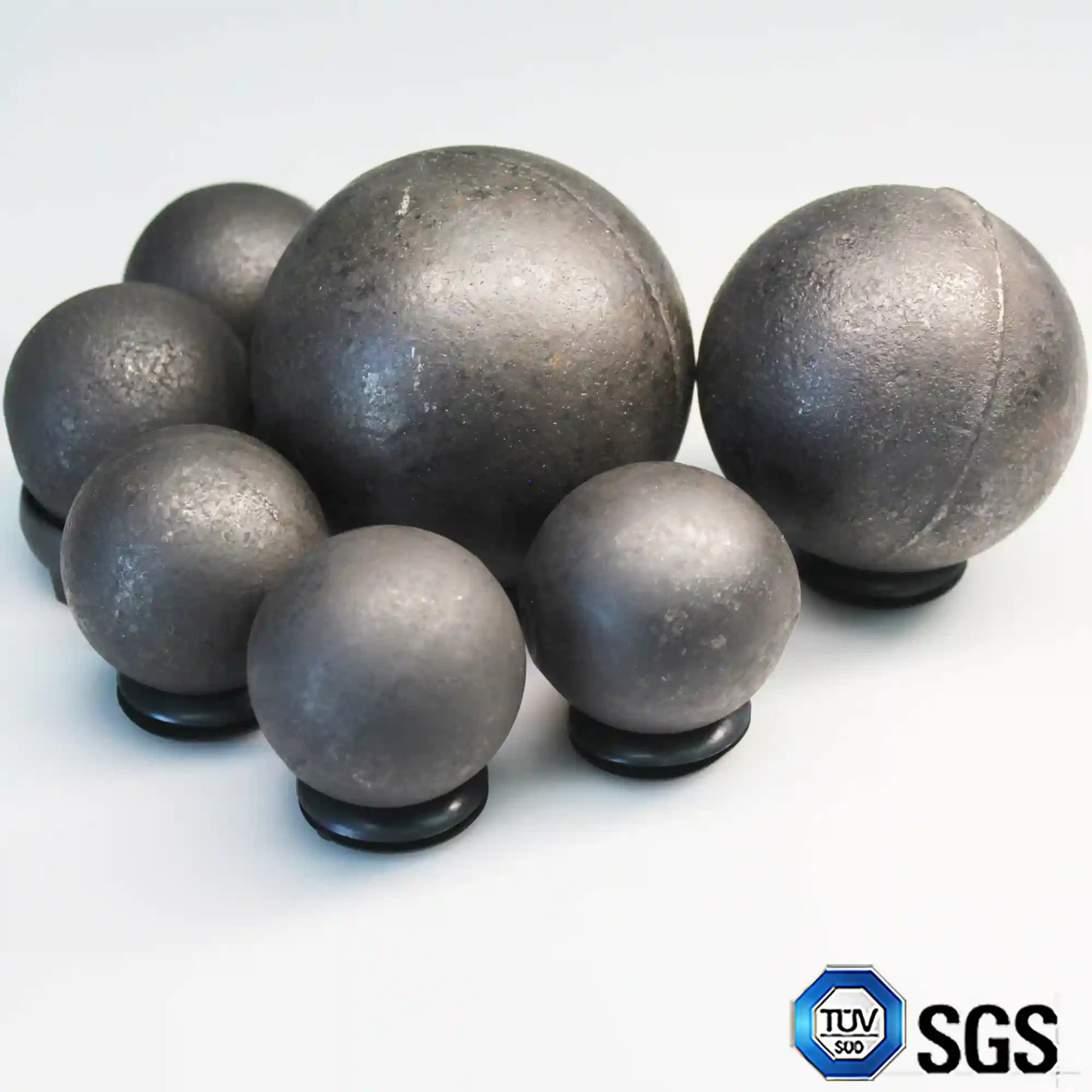
| Size range (cylpebs) | 8×10 to 40×45 mm |
| Hardness | HRC ≈ 50–60 after quench + temper (ISO 6508-1) |
| Microstructure | Tempered martensite + fine carbides; controlled retained austenite |
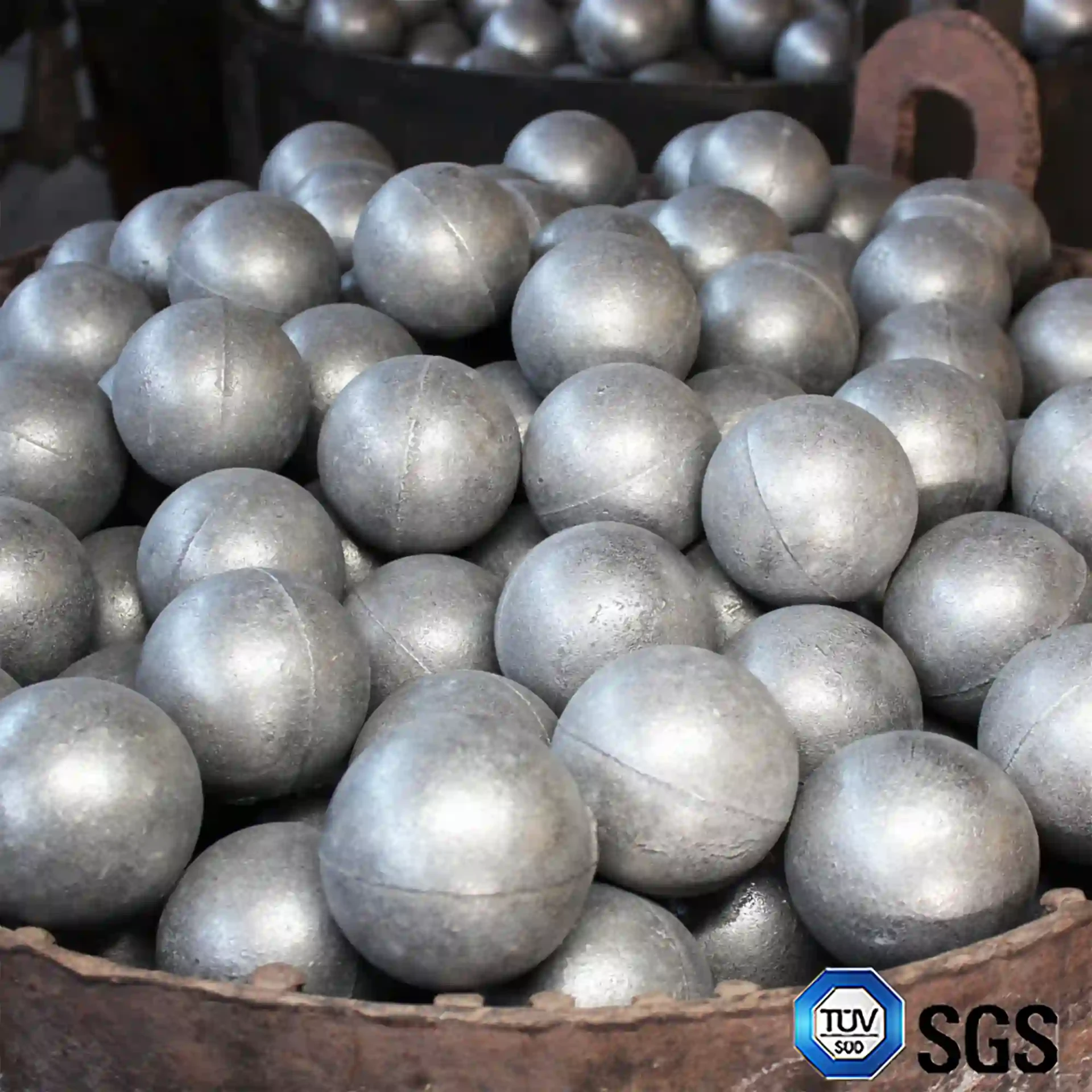
| Color / finish | Black, shot-cleaned |
Process flow, testing, and standards
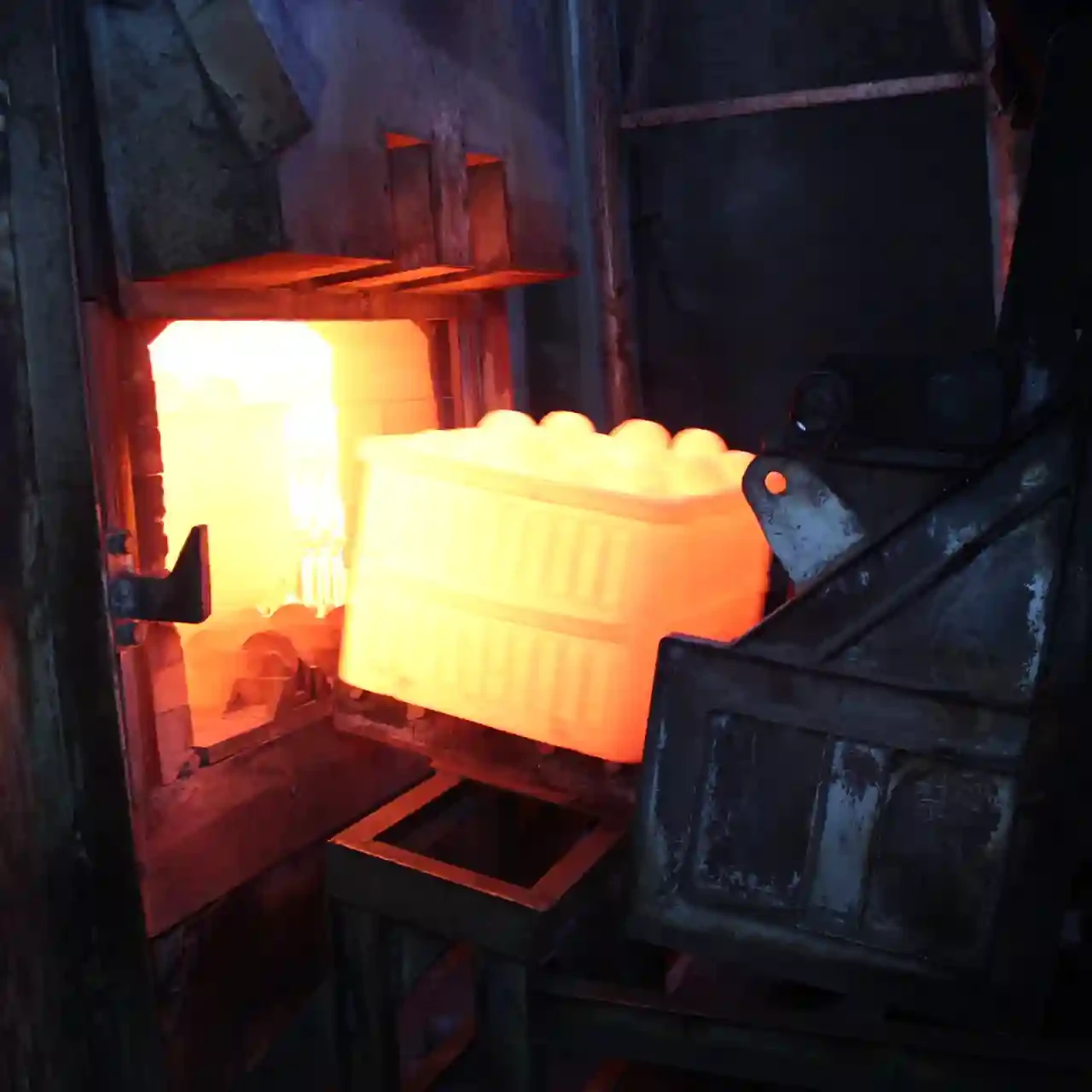
Origin: KIZUN Industry Zone, Luquan, Shijiazhuang, Hebei, China. Flow: charge selection → medium-frequency melting → precision casting → riser removal → quench → temper → sorting → packing. Chemistry is verified on an optical emission spectrometer (ASTM E415). Hardness is checked per ISO 6508-1 (Rockwell C) and sometimes cross-checked by Brinell (ASTM E10). Microstructure audits follow ASTM E112 sampling plans. A 2 m drop test (internal method referencing GOST 7524 principles) screens brittleness.
In recent lab runs, average surface hardness clocked HRC 55–57, core HRC 52–54; wear trials in a cement finish mill showed media consumption ≈ 45–65 g/t, depending on clinker grindability. Service life? I guess “it depends,” but in medium-hard ores, plants report up to 10–20% longer intervals versus plain cast steel media.
Where cylpebs excel
- Cement finish grinding: tighter PSD, fewer overgrinds.
- Base metals (Cu, Au): coarse + regrind circuits seeking stable breakage rates.
- Power and chemical milling: predictable wear, simpler inventory.
- Refractory and petroleum catalyst prep: less shape-driven segregation than balls.
Vendor snapshot and comparison
| Vendor | Origin | Chrome % | Hardness (HRC) | Certs | Notes |
|---|---|---|---|---|---|
| Chengda [Grinding Cylpebs Factory] | Hebei, China | 10–28 | ≈ 50–60 | ISO 9001; ISO 14001 | Strong batch traceability; flexible sizing |
| SEA Supplier A | SE Asia | 12–22 | ≈ 48–55 | ISO 9001 | Competitive lead times; limited top sizes |
| EU Vendor B | EU | 18–28 | ≈ 54–60 | ISO 9001/14001 | Premium pricing; strong documentation |
Customization and real-world feedback
Buyers commonly tweak chrome windows (say 12–18% for impact-prone SAG scats circuits vs. 20–28% for abrasion-heavy finish mills), adjust hardness gradients, and specify packaging (1 t jumbo bags with moisture barrier). One mining client told me their blend of 25×30 and 30×35 mm cylpebs from the [Grinding Cylpebs Factory] gave a nicer grind curve—surprisingly, energy draw barely moved.
Case brief
Cement plant, North China: swapped from mixed balls to low-chrome cylpebs (20–22% Cr, HRC 55). Over 90 days, Blaine held steady at target with ≈8% lower media make-up and a small bump in separator efficiency. Maintenance crew liked the more predictable wear pattern; liner change interval extended one shutdown—nothing dramatic, but it pays the bills.
Testing and compliance snapshot
- Chemistry: OES per ASTM E415; sampling per ISO 14284.
- Hardness: Rockwell C per ISO 6508-1; cross-check Brinell per ASTM E10.
- Microstructure: ASTM E112; retained austenite tracked by internal procedures.
- Quality system: ISO 9001:2015; environmental: ISO 14001:2015.
References
- ISO 6508-1:2016 Metallic materials—Rockwell hardness test (scales A, B, C, etc.).
- ASTM E415-17 Standard Test Method for Optical Emission Vacuum Spectrometric Analysis of Carbon and Low-Alloy Steel.
- GOST 7524-2015 Cast iron grinding media—Technical requirements and test methods.
-
Industrial Guide to Ferro Manganese Medium Carbon for Steel Production
NewsApr.16,2026
-
Professional Guide and Best Practices for drilling manganese steel
NewsApr.09,2026
-
Comprehensive Guide to DIN 1.3401 Stainless Steel Properties and Applications
NewsApr.07,2026
-
Optimizing Crusher Performance with Durable Manganese Alloys and Steel
NewsApr.04,2026
-
Comprehensive Guide to Chrome Manganese Steel Properties and Industrial Applications
NewsMar.31,2026
-
Understanding the Properties and Applications of Cast Manganese Steel
NewsMar.28,2026