Oct . 08, 2025 22:45 Back to list
Grinding Cylpebs: Boost Throughput & Cut Wear—Why Us?
Medium Chrome grinding cylpebs: hard data, shop-floor insights, and what really matters
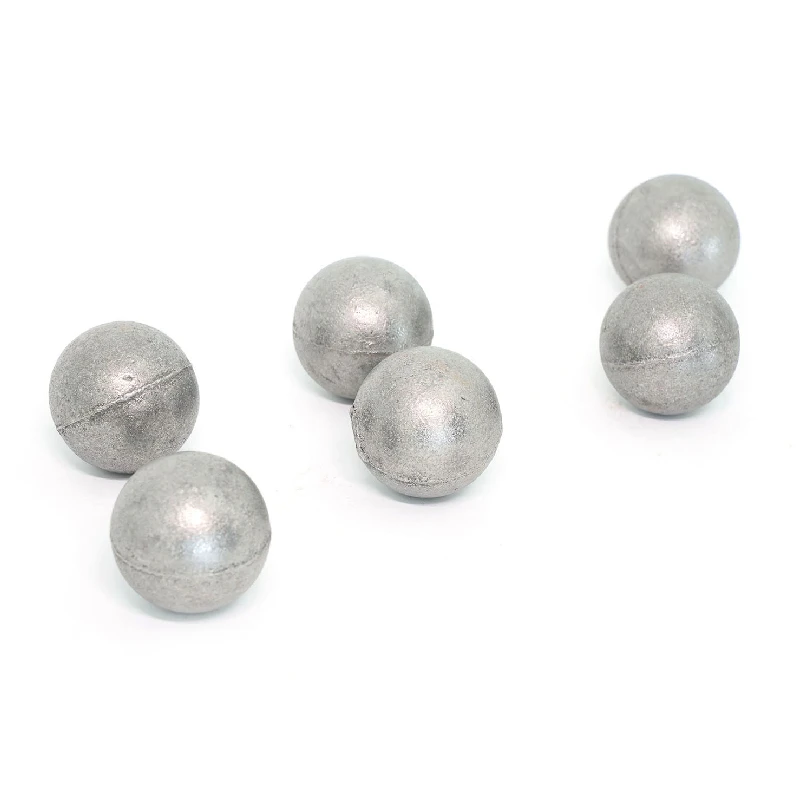
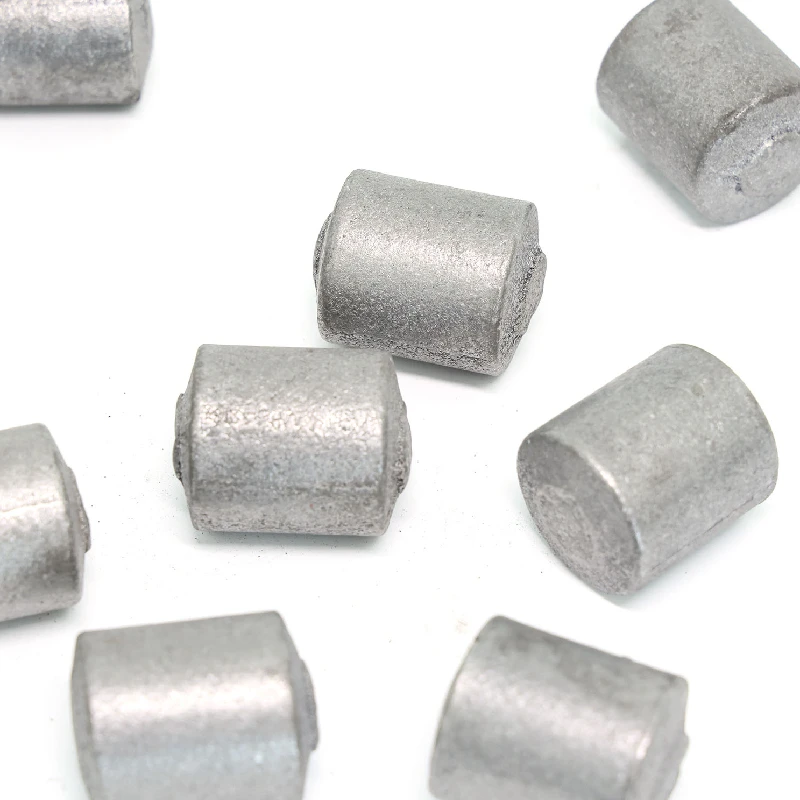
If you’ve spent time around finish mills or closed-circuit cement grinding, you already know the argument: balls versus grinding cylpebs. I’ve walked those aisles in Hebei and Gujarat and, to be honest, the answer is “it depends.” For finer grind targets and stable classifiers, well-made medium chrome grinding cylpebs can deliver tighter size distributions and steadier hourly tonnage.
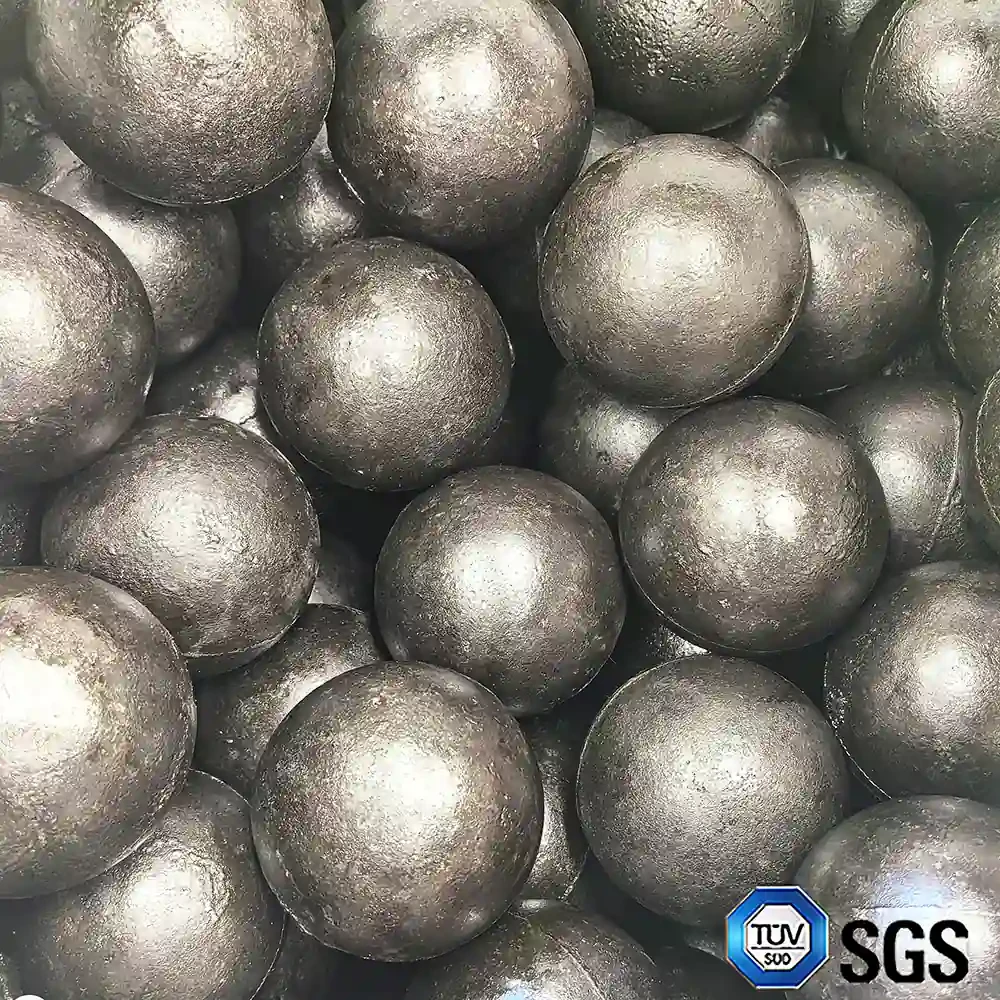
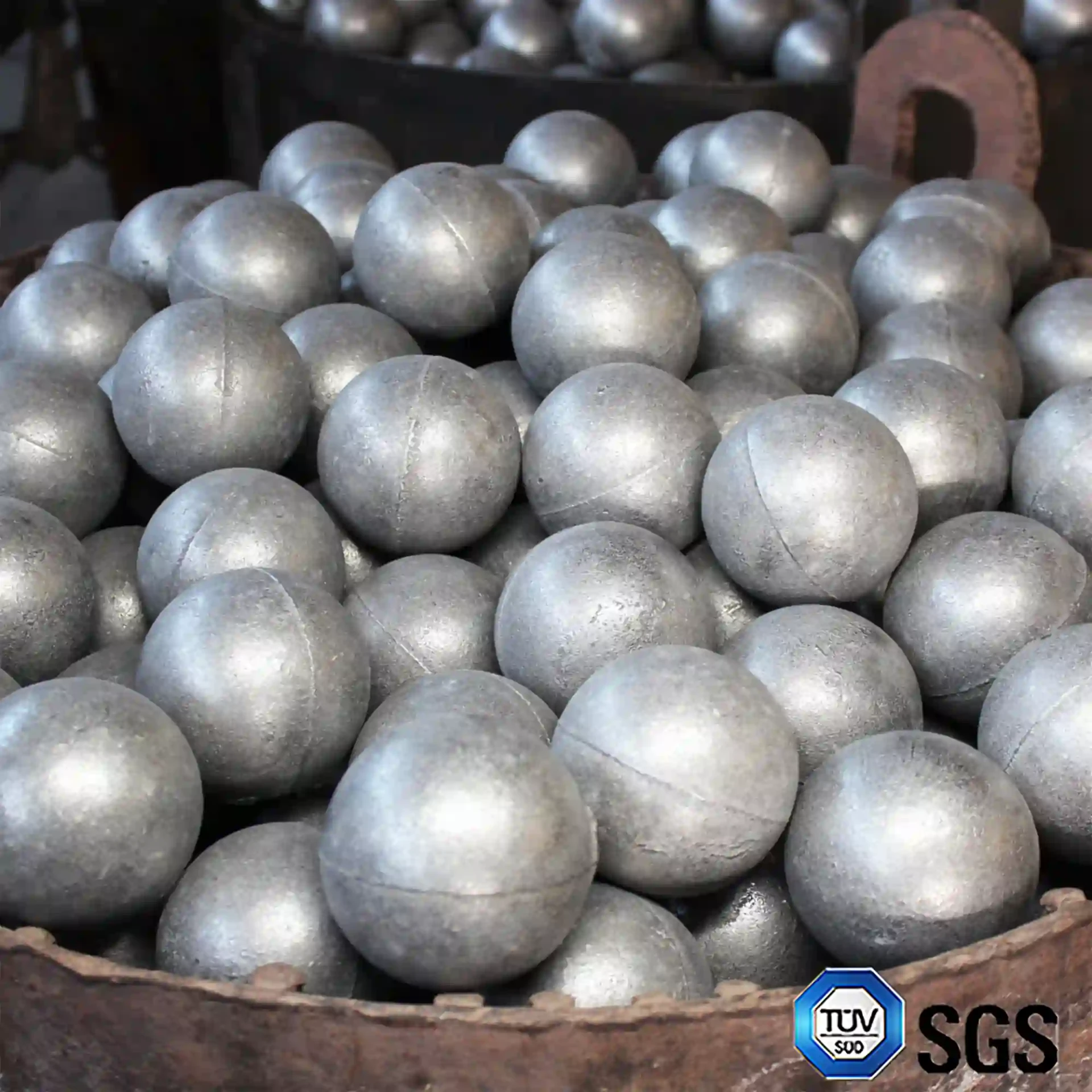
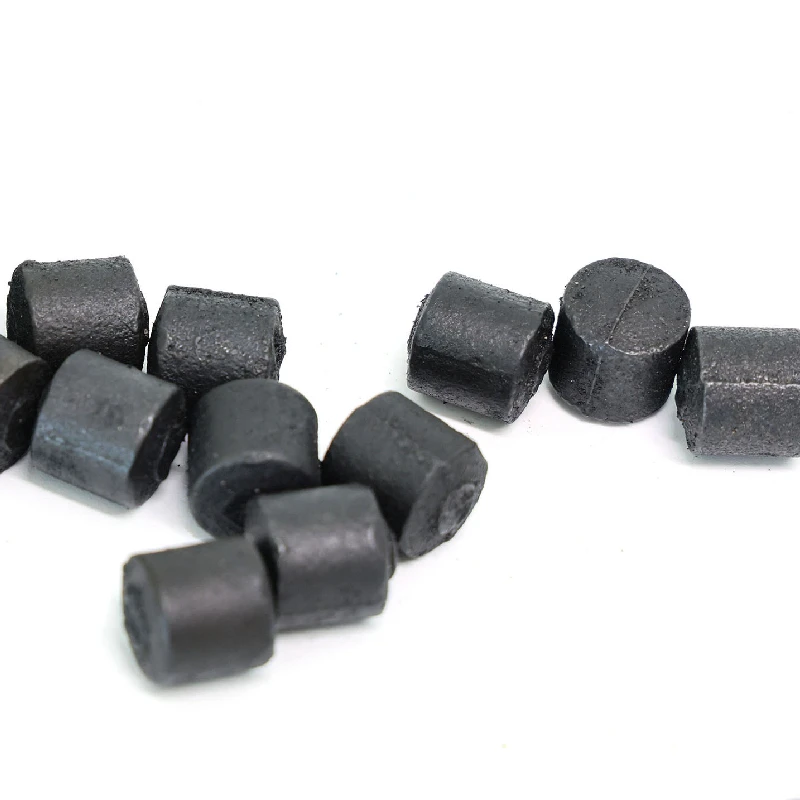
Here’s the model many buyers are asking about this year: “Medium chrome forging” from the KIZUN Industry Zone, Luquan, Shijiazhuang, Hebei, China. The name says “forging,” but the production route is actually precision casting plus inline heat treatment (a legacy naming thing you’ll see across the market). Chrome content sits between 10% and 28%, with black-as-cast finish after quench and temper. Surprisingly versatile across cement, mining mills, chemical and refractory plants.

Product specs at a glance
| Alloy category | Medium- to high-chrome white iron (Cr ≈10–28%) |
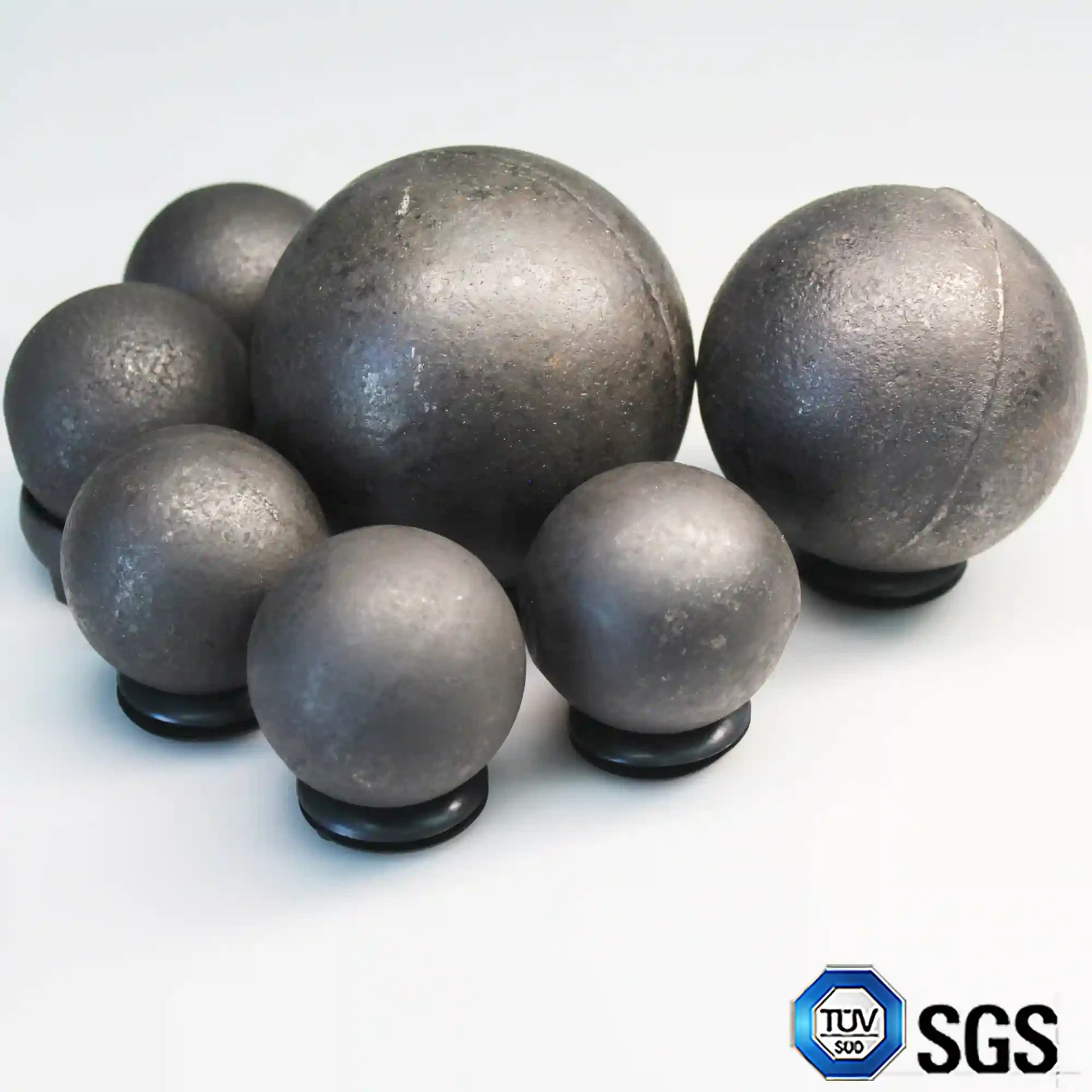
| Size range | 8×10 to 40×45 mm (custom on request) |
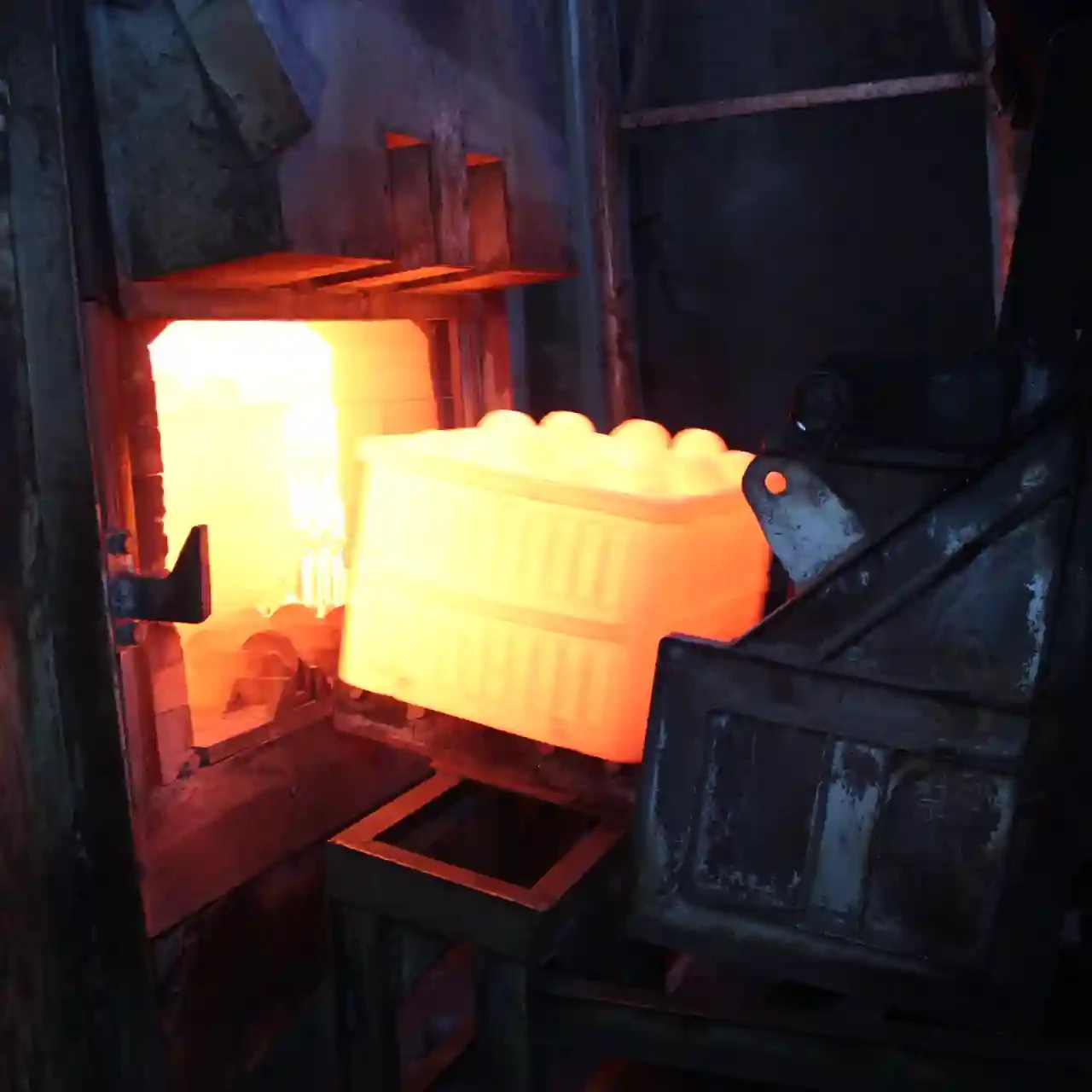
| Processing type | Casting + controlled quench & temper |
| Nominal hardness | HRC ≈ 56–64 (real‑world use may vary by size/Cr) |
| Density | ≈7.6–7.8 g/cm³ |
| Color/finish | Black, as-quenched |
| Industries | Cement, mining mill, chemical, petroleum, refractory, construction machinery |
Process flow and QA (the stuff buyers should ask about)
- Materials: Fe–C–Cr alloy, typically with M7C3 carbides in martensitic matrix for abrasion resistance.
- Molding: high-integrity sand casting with riser design to limit porosity; size control ±1.5 mm around 25×30 mm.
- Heat treatment: austenitize, oil/air quench, temper to stabilize hardness and reduce retained austenite (that’s crucial for mill uptime).
- Testing: Rockwell hardness per ISO 6508‑1; section hardness mapping (core vs. surface); drop test 3–6 m; metallography for carbide continuity.
- Service life: field data suggests 1.3–1.8× vs. low‑Cr media in finish grinding; wear rate ≈40–70 g/t cement in well-tuned circuits.
Where grinding cylpebs make most sense
- Cement finish mills chasing Blaine 320–380 m²/kg. Many customers say they get tighter PSD and a calmer separator load. - Regrind circuits in base metals where slim media helps maintain high contact points. - When you want less “point loading” variability than balls. Not magic, just geometry.
Customization options
Sizes from 8×10 up to 40×45 mm; chrome tuning (≈10–16% for cost/performance, or ≈20–28% for aggressive clinker or quartzose feeds); branding/ton-bag packaging; spectro certs per heat; and lot-traceable hardness charts. Origin: KIZUN Industry Zone, Luquan, Shijiazhuang city, Hebei.
Vendor snapshot (what I compare on shortlists)
| Vendor | Chrome range | Heat treatment control | Certs | Lead time | Notes |
|---|---|---|---|---|---|
| Chengda (Hebei) | ≈10–28% | Inline quench + temper; HRC uniformity ±2 | ISO 9001 | 20–30 days | Solid balance of cost and wear |
| Global Brand A | ≈12–25% | Automated furnace; detailed batch charts | ISO 9001/14001 | 30–45 days | Premium pricing |
| Regional Maker B | ≈8–18% | Batch quench; variable uniformity | ISO 9001 (partial) | 15–25 days | Budget tier; check porosity |
Field results (two quick cases)
- Cement, Southeast Asia: switch from 25 mm balls to 25×30 mm grinding cylpebs lifted output ≈7% and trimmed residue +45 μm by 1.2 pts, wear rate down from 82 to 61 g/t. Operators liked the more stable amp draw.
- Gold regrind, Andes: 20×25 mm grinding cylpebs with ≈20% Cr cut media consumption 22% over 90 days; specific energy dropped ≈3% at same P80. Not dramatic, but meaningful.
Buying checklist
Ask for: millimeter-by-millimeter size distribution, ISO 6508 hardness map (surface/core), microstructure photo (carbide continuity), and chemistry certs. Also, confirm compliance with ASTM A532 or GB/T 17445 where applicable. I guess the simple rule is: if a vendor hesitates to share curves and photos, keep walking.
References
- ASTM A532/A532M – Standard Specification for Abrasion-Resistant Cast Irons.
- GB/T 17445 – High Chromium Cast Iron Grinding Media (China National Standard).
- ISO 6508-1:2015 – Metallic materials — Rockwell hardness test.
- ISO 9001:2015 – Quality management systems — Requirements.
-
Alloy liner FAQ: grades, hardness, applications, and ordering details
NewsNov.02,2026
-
Low Chrome Grinding Media FAQ: Specifications, Ordering and Support Questions
NewsOct.30,2026
-
High Chrome Grinding Ball Price vs Medium Chrome: Choosing Grinding Balls by Application Fit
NewsOct.22,2026
-
Optimize Industrial Milling with High Quality мелющие тела
NewsJul.01,2026
-
High Performance шлифовальные шары для добычи полезных ископаемых
NewsJun.29,2026
-
Industrial Efficiency Guide for выбор размера мелющих шаров
NewsJun.27,2026