



Regional Analysis
Grinding Media Market in Egypt
Understanding the demand and operational environment of the Egyptian industrial landscape.
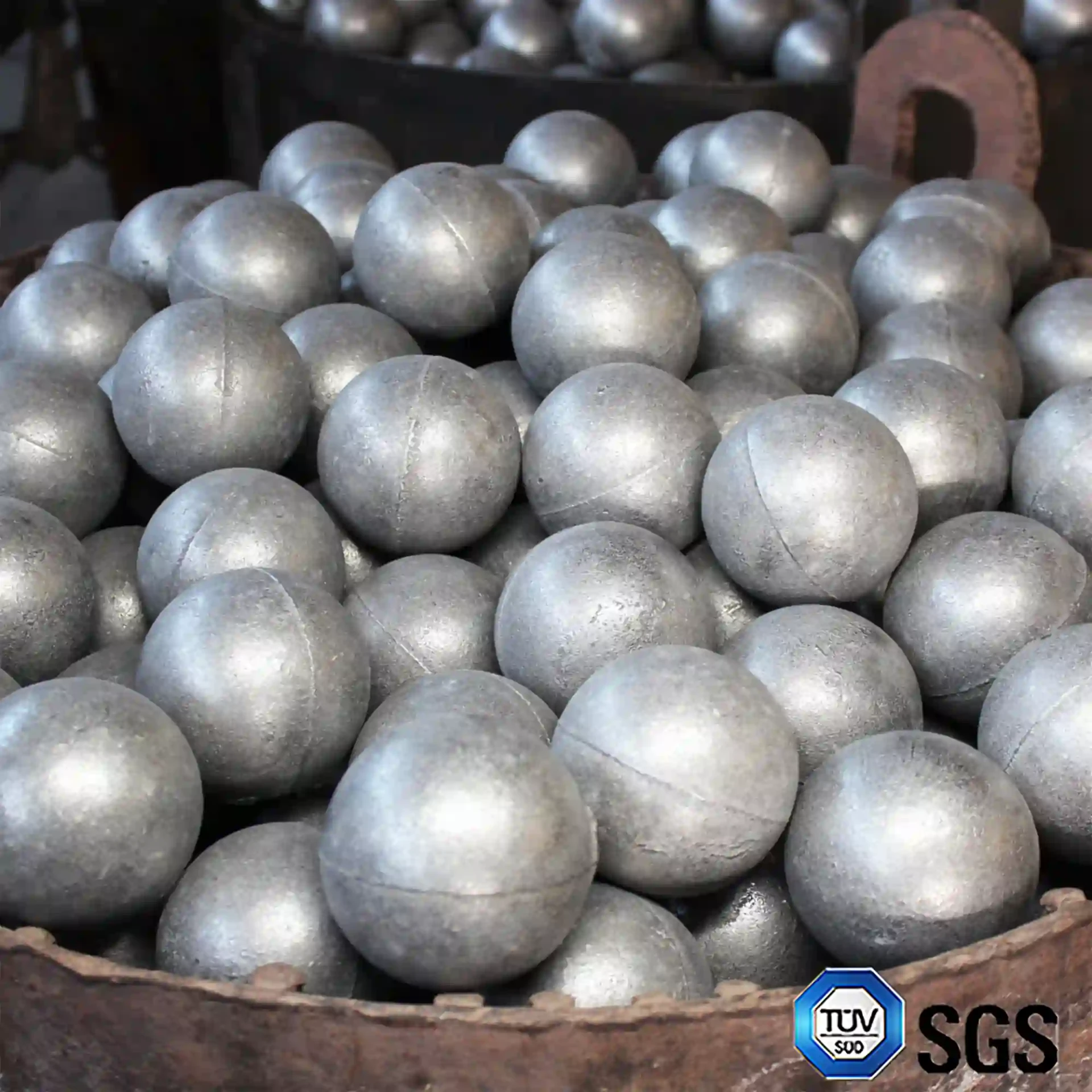
Egypt possesses a robust mining and cement infrastructure, centered around extensive phosphate, gold, and limestone deposits. The Egyptian market requires high-durability cast grinding balls that can withstand the harsh, abrasive nature of local ores. The operational environment is characterized by a need for high-volume throughput to support the national construction and export sectors, placing significant stress on ball mill components and demanding media with exceptional impact resistance.
Current market trends in Egypt indicate a shift toward energy efficiency and "green" mining. Operators are increasingly moving away from traditional forged steel balls toward high chromium alloy options. This transition is driven by the need to reduce the carbon footprint by lowering power consumption per ton of material processed. There is also a growing emphasis on precision-engineered media that can improve the recovery rates of precious metals and the quality of cement clinker.
Despite the demand, Egypt faces constraints related to the availability of high-spec alloy casting locally. This creates a strategic opportunity for specialized solution providers who can deliver tailor-made grinding media. The outlook for the region remains positive, with ongoing expansions in quarrying operations and a modernization of old cement plants, all of which require the latest in wear-resistant technology to minimize downtime and optimize metal recovery.
Industry Progress
The Evolution of Grinding Technology
Tracing the transition from basic crushing to high-precision wear-resistant milling.
Early Phase
Forged Steel Era
Mills relied on basic forged steel balls. While tough, they suffered from rapid surface wear and high consumption rates in abrasive Egyptian environments.
Adoption Phase
Alloy Casting Integration
The introduction of high chromium alloys allowed for significantly higher surface hardness, reducing media consumption and increasing mill availability.
Modern Phase
Tailored Metallurgy
Current standards focus on application-specific chrome ranges and hardness, optimizing energy use and recovery rates for specific ore types.
Precision Metallurgy
Modern grinding media are no longer "one size fits all." The industry has moved toward exact alloying based on the specific Mohs hardness of the feed material to maximize the wear-to-cost ratio.
Energy-Centric Design
The focus has shifted toward improving the "grinding efficiency index," where the goal is to maximize the surface area of the powder produced per kilowatt-hour of electricity consumed.
Digital Wear Monitoring
Integration of sensors to monitor ball charge levels in real-time is reducing the need for manual inspections and preventing mill liner damage caused by under-filling.
Future Outlook
Trends Shaping Grinding Media
Technological shifts that are redefining productivity in the global and Egyptian milling sectors.
Carbon Footprint Reduction
Industry players are prioritizing media that reduce the overall energy required for grinding, directly lowering the CO2 emissions associated with mineral processing.
Advanced Corrosion Resistance
The development of ultra-high chrome media is solving the problem of media loss due to chemical reactions in acidic or alkaline slurry environments.
Optimized Media Gradation
Moving toward complex, multi-modal ball size distributions to maximize the number of contact points, significantly speeding up the grinding process.
Automation in Charging
Automated ball charging systems are becoming standard, ensuring the mill always operates at the optimal charge level to prevent liner wear.
The shift toward high-chromium alloys is not merely a matter of hardness but of structural integrity. By controlling the carbide distribution within the metal matrix, manufacturers can create ball mill grinding media that resists both abrasive wear and impact spalling. This dual-resistance is critical for the Egyptian mining sector, where feed materials vary significantly in hardness, requiring media that can handle both soft clay and hard quartz veins.
Furthermore, the integration of sustainability metrics is redefining the procurement process. Operators are now evaluating grinding media based on their "life-cycle cost" rather than initial purchase price. This means valuing a ball that costs more per kg but lasts three times longer and reduces electricity consumption by 5%. This holistic approach is driving the adoption of premium cast media across the Middle East and North Africa.
Practical Application
Deployment Scenarios in Egypt
How our grinding media performs in real-world industrial conditions across different Egyptian sectors.
01
Primary Crushing in Gold Mines (Eastern Desert)
In the hard rock environments of the Eastern Desert, mills face extreme impact loads. By deploying large balls (100mm-140mm) with 10%-28% chrome and 57-66 HRc, operators can crush tough ore without the media shattering, ensuring a continuous feed to the subsequent grinding stages.
02
Secondary Attrition in Phosphate Processing
Phosphate plants require fine granulation for chemical efficiency. Using small diameter balls (15mm-60mm) with high hardness (60-69 HRc), these plants achieve a higher surface area of contact, significantly improving the fineness of the phosphate powder and reducing the mill energy cost.
03
Clinker Grinding in Cement Plants (Suez Region)
Cement production involves grinding abrasive clinker. High chromium balls provide the necessary abrasion resistance to maintain a consistent ball size distribution, preventing the "over-grinding" of material and ensuring the final cement quality meets international standards.
04
Wet Grinding for Mineral Flotation
In wet milling circuits where corrosion is a risk, our high-chrome media prevents the oxidation that typically plagues carbon steel balls. This maintains the effective weight of the charge, ensuring that the flotation process receives a perfectly graded feed for maximum metal recovery.
05
Limestone Milling for Construction Materials
For high-volume limestone processing, the priority is minimizing the "cost per ton." By optimizing the chrome content (1%-15%) to match the softness of the limestone, operators avoid over-specifying the media while still achieving a significant reduction in wear rates compared to standard balls.
Industry Perspectives
Representative Deployment Results
Illustrative outcomes based on typical operator experiences with high-chromium grinding media.
Transitioning to high chromium balls in the primary mill reduced our monthly media consumption by a significant margin. The balls maintained their spherical shape longer, which improved the overall throughput and reduced the frequency of liner inspections.
The impact of using precision-graded media in our second chamber was immediate. We observed a more consistent product fineness, which directly led to higher recovery rates during the flotation process and a lower energy cost per ton.
Switching to wear-resistant high chrome balls solved our chronic issue with media breakage in the first chamber. The improved toughness reduced the amount of debris in the mill, extending the life of our liners and reducing unplanned downtime.
Our Heritage
About Shijiazhuang Chengda
Over two decades of excellence in wear-resistant material engineering.
2007
Company Incorporation
Shijiazhuang Chengda Wear-resistant Materials Co., LTD was formally incorporated by Mr. Zhao Wenliang, establishing a foundation for professional wear-resistant material production.
2010
Industrial Expansion
The business expanded its operations and moved to the Huangbizhuang Town Industrial zone to increase production capacity and enhance technical capabilities.
2013
Technical Breakthroughs
Obtained key processing technologies for Ultra High Chromium Grinding Balls and high wear-resistance casting iron grinding balls, setting a new benchmark for quality.
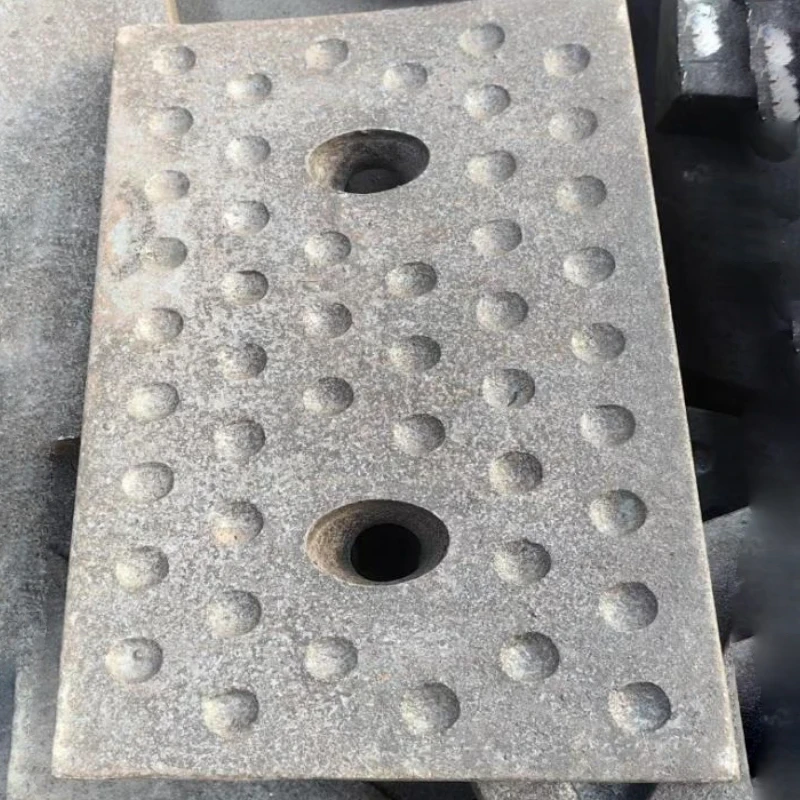
High manganese steel lining plate | grate plate
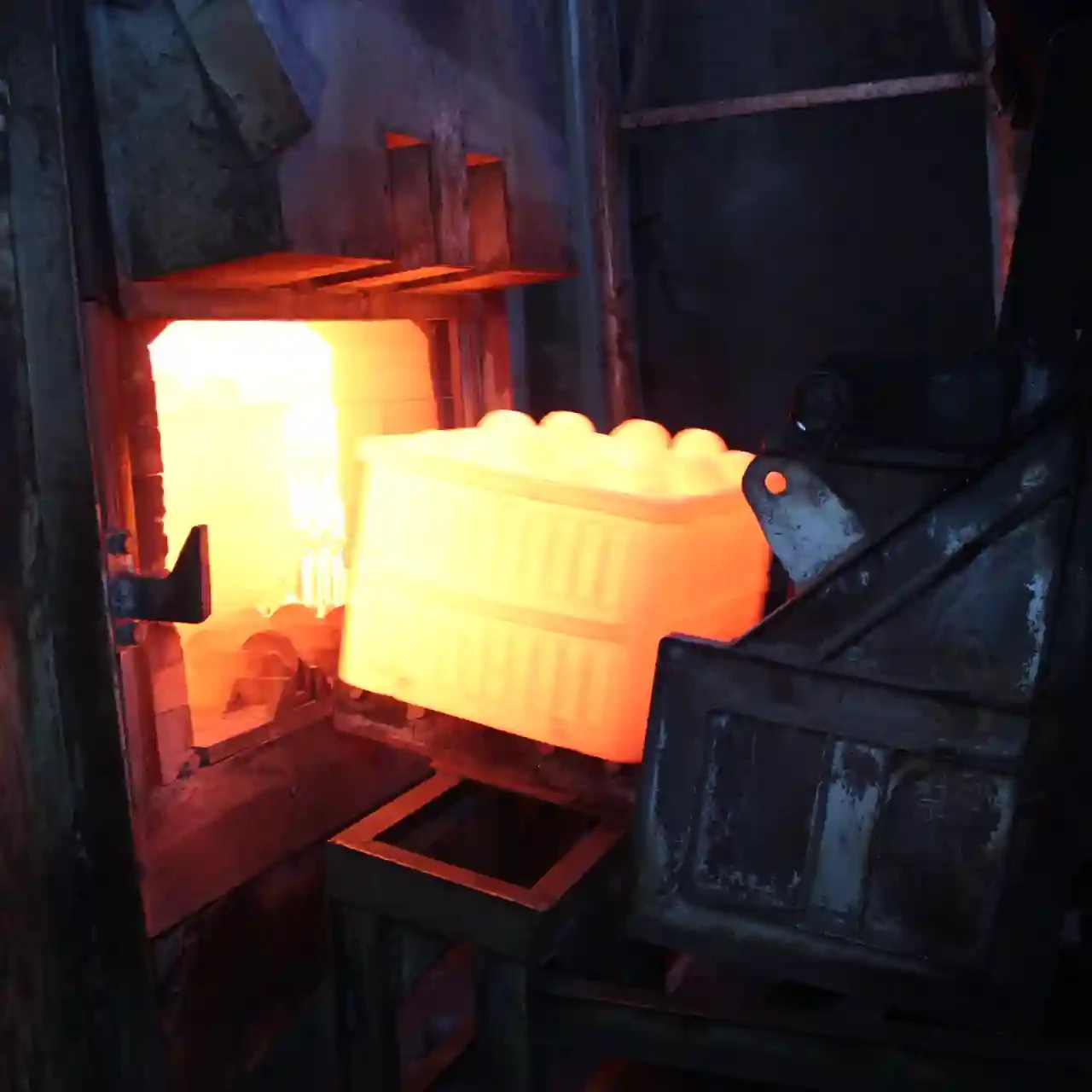
Mine Special High Chromium Alloy Cast Iron Grinding Ball
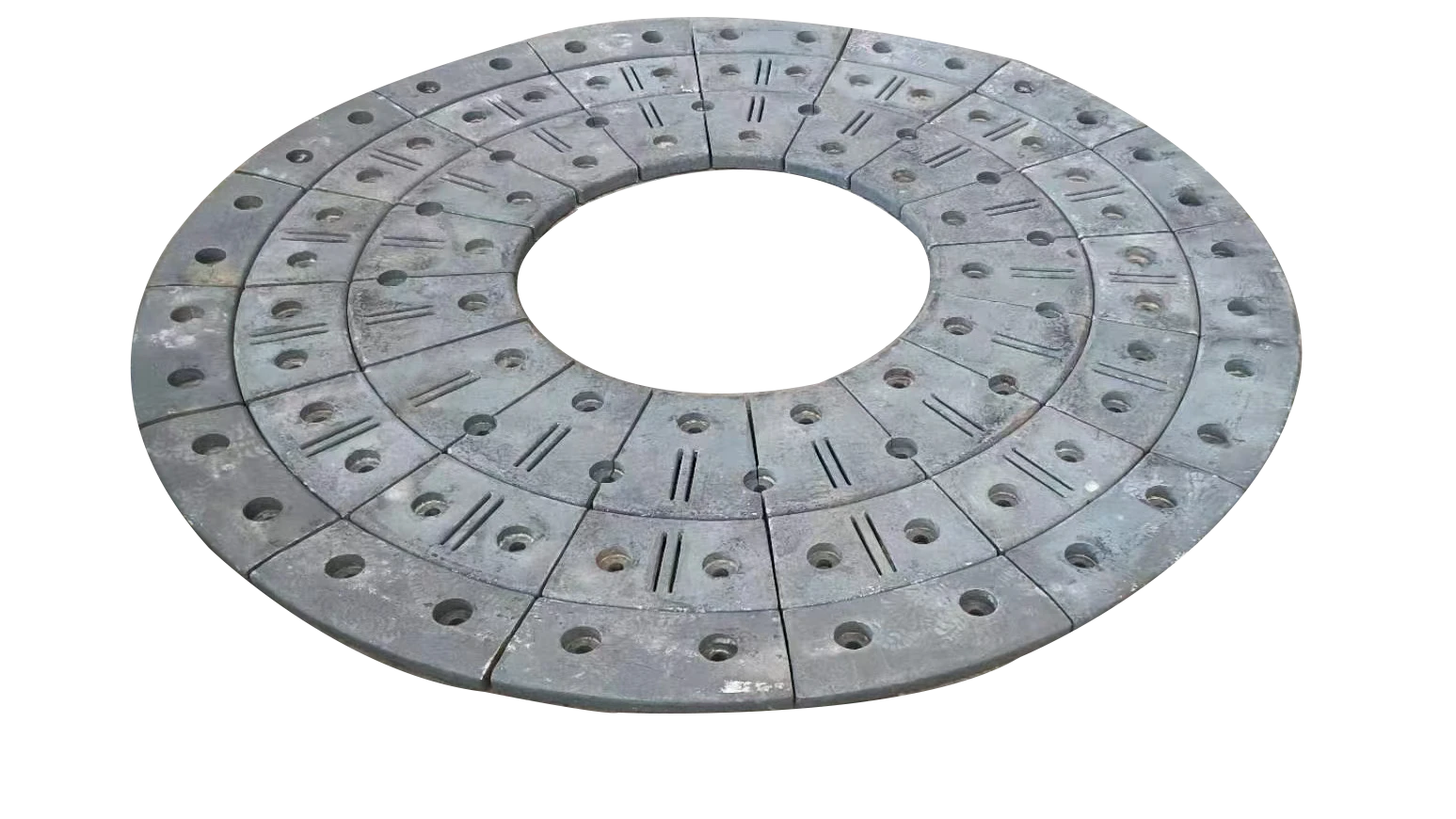
High chromium alloy liner
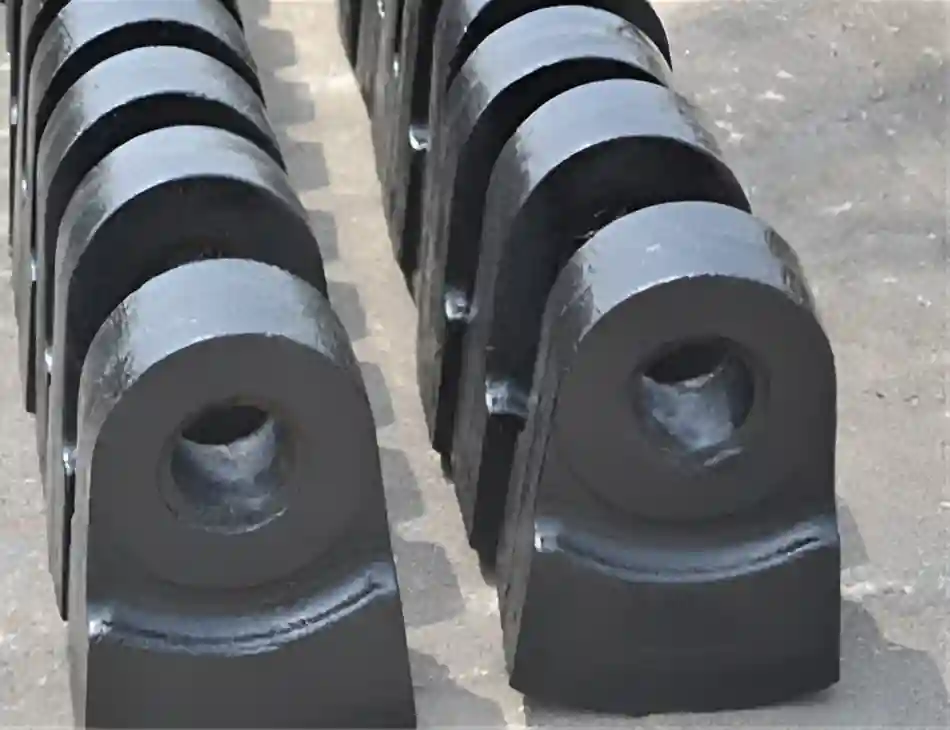
High Chrome Hammer Head
Expert Advice
Frequently Asked Questions
Clear answers to common technical and commercial queries regarding ball mill media.
What is the primary difference between high chromium and forged steel grinding balls?
The primary difference lies in the surface hardness and wear mechanism. High chromium balls are cast with specific alloy percentages that create hard carbides, providing superior abrasion and corrosion resistance compared to forged steel. In practice, this means high chromium media lasts longer and maintains its shape, reducing the overall consumption rate and frequency of mill recharging.
How do I determine the correct chrome content and hardness for my specific application?
Selection depends on the hardness (Mohs scale) and corrosiveness of your feed material. For high-impact primary crushing, a lower hardness with higher toughness (e.g., 57-66 HRc) is preferred to prevent shattering. For fine attrition grinding, a higher hardness (60-69 HRc) is required to ensure efficient particle size reduction. We recommend a technical analysis of your ore and current mill performance to tailor the alloy mix.
Can high chromium grinding media actually reduce the energy cost of a ball mill?
Yes. Energy efficiency in a mill is tied to the "grinding kinetics"—how effectively the balls transfer energy to the material. Because high chromium balls maintain their spherical shape longer and do not deform, they provide more consistent impact and attrition forces. This reduces the amount of time needed to reach target fineness, thereby lowering the kilowatt-hours consumed per ton of processed material.
What is the impact of ball size distribution on the final product quality?
Ball size distribution determines the balance between impact (breaking large chunks) and attrition (grinding fine particles). If the distribution is skewed toward large balls, you may have oversized material in your final product. Conversely, too many small balls may fail to break the initial feed. A tailored gradation, combining large balls for the first chamber and smaller balls for the second, ensures optimal particle size distribution and improved flotation recovery.
How does the high chromium content protect against corrosion in wet milling?
Chromium reacts with oxygen to form a thin, invisible, and highly stable layer of chromium oxide on the surface of the ball. This "passive layer" protects the underlying steel from chemical attack by the slurry. This is critical in Egyptian wet-grinding circuits, where standard balls would lose mass not just through abrasion, but through rapid oxidation, leading to premature media failure.
What should I look for when selecting a grinding media supplier for a large-scale operation?
Look for suppliers who provide ISO 9001 certification and can offer technical analysis rather than just a product catalog. A quality supplier should be able to provide specific hardness ranges, chrome percentages, and customized size distributions based on your mill's performance data. Consistency in quality is the most important factor, as any variation in ball hardness can lead to erratic wear and unpredictable mill behavior.
Ready to Optimize
Improve Your Mill Productivity with Premium Grinding Media
Whether you are operating a gold mine in the Eastern Desert or a cement plant in the Suez region, our high chromium cast balls are engineered to reduce your wear costs and energy consumption. Contact us to discuss your specific ore characteristics and receive a tailored media recommendation for your Egyptian facility.
Discuss Your Requirements


