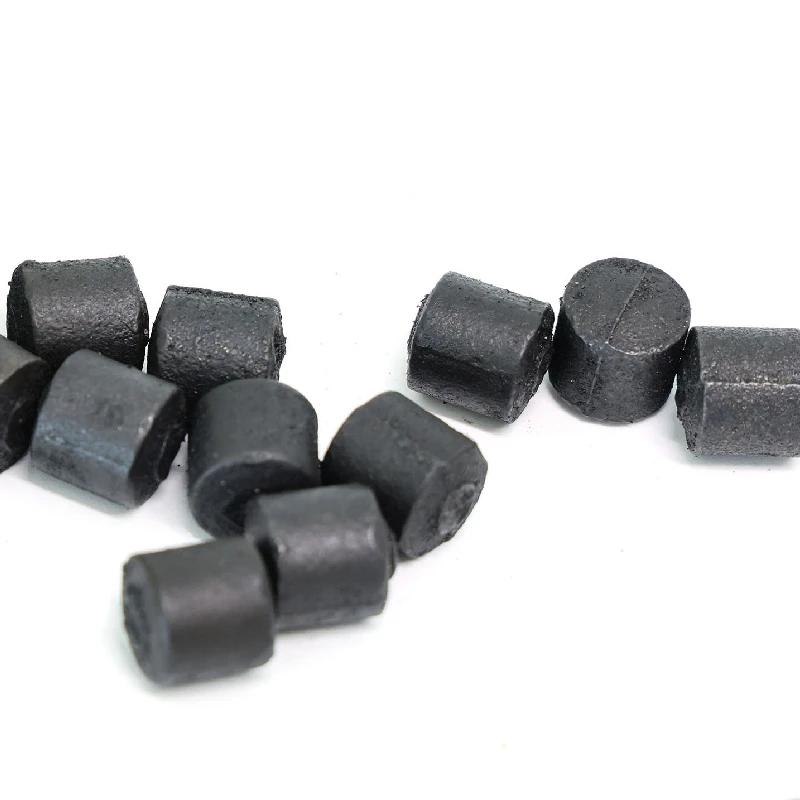
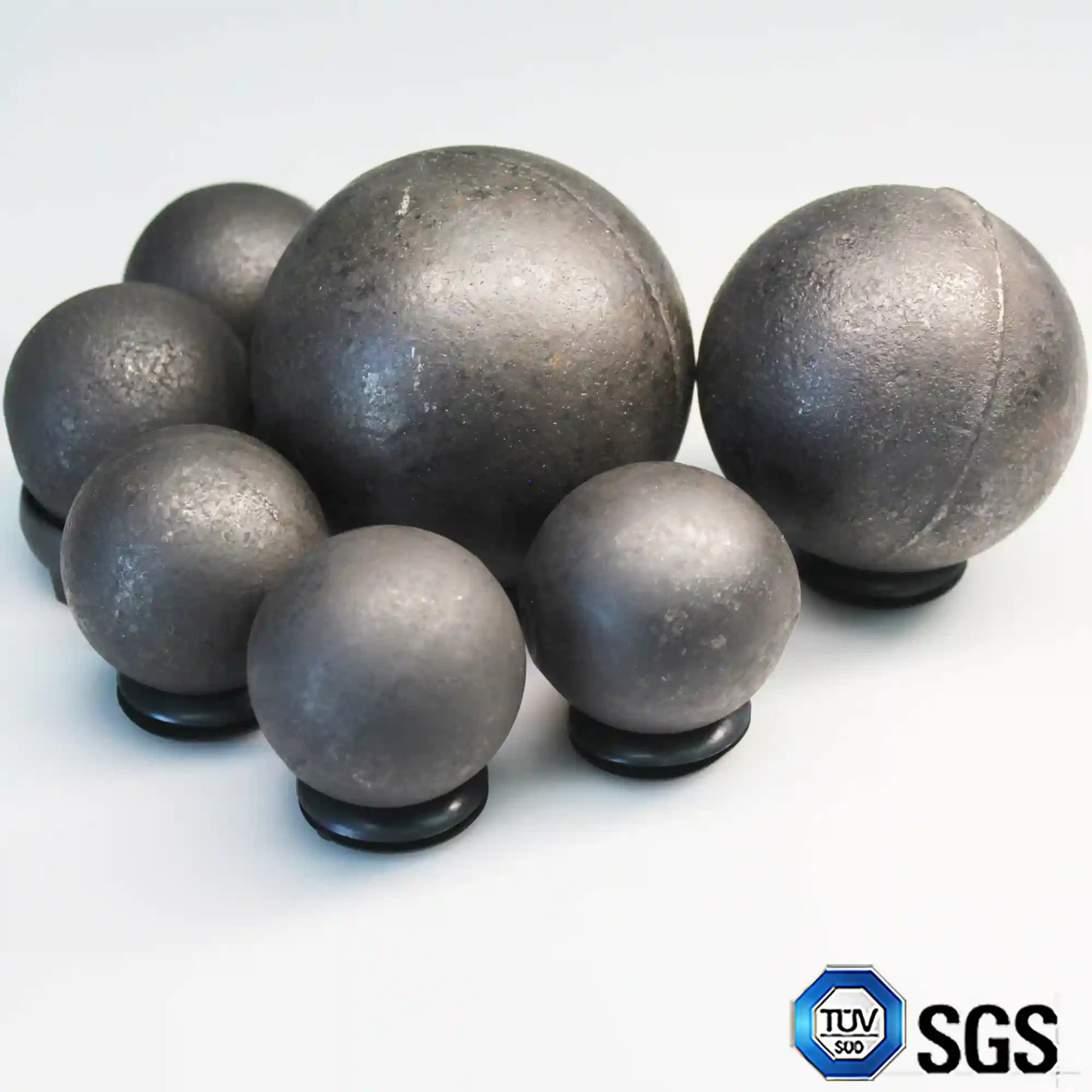
High-Performance cast grinding balls Solutions for Peru's Mining Sector

Engineered for extreme abrasion resistance to optimize mineral processing efficiency in the Peruvian Andes.

High-Performance cast grinding balls Solutions for Peru's Mining Sector

Providing world-class grinding efficiency for Peru's copper, gold, and zinc mines through precision-engineered ball mill media.

The Current Landscape of Grinding Media in Peru

Analyzing the demand for high-chrome wear materials in South America's mining hub.

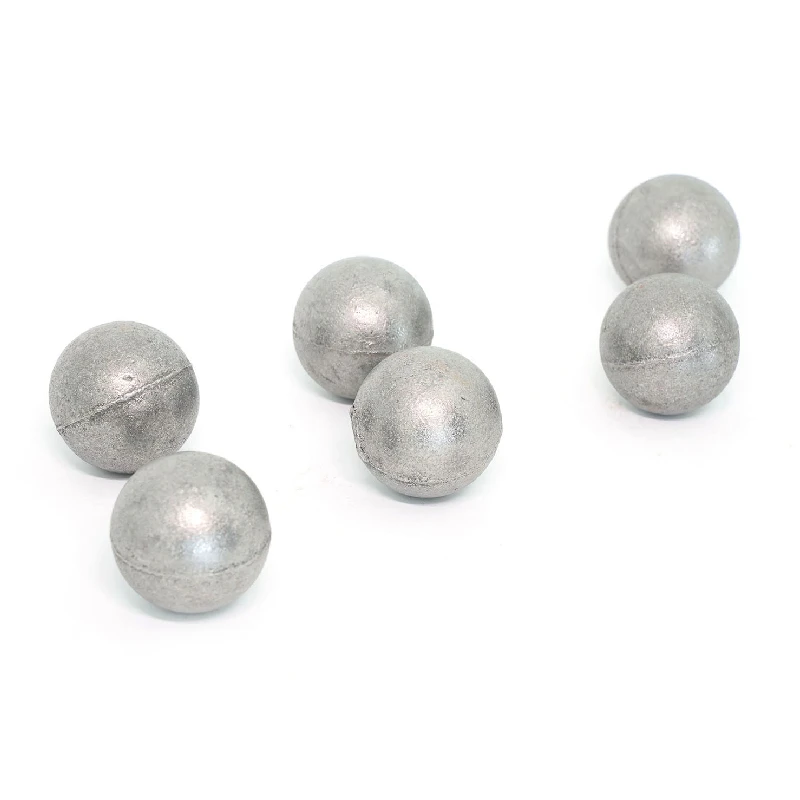
Peru's mining industry, centered heavily in the Andean highlands, faces unique challenges due to the high hardness of polymetallic ores. The reliance on ball mill balls is critical for the primary grinding stage, where material throughput must be maximized despite the abrasive nature of the local mineral deposits.

Current operational environments in Peru often deal with extreme altitude and temperature fluctuations, which can affect the structural integrity of lower-grade grinding media. Consequently, there is a shifting preference towards premium ball mill grinding media that offers superior impact toughness and reduced wear rates to minimize mill downtime.

Economic pressures in the Peruvian mining sector are driving operators to seek a better balance between the initial cost and the lifecycle of ball milling balls. Efficiency is no longer just about the grinding speed, but about reducing the consumption rate per ton of processed ore.
Evolution of Grinding Technology in Peru

From basic forged steel to advanced alloyed cast media.

Market Development History

In the early 2000s, the Peruvian market predominantly utilized forged steel balls. While durable, these lacked the chemical precision required for the increasingly complex ore bodies found in the Cajamarca and Apurímac regions.

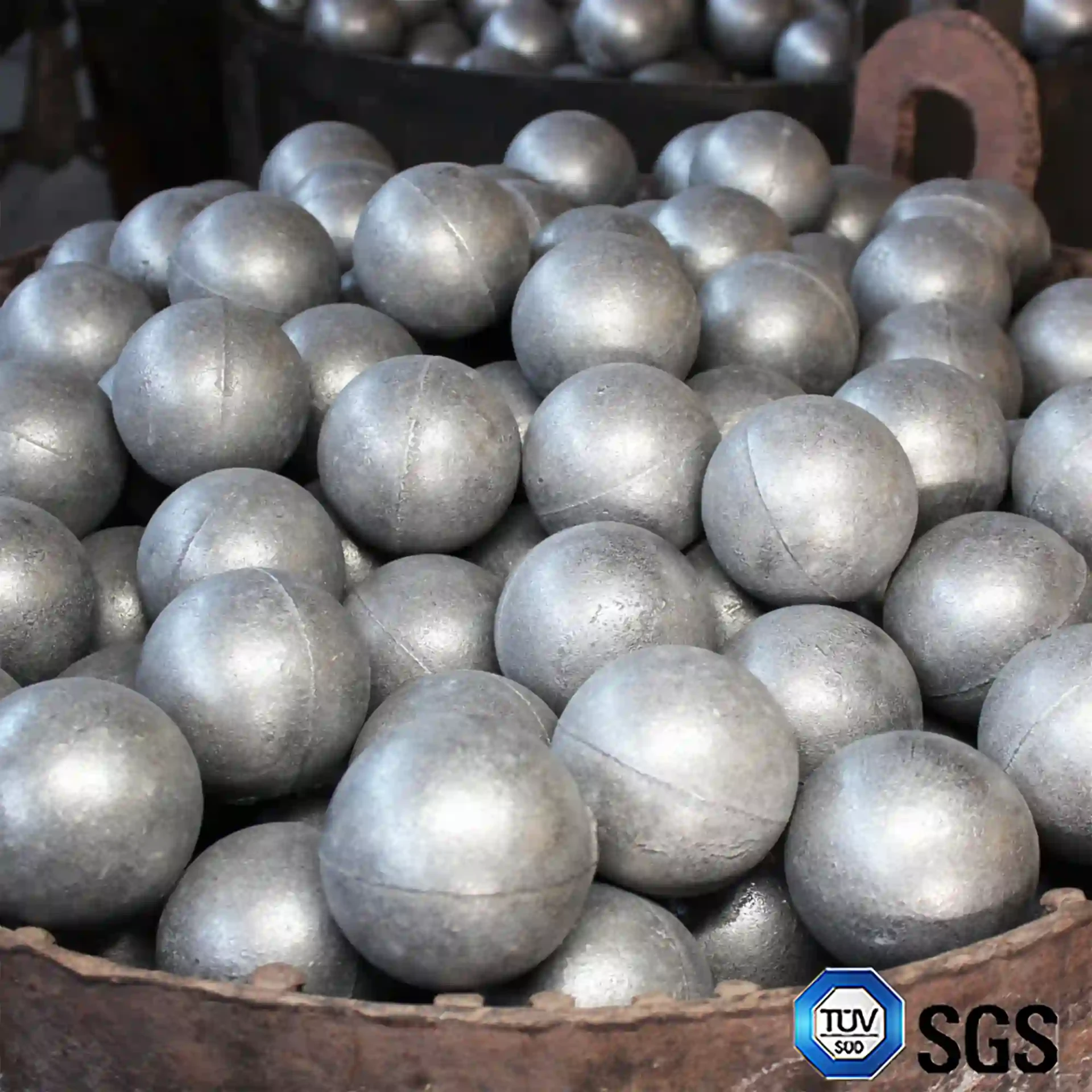
Between 2010 and 2020, the industry transitioned toward high-chromium cast iron solutions. This shift allowed mines to achieve higher grinding precision and lower media consumption, marking the rise of specialized cast grinding balls in the local market.

Currently, the focus has shifted toward customized metallurgy. By adjusting the Chromium and Carbon ratios, suppliers now provide media specifically tailored to the specific hardness (Mohs scale) of Peruvian copper porphyry.

Future Development Trends

Nano-Structure Alloying

Integration of nano-carbides into the casting process to enhance the hardness of the grinding media surface without sacrificing core toughness.

Digital Wear Monitoring

The adoption of IoT sensors in ball mills to track the real-time wear of ball mill media, allowing for predictive maintenance.

Eco-Friendly Casting Processes

Reducing the carbon footprint of the manufacturing process to align with Peru's "Green Mining" initiatives and global ESG standards.

Industry Trends and Future Outlook

Predicting the shift in mineral processing efficiency for the next 5 years.

Smart Consumption Tracking
Utilizing AI to optimize the recharge rate of grinding balls to prevent liner damage.
High-Chrome Alloy Evolution
Increasing Cr content to 30%+ for extreme corrosion resistance in wet grinding.
Custom Sizing Precision
Strict tolerance control to ensure uniform impact energy across the mill load.
Logistics Optimization
Reducing transport costs via bulk packaging for the Peruvian mountainous terrain.

Industry Outlook

Based on Google search trends for mineral processing in Latin America, there is a marked increase in queries regarding "wear-resistant media" and "grinding cost reduction." This indicates that Peruvian operators are moving away from commodity-grade steel toward specialized engineering solutions.

Over the next 3-5 years, we expect the integration of metallurgy and data science to dominate. The goal will be to create a "closed-loop" system where the wear rate of the media informs the ore feed rate, maximizing the ROI of every ton of grinding media used.

Localized Application Scenarios in Peru

Tailored grinding solutions for Peru's diverse geological landscape.

01. Copper Porphyry Mining in Antamina

Utilizing high-chrome ball mill balls to handle massive throughput of hard rock, reducing the frequency of media replenishment in high-altitude environments.

02. Gold Extraction in Cajamarca

Application of precision-sized ball mill grinding media for fine grinding stages, ensuring maximum mineral liberation and higher gold recovery rates.

03. Zinc and Lead Processing in Pasco

Implementing corrosion-resistant ball mill media to withstand the aggressive chemical environment of polymetallic sulfide ores.

04. Cement Production in Lima Region

Using cost-effective ball milling balls for raw meal and finish grinding, focusing on energy efficiency and particle size distribution.

05. Small-Scale Artisanal Mining (ASM)

Providing durable cast grinding balls for smaller scale ball mills, emphasizing long-term wear life to reduce operational overhead for small cooperatives.

Brand Story

Global Development Journey of Shijiazhuang Chengda Abrasive Materials Co., Ltd.

Founding Excellence

Established with a mission to solve the critical pain point of premature wear in the casting industry, focusing on high-purity alloy development.

Technical Breakthroughs

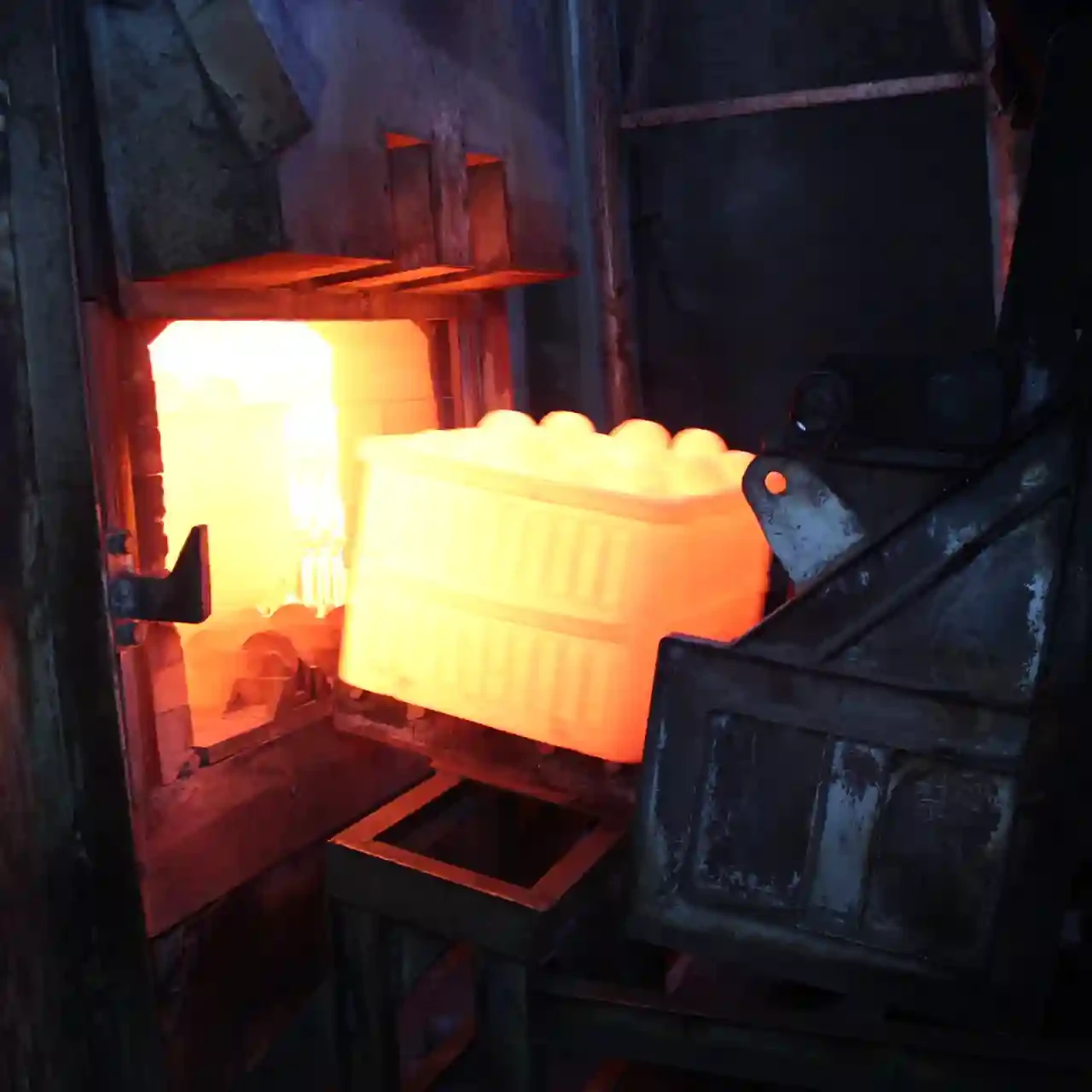
Pioneered a unique heat-treatment process that ensures a uniform martensitic structure, drastically reducing ball breakage rates.

Market Expansion

Successfully exported high-performance media to the South American market, establishing a reputation for reliability in Peru's copper mines.

Quality Certification

Achieved international ISO standards, ensuring every batch of grinding balls meets strict spherical tolerances and hardness requirements.

Sustainable Future

Investing in R&D for cobalt-free high-chrome alloys to provide eco-friendly and cost-effective solutions for global mining.

Comprehensive Grinding Media Portfolio for Peru

From high-chrome cast iron to forged steel, we cover every grinding requirement.

Mining Media FAQs for Peru

Expert answers to common technical questions from the field.

How to choose the right size of ball mill balls for copper ore?

Selection depends on the feed size. For primary grinding in Peru, larger balls (80mm-100mm) are used for initial crushing, while smaller balls (40mm-60mm) are optimized for secondary grinding to ensure a fine powder.

What is the advantage of cast grinding balls over forged ones?

Cast media, especially high-chrome versions, offer significantly higher hardness and better corrosion resistance, which leads to a lower consumption rate per ton of ore compared to traditional forged steel.

How does altitude in the Andes affect ball mill grinding media wear?

Altitude doesn't directly cause wear, but the associated temperature swings and the specific chemistry of high-altitude ores can increase oxidation. Our specialized alloys are designed to maintain stability in these conditions.

What is the typical lifespan of high-chrome ball milling balls?

While it varies by ore hardness, high-chrome media typically lasts 20% to 50% longer than forged steel in abrasive mining applications, significantly reducing downtime for recharging.

Can you customize the chemical composition of ball mill media?

Yes, we can adjust the Chromium (Cr), Carbon (C), and Manganese (Mn) content to match the specific Mohs hardness of your ore, ensuring the most efficient wear-to-performance ratio.

How to prevent ball mill balls from chipping?

Chipping is usually caused by excessive impact energy or poor alloy toughness. We use a controlled quenching process to ensure the core remains tough while the surface stays hard.

Get Expert Technical Support

Ready to optimize your grinding efficiency in Peru? Contact our engineering team for a customized wear analysis and media recommendation.

Contact Us Now