
Optimizing Milling Efficiency for Algeria's Mining Industry

High-performance grinding solutions designed for the rigorous demands of Algerian mineral processing, ensuring maximum wear resistance and operational uptime.

Request Technical Data

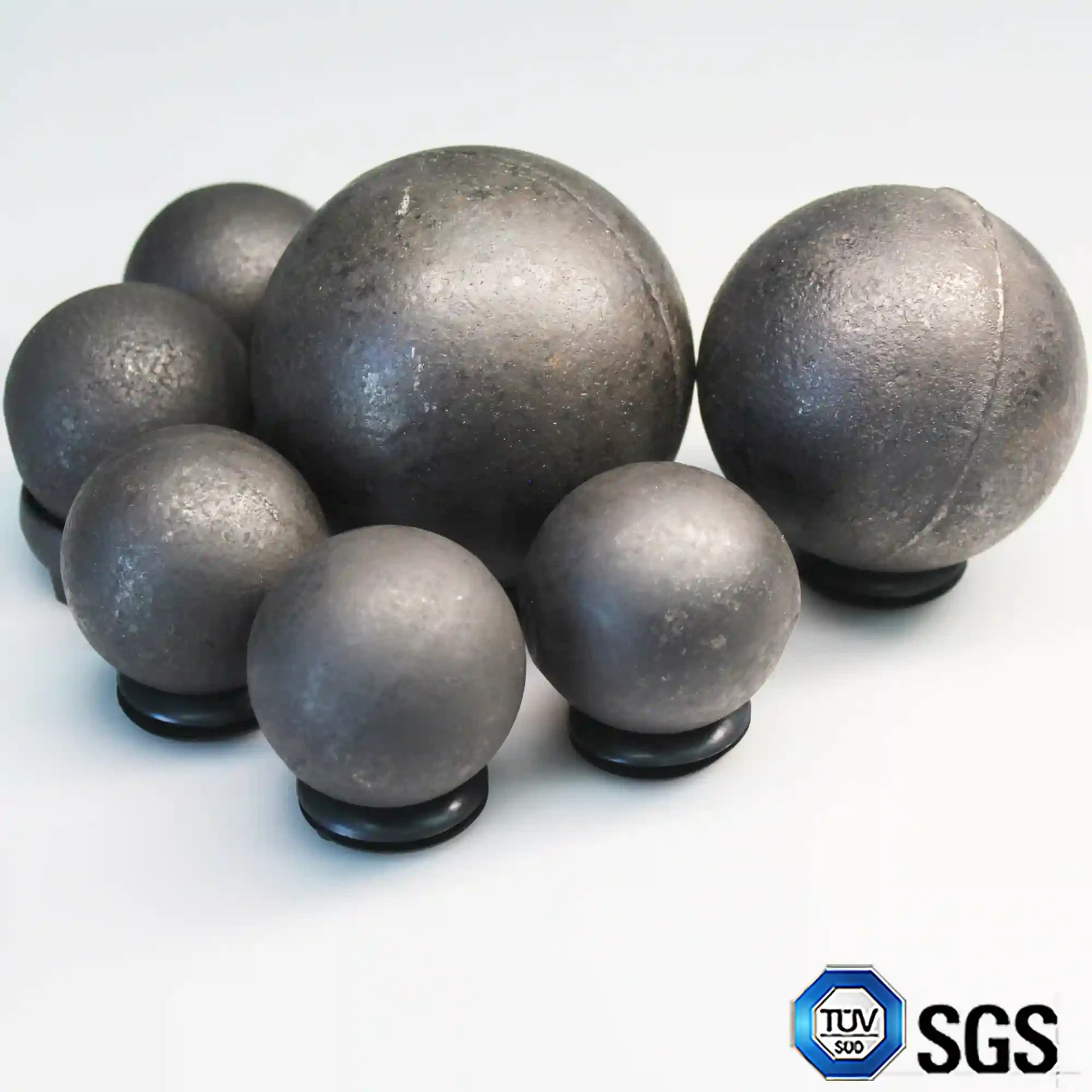
Precision-Engineered Grinding Media

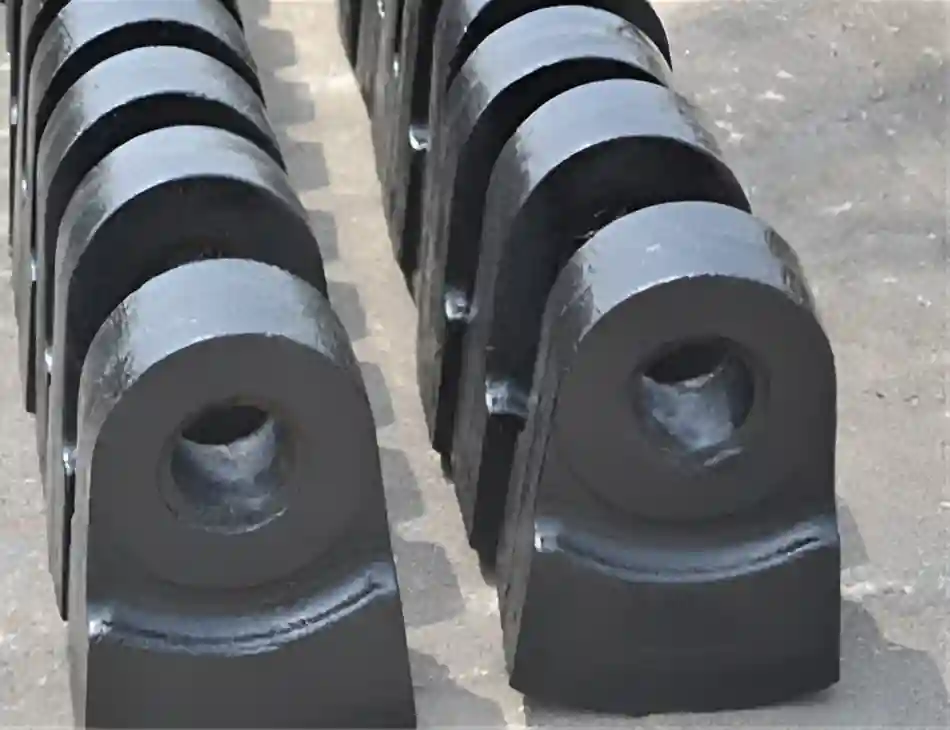
Specialized high-chromium cast solutions tailored for various grinding chambers and mineral hardness levels.

Industrial Milling Landscapes in Algeria

Analyzing the intersection of mineral diversity and wear-resistant technology.

Algeria's vast mineral wealth and expanding cement production facilities create a unique demand for high-durability abrasives. The geographic distribution of mining sites often entails challenging logistics and harsh environmental conditions, making the selection of ball mill balls critical. Local operators require materials that can withstand high-impact crushing in primary chambers while maintaining consistent sizing to avoid unplanned mill shutdowns.

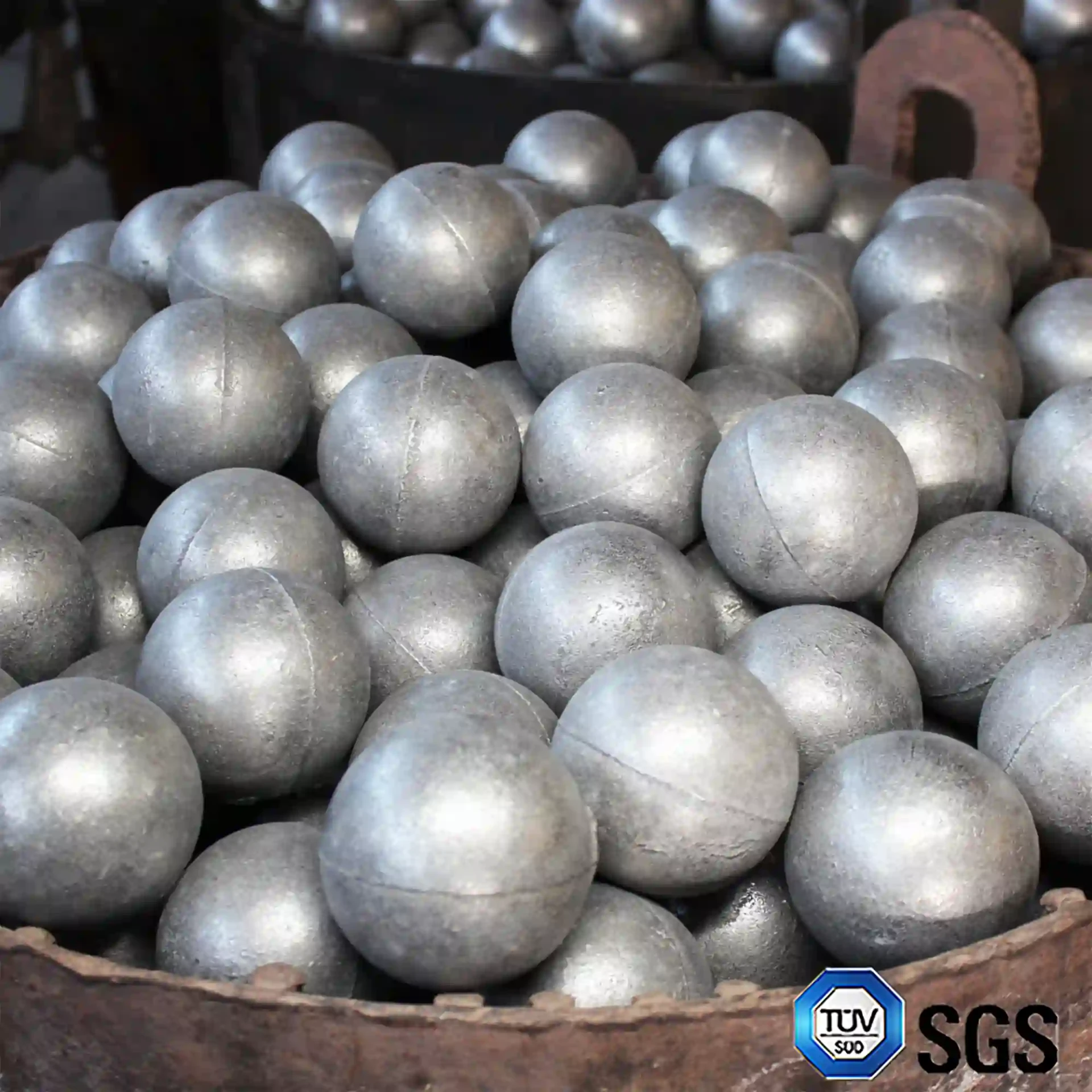
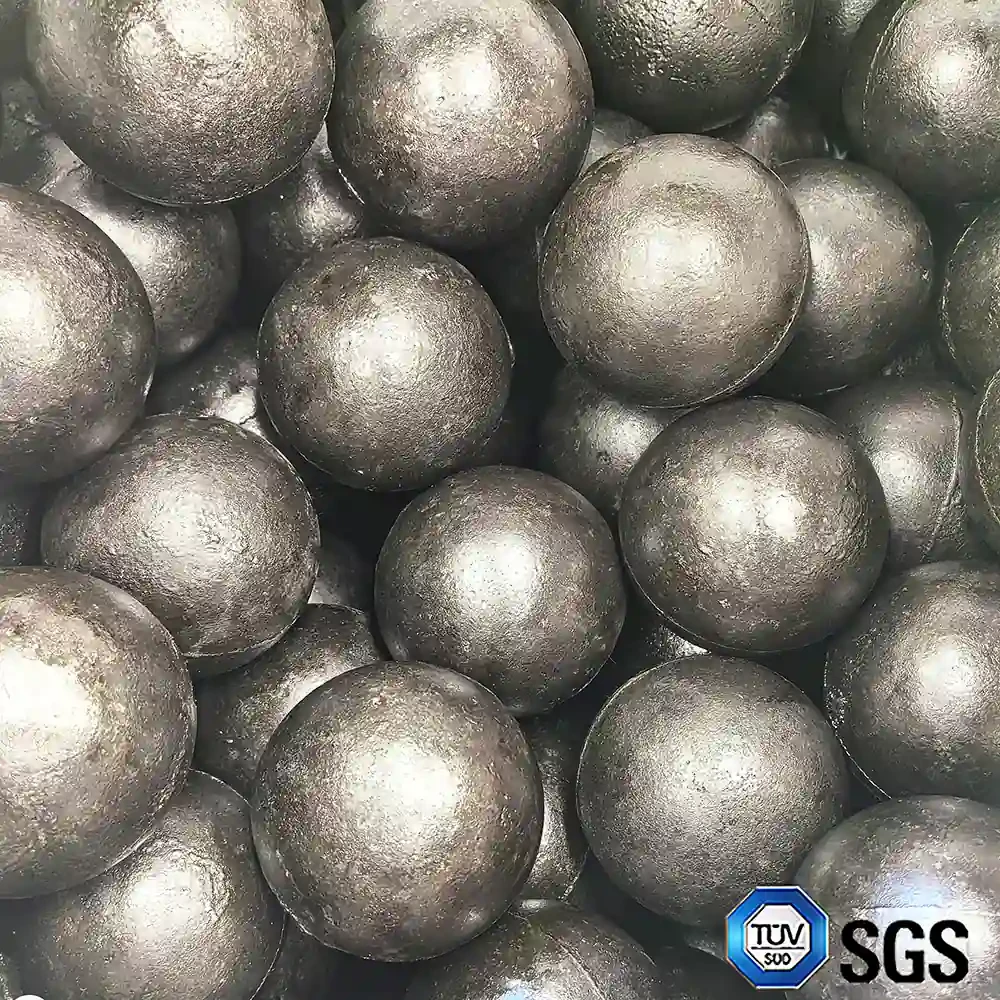
From a technical perspective, the variation in ore hardness across different regions necessitates a flexible approach to alloy selection. Implementing high-quality ball mill grinding media allows plants to optimize their throughput by balancing chromium content with hardness. This ensures that the attrition process in the second chamber remains efficient, directly impacting the final particle size distribution and overall recovery rates of the processed minerals.

As industrial standards evolve within the region, there is a growing shift toward reducing the total cost of ownership rather than focusing solely on the initial purchase price. By utilizing advanced cast grinding balls, Algerian enterprises can significantly extend the clearance cycle and reduce the frequency of ball charging, which lowers energy consumption and minimizes the carbon footprint of their grinding operations.
Evolution of Grinding Technology

Tracing the path from basic casting to precision alloy engineering.

Industry Evolution

Early Stage

Traditional Casting focused on basic carbon steel media with limited wear resistance, leading to frequent replacements and high operational downtime in early mining projects.

Mid Development

Alloy Integration saw the introduction of chromium-based alloys, improving the hardness and corrosion resistance of ball mill media for varied mineral applications.

2013-Present

Precision Engineering implementation of ultra-high chromium technologies and tailored metallurgy to maximize mill productivity and energy efficiency.

Market Transformation

  • Tailored Alloy Composition

    Shifting from generic balls to customized chrome percentages (1% to 30%) based on the specific abrasive nature of the ore.

  • Wear Cost Reduction

    Increased focus on the long-term life cycle of ball milling balls to lower the cost per ton of processed material.

  • Energy-Centric Optimization

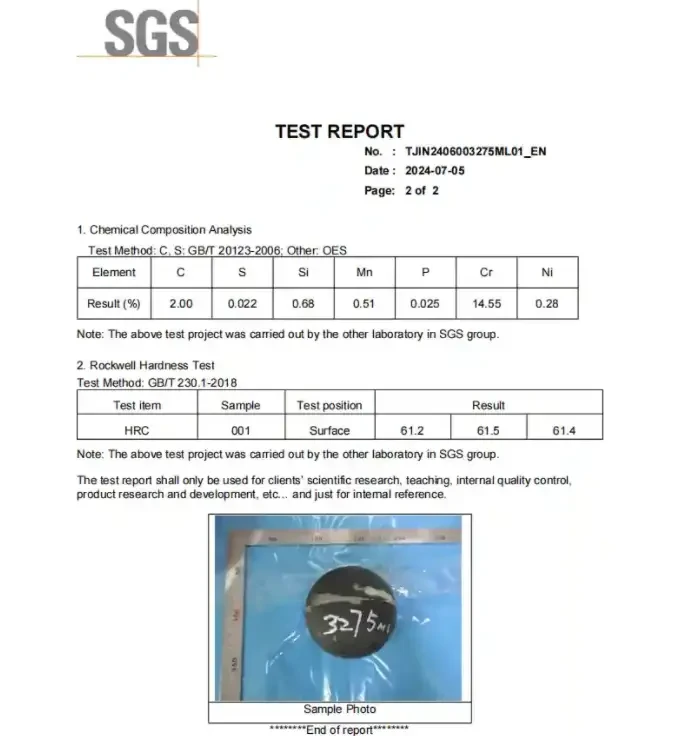
    Using optimal hardness ranges (57-69 HRc) to reduce the power consumption required for achieving the target grind size.

Future Outlook for Algerian Mineral Processing

Integrating advanced metallurgy with sustainable industrial practices.

Metallurgical Precision
Advancements in alloy chemistry to combat specific corrosive elements found in regional mineral deposits.
Operational Availability
Reducing the frequency of mill shutdowns for media recharging through superior toughness and wear resistance.
Carbon Footprint Mitigation
Optimizing grinding kinetics to lower kWh per ton, supporting regional environmental goals.
Supply Chain Stability
Building reliable corridors for high-grade consumables to avoid production bottlenecks.

From the perspective of industry evolution, the next five years will likely see a greater integration of data-driven media selection. Rather than relying on historical norms, plants in Algeria may utilize real-time wear monitoring to adjust the alloy specifications of their charging media, ensuring that the balance between impact and wear resistance is always optimal for the current feed material.

Furthermore, the regional business ecosystem is evolving toward strategic partnerships. Local mining and cement firms are increasingly seeking solution providers who can offer not just products, but technical analysis and test work to validate the performance of grinding media before full-scale implementation, thereby reducing the risk of suboptimal metal recovery.

Deployment in Algerian Industrial Contexts

Real-world application of high-chromium grinding solutions.

01
Cement Plant Primary Grinding

In local cement production facilities, large-diameter balls (60-140mm) provide the potential energy needed to crush raw feed, reducing the load on subsequent stages.

02
Mining Ore Processing

Utilizing high-chromium media in regional mining operations to improve flotation recovery by ensuring a precise and consistent particle gradation.

03
Quarry Material Refinement

Applied in local quarrying sites where impact resistance is paramount to prevent media breakage during the processing of hard aggregate materials.

04
Second Chamber Attrition

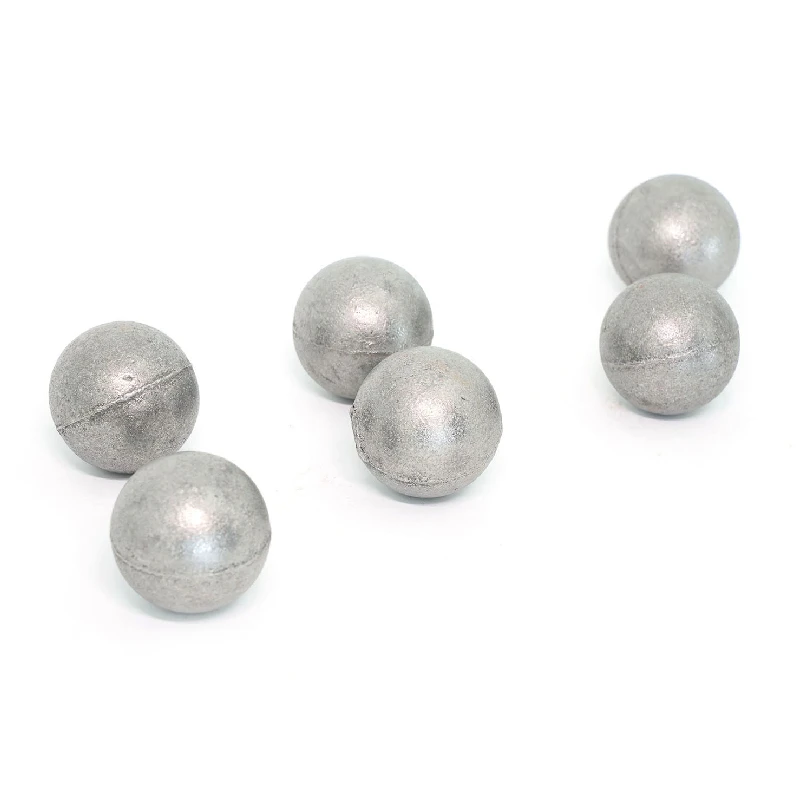
Deploying smaller balls (15-60mm) in the secondary milling stage of industrial plants to maximize surface area and grinding efficiency.

05
Corrosive Mineral Milling

Using specialized corrosion-resistant alloys in specific Algerian mineral deposits to prevent premature media degradation in chemical-heavy environments.

Shijiazhuang Chengda Wear resistant materials Co.,LTD.

Over two decades of excellence in wear-resistant material engineering.

2007
Company Foundation

Established by Mr. Zhao Wenliang, focusing on the core development of high-performance wear-resistant materials.

2010
Industrial Expansion

Expanded business operations and relocated to the Huangbizhuang Town Industrial area to increase production capacity.

2013
Technological Breakthrough

Obtained key patents for Ultra High Chromium Grinding Ball processing and high wear-resistance mining technologies.

Algeria-Specific Milling Solutions

A comprehensive range of grinding media optimized for regional mineral densities and industrial requirements.

Technical FAQ

Addressing critical concerns regarding media selection and mill performance.

How do I determine the correct chromium content for my specific ore in Algeria?

Determination depends on a technical analysis of the ore's hardness and corrosiveness. We typically offer chrome ranges from 1% to 30%, where higher chromium is used for more abrasive minerals to extend the life of the grinding media.

What is the impact of ball hardness (HRc) on energy consumption?

Optimal hardness (e.g., 57-69 HRc) ensures that the media maintains its shape and gradation over time. This prevents the mill from becoming inefficient, thereby reducing the total kWh required to achieve the desired grind size.

Can cast grinding balls reduce the frequency of mill shutdowns?

Yes, high-chromium alloy balls exhibit lower wear rates and higher toughness. This extends the clearance cycle and reduces the need for frequent charging, significantly improving overall equipment availability.

How does the size of the ball mill balls affect the crushing process?

Larger balls (up to 140mm) are essential in the first chamber to provide high potential energy for crushing coarse feed. Smaller balls are then used in the second chamber for fine grinding via attrition.

What quality certifications do your grinding media products hold?

Our manufacturing processes are ISO 9001 certified, ensuring consistent quality control from the alloying stage to the final casting and heat treatment of every batch.

How is the delivery of heavy grinding media handled for Algerian sites?

We utilize optimized industrial packaging and logistics corridors to ensure that bulk shipments of media arrive safely and on time at your facility, minimizing lead-time risks.

Upgrade Your Milling Performance in Algeria

Consult with our technical experts to find the optimal grinding media for your specific mineral application and reduce your operational costs.

Get a Technical Quote