Oct . 27, 2025 14:40 Back to list
Low Chrome Grinding Media - Durable, Low Wear, Cost-Saving
Low Chrome Grinding Media: field notes from kilns and mills
If you’ve spent time in a cement mill or a gold circuit, you already know: selecting the right balls is half the grinding battle. And yes, I’ve seen lines run smoother just by swapping charge composition—surprisingly often. In this piece I’ll stick to Low Chrome Grinding Media in the 7–10% Cr band (often sold as “medium chrome”). It’s the workhorse for cement and many base-metal ores, particularly where cost-per-ton matters more than absolute wear life.
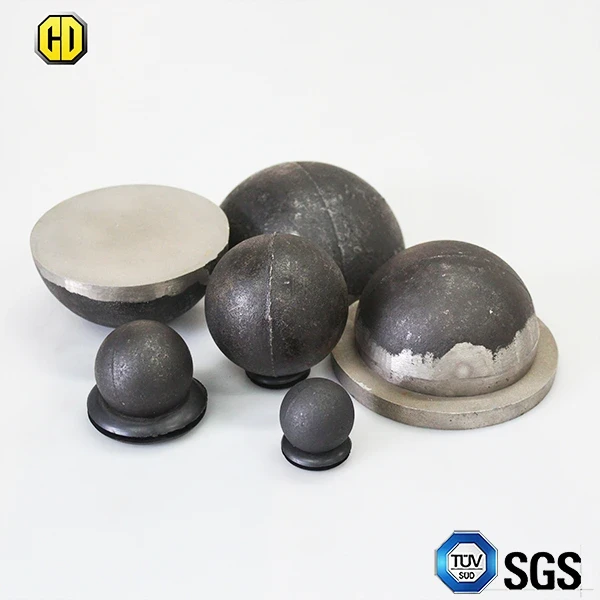
Product snapshot (real-world specs)
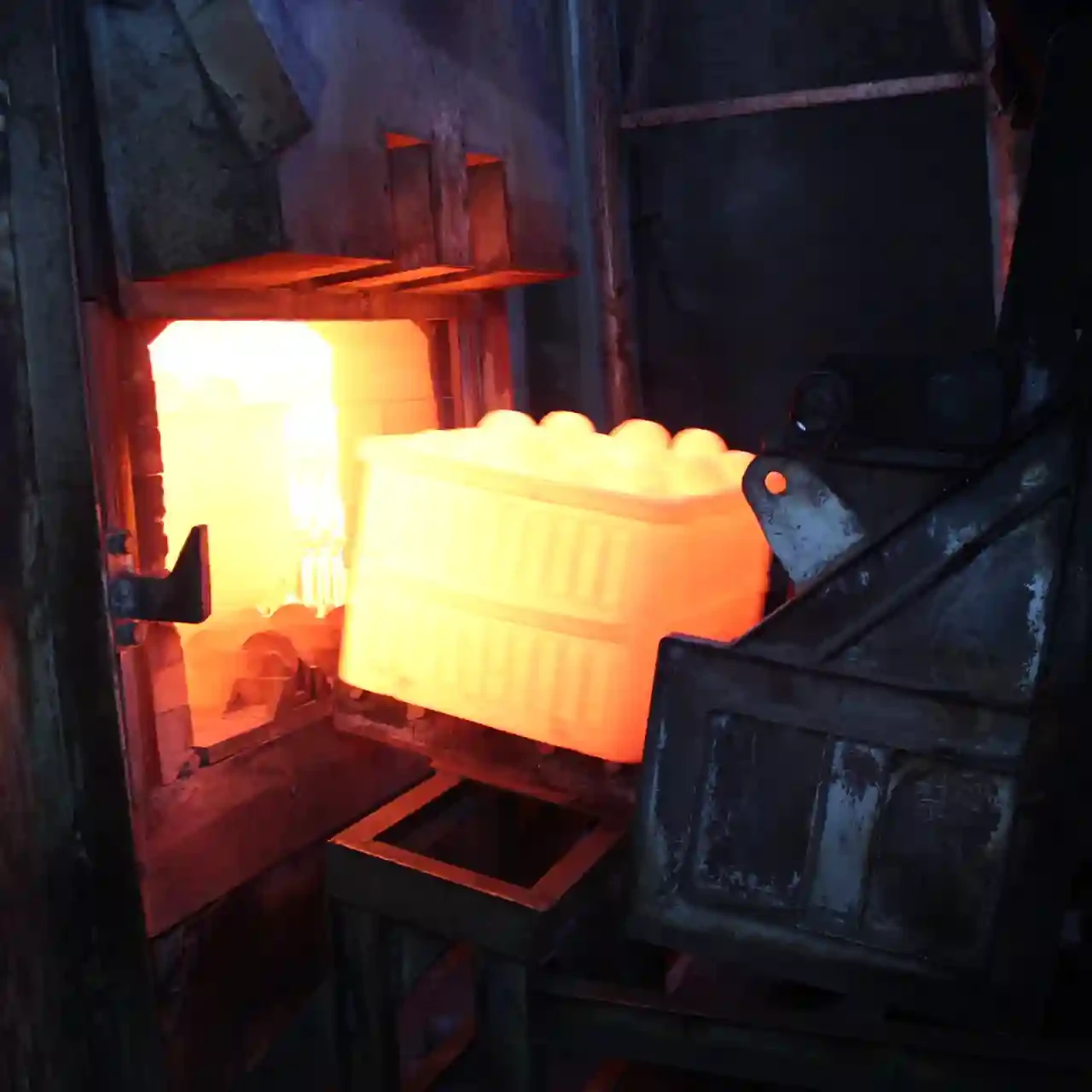
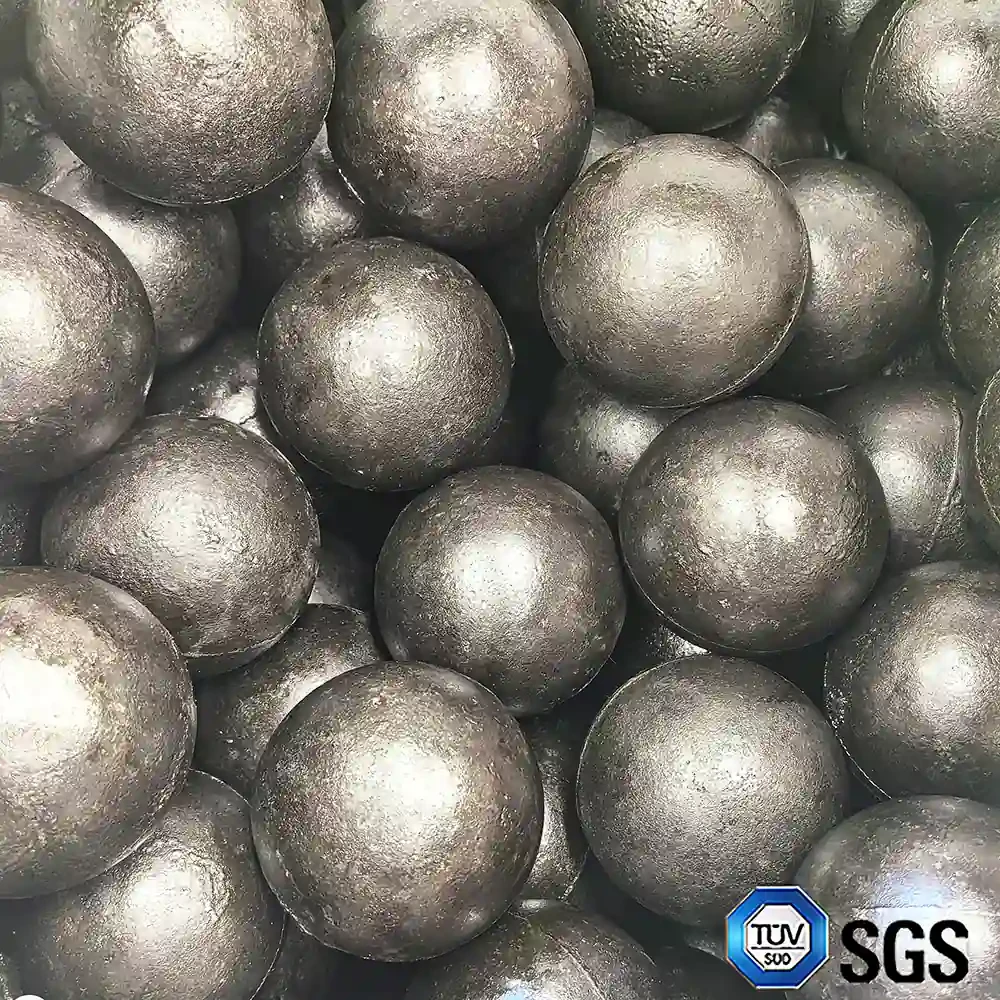
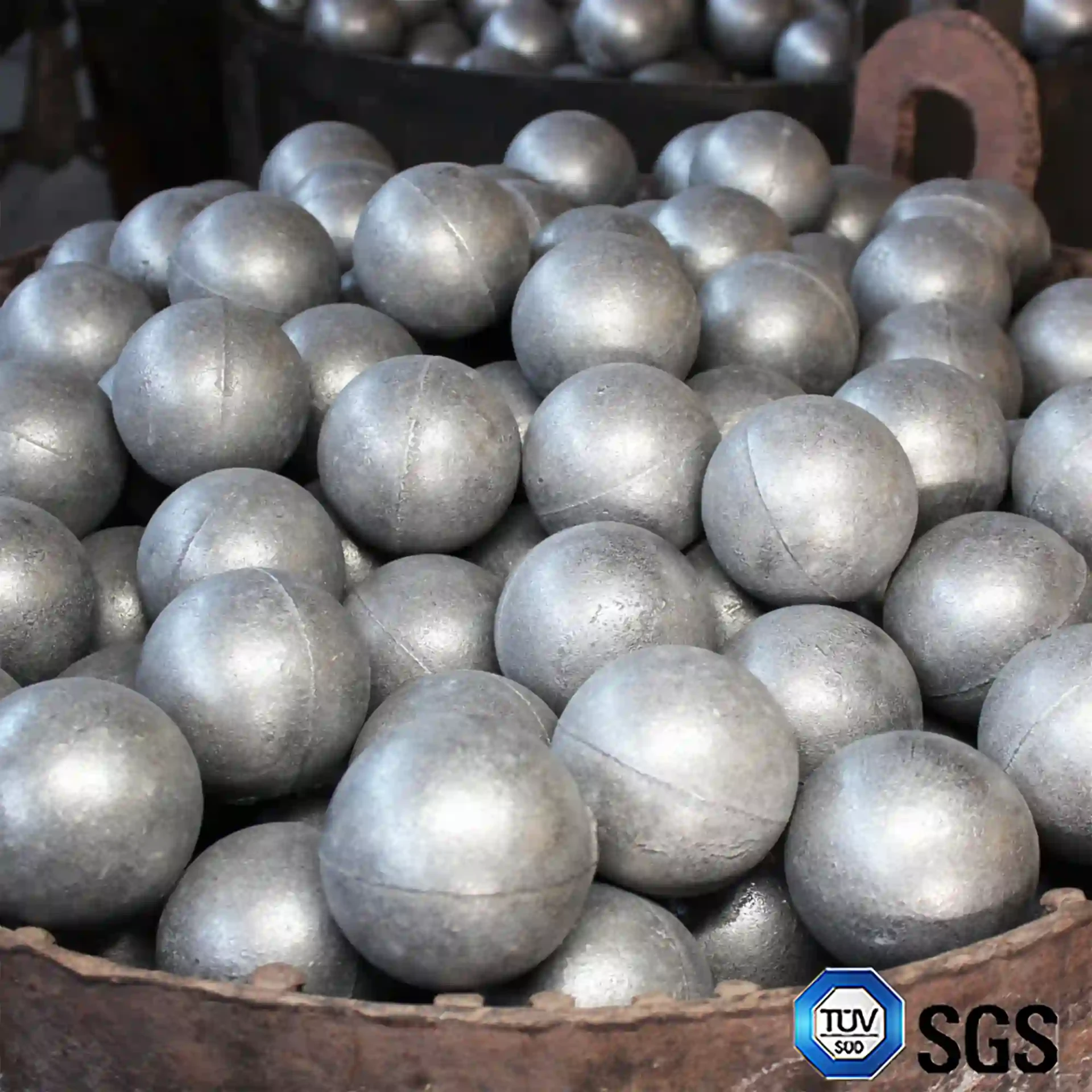
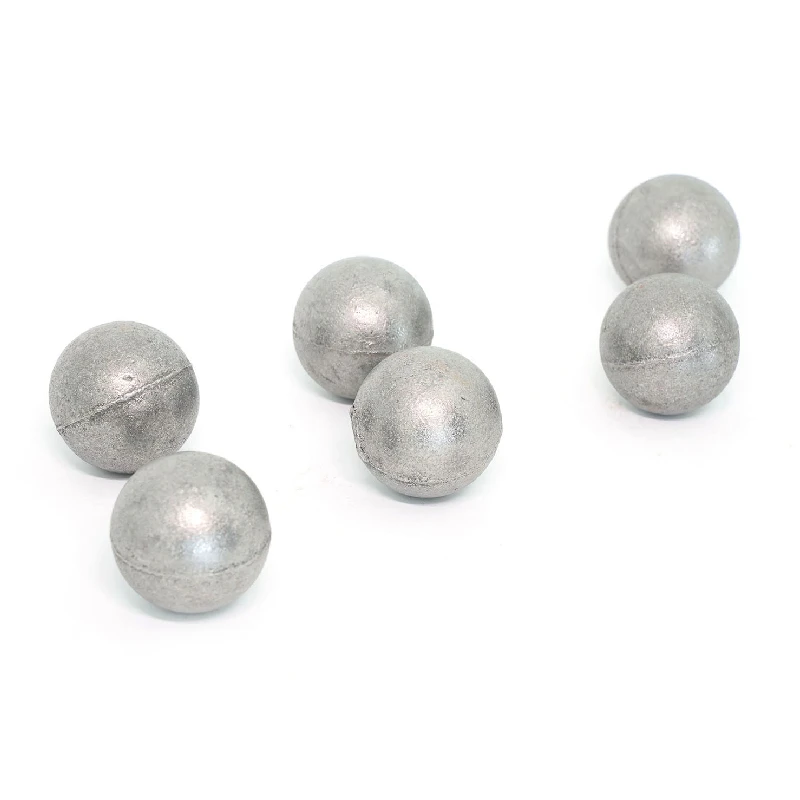
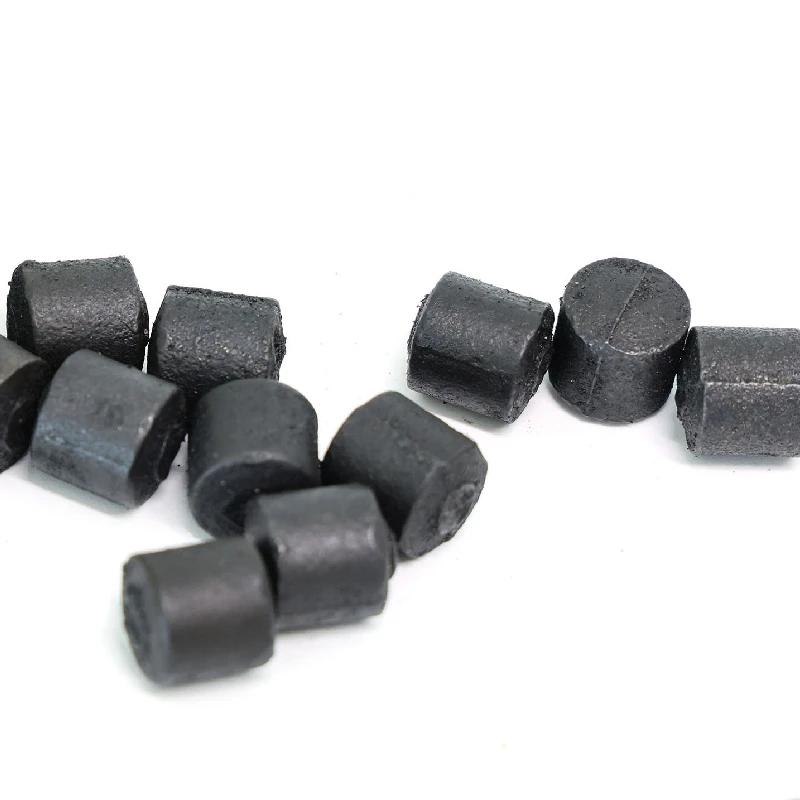
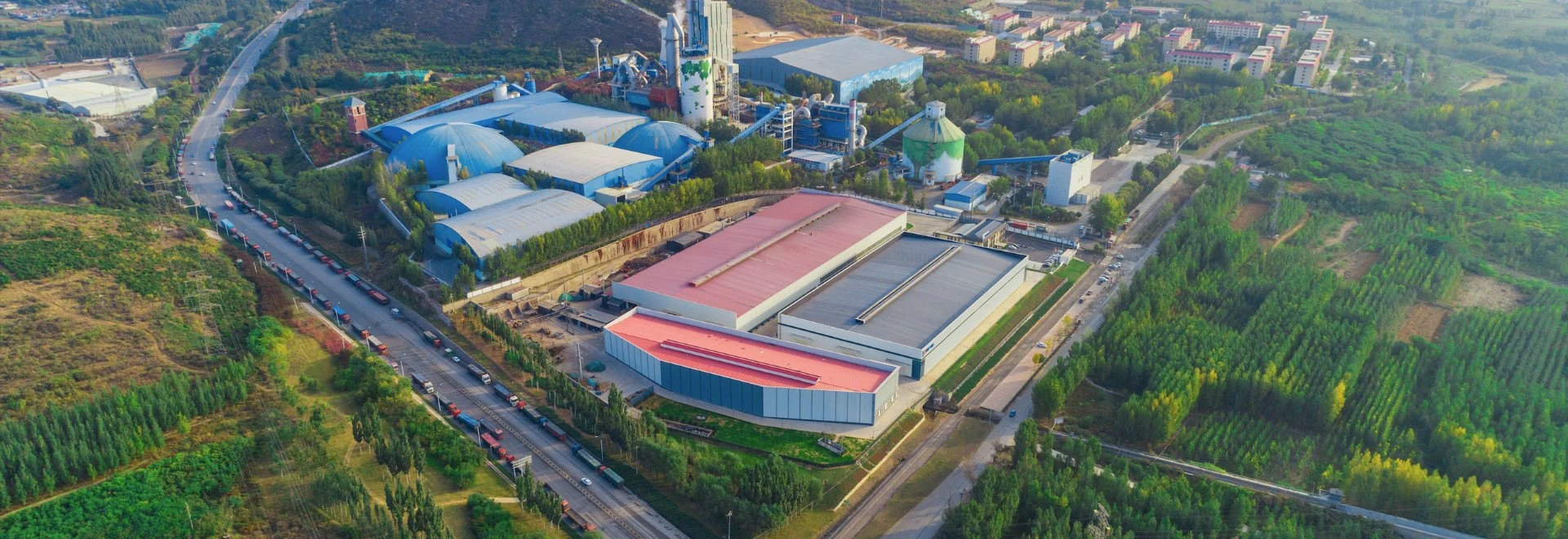
Origin: KIZUN Industry Zone, Luquan, Sihijiazhuang city, Hebei, China. This batch is cast, heat-treated, and tempered—black surface finish out of the barrel.
| Parameter | Typical value (≈, may vary) |
|---|---|
| Product name | Medium chrome grinding ball (a Low Chrome Grinding Media class) |
| Chrome content | 7%–10% Cr |
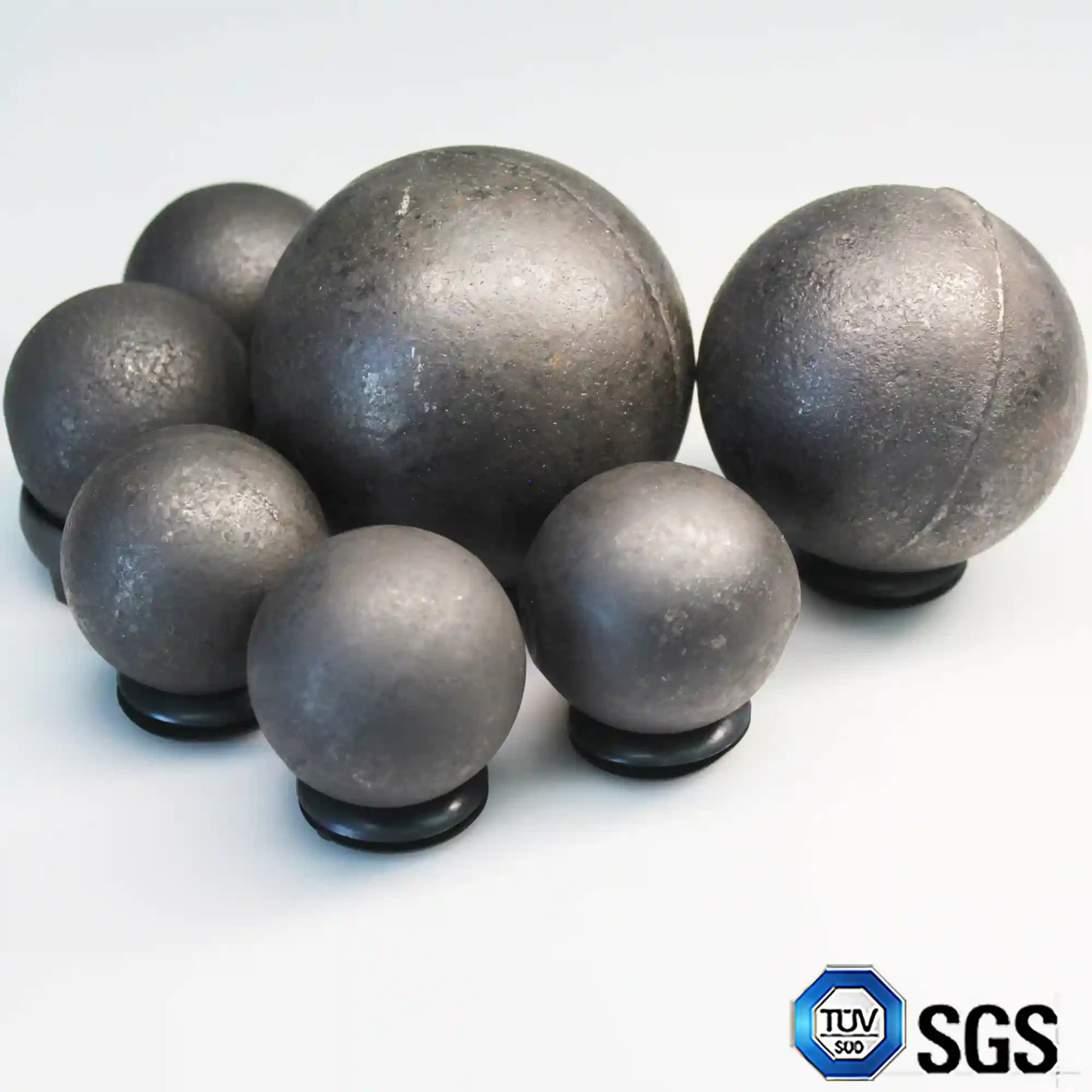
| Size range | 10–140 mm |
| Hardness (HRC) | ≈55–60 HRC after temper |
| Microstructure | Tempered martensite + pearlite; controlled carbides |
| Density | ≈7.6–7.8 g/cm³ |
| Diameter tolerance | ≈±1.5 mm (per GB/T guidance) |
| Application | Cement, mining, chemical, petroleum, refractory, power plant milling |
Why plants pick Low Chrome Grinding Media
- Cost-per-ton friendly in clinker and softer to medium ores.
- Stable hardness with decent toughness; lower breakage than untempered white iron.
- Less risk of over-grinding vs high-chrome in some cement recipes (many customers say Blaine control is easier).
Process flow (how it’s made)
Materials: clean scrap + pig iron + FeCr; minor Mo/Mn adjustments. Methods: sand casting (precision molds), quench, temper. Testing: chemistry by OES; hardness per ASTM E18; impact (ISO 148-1); macro/micro per ASTM E407; size/roundness per GB/T 17445; drop tests (5–10 m) for breakage screening. Service life: in cement 1.3–2.5x vs plain cast iron, wear ≈40–85 g/t depending on clinker, mill design, and liner profile.
Vendor comparison (quick reality check)
| Vendor | Chrome % | HRC | Wear in cement | Breakage | Lead time | Certs |
|---|---|---|---|---|---|---|
| Chengda (Hebei) | 7–10% | 55–60 | ≈45–70 g/t | ≤0.5% typical | 3–5 weeks | ISO 9001; MTC 3.1 |
| Global Foundry X | 8–12% | 56–62 | ≈40–65 g/t | ≤0.3% | 4–7 weeks | ISO 9001/14001 |
| Trader Y (budget) | 6–8% (variable) | 50–56 | ≈70–110 g/t | 0.8–1.5% | stock/spot | basic COA only |
Customization and QA
Sizes 10–140 mm; blend optimization by mill chamber; hardness gradient tuning (core vs surface); logo casting; drums or jumbo bags; full 3.1 MTC per EN 10204. To be honest, the heat-treatment curve is the secret sauce—ask for the temper profile and a sample hardness map across the radius.
Where it shines
- Cement finish mills (OPC, PLC), raw mills.
- Iron, copper, and phosphate ores with moderate Abrasion Index.
- Coal milling where brittleness penalties matter.
Results from the field
Case A – SE Asia cement: Switching to 25/30/40 mm blend of Low Chrome Grinding Media cut wear from ≈78 g/t to 52 g/t and improved mill throughput by ~4.2% at similar Blaine. Operators said ball charge got “noticeably quieter,” which usually hints at better impact-energy transfer.
Case B – Latin America gold: On a moderately abrasive ore, 80 mm Low Chrome Grinding Media reduced media cost/oz by ~11% vs high-chrome, with negligible change in P80 (Bond WI held constant). A couple of breakages early on, then stable after temper tweak.
Standards and test anchors
Reference hardness per ASTM E18; micro per ASTM E407; impact per ISO 148-1; chemistry via OES; dimensional checks per GB/T 17445; material family aligns with ASTM A532 white iron guidance. Always request a drop-test report and a wear audit plan—real-world use may vary.
- ASTM A532/A532M – Abrasion-Resistant White Iron Specifications.
- ISO 148-1 – Metallic materials, Charpy pendulum impact test.
- GB/T 17445 – Cast grinding balls (China national standard).
- ASTM E18 – Rockwell Hardness of Metallic Materials.
- EN 10204 – Metallic products, Types of inspection documents (3.1 MTC).
-
Industrial Guide to Ferro Manganese Medium Carbon for Steel Production
NewsApr.16,2026
-
Professional Guide and Best Practices for drilling manganese steel
NewsApr.09,2026
-
Comprehensive Guide to DIN 1.3401 Stainless Steel Properties and Applications
NewsApr.07,2026
-
Optimizing Crusher Performance with Durable Manganese Alloys and Steel
NewsApr.04,2026
-
Comprehensive Guide to Chrome Manganese Steel Properties and Industrial Applications
NewsMar.31,2026
-
Understanding the Properties and Applications of Cast Manganese Steel
NewsMar.28,2026