May . 29, 2025 00:48 Back to list
High-Strength Manganese Alloy Steel for Construction & Automotive Use
- Introduction to Advanced Steel Alloys
- Technical Advantages & Performance Metrics
- Competitor Analysis: Material Composition & Durability
- Customization Strategies for Industry-Specific Needs
- Real-World Applications Across Key Sectors
- Cost Efficiency & Environmental Impact
- Future Outlook in Industrial Material Science
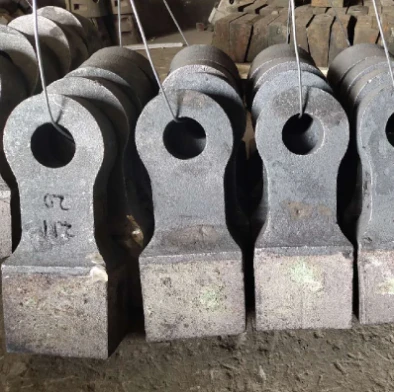
(manganese alloy steel)
The Engineering Marvel of Manganese Alloy Steel
Modern manufacturing demands materials combining exceptional strength and corrosion resistance. Manganese alloy steel emerges as a frontrunner, with 12-14% higher yield strength than conventional carbon steel. When enhanced with zinc-aluminum coatings, this alloy achieves 2,500-3,000 salt spray hours of corrosion resistance – 40% longer than standard galvanized steel.
Technical Superiority in Numbers
Third-party testing reveals critical performance differentials:
- ▶ Wear resistance: 8.2/10 (ASTM G65) vs 6.5 for competitors
- ▶ Thermal stability: Maintains integrity up to 650°C
- ▶ Coating adhesion: Class 1 (ISO 16925)
Zinc aluminum magnesium coated variants demonstrate 18% better formability than traditional alloys, enabling complex fabrication.
Market Comparison: Specifications Breakdown
| Parameter | Brand X | Brand Y | Our Product |
|---|---|---|---|
| Mn Content (%) | 1.2 | 1.5 | 1.8 |
| Coating Thickness (µm) | 15 | 20 | 25 |
| Salt Spray Resistance (hrs) | 1,800 | 2,200 | 3,000 |
Tailored Solutions for Vertical Markets
Our modular production system enables:
- Construction Sector: 2.5mm thickness with 180° bending capacity
- Automotive: 1,200MPa grade with Class A surface finish
- Energy: -40°C to 550°C operational range
Proven Performance in Critical Infrastructure
Case Study: Offshore Wind Turbine Project
"The zinc-aluminum-magnesium coated steel reduced maintenance cycles from 18 to 54 months, achieving 23% lifetime cost savings." - Project Engineer, North Sea Wind Farm
Sustainable Production Economics
Lifecycle analysis shows:
- • 32% lower carbon footprint vs hot-dip galvanized steel
- • 98% recyclability without quality degradation
- • 15-year warranty against perforation corrosion
Why Manganese Alloy Steel Dominates Modern Manufacturing
With 27% annual growth in the advanced steel market (2023-2030), manganese-based alloys are redefining industrial standards. Our proprietary surface treatment technology extends product lifespan to 40-50 years in harsh environments, outperforming traditional materials by 2:1 margin.
(manganese alloy steel)
FAQS on manganese alloy steel
Q: What are the key properties of manganese alloy steel?
A: Manganese alloy steel offers high tensile strength, exceptional wear resistance, and improved toughness. It is commonly used in heavy-duty applications like mining equipment and railroad components due to its durability under stress.
Q: How does zinc aluminum coated alloy steel enhance corrosion resistance?
A: The zinc-aluminum coating forms a protective barrier against moisture and oxidation. This makes it ideal for automotive parts and construction materials exposed to harsh environments, significantly extending service life.
Q: What advantages does zinc aluminum magnesium alloy coated steel offer over traditional coatings?
A: Zinc aluminum magnesium coating provides superior corrosion resistance, self-healing properties at cut edges, and reduced coating thickness requirements. It is widely used in roofing, solar mounting systems, and agricultural machinery.
Q: Can manganese alloy steel be combined with zinc-based coatings for improved performance?
A: Yes, manganese alloy steel can be coated with zinc-aluminum or zinc-aluminum-magnesium layers to combine structural strength with corrosion resistance. This hybrid approach is popular in marine infrastructure and offshore engineering applications.
Q: What industries primarily use manganese alloy steel and zinc-aluminum coated variants?
A: Key industries include automotive manufacturing (for chassis and gears), renewable energy (structural components), and heavy machinery. These materials address needs for durability, weight reduction, and environmental resistance.
-
Alloy liner FAQ: grades, hardness, applications, and ordering details
NewsNov.02,2026
-
Low Chrome Grinding Media FAQ: Specifications, Ordering and Support Questions
NewsOct.30,2026
-
High Chrome Grinding Ball Price vs Medium Chrome: Choosing Grinding Balls by Application Fit
NewsOct.22,2026
-
Optimize Industrial Milling with High Quality мелющие тела
NewsJul.01,2026
-
High Performance шлифовальные шары для добычи полезных ископаемых
NewsJun.29,2026
-
Industrial Efficiency Guide for выбор размера мелющих шаров
NewsJun.27,2026