May . 12, 2025 08:17 Back to list
High Durability Manganese Steel Castings Custom Solutions
- Introduction to Manganese Casting and Its Industrial Relevance
- Technical Superiority of High Manganese Steel Castings
- Critical Role of Heat Treatment in Manganese Steel Casting
- Performance Comparison: Leading Manufacturers of Manganese Cast Components
- Tailored Solutions for Custom Manganese Casting Applications
- Real-World Applications and Case Studies
- Future Trends in Manganese Casting Technology
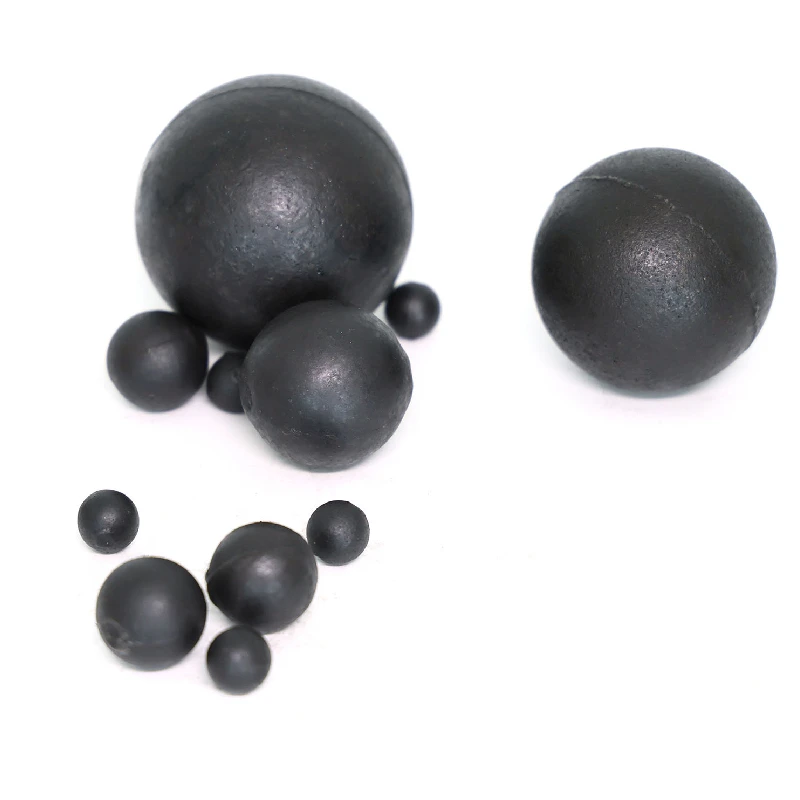
(manganese casting)
Manganese Casting: The Backbone of Heavy-Duty Industrial Solutions
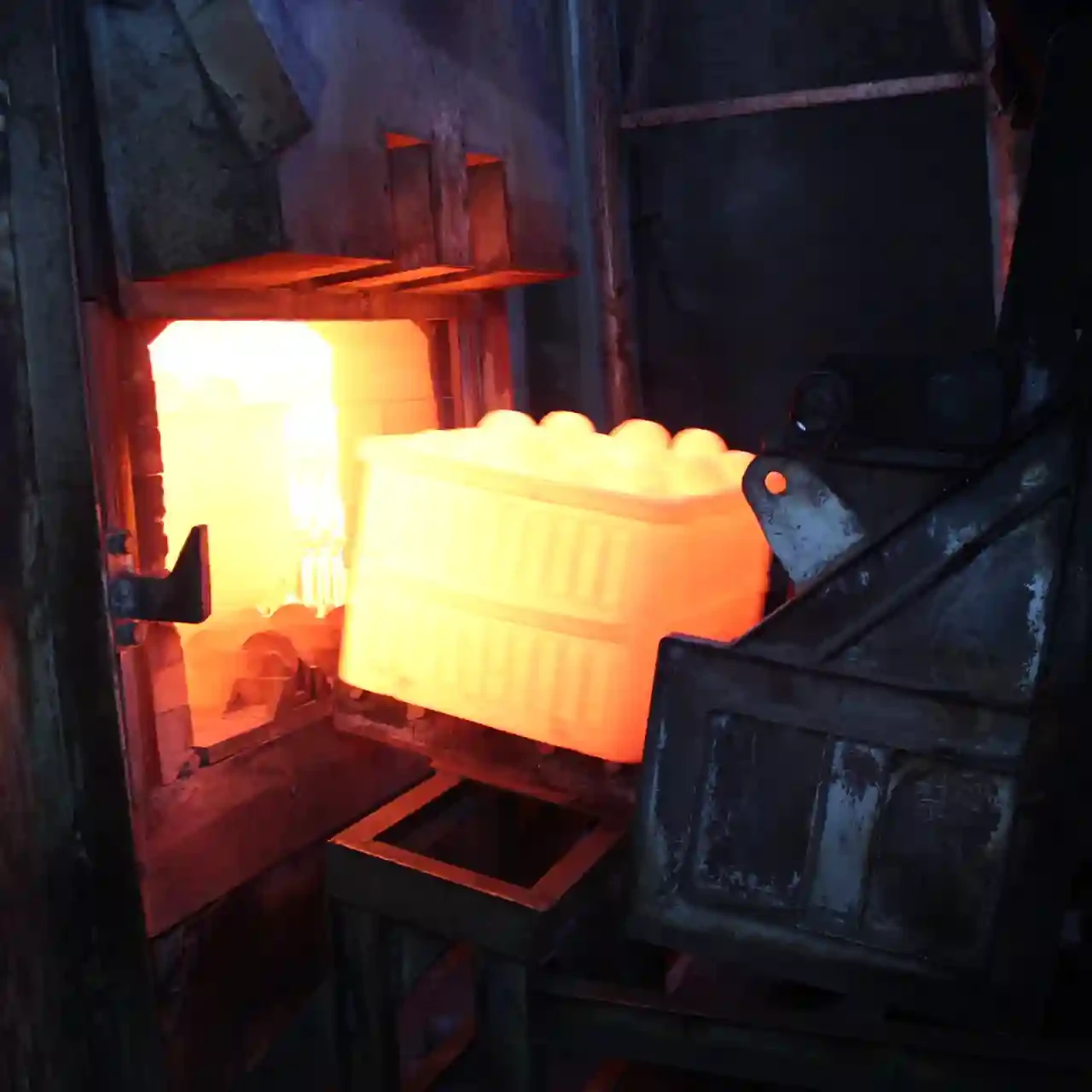
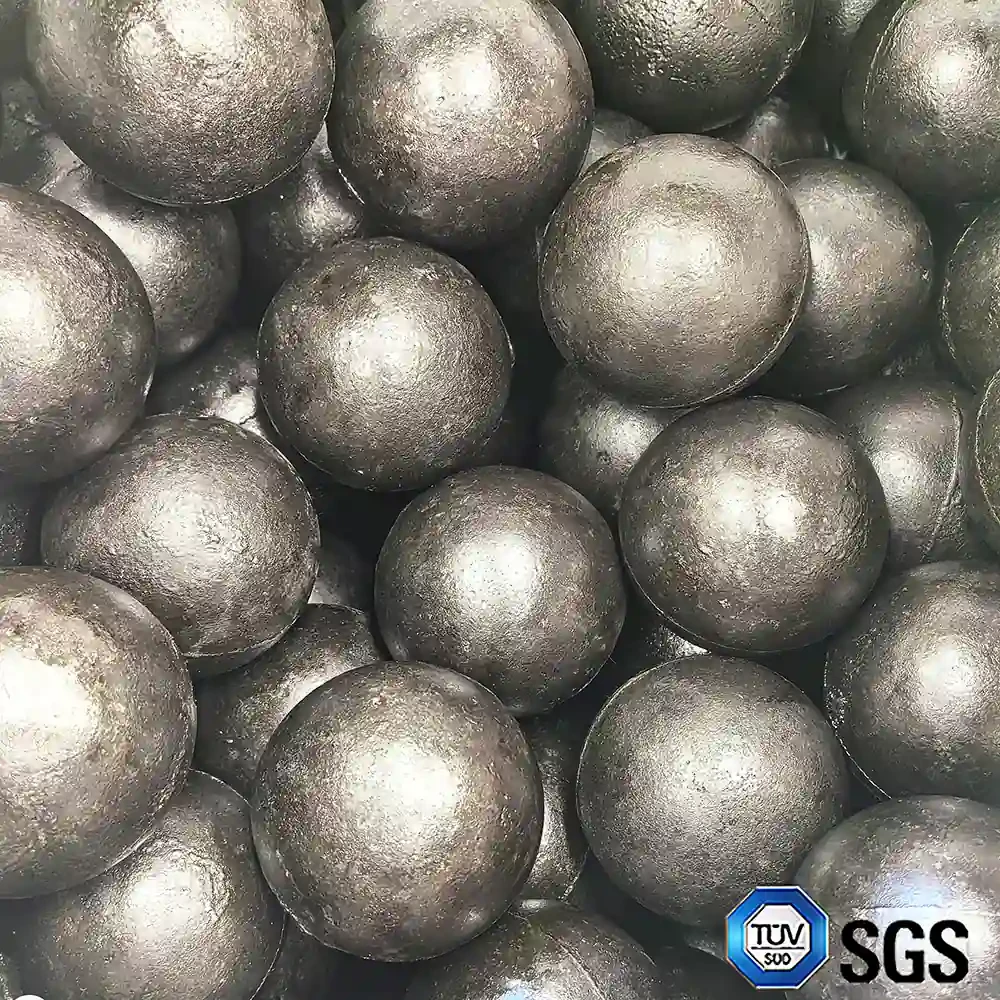
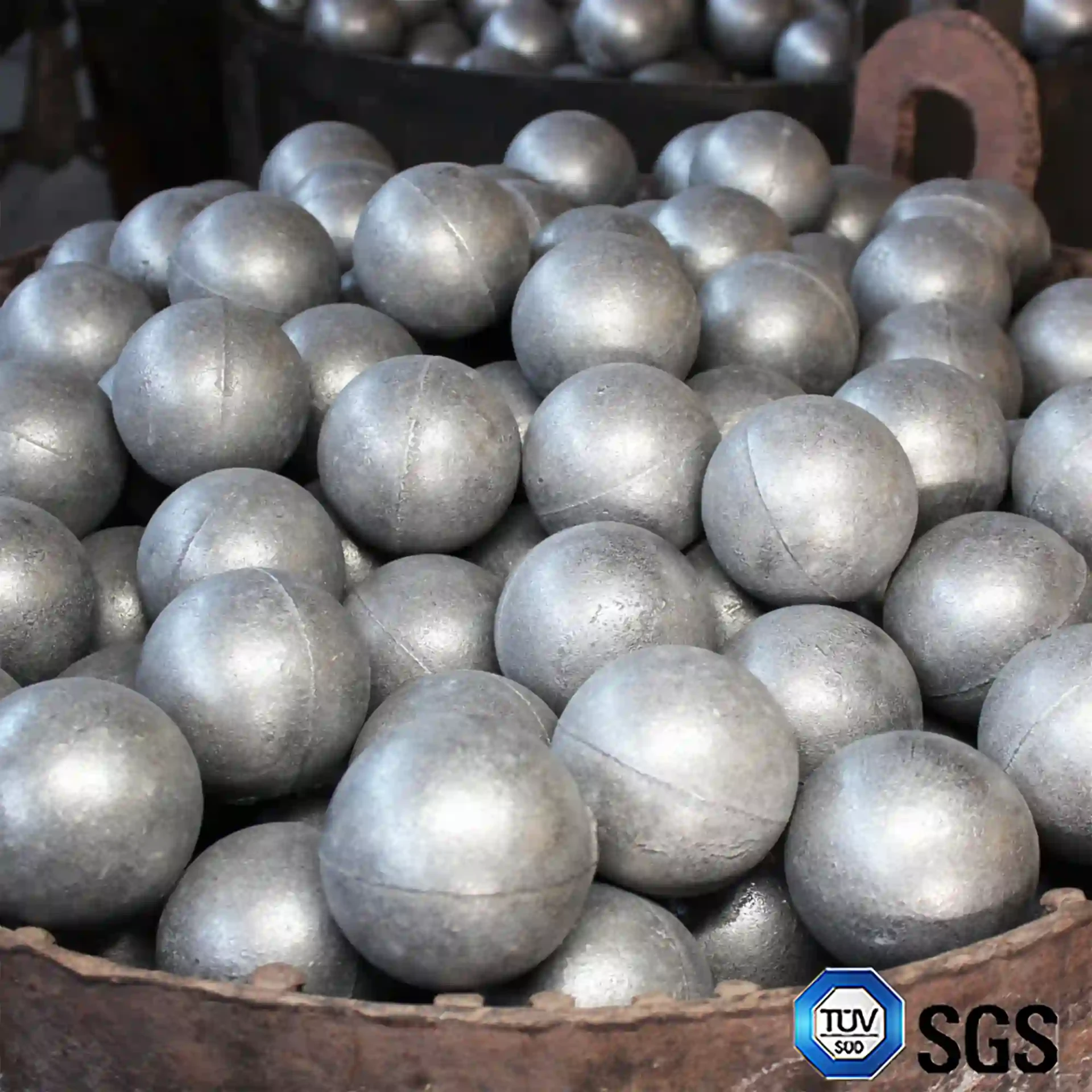
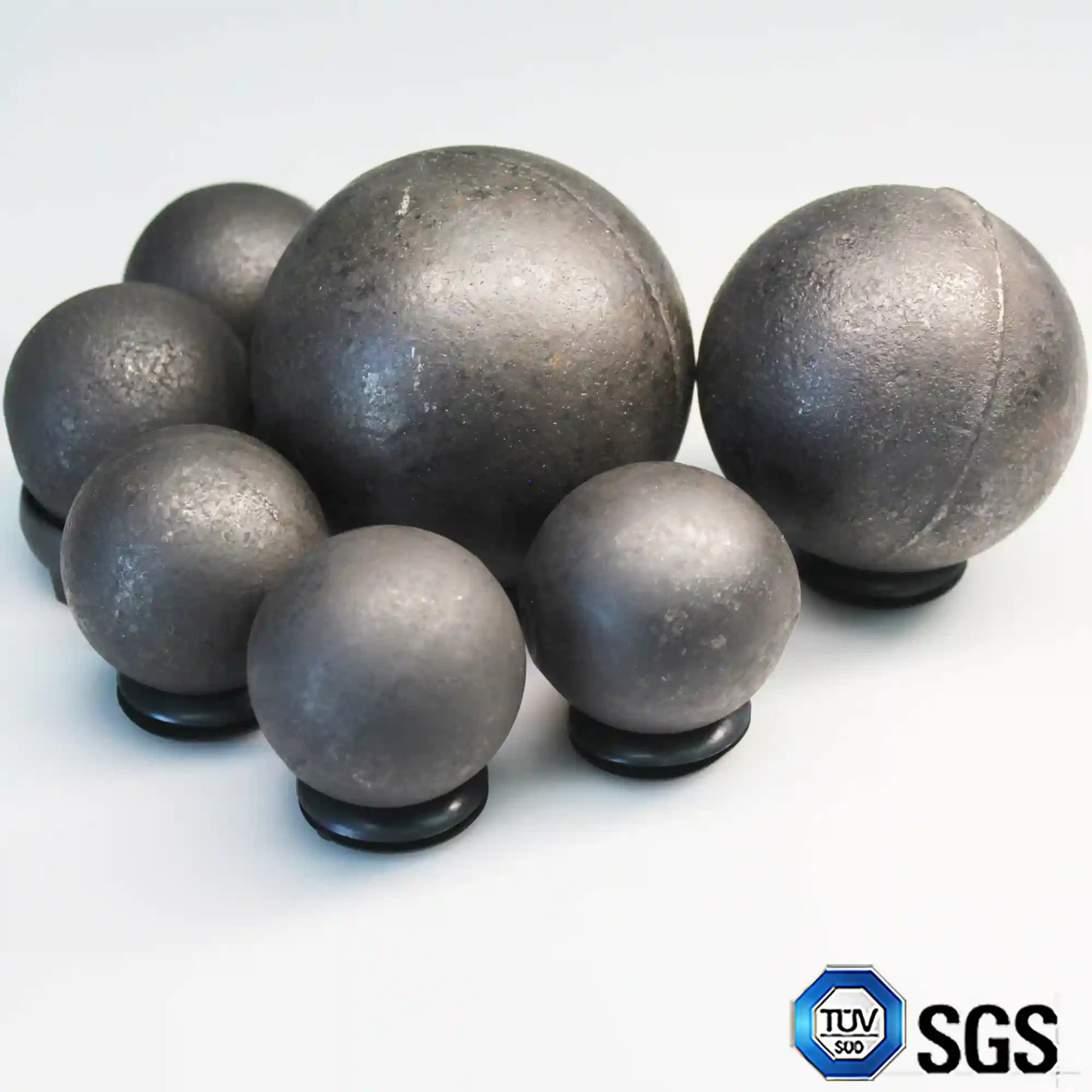
Manganese casting, particularly high manganese steel casting, serves as the cornerstone for industries requiring extreme wear resistance. With a global market valuation exceeding $4.8 billion (2023), these alloys deliver 3-5x longer service life than standard carbon steels in impact-intensive environments. The unique work-hardening property of manganese alloys enables surface hardness to increase from 200 HB to 550 HB during operation.
Technical Superiority of High Manganese Steel Castings
Advanced manganese casting
s achieve:
- Impact toughness: 150-250 J/cm² at -40°C
- Yield strength: 350-450 MPa post heat treatment
- Wear resistance: 0.08-0.12 mm³/Nm under ASTM G65 testing
The patented Mn-Cr-Mo alloy variant demonstrates 18% better fatigue resistance than conventional Hadfield steel.
Optimizing Performance Through Thermal Processing
Controlled heat treatment of manganese steel casting enhances:
| Process Stage | Temperature Range | Duration | Resulting Hardness |
|---|---|---|---|
| Solution Annealing | 1050-1100°C | 2-4 hrs | 200-220 HB |
| Water Quenching | 30-50°C | Instant | 450-550 HB (surface) |
Manufacturer Comparison: Key Performance Metrics
| Supplier | Alloy Composition | Tensile Strength | Impact Energy | Certifications |
|---|---|---|---|---|
| Company A | Mn13Cr2 | 850 MPa | 220 J | ISO 9001, ASTM A128 |
| Company B | Mn18Cr1Mo | 920 MPa | 190 J | ASME, EN 10293 |
Custom Engineering for Specific Operational Demands
Specialized casting solutions address:
- Aggregate size distribution in mining crushers
- Thermal cycling in cement kiln components
- Corrosion-wear synergy in dredging equipment
Case study: Custom Mn18Cr2Ni cast liners increased service intervals by 140% in copper ore processing plants.
Proven Success Across Multiple Industries
Documented performance improvements include:
- 38% reduction in replacement costs for railway crossings
- 27% energy savings in mineral grinding operations
- 62% decrease in downtime for cement plant crushers
Manganese Casting Innovations Shaping Industrial Evolution
Emerging technologies in manganese casting integrate real-time hardness monitoring and AI-driven wear prediction systems. These advancements promise to extend component lifetimes by 40-60% while reducing material waste through precision casting techniques. The development of hybrid Mn-B-Ni alloys (patent pending) shows potential for 300% improvement in corrosion resistance under acidic conditions.
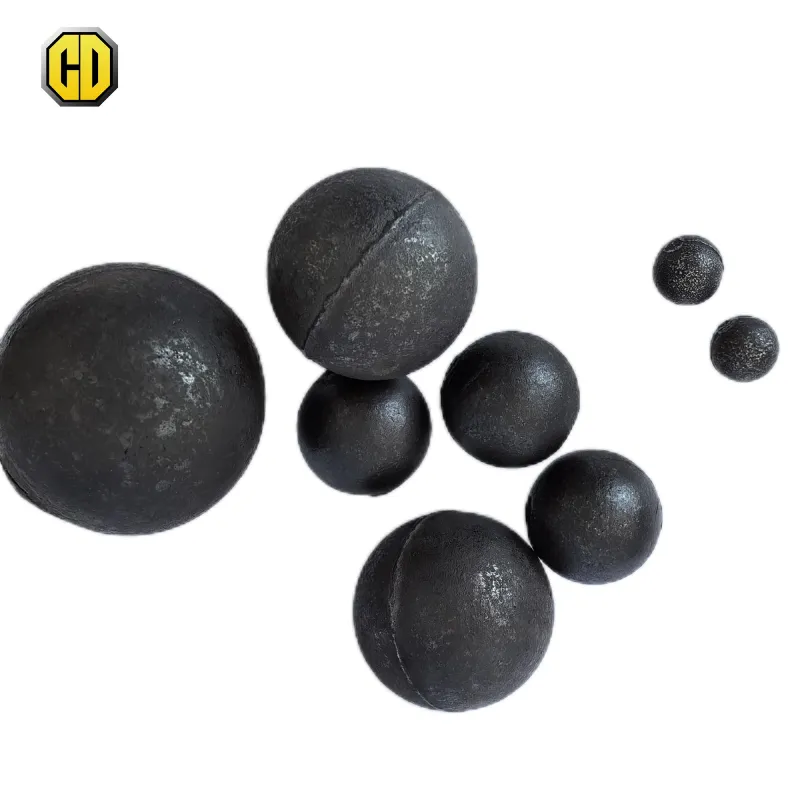
(manganese casting)
FAQS on manganese casting
Q: What are the key properties of high manganese steel casting?
A: High manganese steel casting offers exceptional wear resistance, toughness, and work-hardening capabilities. Its austenitic structure enables it to withstand heavy impact and abrasion, making it ideal for mining and construction equipment.
Q: Why is heat treatment critical for manganese steel casting?
A: Heat treatment relieves internal stresses and enhances ductility and wear resistance. Rapid cooling (e.g., water quenching) preserves the austenitic microstructure, ensuring optimal performance in harsh conditions.
Q: What industries commonly use manganese casting?
A: Manganese castings are widely used in mining, rail transport, and cement industries. They are critical for components like crusher jaws, railroad crossings, and excavator buckets due to their durability.
Q: How does heat treatment affect high manganese steel casting performance?
A: Proper heat treatment (solution annealing and quenching) improves toughness and surface hardness. This process prevents premature cracking and extends the component’s service life under abrasive conditions.
Q: What distinguishes manganese castings from other alloy castings?
A: Manganese castings excel in high-stress, abrasive environments due to their unique work-hardening ability. Unlike standard alloys, they gain hardness during use, reducing replacement frequency and costs.
-
Industrial Guide to Ferro Manganese Medium Carbon for Steel Production
NewsApr.16,2026
-
Professional Guide and Best Practices for drilling manganese steel
NewsApr.09,2026
-
Comprehensive Guide to DIN 1.3401 Stainless Steel Properties and Applications
NewsApr.07,2026
-
Optimizing Crusher Performance with Durable Manganese Alloys and Steel
NewsApr.04,2026
-
Comprehensive Guide to Chrome Manganese Steel Properties and Industrial Applications
NewsMar.31,2026
-
Understanding the Properties and Applications of Cast Manganese Steel
NewsMar.28,2026