Oct . 16, 2025 15:00 Back to list
Manganese Steel Plate - High Wear & Impact Resistance
manganese steel plate: a field-tested guide for buyers in mining, cement, and recycling
If you spend time around crushers, buckets, or rail crossings, you learn quickly: not all wear plate is created equal. The manganese steel plate—the classic Hadfield grade—still dominates wherever impact meets abrasion. I’ve watched operators swing between AR hydraulics and martensitic alternatives, yet when the feed gets nasty and the hits are heavy, they circle back to high-Mn austenitic steel for one reason: it work-hardens instead of giving up.
What it is (and why it still matters)
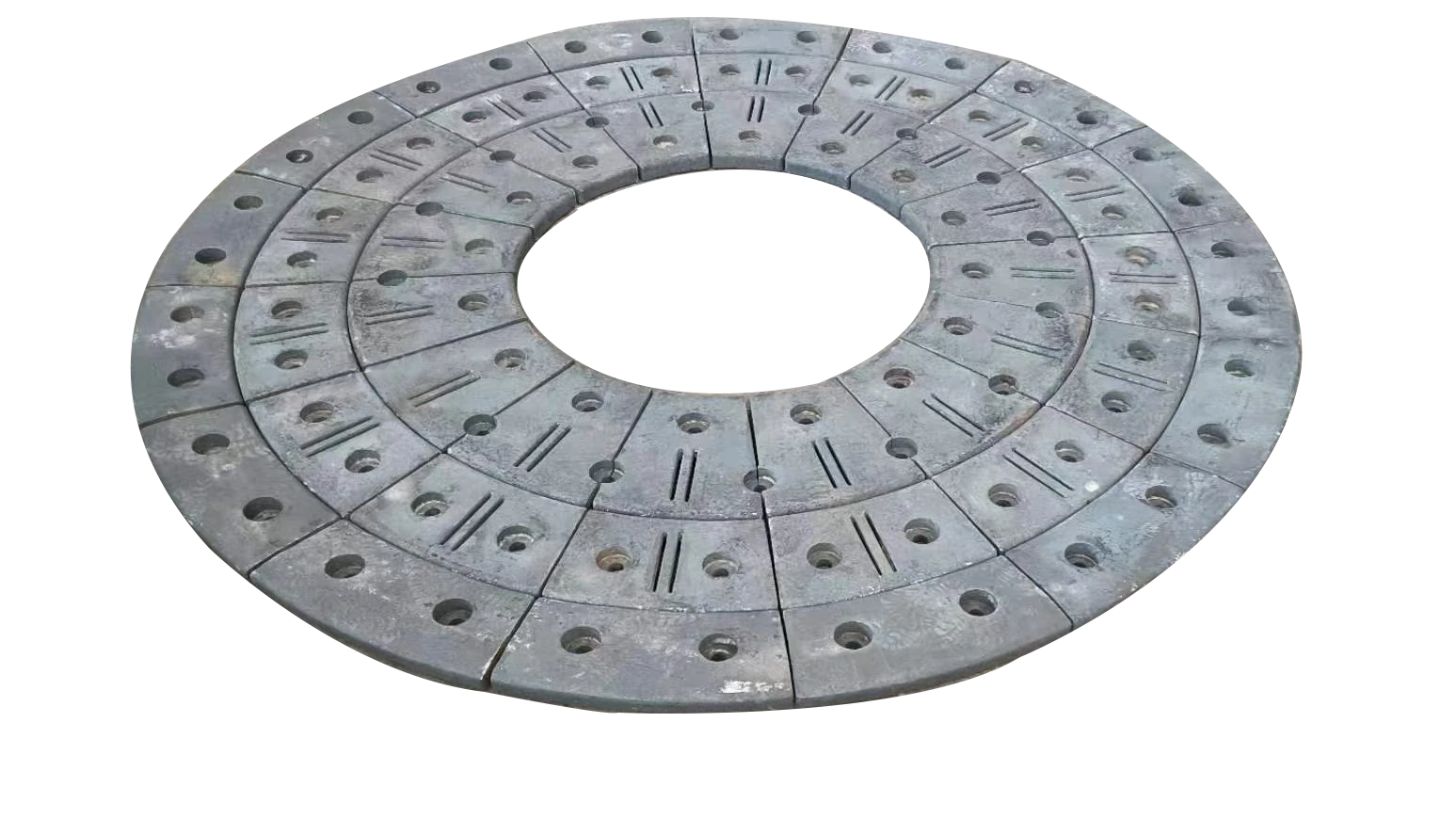
Hadfield-type manganese steel plate (often X120Mn12 / 1.3401) is an austenitic steel with high Mn content. In service, the surface work-hardens to ~HB 500–600 while the core stays tough. That duality—hard skin, tough heart—explains the cult following in jaw liners, impact aprons, and bucket lips.
Typical specs (shop-floor numbers, not brochure fluff)
| Property | Typical Value (≈, real-world use may vary) |
|---|---|
| Chemistry | C 1.0–1.4%; Mn 11–14%; Si 0.3–1.0%; P ≤0.07%; S ≤0.04% |
| Delivery condition | Solution-treated (water quenched) austenitic |
| Hardness (as-rolled/solution treated) | HB 180–220 |
| Work-hardened surface | HB 500–600 after impact/abrasion |
| UTS | ≈ 800–1000 MPa (after work hardening) |
| Impact toughness | High (Charpy passes at room temp) |
| Common thicknesses | 6–60 mm; wider plates often 1500–2000 mm |
| Certifications | EN 10204 3.1; CE, ISO 9001; heat treatment charts available |
Process flow (how good plate actually gets made)
- Materials: clean charge with low S/P, controlled C and Mn additions.
- Melting & casting/rolling: refine, deoxidize; slab rolled or cast shapes as required.
- Solution treatment: ≈1050–1100°C water quench for full austenite.
- Finishing: plasma/waterjet cutting; straightening; optional shot peen.
- Testing: chemistry (OES), hardness (ISO 6506 / ASTM E10), tensile (ASTM A370), impact (ASTM E23), abrasion (ASTM G65).
- Docs: EN 10204 3.1, heat map, ultrasonic on request (EN 10160).
Where it shines
Jaw crusher liners, cone mantles, impact aprons, chute liners, bucket lips, rail frogs/crossings, shot-blast cabinets. Many customers say manganese steel plate beats AR400/500 under repeated impact; however, under pure sliding abrasion with low impact, high-chrome wear parts can win. Smart buyers mix and match.
Vendor snapshot (real-world comparison)
| Vendor | Edge | Lead time | Notes |
|---|---|---|---|
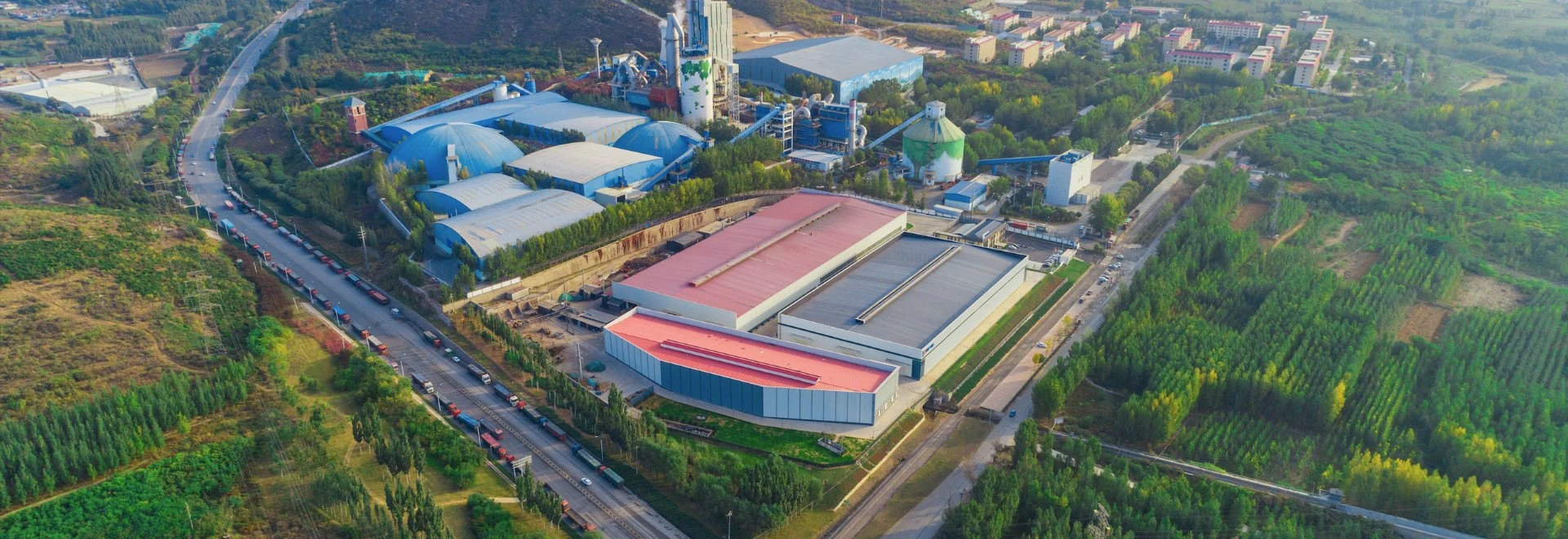
| Hebei Chengda (Luquan, Shijiazhuang) | Strong in wear parts; can pair manganese steel plate with quenched high-chrome hammers | ≈ 2–4 weeks | ISO 9001; EN 10204 3.1; origin: KIZUN Industry Zone |
| Mill A (EU) | Ultrasonic + tight flatness | 4–6 weeks | Premium price |
| Mill B (India) | Cost-effective, wide slabs | 3–5 weeks | Check inclusion control |
| Mill C (Korea) | Consistent chemistry | 2–3 weeks | Good machining finish |
Customization tips
- Order solution-treated plates; request quench records.
- Specify cut method (waterjet for tight fit-ups) and bevelling for weld zones.
- Ask for pre-hardening via shot peen if break-in time is short.
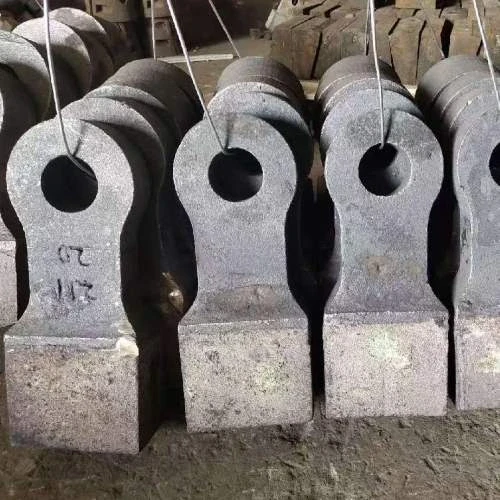
- For hybrid builds, combine manganese steel plate liners with high-chrome impact elements. Chengda’s high chrome hammer heads are a practical match in impact zones.
Field notes and case studies
Mining quarry (granite, jaw crusher): swapping AR500 cheeks for manganese steel plate increased service life ≈2.3×; downtime fell one shift per month. Cement plant (clinker cooler chutes): HB work-hardening kicked in after 72 hours, wear rate dropped ≈40% vs. tempered martensitic plate. Crew feedback was honest: “Fit-up took longer, but once it seated, we stopped babysitting it.”
Related product synergy
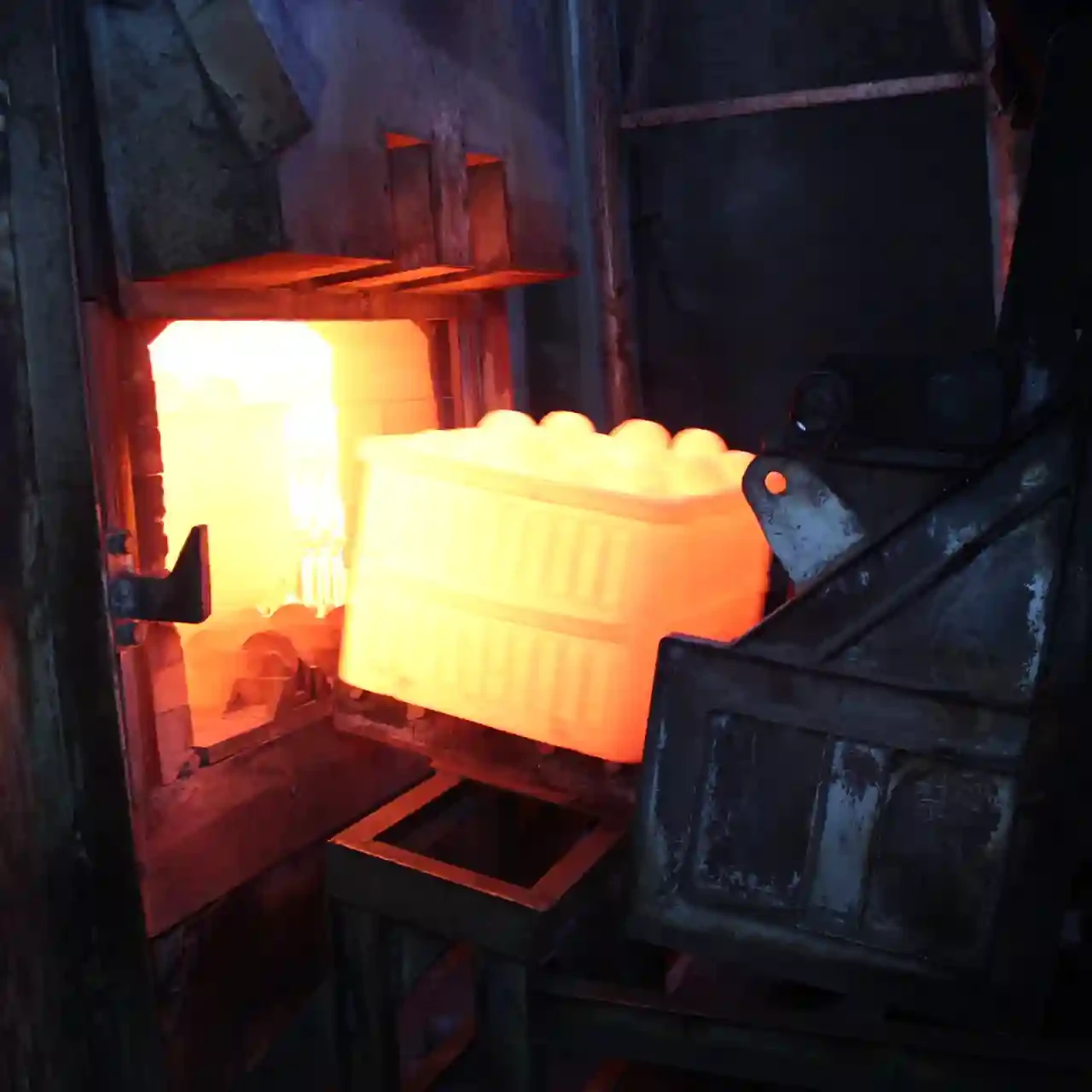
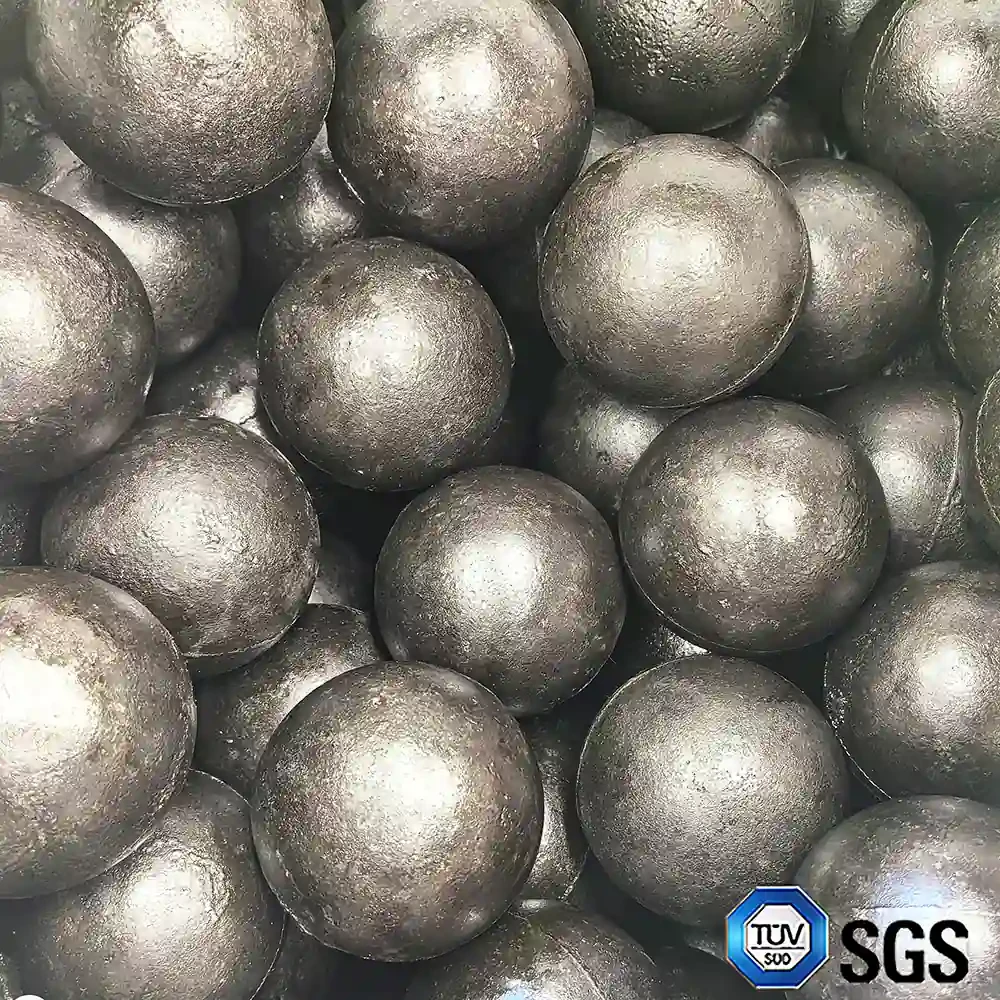
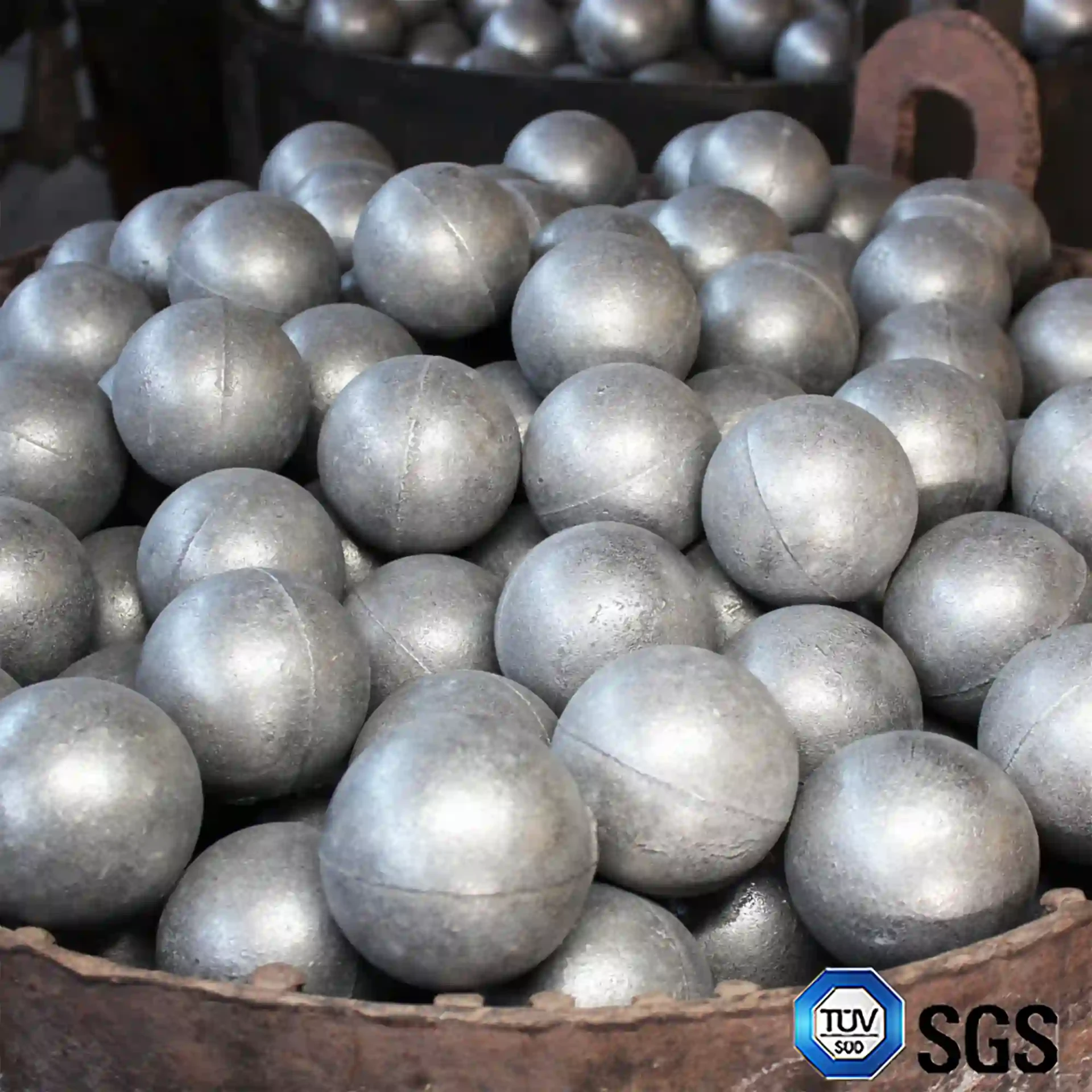
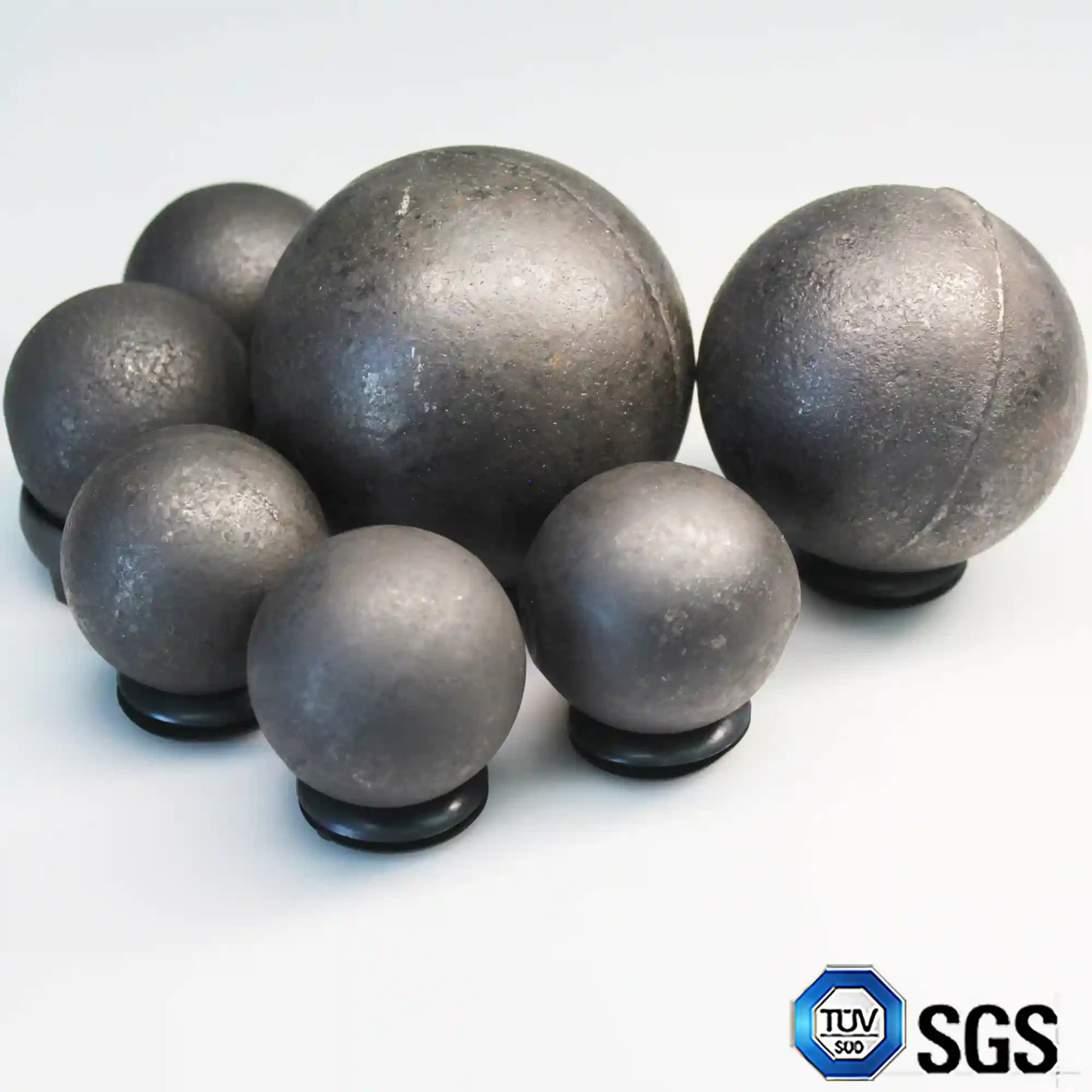
From Hebei, the High Chrome Hammer Head uses quenched high-chromium cast iron—stable, safe, and seriously wear-resistant under direct impact. In practice, impact parts take the punch while manganese steel plate soaks the combined impact/abrasion around it. It’s a sensible combo on shredders and impactors when tuned properly.
Standards and test references
- ASTM A128/A128M — Steel Castings, Austenitic Manganese (composition/performance baseline).
- DIN 1.3401 (X120Mn12) — High-manganese austenitic steel designation, typical plate chemistry.
- EN 10204:2004 — Metallic products, inspection documents (3.1 certificates).
- ASTM G65 — Standard Test Method for Measuring Abrasion Using the Dry Sand/Rubber Wheel Apparatus.
- ISO 6506-1 / ASTM E10 — Brinell hardness test; ASTM A370 / E23 — mechanical/impact testing.
-
Industrial Guide to Ferro Manganese Medium Carbon for Steel Production
NewsApr.16,2026
-
Professional Guide and Best Practices for drilling manganese steel
NewsApr.09,2026
-
Comprehensive Guide to DIN 1.3401 Stainless Steel Properties and Applications
NewsApr.07,2026
-
Optimizing Crusher Performance with Durable Manganese Alloys and Steel
NewsApr.04,2026
-
Comprehensive Guide to Chrome Manganese Steel Properties and Industrial Applications
NewsMar.31,2026
-
Understanding the Properties and Applications of Cast Manganese Steel
NewsMar.28,2026