Oct . 16, 2025 12:10 Back to list
Mill Liners: Wear-Resistant, Custom-Fit, OEM & Fast Delivery
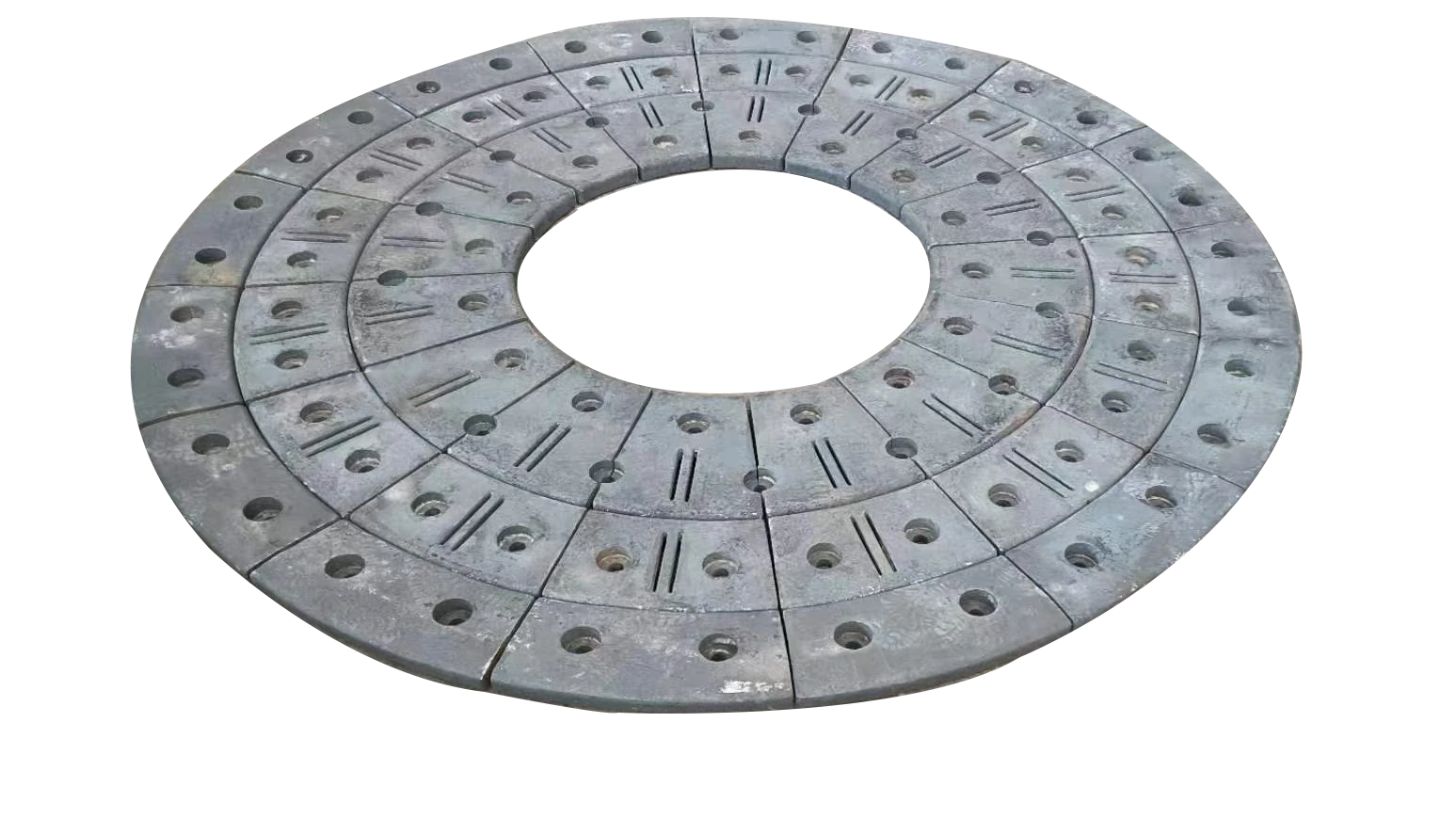
A Field Note on mill liners: High-Manganese Steel Lining Plate | Grate Plate
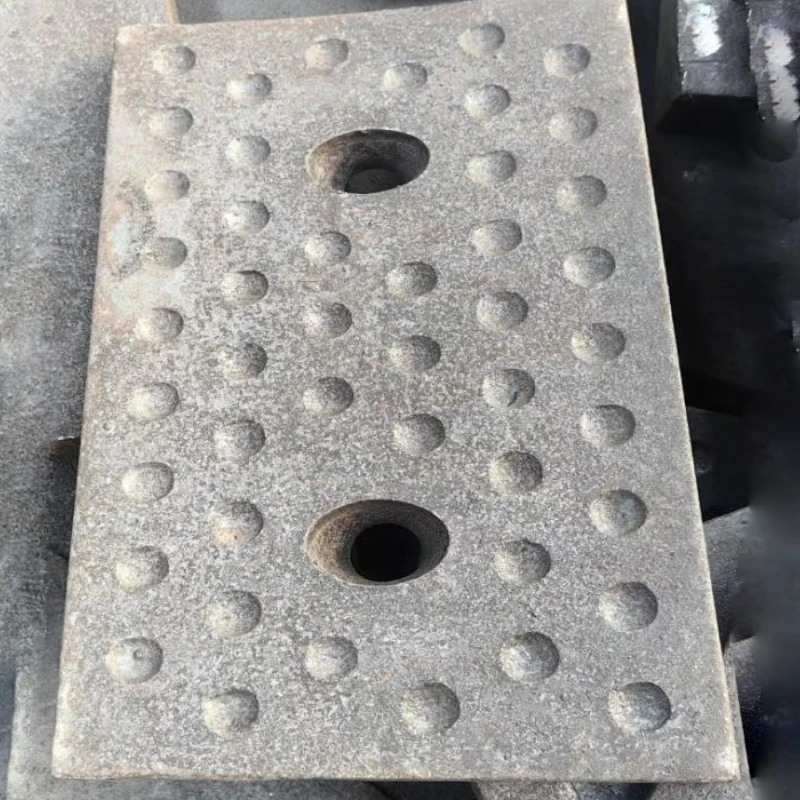
If you spend enough time around crushing circuits and ball mills, you start recognizing the sound of good steel under load. I’ve stood inside a half-relined SAG mill that looked like a chewed-up moon crater—and, surprisingly, the Hadfield plates still had fight left in them. That’s the thing about high-manganese austenitic steel: it work-hardens when life gets rough.
What’s moving the market
Three trends keep coming up in plant reviews: larger mills, predictive maintenance, and smarter wear materials. Composites get buzz, but in high-impact zones (think feed end, lifters, and grates), many customers say high-manganese still wins on safety, ductility, and the ability to “heal” via work hardening. ESG pressure? Yes—longer wear life and fewer change-outs reduce risk and downtime. It seems that procurement teams also want supply-chain resilience, not just the cheapest quote.
Technical backbone (Hadfield steel, in brief)
High-manganese steel (Hadfield) typically runs Mn 10–15% and C 0.90–1.50% (often >1.0%). Under severe impact or contact stress, the surface hardens rapidly while the core stays tough—exactly the combo you want for mill liners and grate plates in mining and cement.
| Parameter | Typical spec (≈) | Notes (real-world use may vary) |
|---|---|---|
| Material grade | Austenitic Mn steel (ASTM A128/A128M) | Hadfield chemistry, controlled melt |
| Chemistry | Mn 10–15%; C 0.90–1.50% | Low impurities; spectrometer verified |
| Hardness | As-cast ≈200 HB; work-hardened ≈400–550 HB | Hardens with impact/abrasion |
| Impact toughness | >100 J (Charpy) | Austenitic tough core for safety |
| Thickness range | 20–120 mm | Custom profiles and lifter geometry |
| Service life | ≈15–40% longer vs. plain low-alloy in high-impact zones | Depends on ore, speed, media, liner design |
| Testing | UT/MT/PT; spectro; dimensional checks | ASTM A128; ISO 8062-3 for cast tolerance |
From pour to performance: how it’s made and validated
- Materials: Selected ferromanganese, low S/P scrap; chemistry tuned for work-hardening.
- Methods: Sand casting with chill control; solution heat treatment; water quench; stress relief.
- Machining: Drilling/slotting for bolt patterns; flatness checks.
- Testing standards: ASTM A128/A128M; NDT per ASTM E165/E709; hardness mapping; spectrometry.
- Service life audits: Wear scanning (3D), throughput correlation, planned change-out windows.
Where they run best
Mining (SAG/ball), cement finish mills, aggregates, and coal prep. Grate plates see tough duty—impact, extrusion, and fines abrasion. In fact, mill liners from high-manganese steel remain the go-to for critical impact hot spots.
Vendor snapshot (origin matters)
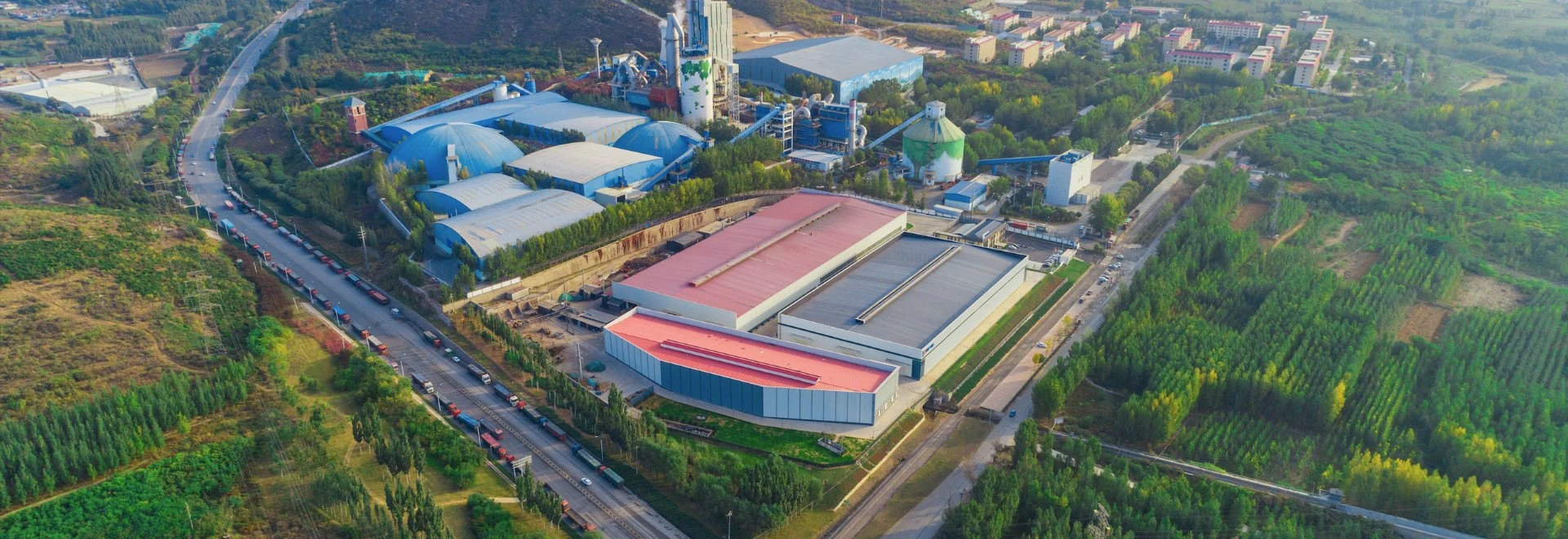
Origin: KIZUN Industry Zone, Luquan, Shijiazhuang, Hebei, China. To be honest, traceability and on-site fit verification often decide uptime more than catalog specs.
| Vendor | Material & QA | Customization | Lead time | Certs |
|---|---|---|---|---|
| Chengda (Hebei) | ASTM A128, full heat lot traceability, UT/MT/PT | OEM drawings, site scan, trial fit | ≈4–8 weeks | ISO 9001; test reports shared |
| Vendor X (generic) | Basic Mn steel; partial NDT | Pattern-only | ≈6–10 weeks | Factory CoC |
| Vendor Y (composite) | Rubber/metal hybrids | Good noise control | ≈8–12 weeks | ISO; material datasheets |
Real jobs, real wear
- Copper concentrator, SAG feed end: high-manganese mill liners added ≈22% life vs. quenched/tempered alloy; fewer bolt inspections.
- Cement plant, grate discharge: redesigned apertures cut blinding by ≈15%; steady kWh/t improvement (modest, but noticed).
Feedback is blunt: crews like plates that don’t crack under mis-hits and still harden where the rocks bite. Actually, that’s the selling point.
Customization checklist
- Drawing audit and 3D scan of shell.
- Lifter angle, height, and spacing optimization (throughput vs. wear balance).
- Heat treatment recipe locked to section thickness.
- Full NDT, hardness map, and chemistry cert with shipment.
Authoritative citations:
- ASTM A128/A128M – Standard Specification for Steel Castings, Austenitic Manganese. https://www.astm.org/a0128_a0128m-21.html
- ISO 9001:2015 – Quality management systems. https://www.iso.org/standard/62085.html
- SME Mining Engineering Handbook (Society for Mining, Metallurgy & Exploration). https://www.smenet.org/publications/books
- Work hardening behavior of Hadfield steel – overview. DOI:10.1016/S0921-5093(99)00273-0
-
Industrial Guide to Ferro Manganese Medium Carbon for Steel Production
NewsApr.16,2026
-
Professional Guide and Best Practices for drilling manganese steel
NewsApr.09,2026
-
Comprehensive Guide to DIN 1.3401 Stainless Steel Properties and Applications
NewsApr.07,2026
-
Optimizing Crusher Performance with Durable Manganese Alloys and Steel
NewsApr.04,2026
-
Comprehensive Guide to Chrome Manganese Steel Properties and Industrial Applications
NewsMar.31,2026
-
Understanding the Properties and Applications of Cast Manganese Steel
NewsMar.28,2026