



News
-
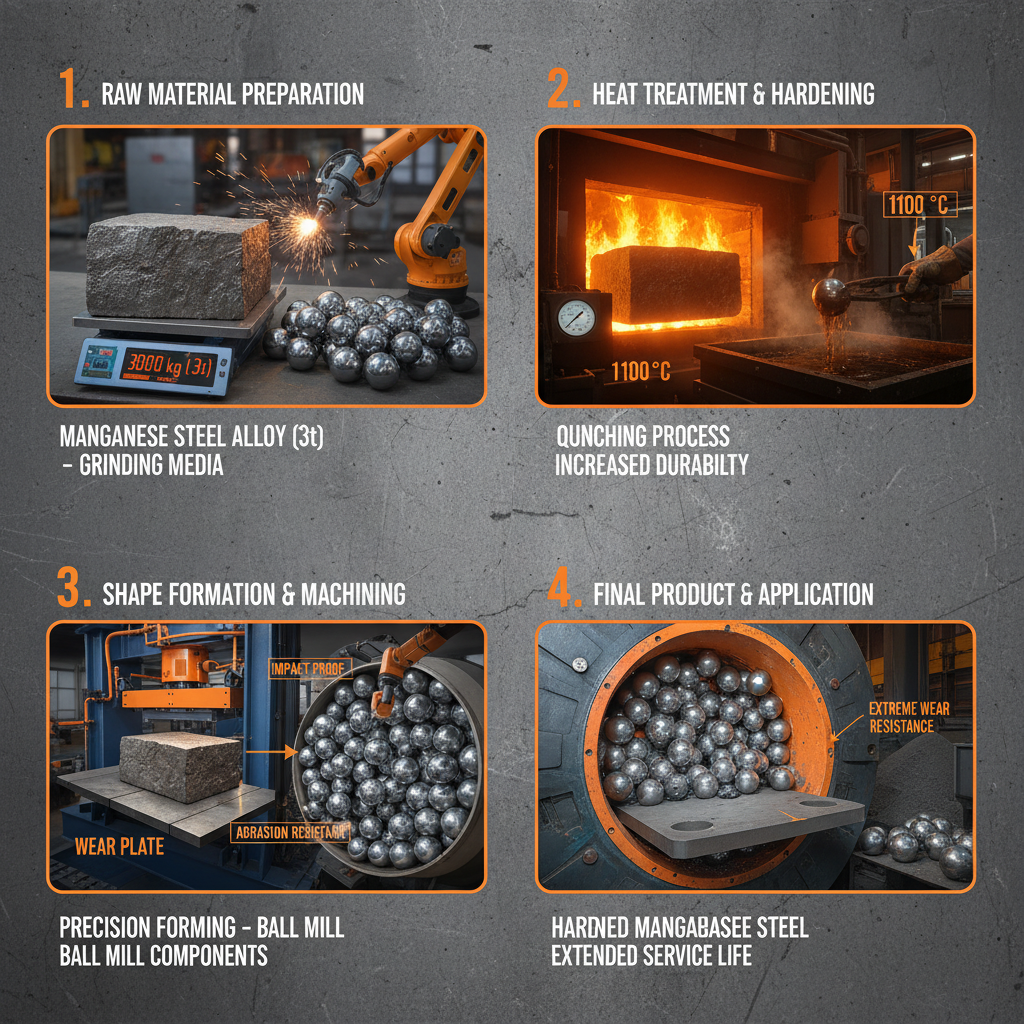
Understanding the Superior Performance of 3T Hardened Manganese Steel Applications
3T hardened manganese steel is a specialized alloy known for its exceptional toughness, wear resistance, and impact strength. This material plays a crucial role in various industries, from mining and construction to railway and agriculture. This article will explore the composition, properties, manufacturing processes, and diverse applications of 3T hardened manganese steel. We’ll also examine its advantages over other materials and discuss key considerations when selecting it for specific projects. 3T hardened manganese steel refers to a specific grade of Hadfield manganese steel that undergoes a hardening process. Hadfield steel, originally developed by Sir Robert Hadfield in 1905, is characterized by its high manganese content (typically around 12-14%). This high manganese content imparts unique properties, most notably work hardening. When subjected to impact, the surface of 3T manganese steel becomes significantly harder, offering exceptional resistance to abrasion and wear.Read more -
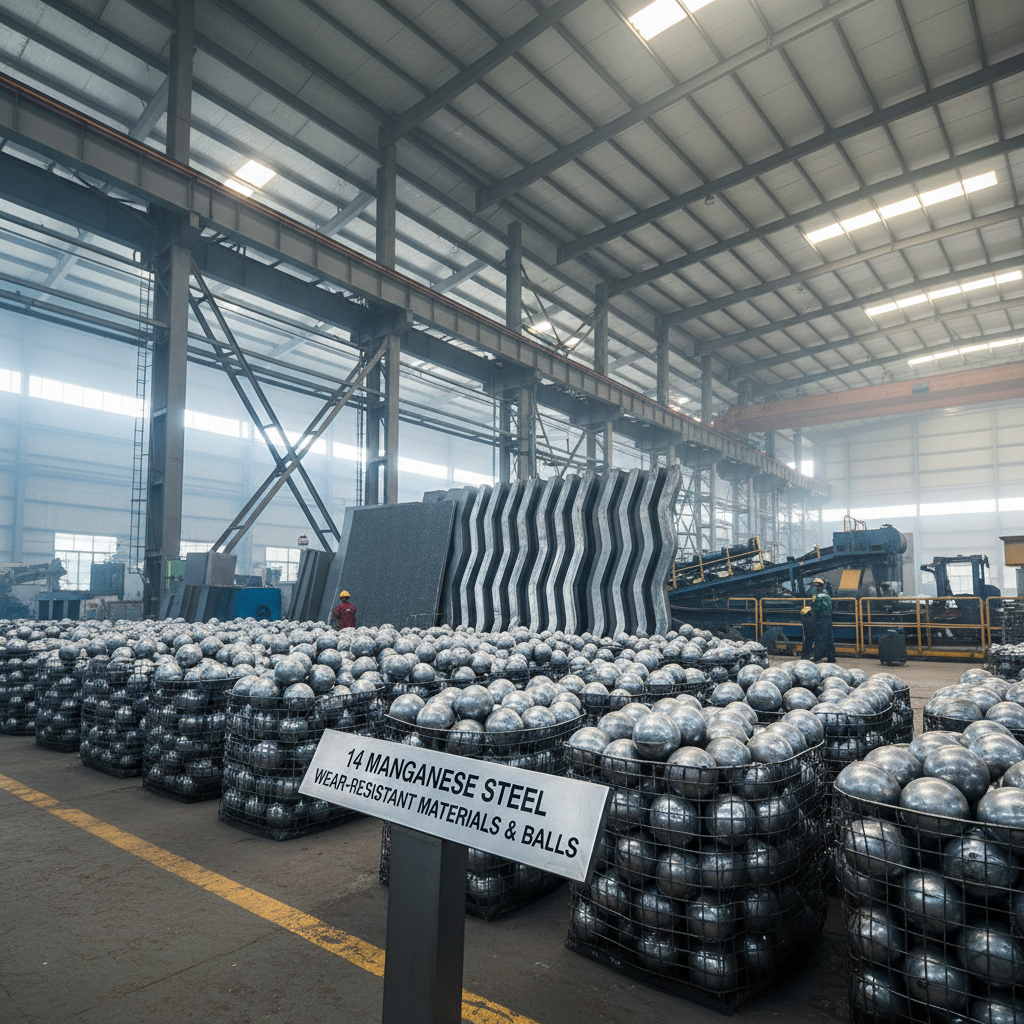
Comprehensive Guide to 14 Manganese Steel Properties and Industrial Applications
14 manganese steel, a medium-carbon alloy, is renowned for its exceptional toughness, wear resistance, and hardenability. This makes it a crucial material in various industries, from railway components to rock crushing equipment. This article will delve into the characteristics, applications, and benefits of 14 manganese steel, providing a comprehensive overview for engineers, purchasers, and anyone interested in this robust material. You can find high-quality steel products from our website. Choosing the right steel grade is paramount for project success and longevity. The core of 14 manganese steel's performance lies in its specific chemical composition. It typically contains approximately 1.4% carbon, 12-14% manganese, along with smaller amounts of silicon, phosphorus, and sulfur. The high manganese content is critical, enabling the austenitic structure and remarkable impact toughness.Read more -
Comprehensive Guide to 1.3401 Steel Properties Applications and Sourcing
1.3401 steel, a high-quality stainless steel, is renowned for its exceptional corrosion resistance, strength, and durability. Often referred to as Grade 304 stainless, this austenitic stainless steel is widely used across numerous industries, including chemical processing, food and beverage, pharmaceuticals, and construction. This article provides a comprehensive overview of 1.3401 steel, delving into its chemical composition, key properties, common applications, and factors to consider when sourcing this versatile material. Understanding these aspects is crucial for selecting the right material for your specific needs. The properties of 1.3401 steel are directly linked to its precise chemical composition. The primary elements and their approximate percentages are as follows: Carbon (C) – 0.08%, Manganese (Mn) – 2.00%, Silicon (Si) – 1.00%, Chromium (Cr) – 18.00-20.00%, Nickel (Ni) – 8.00-10.50%, Phosphorus (P) – 0.045%, and Sulfur (S) – 0.030%. The high chromium content (18-20%) is the key to its exceptional corrosion resistance, forming a passive chromium oxide layer on the surface.Read more -
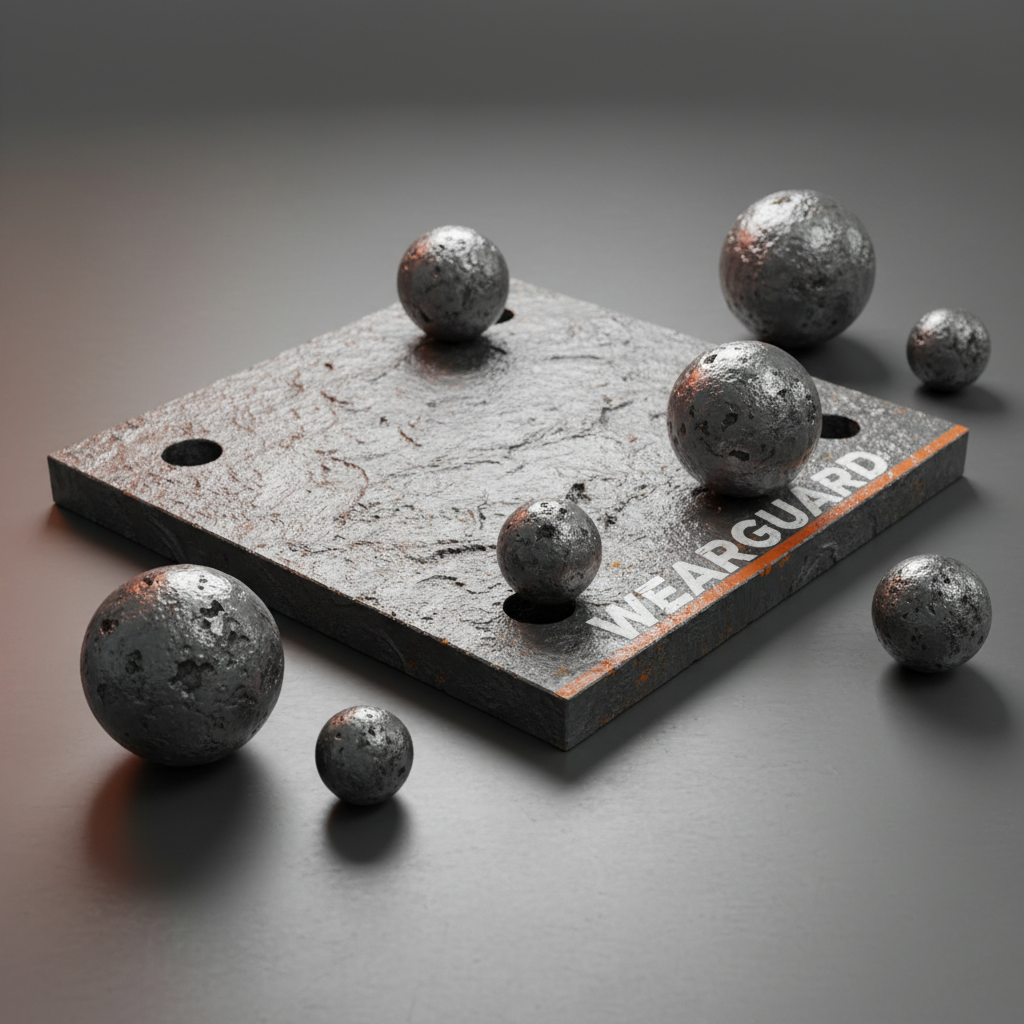
Comprehensive Guide to Manganese Wear Plates for Enhanced Equipment Durability
Manganese wear plates are a critical component in industries dealing with high-impact and abrasive materials. These plates, renowned for their exceptional durability, offer a cost-effective solution for extending the lifespan of equipment and reducing maintenance costs. This article will explore the properties, applications, benefits, and selection criteria for manganese wear plates, providing a comprehensive understanding for engineers, procurement professionals, and industry stakeholders. Choosing the right wear plate significantly impacts operational efficiency and long-term cost savings. Manganese wear plates are typically manufactured from Hadfield steel (approximately 12-14% manganese, 1.0-1.2% carbon), which exhibits a unique work-hardening property. This means that as the plate is subjected to impact and abrasion, the surface layer becomes significantly harder and more resistant to wear. Unlike many other materials that lose strength with deformation, Hadfield steel actually increases in strength. This makes manganese wear plates ideal for applications involving crushing, grinding, and high-stress impact.Read more -

Comprehensive Guide to High Manganese Steel Plate Properties and Applications
High manganese steel plate, often referred to as Hadfield steel, is a remarkable material renowned for its exceptional toughness, wear resistance, and impact strength. These qualities make it an ideal choice for a wide array of demanding applications across various industries. Chengda Steel specializes in providing high-quality high manganese steel plates tailored to meet diverse client needs. Understanding the properties and applications of this steel is crucial for engineers, designers, and procurement professionals. This article will delve into the characteristics, manufacturing processes, benefits, and common uses of high manganese steel plate. High manganese steel typically contains around 12-14% manganese, with carbon levels ranging from 0.8 to 1.05%. This specific composition grants the steel its unique properties. The high manganese content significantly enhances its work-hardening capability, meaning the material becomes stronger and more wear-resistant as it undergoes impact and abrasion. The austenitic structure of the steel contributes to its high ductility and toughness, allowing it to absorb significant energy without fracturing.Read more -
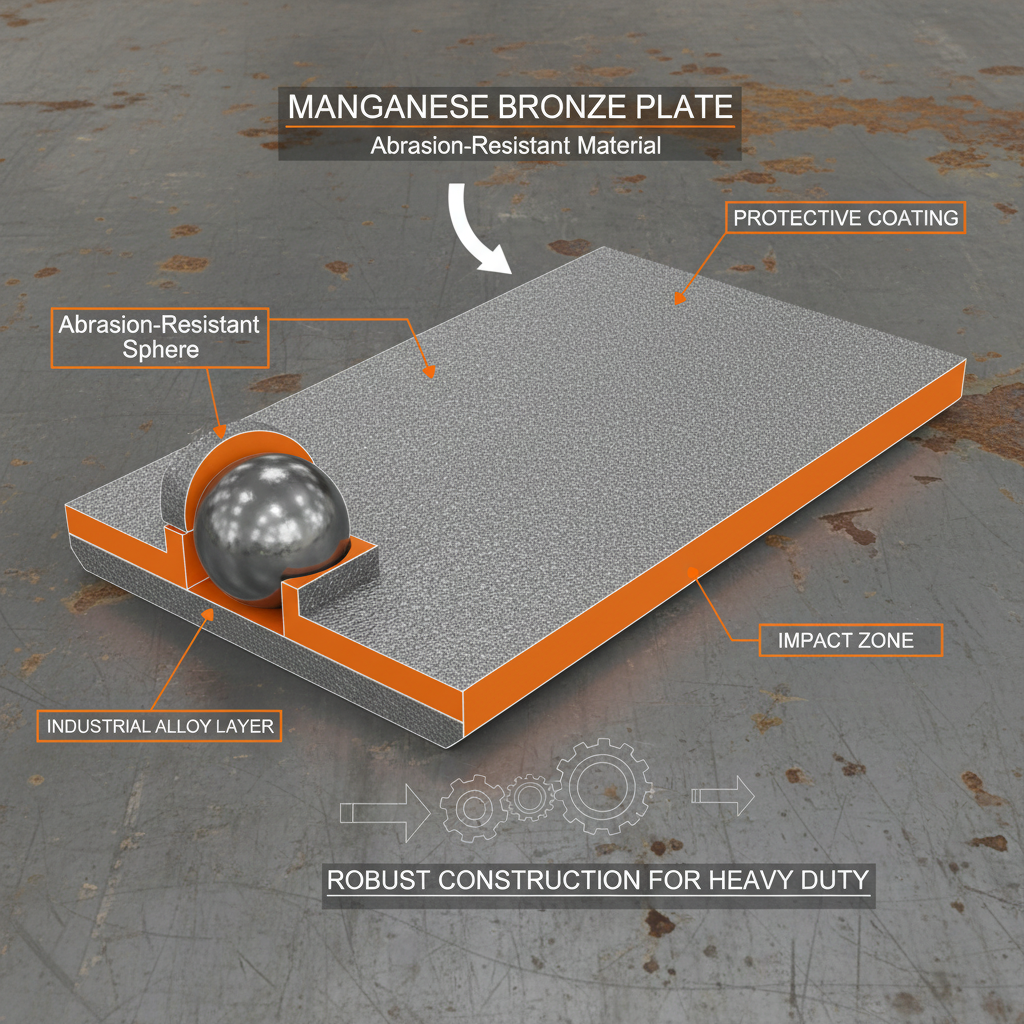
Comprehensive Guide to Manganese Bronze Plate Properties and Industrial Applications
Manganese bronze plate is a highly versatile alloy known for its exceptional strength, corrosion resistance, and wear properties. Widely utilized in marine applications, bearings, and various industrial components, it offers a compelling alternative to other materials. This article provides a comprehensive overview of manganese bronze plate, detailing its composition, characteristics, applications, and the advantages of sourcing from a reputable supplier like Chengda. Understanding the nuances of this material is crucial for engineers and procurement professionals seeking reliable performance in demanding environments. Manganese bronze, despite its name, isn't solely comprised of manganese and bronze. It's a copper alloy with a significant addition of manganese (typically 5-14%), along with zinc, aluminum, and often small amounts of iron. The manganese content is critical – it imparts high strength and hardness to the alloy. The precise composition varies depending on the intended application and desired properties. Higher manganese content generally leads to increased strength but can reduce ductility.Read more -
Exploring Silicon Manganese Steel Properties Applications and Sourcing
Silicon manganese steel is a crucial alloy in modern industry, known for its unique combination of strength, toughness, and magnetic properties. It's a staple in electrical engineering, automotive manufacturing, and construction. This article delves into the specifics of silicon manganese steel, exploring its composition, benefits, common applications, and how to source high-quality materials. Understanding these aspects is vital for businesses relying on this versatile metal. For premium silicon manganese steel products, visit Chengda Steel. Silicon manganese steel is an alloy composed primarily of iron, manganese, and silicon. The addition of these elements dramatically alters the properties of pure iron, making it far more suitable for a wide array of applications. Manganese enhances strength, hardness, and wear resistance, while silicon improves magnetic permeability and reduces core losses in electrical applications. The precise percentage of each element varies depending on the intended use of the steel. This alloying process is fundamental to achieving the desired mechanical and electrical characteristics. Chengda Steel provides detailed compositional analyses for all its silicon manganese steel products.Read more -
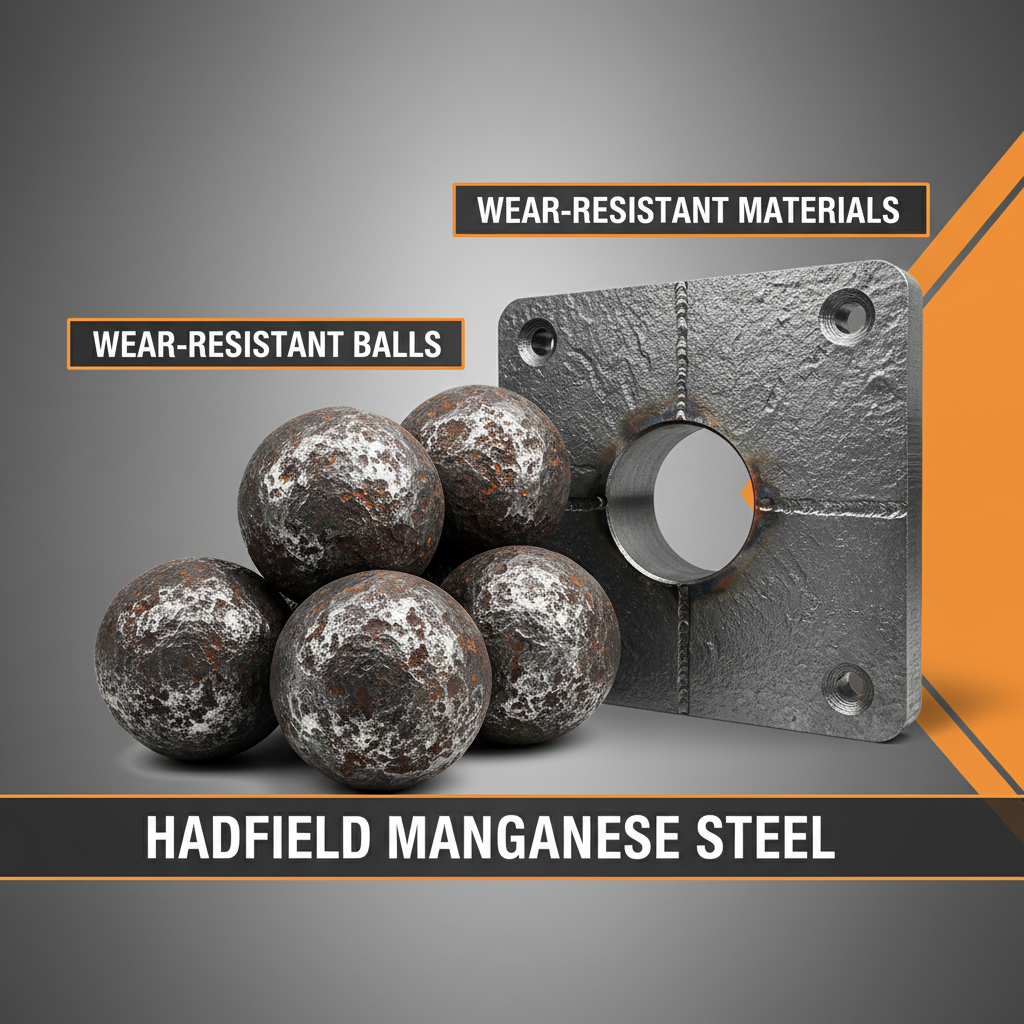
Understanding Hadfield Manganese Steel Properties Applications and Sourcing
Hadfield manganese steel, also known as Austenitic Manganese Steel, is a remarkably tough and wear-resistant alloy prized for its unique properties. This steel, composed primarily of manganese (typically 12-14%), carbon, and iron, exhibits exceptional performance in high-impact and abrasive environments. Chengda Steel specializes in the production and supply of high-quality Hadfield manganese steel products, serving a global clientele. This article will delve into the characteristics, benefits, applications, and considerations when sourcing Hadfield manganese steel. The exceptional performance of Hadfield manganese steel stems from its unique metallurgical structure. The high manganese content stabilizes the austenitic phase, rendering the steel non-magnetic and remarkably tough. This leads to several key properties: work hardening (increasing strength with impact), high tensile strength, excellent wear resistance, and good ductility. Furthermore, it demonstrates superior resistance to deformation under stress and maintains its toughness even at low temperatures.Read more -

Understanding High Carbon Ferro Manganese Price Trends and Market Dynamics
The price of high carbon ferro manganese is a crucial indicator for the steel industry, impacting production costs and ultimately, the price of finished steel products. Factors influencing this price are complex, ranging from raw material costs and global demand to geopolitical events and logistical challenges. This article will delve into the key drivers affecting the high carbon ferro manganese price, current market trends, and what buyers and suppliers need to know. Understanding these dynamics is essential for making informed decisions in a volatile market. Several interconnected factors contribute to the fluctuations in the high carbon ferro manganese price. The primary driver is the cost of manganese ore, especially high-grade ore from South Africa, which dominates the global supply. Changes in mining production, transportation costs (particularly shipping rates), and geopolitical stability in producing regions significantly impact the ore price. Furthermore, the demand from the steel industry, particularly in China – the world's largest steel consumer – plays a pivotal role.Read more -
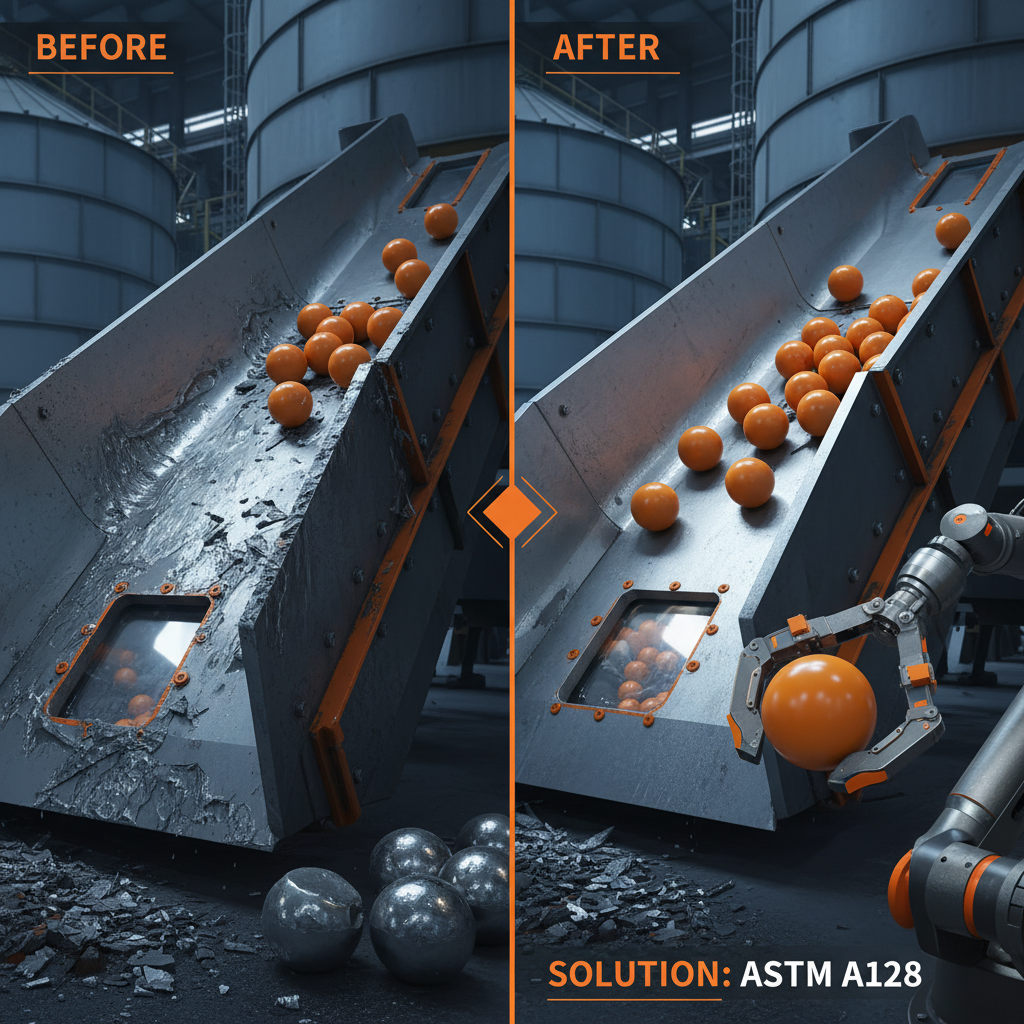
Comprehensive Guide to ASTM A128 Steel Castings for Pressure Applications
ASTM A128 is a widely used specification for steel castings, particularly those intended for pressure-containing parts. This standard dictates the requirements for various alloy steel castings, ensuring they meet specific mechanical properties and chemical compositions for safe and reliable performance. Understanding this specification is crucial for engineers, procurement specialists, and anyone involved in the sourcing or application of these steel castings. Chengda Steel provides high-quality steel castings adhering to ASTM A128 standards, catering to diverse industrial needs. Careful consideration of the appropriate grade within A128 is vital for optimal performance in specific applications. ASTM A128 covers a range of steel castings, primarily focused on those used in pressure vessels, piping systems, valves, and other critical components. The specification outlines requirements for chemical composition, mechanical properties (tensile strength, yield strength, elongation, impact resistance), non-destructive examination, and quality assurance.Read more -

High-Manganese Steel Liner - Shijiazhuang Chengda | Durable Mill Liners, Impact Resistance
Discover advanced high-manganese steel liners offering unmatched wear resistance and impact strength. Shijiazhuang Chengda provides durable mill solutions for mining, metallurgy, and industrial applications. Explore NIST-verified performance: www.cdchengda.comRead more -
Understanding Medium Carbon Ferro Manganese for Steel Production and Global Trade
Medium carbon ferro manganese is a crucial ferroalloy extensively used in the steelmaking industry to improve the steel's strength, toughness, and wear resistance. It's a combination of manganese and carbon, along with iron, created through a carefully controlled metallurgical process. This article will provide an in-depth look at the composition, applications, production, and benefits of medium carbon ferro manganese, especially for those involved in global trade. We will also delve into sourcing from a reliable supplier like Chengda Ferroalloy. Understanding its properties and uses is vital for optimizing steel production and ensuring high-quality end products. Medium carbon ferro manganese typically contains 65-80% manganese, 5-12% carbon, with the remainder being iron and trace amounts of other elements like silicon, phosphorus, and sulfur. The 'medium carbon' designation refers to the carbon content, providing a balance between deoxidation capabilities and the contribution to carbon content in the steel.Read more


