


News
-
Understanding Hadfield Manganese Steel Properties Applications and Sourcing
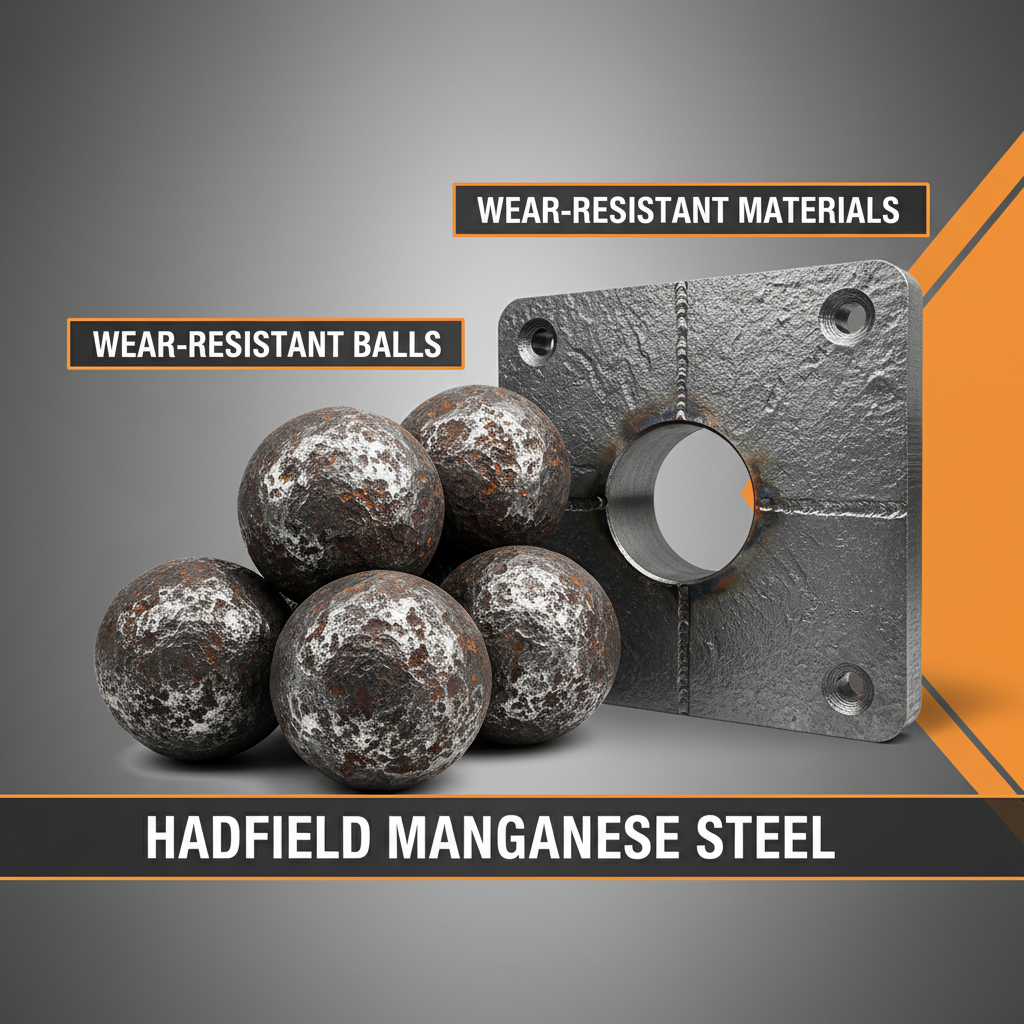
Hadfield manganese steel, also known as Austenitic Manganese Steel, is a remarkably tough and wear-resistant alloy prized for its unique properties. This steel, composed primarily of manganese (typically 12-14%), carbon, and iron, exhibits exceptional performance in high-impact and abrasive environments. Chengda Steel specializes in the production and supply of high-quality Hadfield manganese steel products, serving a global clientele. This article will delve into the characteristics, benefits, applications, and considerations when sourcing Hadfield manganese steel. The exceptional performance of Hadfield manganese steel stems from its unique metallurgical structure. The high manganese content stabilizes the austenitic phase, rendering the steel non-magnetic and remarkably tough. This leads to several key properties: work hardening (increasing strength with impact), high tensile strength, excellent wear resistance, and good ductility. Furthermore, it demonstrates superior resistance to deformation under stress and maintains its toughness even at low temperatures.Read more -

Understanding High Carbon Ferro Manganese Price Trends and Market Dynamics
The price of high carbon ferro manganese is a crucial indicator for the steel industry, impacting production costs and ultimately, the price of finished steel products. Factors influencing this price are complex, ranging from raw material costs and global demand to geopolitical events and logistical challenges. This article will delve into the key drivers affecting the high carbon ferro manganese price, current market trends, and what buyers and suppliers need to know. Understanding these dynamics is essential for making informed decisions in a volatile market. Several interconnected factors contribute to the fluctuations in the high carbon ferro manganese price. The primary driver is the cost of manganese ore, especially high-grade ore from South Africa, which dominates the global supply. Changes in mining production, transportation costs (particularly shipping rates), and geopolitical stability in producing regions significantly impact the ore price. Furthermore, the demand from the steel industry, particularly in China – the world's largest steel consumer – plays a pivotal role.Read more -
Comprehensive Guide to ASTM A128 Steel Castings for Pressure Applications
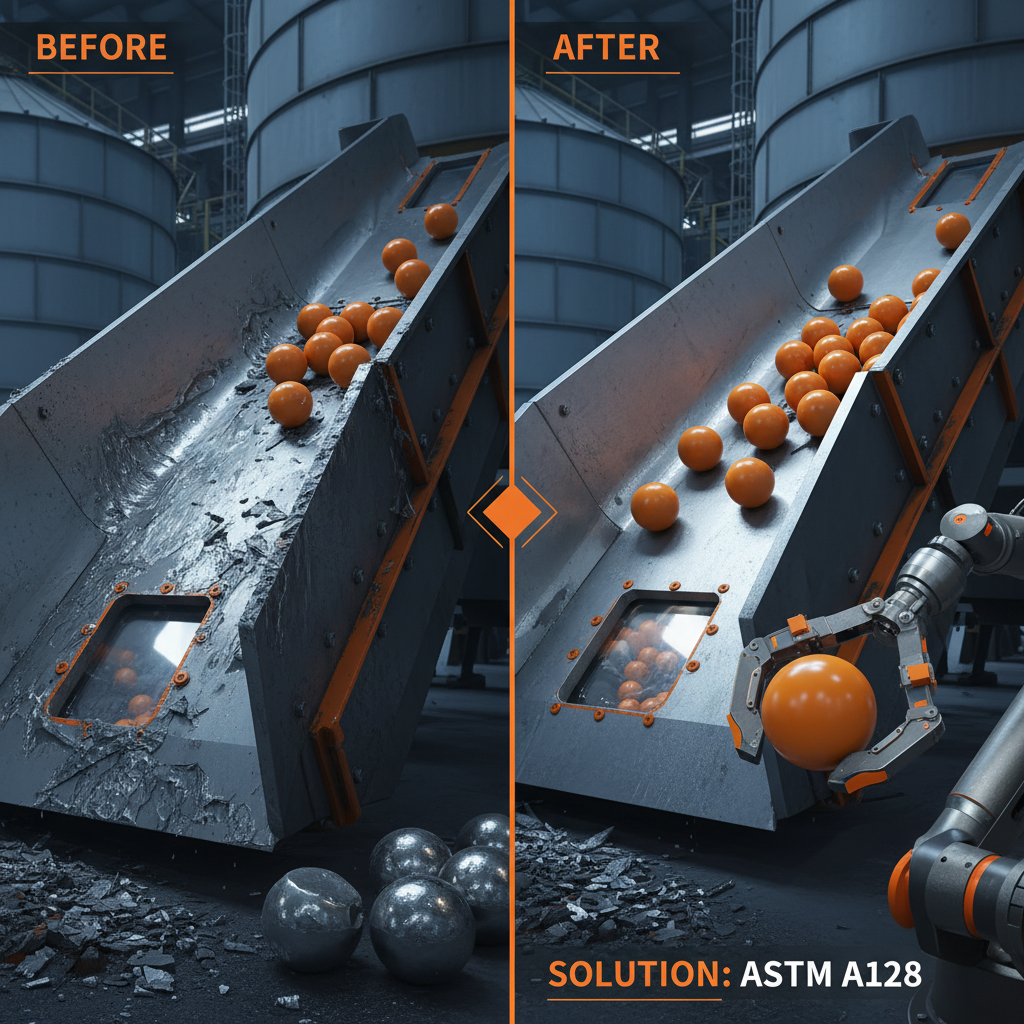
ASTM A128 is a widely used specification for steel castings, particularly those intended for pressure-containing parts. This standard dictates the requirements for various alloy steel castings, ensuring they meet specific mechanical properties and chemical compositions for safe and reliable performance. Understanding this specification is crucial for engineers, procurement specialists, and anyone involved in the sourcing or application of these steel castings. Chengda Steel provides high-quality steel castings adhering to ASTM A128 standards, catering to diverse industrial needs. Careful consideration of the appropriate grade within A128 is vital for optimal performance in specific applications. ASTM A128 covers a range of steel castings, primarily focused on those used in pressure vessels, piping systems, valves, and other critical components. The specification outlines requirements for chemical composition, mechanical properties (tensile strength, yield strength, elongation, impact resistance), non-destructive examination, and quality assurance.Read more -
High-Manganese Steel Liner - Shijiazhuang Chengda | Durable Mill Liners, Impact Resistance
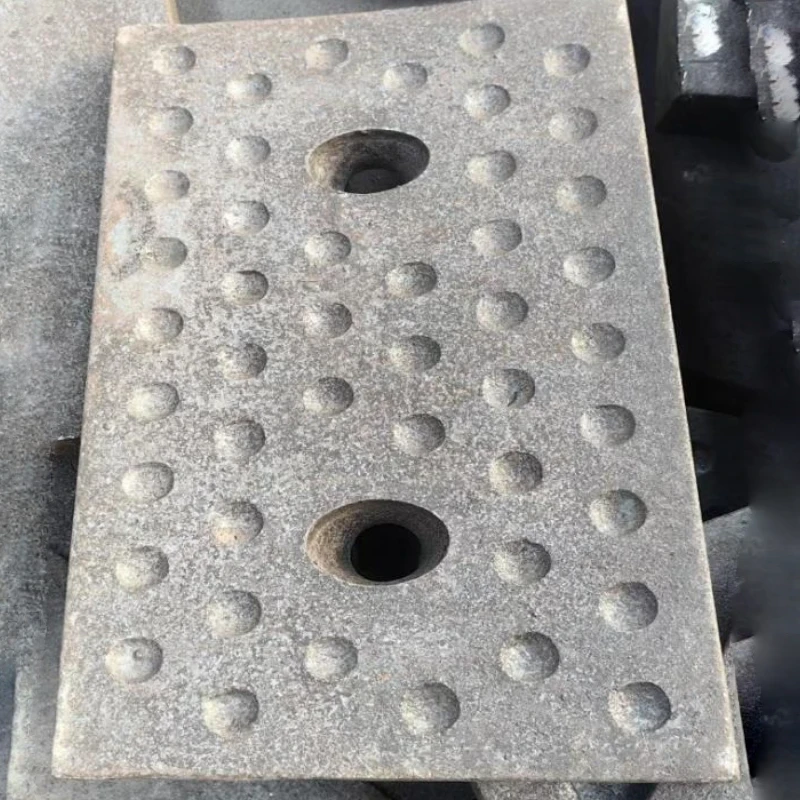
Discover advanced high-manganese steel liners offering unmatched wear resistance and impact strength. Shijiazhuang Chengda provides durable mill solutions for mining, metallurgy, and industrial applications. Explore NIST-verified performance: www.cdchengda.comRead more -
Understanding Medium Carbon Ferro Manganese for Steel Production and Global Trade
Medium carbon ferro manganese is a crucial ferroalloy extensively used in the steelmaking industry to improve the steel's strength, toughness, and wear resistance. It's a combination of manganese and carbon, along with iron, created through a carefully controlled metallurgical process. This article will provide an in-depth look at the composition, applications, production, and benefits of medium carbon ferro manganese, especially for those involved in global trade. We will also delve into sourcing from a reliable supplier like Chengda Ferroalloy. Understanding its properties and uses is vital for optimizing steel production and ensuring high-quality end products. Medium carbon ferro manganese typically contains 65-80% manganese, 5-12% carbon, with the remainder being iron and trace amounts of other elements like silicon, phosphorus, and sulfur. The 'medium carbon' designation refers to the carbon content, providing a balance between deoxidation capabilities and the contribution to carbon content in the steel.Read more -
Comprehensive Guide to Mangalloy Properties Applications and Sourcing
Mangalloy, also known as Hadfield steel, is a unique alloy renowned for its exceptional toughness, wear resistance, and austenitic structure. Its distinct characteristics make it invaluable in a wide range of demanding applications, particularly those involving high impact and abrasive conditions. This article provides a comprehensive overview of mangalloy, exploring its composition, properties, applications, and how to source high-quality mangalloy products. We'll delve into the reasons why mangalloy continues to be a critical material in numerous industries. Mangalloy is primarily composed of iron, with a significant manganese content typically ranging from 12% to 14%. Other elements, such as carbon, silicon, and chromium, are often added in smaller proportions to fine-tune its properties. The high manganese content is crucial; it stabilizes the austenitic phase of the steel even at room temperature.Read more -
Exploring the Properties and Applications of High Manganese Steel Alloys
High manganese steel, often referred to as Hadfield steel, is a remarkable alloy renowned for its exceptional toughness, wear resistance, and work-hardening capabilities. Its unique composition—primarily containing manganese, carbon, and iron—makes it invaluable across a broad spectrum of industries. From railway components enduring immense stress to crushing and grinding machinery facing constant abrasion, Chengda Steel provides premium high manganese steel solutions. This article will explore the intricacies of high manganese steel, its key properties, diverse applications, and the factors influencing its performance. The hallmark of high manganese steel lies in its chemical composition, typically containing 12-14% manganese, 1.0-1.2% carbon, and the remainder primarily iron. This specific arrangement imparts extraordinary properties. The high manganese content stabilizes the austenitic phase of the steel, preventing the formation of brittle martensite during heat treatment.Read more -
Find Top Quality Manganese Plate Suppliers for Industrial Needs
Manganese plates are essential components in various industries, from mining and construction to agriculture and manufacturing, valued for their high strength, toughness, and abrasion resistance. Sourcing these plates from reputable manganese plate suppliers is crucial for ensuring quality and reliability in your applications. This article will provide a comprehensive guide to understanding manganese plates, key considerations when choosing a supplier, and the benefits of partnering with a trusted provider like Chengdu Chengda. We’ll delve into the specifications, applications, and factors that differentiate leading suppliers in the global market. Manganese plates, typically containing 12-14% manganese, exhibit exceptional toughness and work-hardening properties. This means they become stronger and more durable as they are subjected to impact and abrasion. This makes them ideal for applications where wear and tear are significant concerns. Common uses include liners for rock crushers, impact plates in mining equipment, wear-resistant components in agricultural machinery, and protective armor plating.Read more -
Comprehensive Guide to Silicon Manganese Applications and Market Trends
Silicon manganese is a crucial alloying agent in steel production, significantly enhancing its strength, toughness, and resistance to abrasion. Its versatility makes it indispensable across diverse industrial applications, from construction to automotive manufacturing. This article will provide an in-depth look at silicon manganese, covering its composition, production methods, key applications, and market trends. Understanding this alloy is vital for anyone involved in the steel industry or related sectors. Learn how Chengda provides high-quality silicon manganese to meet your specific requirements. It’s produced through the carbothermic reduction of manganese ore with silicon-containing materials like silica or ferrosilicon. Unlike pure manganese, silicon manganese's addition to steel doesn't lead to the formation of hard, brittle compounds. Instead, it forms softer, more ductile phases that improve the steel’s workability and impact resistance. This is why it’s preferred over adding elemental manganese directly. Chengda’s silicon manganese offerings are renowned for their consistent quality and precise chemical composition. The dominant production method for silicon manganese is the submerged arc furnace process.Read more -
슈트 라이너 플레이트 A Comprehensive Guide to Industrial Applications and Benefits
슈트 라이너 플레이트, often referred to as liner plates, are critical components in various industrial applications, particularly within the mining, construction, and aggregate industries. These robust steel plates are designed to protect machinery and equipment from wear and tear caused by abrasive materials. This article will explore the features, benefits, applications, and factors to consider when selecting 슈트 라이너 플레이트, providing a thorough overview for professionals and procurement managers. Understanding the importance of high-quality liner plates can significantly extend the lifespan of expensive equipment and reduce operational costs. You can explore our range of 슈트 라이너 플레이트 at CDCHENGDA. 슈트 라이너 플레이트 are renowned for their exceptional hardness and wear resistance. Typically manufactured from high-strength steel alloys, they are engineered to withstand the impact and abrasion of materials like rocks, ores, and aggregates. Common features include various mounting options, like bolts, studs, or weld-on designs, for easy installation. The availability of different thicknesses and sizes allows for customization to specific equipment needs.Read more -
Comprehensive Guide to 볼 밀 라이너 플레이트 for Optimal Ball Mill Performance
Ball mill liner plates are essential components in the operation of ball mills, used across various industries like mining, cement production, and chemical processing. These plates protect the mill shell from wear and tear caused by the cascading action of the grinding media. Choosing the right liner plates is crucial for optimizing grinding efficiency, reducing maintenance costs, and extending the lifespan of your ball mill. Chengda specializes in the manufacturing and supply of high-quality ball mill liner plates, tailored to meet diverse industrial needs. Selecting the appropriate liner material and design is key to maximizing performance. 볼 밀 라이너 플레이트 are strategically installed inside the mill cylinder to protect the shell from direct impact and abrasion. They are typically made from high-strength materials like alloy steel, manganese steel, or ceramic composites, chosen for their resistance to wear, impact, and corrosion.Read more -
Exploring Different Types of Liners in Cement Mill for Optimal Performance
Cement mills are critical components in cement production, and their efficient operation relies heavily on the liners protecting their internal surfaces. Selecting the appropriate liner is crucial for maximizing mill lifespan, optimizing grinding efficiency, and minimizing maintenance downtime. This article delves into the various types of liners in cement mills, their materials, applications, and the factors influencing their selection. Understanding these nuances can significantly impact the overall cost-effectiveness and productivity of cement manufacturing. Steel liners have been historically dominant in cement mill applications due to their robustness and relatively low initial cost. However, steel liners are prone to wear, particularly from abrasion, which requires frequent replacements and associated downtime. The noise generated by steel liners impacting the clinker and steel balls is also significantly higher than with other liner types. Rubber liners represent a significant advancement in cement mill technology, primarily addressing the noise issues associated with steel liners. They offer substantial noise reduction – often exceeding 10-15 dB – creating a more comfortable working environment.Read more


