Feb . 26, 2026 02:15 Back to list
Exploring the Properties and Applications of High Manganese Steel Alloys
Understanding High Manganese Steel: Properties, Applications & More
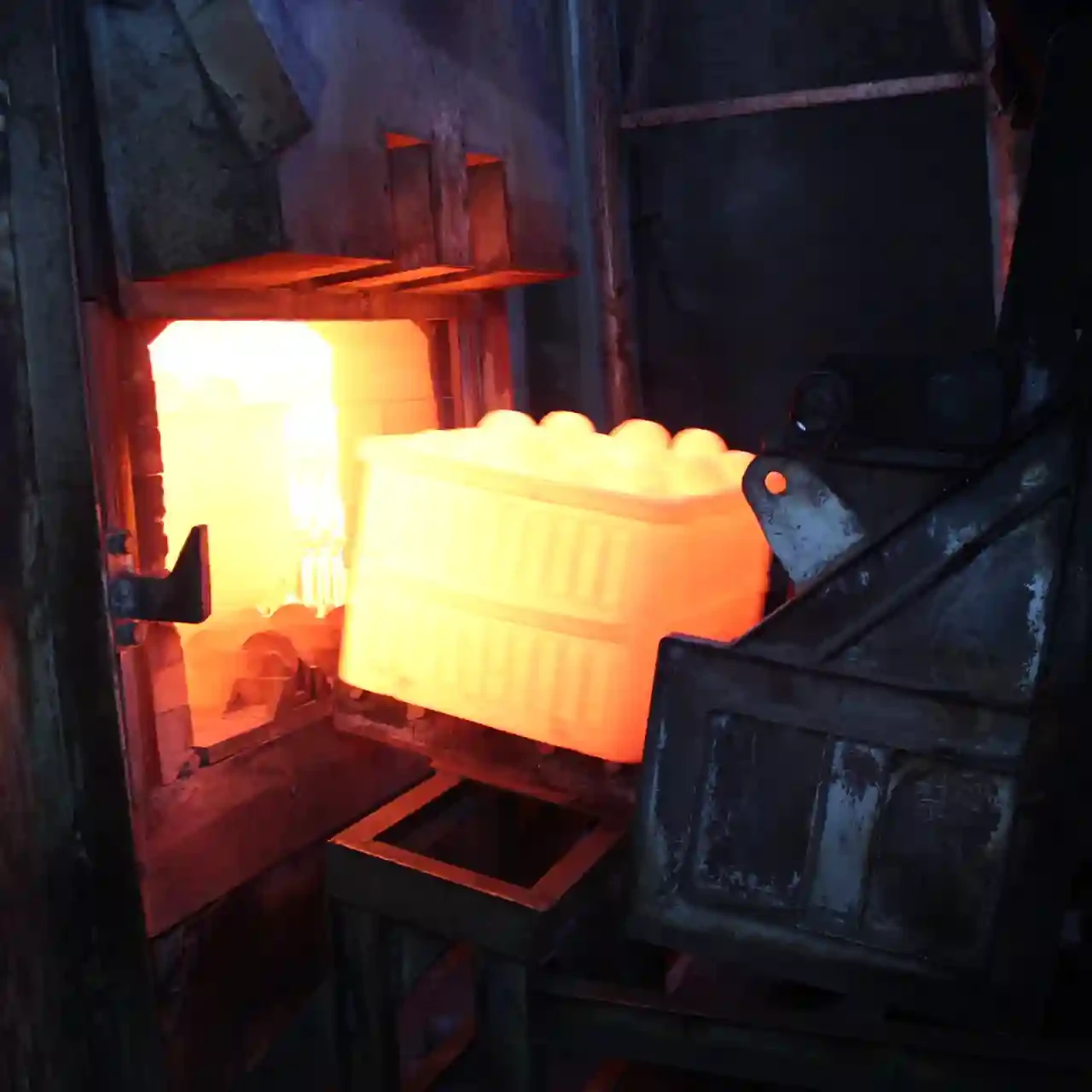
High manganese steel, often referred to as Hadfield steel, is a remarkable alloy renowned for its exceptional toughness, wear resistance, and work-hardening capabilities. Its unique composition—primarily containing manganese, carbon, and iron—makes it invaluable across a broad spectrum of industries. From railway components enduring immense stress to crushing and grinding machinery facing constant abrasion, Chengda Steel provides premium high manganese steel solutions. This article will explore the intricacies of high manganese steel, its key properties, diverse applications, and the factors influencing its performance.
The Unique Composition and Properties of High Manganese Steel
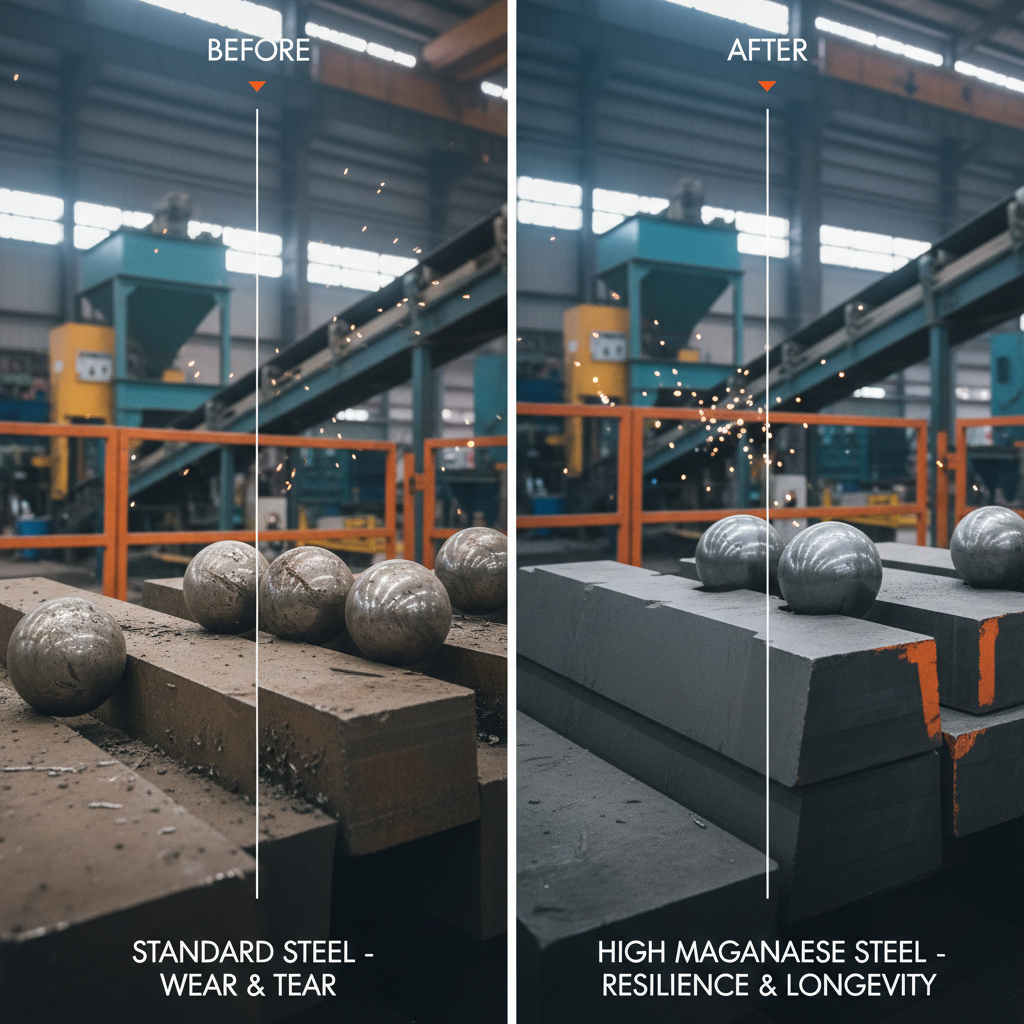
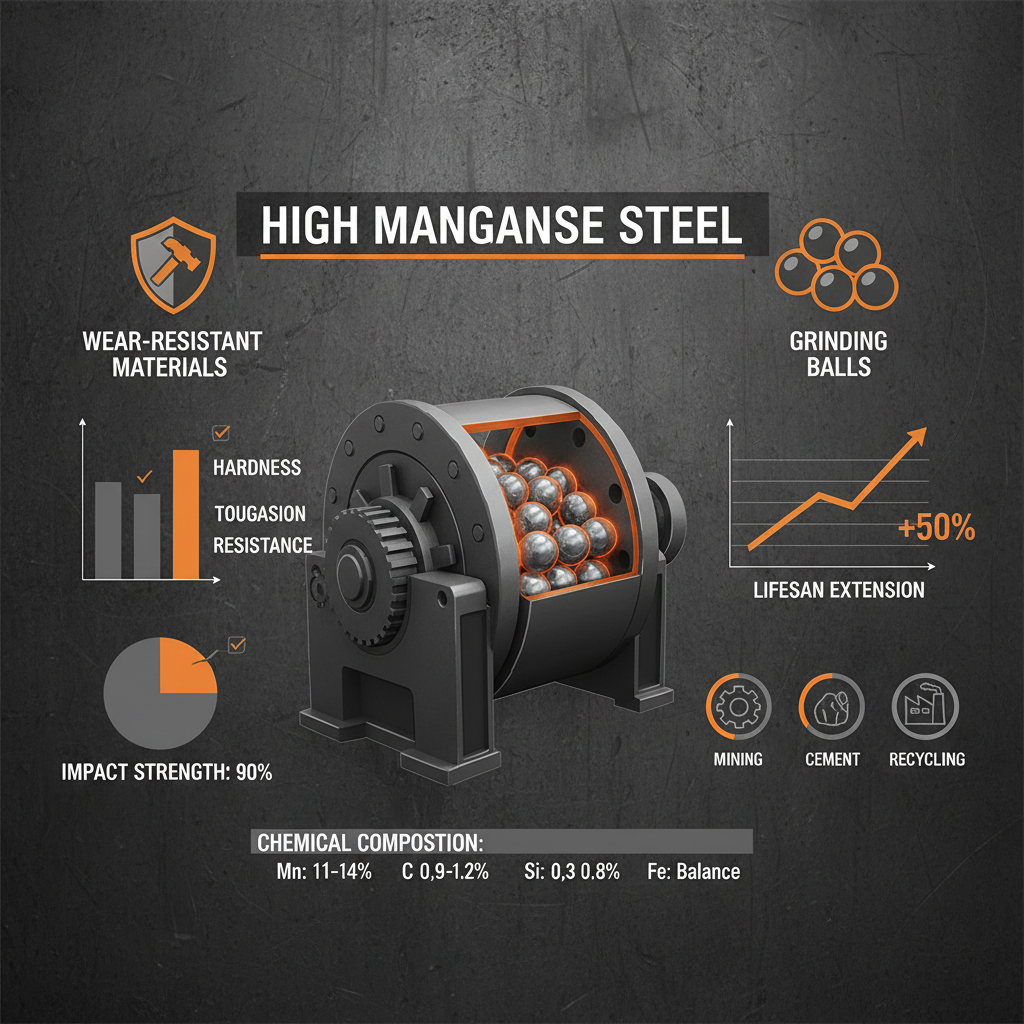
The hallmark of high manganese steel lies in its chemical composition, typically containing 12-14% manganese, 1.0-1.2% carbon, and the remainder primarily iron. This specific arrangement imparts extraordinary properties. The high manganese content stabilizes the austenitic phase of the steel, preventing the formation of brittle martensite during heat treatment. This is crucial for maintaining toughness. Furthermore, high manganese steel exhibits a unique work-hardening effect; as it experiences impact or abrasion, the surface layers become significantly harder and more wear-resistant. This self-strengthening behavior dramatically extends the lifespan of components operating in demanding environments. Other important properties include good weldability and machinability.
Key Highlights: Excellent toughness, exceptional wear resistance, and a work-hardening effect that extends component life. Suitable for demanding applications where impact and abrasion are prevalent.
Applications of High Manganese Steel: A Diverse Range
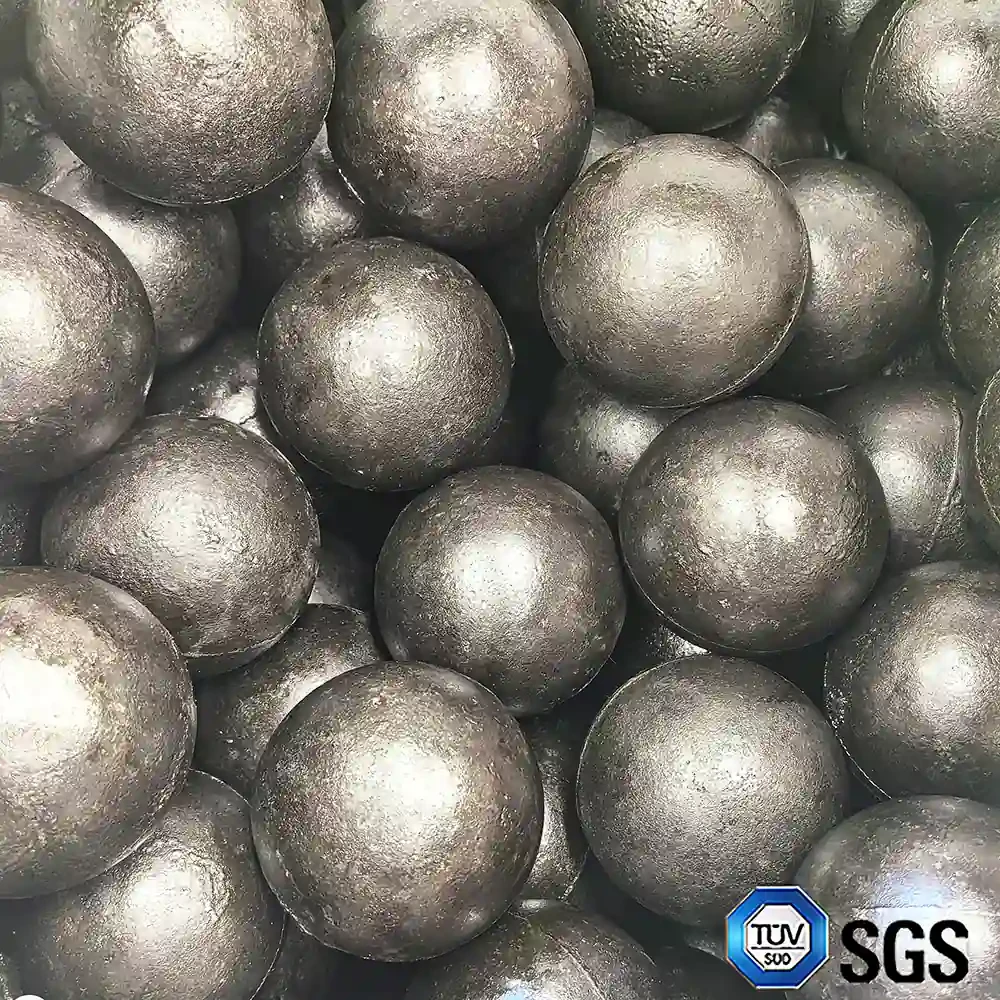
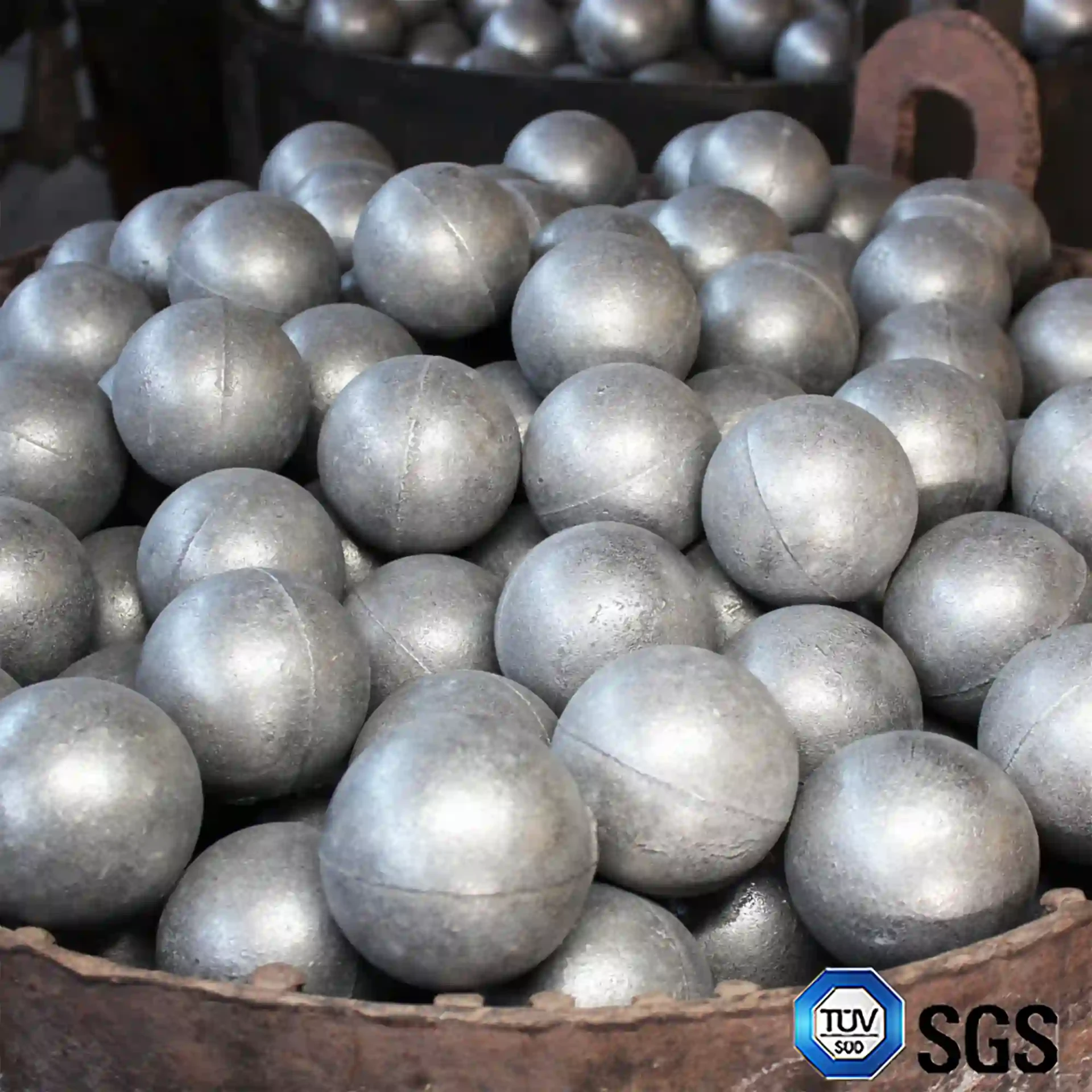
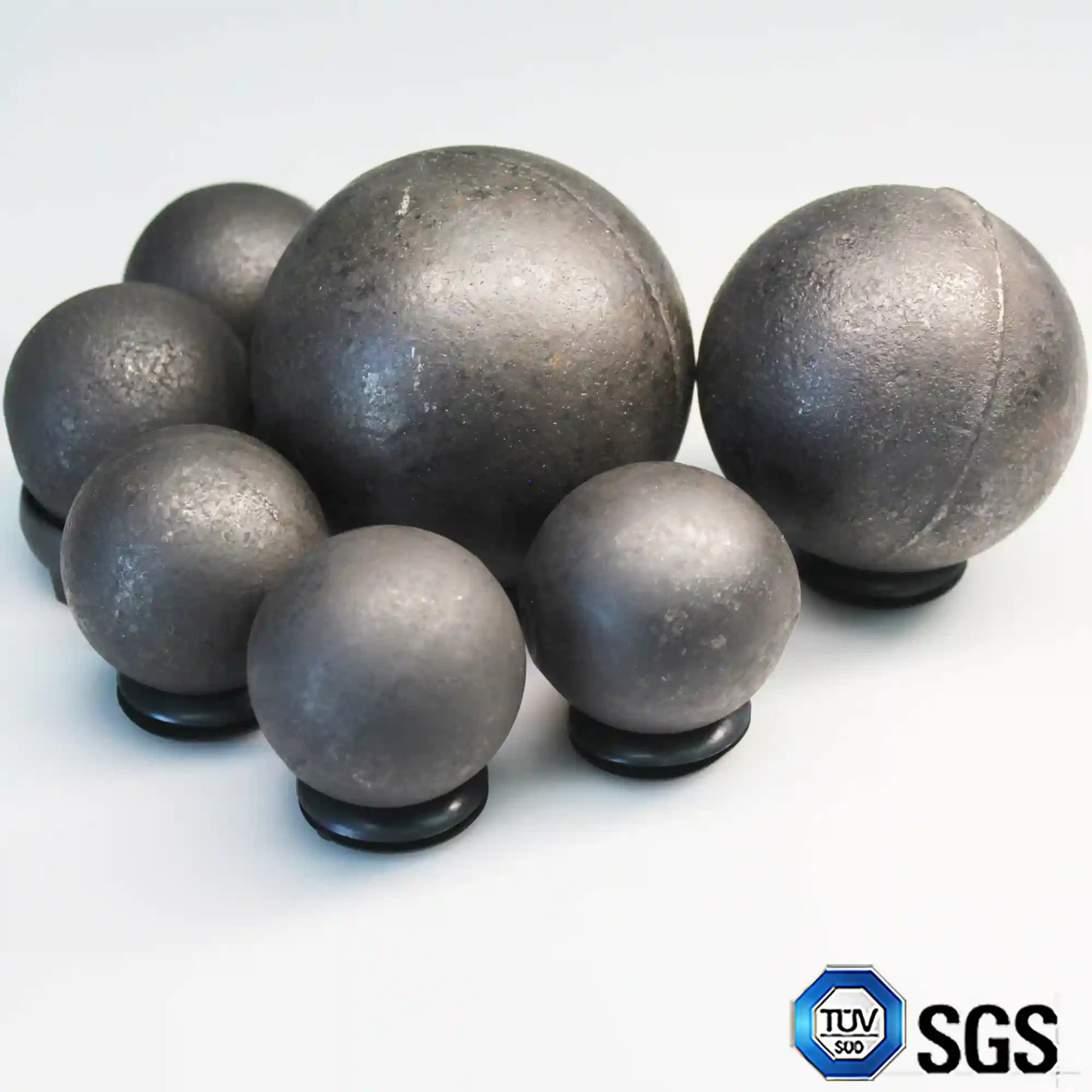
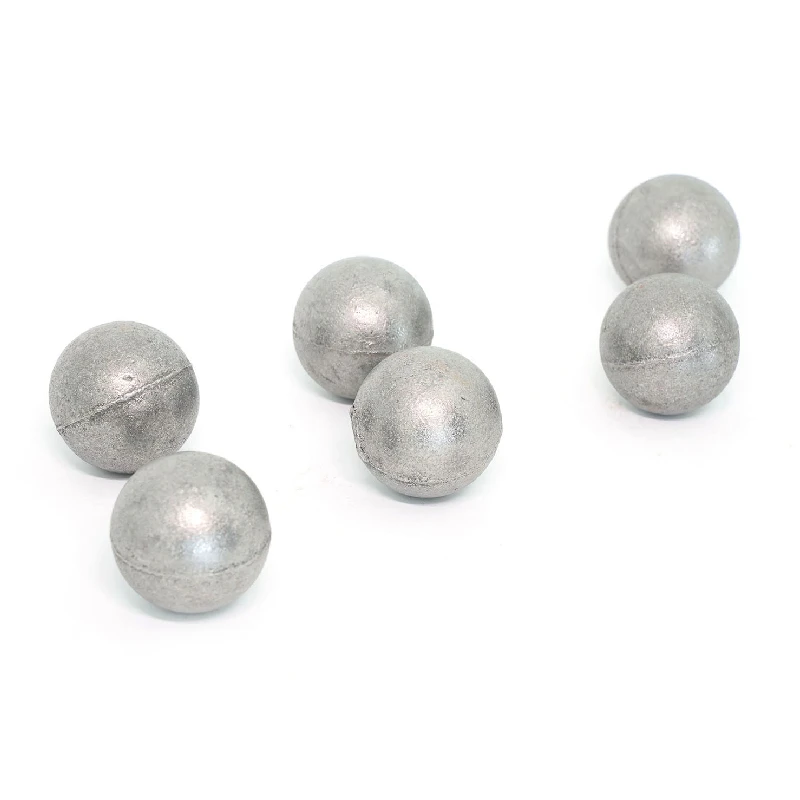
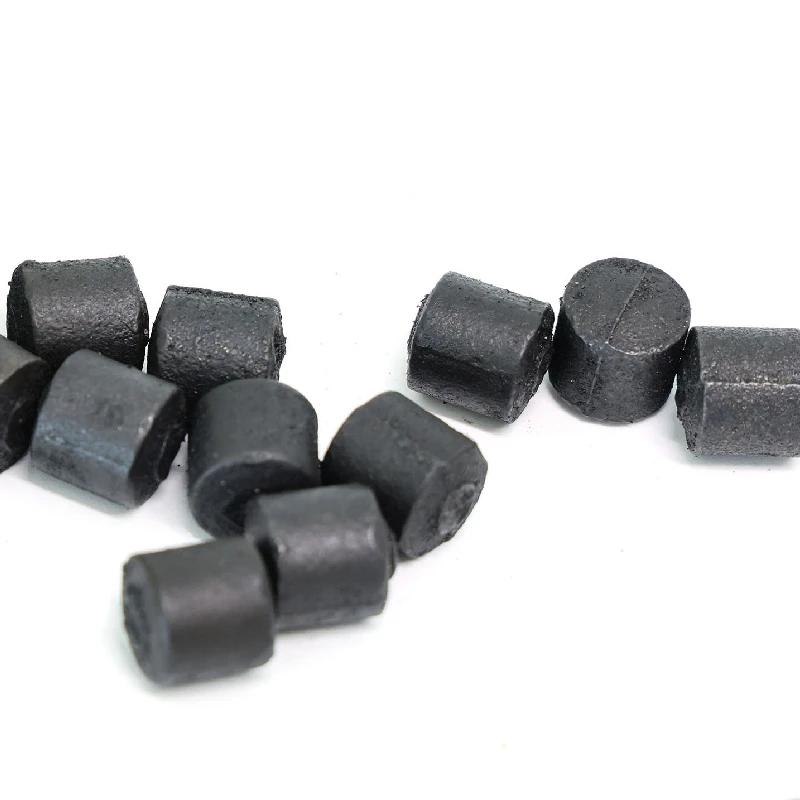
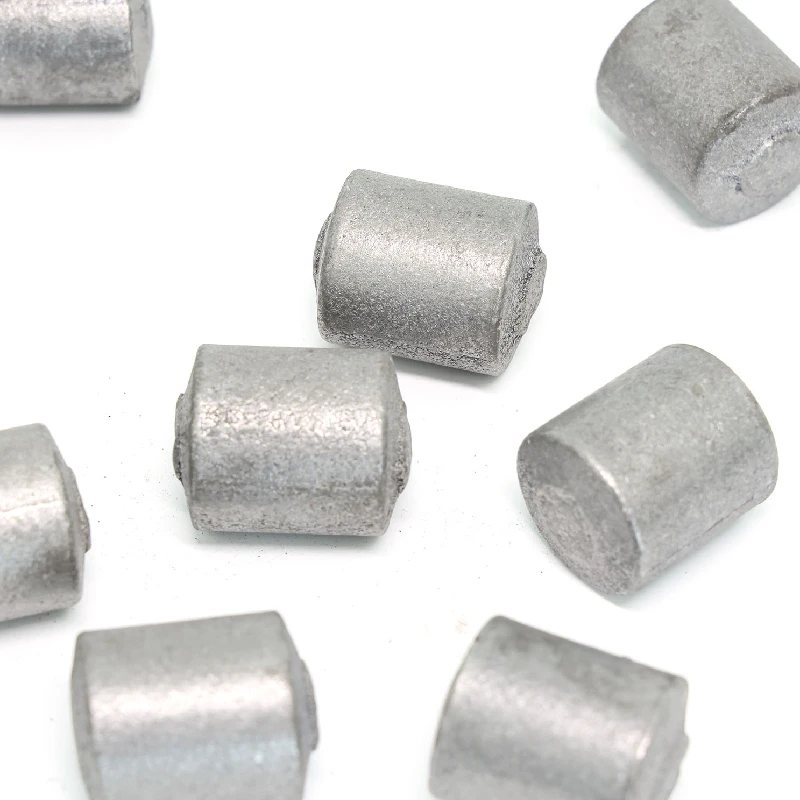
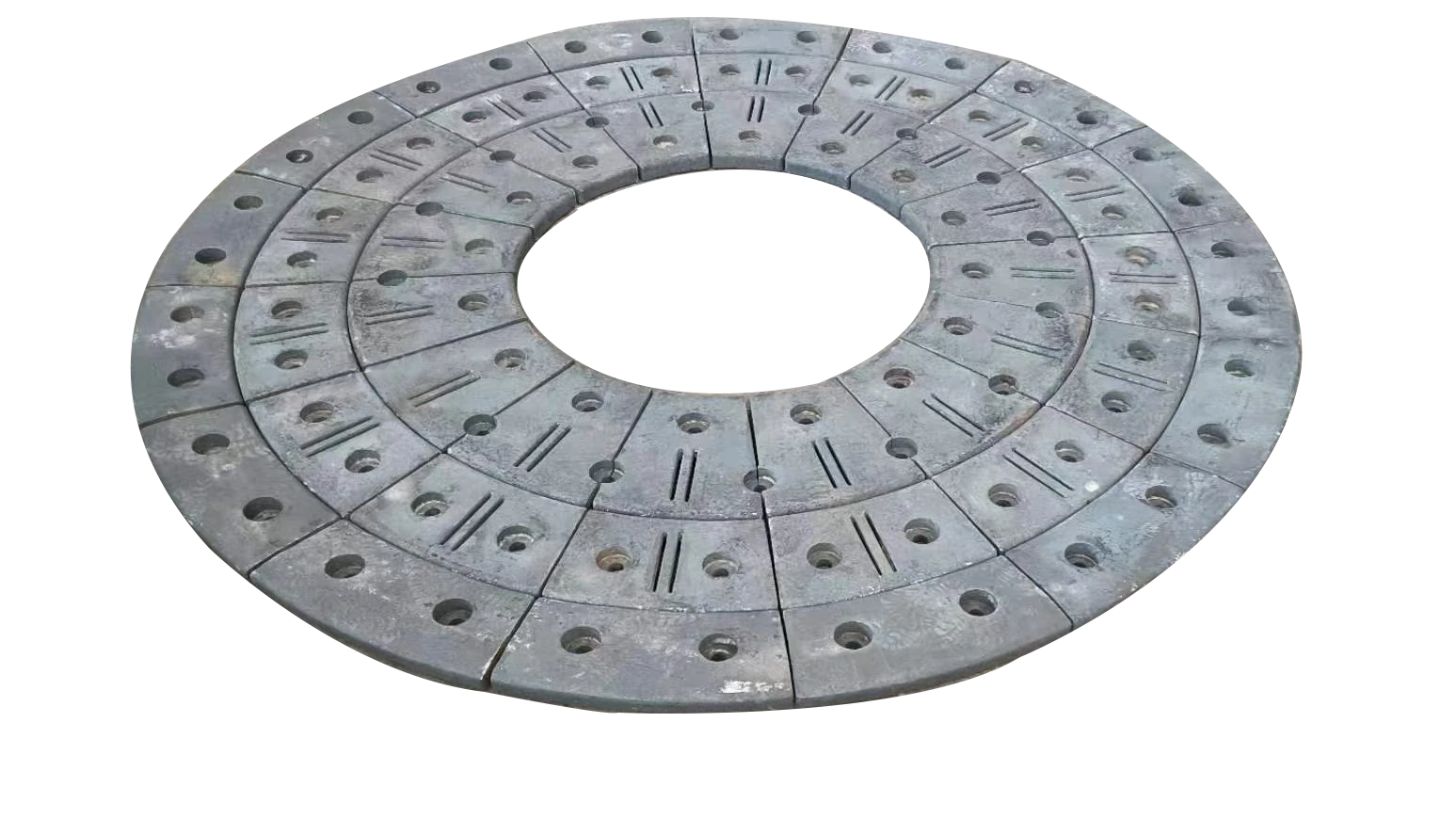
The distinctive properties of high manganese steel have led to its widespread adoption in numerous industries. One of the most significant applications is in railway components, such as crossing frogs and switch points, where it withstands the constant impact and abrasion from train wheels. It’s also heavily used in mining and quarrying for crushers, jaw plates, and grinding media, as these parts are subjected to extreme wear. Additionally, high manganese steel finds use in earthmoving equipment, like bucket teeth, and in the construction of rock breakers. Its toughness also makes it suitable for armor plating and specialized defense applications. Chengda Steel caters to these diverse industries with custom-engineered high manganese steel products.
Application Benefits:
• Enhanced longevity of critical components
• Reduced downtime and maintenance costs
• Improved operational efficiency
• Superior resistance to wear and impact
High Manganese Steel Grades and Their Characteristics
Different grades of high manganese steel are available, each tailored to specific performance requirements. The most common grade is Hadfield 18/8/0.5 (typically 13-14% Mn, 0.8-1.0% C), which provides an excellent balance of toughness and wear resistance. Other variations include lower carbon grades for improved weldability and alloyed grades with additions of molybdenum, chromium, or nickel to enhance specific properties such as corrosion resistance or strength. The choice of grade depends heavily on the intended application and the specific stresses the component will endure. Chengda Steel can advise on the optimal grade for your application.
Factors Affecting Performance and Durability
While inherently durable, the performance of high manganese steel can be affected by several factors. The heat treatment process is critical; proper austenitization and quenching are essential to ensure the desired microstructure and properties. Operating temperature can also play a role; excessively high temperatures can reduce its strength and wear resistance. The nature of the abrasive material it encounters will affect wear rates. Finally, proper maintenance and timely replacement of worn components are crucial for maximizing service life and preventing catastrophic failures. Chengda Steel's team provides expert guidance on optimizing performance and longevity.
Conclusion: A Superior Material for Demanding Applications
Investing in High Manganese Steel for Long-Term Value
High manganese steel stands out as a superior material choice for applications demanding exceptional toughness, wear resistance, and work hardening. Its unique properties translate to extended component life, reduced maintenance costs, and improved operational efficiency. Chengda Steel is your trusted partner for high-quality high manganese steel products and expert technical support. Invest in a material that delivers lasting performance and value.
Frequently Asked Questions (FAQs)
What is the work-hardening effect in high manganese steel?
The work-hardening effect, also known as strain hardening, is a phenomenon where the steel becomes harder and stronger as it is plastically deformed. In high manganese steel, this occurs because the impact or abrasion causes the austenite structure to transform into martensite in the deformed areas. This transformation increases the hardness and wear resistance of the surface layer, providing enhanced protection against further wear. This self-strengthening behavior is a key advantage of high manganese steel in abrasive environments.
Is high manganese steel susceptible to corrosion?
While high manganese steel exhibits excellent mechanical properties, its corrosion resistance is relatively low compared to stainless steel. It's prone to rust in moist or corrosive environments. However, the formation of a surface oxide layer can provide some degree of protection. For applications requiring enhanced corrosion resistance, alloyed grades with additions of chromium or nickel are recommended. Proper surface treatments, such as painting or coating, can also mitigate corrosion.
Can high manganese steel be welded?
Yes, high manganese steel can be welded, but it requires careful consideration. Preheating and post-weld heat treatment are often necessary to prevent cracking and maintain its toughness. The welding process should use low-hydrogen electrodes and techniques to minimize hydrogen embrittlement. It's crucial to use compatible filler metals specifically designed for high manganese steel. Chengda Steel offers guidance on proper welding procedures for its materials.
What are the advantages of using high manganese steel in mining applications?
In mining, high manganese steel significantly reduces downtime and maintenance costs. Its exceptional wear resistance extends the lifespan of crusher components, bucket teeth, and grinding media, which are constantly exposed to abrasive materials. The work-hardening effect further enhances their durability. This translates to increased production efficiency and reduced overall operating expenses. Additionally, its toughness minimizes the risk of brittle failure in demanding mining environments.
-
Industrial Guide to Ferro Manganese Medium Carbon for Steel Production
NewsApr.16,2026
-
Professional Guide and Best Practices for drilling manganese steel
NewsApr.09,2026
-
Comprehensive Guide to DIN 1.3401 Stainless Steel Properties and Applications
NewsApr.07,2026
-
Optimizing Crusher Performance with Durable Manganese Alloys and Steel
NewsApr.04,2026
-
Comprehensive Guide to Chrome Manganese Steel Properties and Industrial Applications
NewsMar.31,2026
-
Understanding the Properties and Applications of Cast Manganese Steel
NewsMar.28,2026